There is something powerful about seeing different worlds meet and watching what comes out of the encounter. At the Cook_inc. Festival 2026 – held on 13 September in Lucca and dedicated to universal languages – those connections took shape through food, music, art and conversation, but also through the plate.
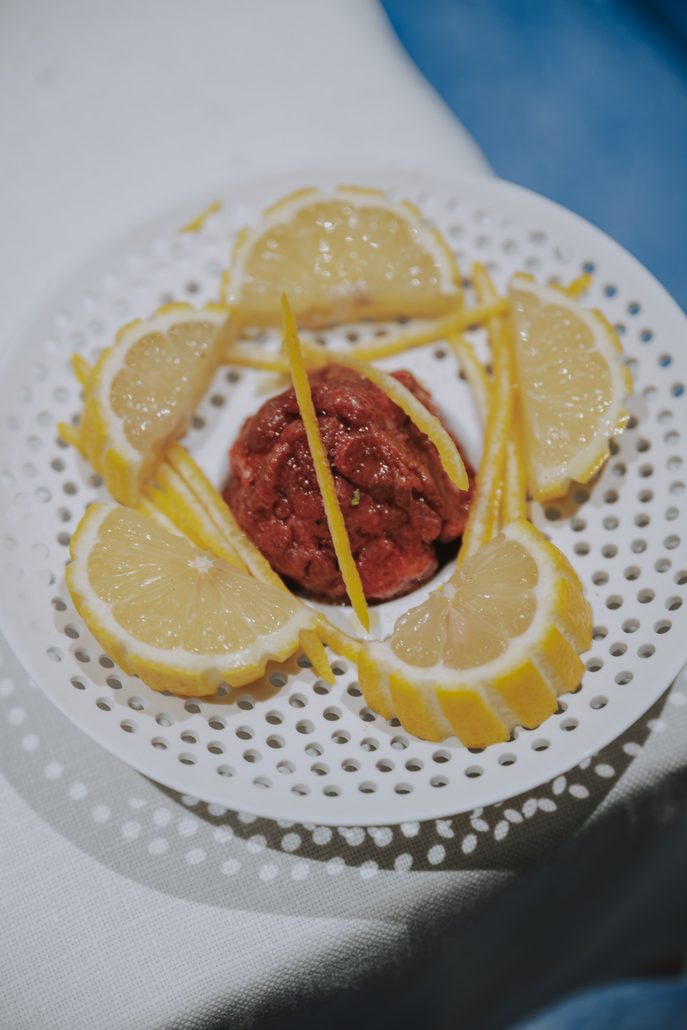
Each chef’s dish was paired with a piece by Hering Berlin, a German design brand rooted in porcelain craftsmanship. Two forms of art came together, bringing two creative voices to the table: the person cooking and the person who designed the object to hold it. Through its shape, texture and colour, the plate became part of the composition, giving the food a new dimension.
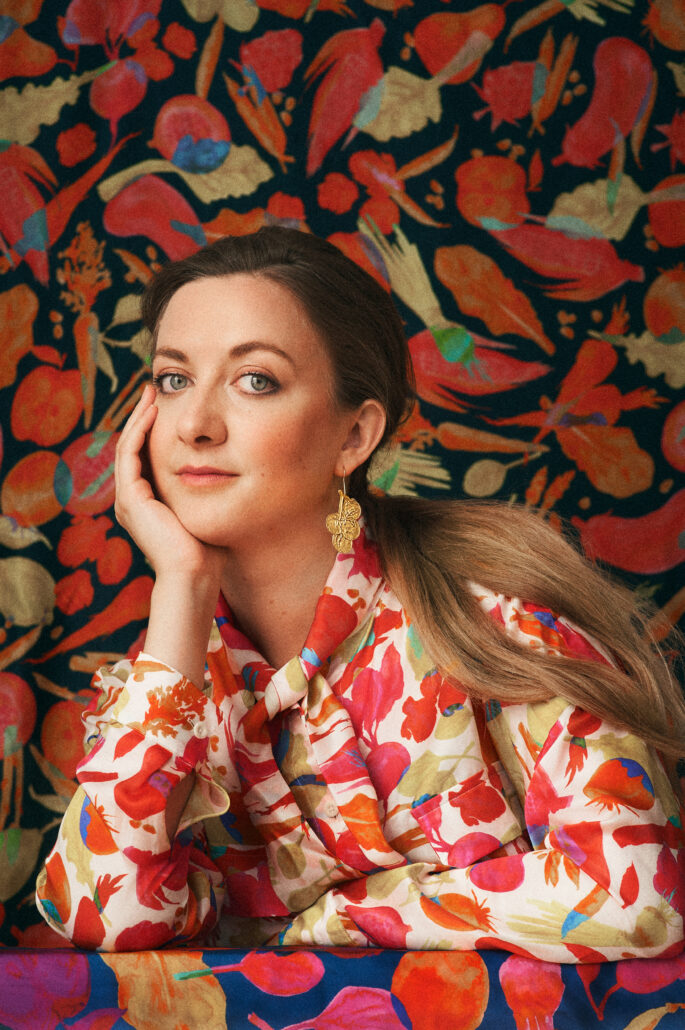
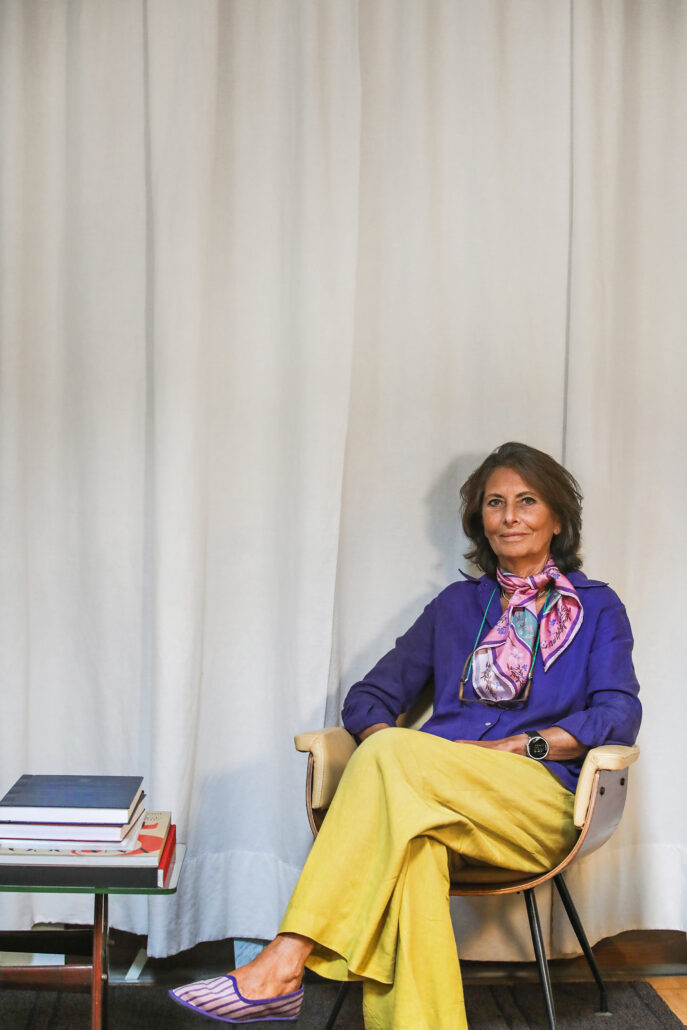
The photographs accompanying these pages capture that exchange and offer a glimpse into the work of Stefanie Hering, the ceramicist and designer behind the plates. Since opening her first studio in Berlin in 1992, she has explored how form and material can shape our experience of what they hold.
A trained potter and master craftswoman with a background in design, Stefanie Hering creates tableware, lighting and collectible pieces, including works destined for museums.


Her creative vision is closely connected to the world around her: she pays attention to what is changing and considers how her work might respond, giving those observations a tangible form – and it was this instinct that helped her business take off.
Back in 2004, at a large event bringing together major industry players, she joined a discussion about the forces driving economic change and globalisation – questions that, she observes, remain familiar today. “Everything is changing, chefs are looking at things in a different way, so we need to go with them, and we need to find solutions for them. We as designers need to think beyond and come up with ideas that people cannot imagine right now”, she said at the time.
Those were the years when chefs were becoming superstars. Figures such as Ferran Adrià and Santi Santamaria were pushing boundaries through very different approaches to cooking, and chefs were looking for new stages on which to present their food. Stefanie saw the possibility of giving those emerging culinary languages a form of their own, creating something that could speak to the twenty-first century. She found a production partner willing to help bring her vision to life and began creating pieces with a distinctive identity rooted in her own creations, designed to be produced on a larger scale and to meet the needs of a changing culinary world. Within four months, the pieces were being presented at major fairs in Paris, Frankfurt and New York.
SH: I didn’t expect that it would go so well with chefs because I made no compromises in craftsmanship and shape perfection. The result is that it’s not an inexpensive product.
Each piece goes through several hands accumulating hours of labour – energy, materials and individual skill all contribute to its value. Keeping craftsmanship alive, in fact, also means allowing the people who practise it to earn a living from their skills. And for that knowledge to pass from one generation to the next, it needs a place in the present – people willing to invest in it, work with it and make it part of their everyday lives.
Fortunately, chefs all over the world recognised what this care could bring to their food. Each had a different cuisine, interior, style and vision, yet Stefanie’s designs could move between those worlds without losing their own identity, finding a different expression at every table. Today, Hering Berlin ships to 70 countries, its pieces entering lives and kitchens far from the place where they first took shape. “The key is catching the emotion”.
The work begins with the material itself. Porcelain, once known as white gold, is a type of ceramic that originated in China, made from a mixture typically containing kaolin – a fine white clay – feldspar and quartz. Hering Berlin works with hard-paste porcelain fired at temperatures approaching 1,400°C, with the firing atmosphere carefully controlled to achieve the desired result. Its strength allows Stefanie to pursue both refinement and durability, creating pieces whose delicate appearance belies their resilience.
SH: My vision was not to cover this material but to show the beauty of this white body, while maintaining its strength.


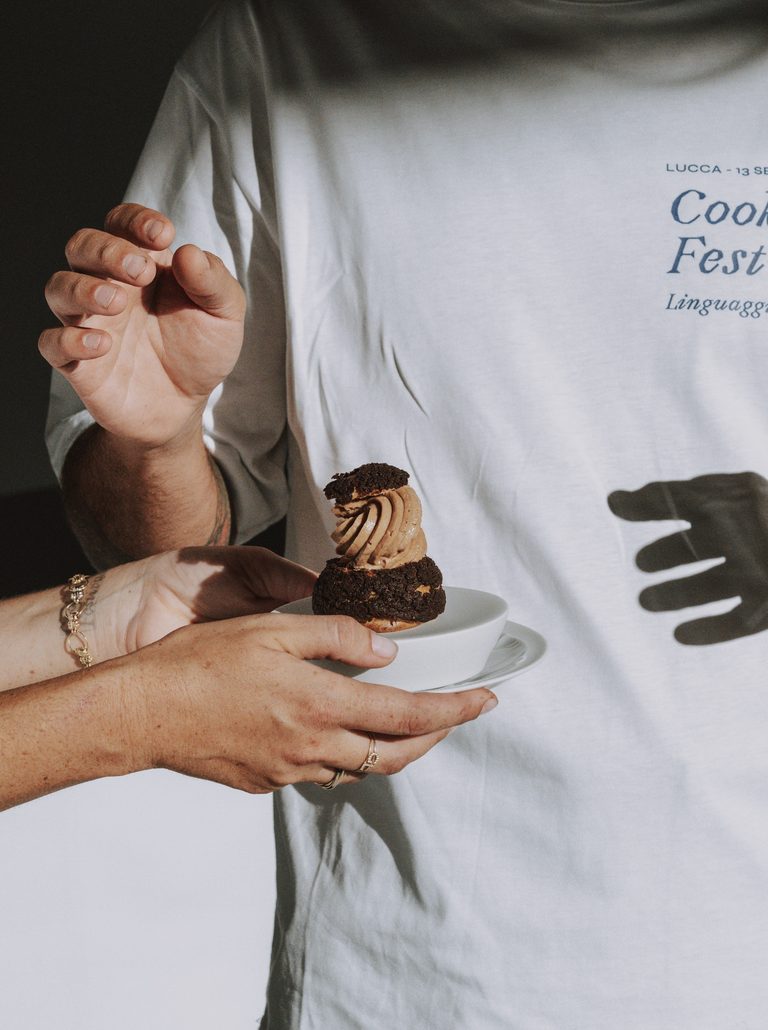
Achieving that apparently simple white surface requires considerable work, and at the final stage, each Hering Berlin piece is polished with a diamond sponge, giving the exposed porcelain its softness to the touch while preserving the resilience needed for life at the table.
That ability to endure is fundamental to Stefanie’s understanding of sustainability, and her collections have developed accordingly. Over more than thirty years, rather than replacing one range with another, she has built something closer to a toolbox. Each addition expands its possibilities while retaining a relationship with what came before. Objects bought in the 1990s can sit alongside those made today, individually distinct but sharing a common language. This continuity also comes from Stefanie’s independence from trends: she responds to the world around her but follows her own direction, allowing the work to grow without leaving its past behind.
Coming from humble origins, Stefanie Hering has built a practice around questions that extend well beyond an object’s appearance.
What does it mean to make something? What can it contribute to an individual’s life or to a restaurant? What are its consequences in terms of materials, production and the future of the craft?
Those questions run through her glassware, vases, lighting and collectible works as well as her tableware. In her office, pieces dating from the 1990s still feel current, giving a tangible sense of that continuity. An angular vase, developed through a collaborative project in Morocco, brings materials and places into dialogue – an exchange carried further by the travelling exhibition that grew out of the project.


Looking back across her work, the impulse to connect worlds emerges as a recurring thread, even where it may not have been a conscious starting point. When working with chefs, that dialogue begins with listening.
SH: They are the chefs, and they know what they want to serve. On the other hand, we are the makers, the designers, and we know our material as well as they know their cooking. So, we inspire each other. We start working and then we play ping pong, until we find a right fit.
Sometimes the food determines the plate, and occasionally the plate prompts a new direction for the food. Each brings a distinctive style and a deep knowledge of their craft, and what reaches the table is the result of that exchange. In fact, whether we consciously notice it, our perception of food is shaped by what holds and surrounds it. The plate, cutlery and glass all contribute, as do the sound, the lighting and the chair we sit in. Curating that experience means thinking each element through, understanding how it relates to the others and imagining how people will feel within the whole.




Decades after Stefanie’s work first found its place in fine dining, another generation of chefs is asking different questions. Amid discussions about whether fine dining is dying, she sees a shift in what people seek: the same quality of food and hospitality, expressed in ways that feel more natural and emotional. She compares fine dining to the opera: even an interested audience might go only once a month or once a year, while engaging with other forms of culture more frequently. Restaurants can occupy similarly different places in our lives – some are occasional experiences, others become part of the rhythm of our days.
SH: I hope chefs trust their own vision and follow it. It’s never wrong to follow your dreams. With a new mindset and new ideas, you can create something new and surprise your audience. We need to take out speed, slow down, and realise that sometimes less is more.
It brings us back to the universal languages at the heart of the Cook_inc. Festival, and to the possibilities that open when creative worlds meet.
SH: Porcelain is a universal language – totally. At the beginning, when I was really young and started this job, I thought, ‘What am I doing trying to make a living as a potter?’ But it turns out that it can take you all over the world. It allows you to support other people’s work, to open conversations and to create truly meaningful exchanges. That’s not a given.