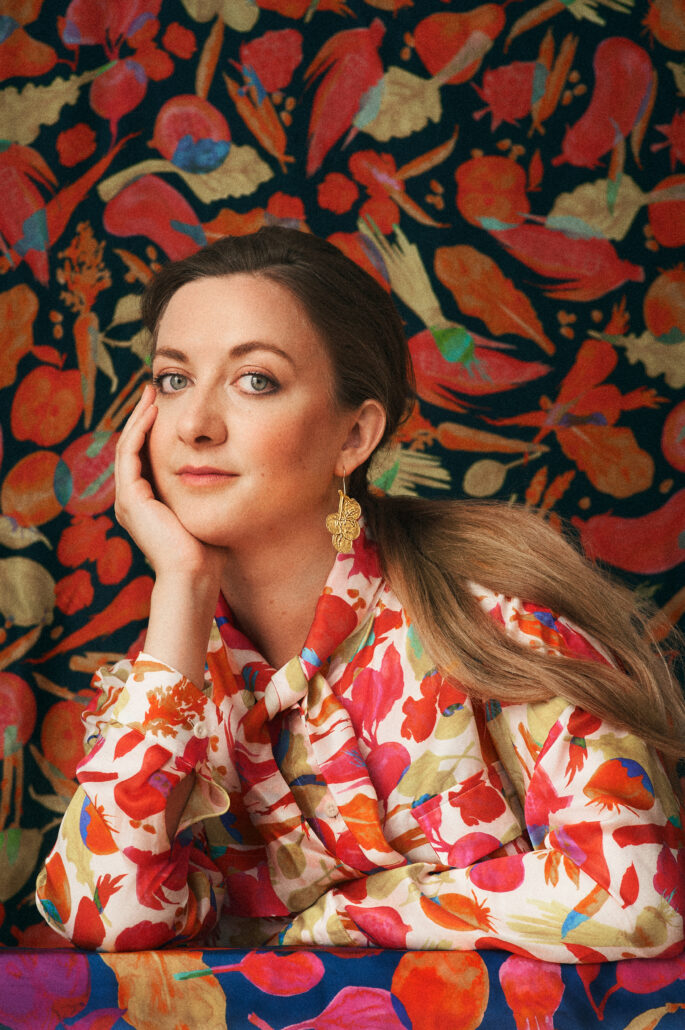
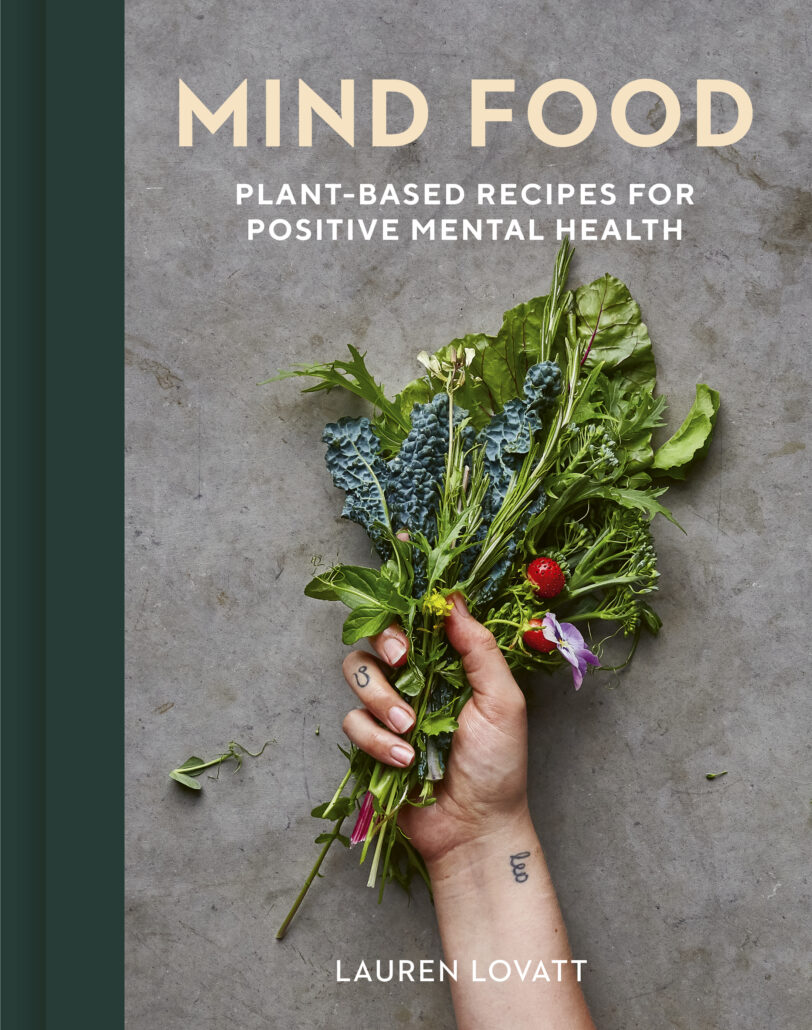
“Food is the primary medicine for body and spirit,” our grandmothers used to say—back when intestinal ailments were treated with rice water, anxiety with chicory coffee and chamomile, and melancholy with that famous spoonful of cod liver oil, rich in Vitamin D and Omega-3 fatty acids. Not to mention the widespread spirit of sharing that kept loneliness at bay. We might call this our grandmothers’ version of “MindFood”: the foods and habits capable of fostering balance and well-being for both body and mind. Today, amidst constant external stimuli, increased isolation, and environmental and social changes, we are witnessing an inevitable rise in mental health issues and a growing struggle to identify the food we truly need for our inner well-being. Lauren Lovatt a plant based chef, an internationally renowned figure in plant-based cuisine, and the author of books; *MindFood* (2022) and *Plant Academy: The Cookbook* (2025) offers us a profound, accessible, and creative perspective on the complex interplay between food and mental health. I met her in Bali where we first connected at Alchemy Academy, to explore this concept of “MindFood,” the roots of which go back even further than our grandmothers’ time, tracing all the way back to Hippocrates, when the idea first emerged that food could possess genuine therapeutic power.
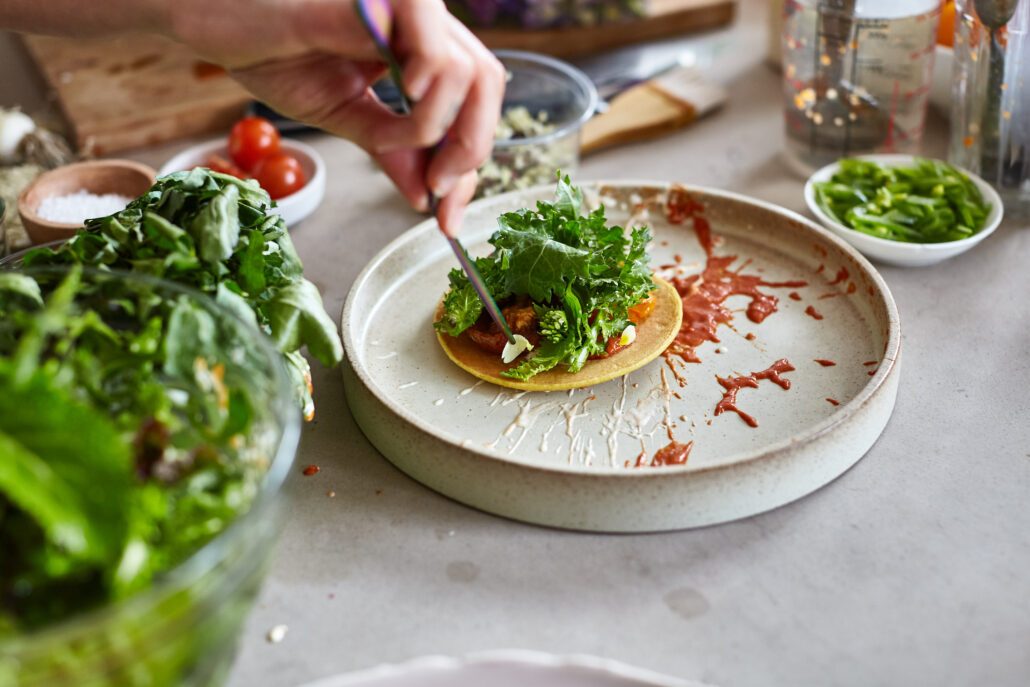
You have dedicated an entire book to the concept of “MindFood.” What does this mean within the plant-based framework you advocate?
It is interesting to observe how, over the last few years, we have fortunately seen a significant rise in awareness regarding mental health, including the emergence of new language to describe it. In my personal experience and interpretation, MindFood is about how we choose to live and how we eat to nourish our minds, keeping them healthy and balanced. Food can support us in so many ways from managing medical conditions to handling everyday life and focusing on prevention. In my book, through seasonal recipes inspired by scientific studies and my own experience recovering from a long period of eating disorders, I explain how to nourish the brain and stabilise mood through plant-based cooking.
Are there specific foods we can classify as “Mind Food” more than others?
When I first began exploring the plant-based world in England over 12 years ago, I took various cooking courses that already covered superfoods and adaptogens (natural substances—such as extracts from plants, roots, or medicinal mushrooms—that help the body adapt to physical, mental, or environmental stress, thereby enhancing overall biological resilience). I thought, “Wow. These plants can truly change how we feel.” That sparked the idea of sharing how to eat specifically to nourish the mind. The foundation lies in a balanced plate of whole, plant-based foods, biodiversity is key when choosing what to eat as this helps to support our get healthy and diverse microbiome.. However, there are certainly plants with specific properties that benefit the mind. Walnuts, for instance, are considered the ultimate “brain food”—not only because they resemble the brain in shape, but also because they act as a powerful neuroprotective shield capable of improving cognitive function. Then there is Lion’s Mane—a medicinal mushroom regarded as the undisputed king of natural nootropics (substances that influence cognitive functions and aspects related to stress and mood) and of mycotherapy (a therapeutic/nutritional approach using medicinal mushrooms) for brain health; it stimulates the growth of new brain cells, making it highly valuable in cases of degenerative disease. Other natural nootropics include rosemary and *Centella asiatica* for memory, ginger for mood, turmeric for neurological inflammation, and *Ginkgo biloba* for cerebral circulation, among others. So, I think the idea behind MindFood is certainly to experiment with these types of foods while also seeking balance, color, and variety in the food we put on our plates every day—factors that, in turn, influence how we feel. It’s about eating food that is delicious and fun, yet also highly nutritious.
You’ve personally experienced how to support your mental health through food. What was the first benefit you noticed when you started connecting them?
Discovering the world of plant-based food was truly invaluable because it allowed me to reconnect with food in a healthy way during a very difficult time in my life. While I was at art school many of my friends experienced forms of mental health issues and within this time I lost someone very close to me because of his bipolar disorder, from their i was very unwell and developed a very unhealthy relationship with food as a coping mechanism for this loss. Eventually I began a long journey to regain my well-being and discovered plant-based cooking, acupuncture, yoga, and a different way of living that finally enabled me to turn things around. The possibility of using so many new plant based ingredients fueled my creativity and desire to explore food again, I experienced first hand the power plants had on completely transforming my own mental health and with this spark of inspiration i dove feet first into the food world, I took every course i could find, met many amazing people and eventually my professional career began thanks to who I met in this time. Starting as head chef and brand manager at Asparagasm and then leading to the opening of the Plant Academy in London and international collaborations.
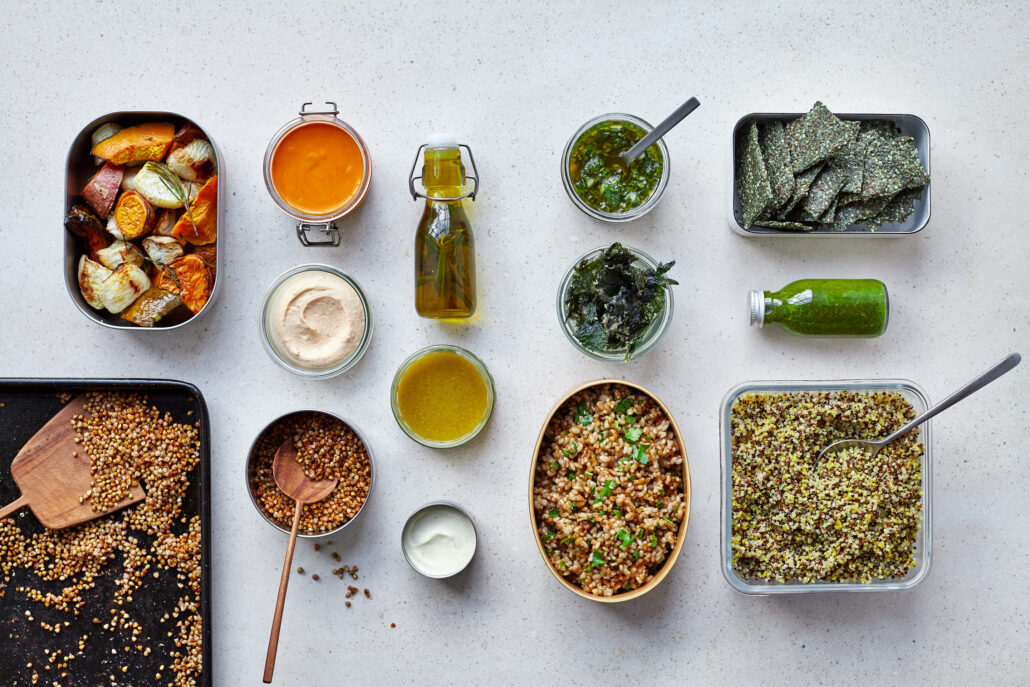
Do you think MindFood is exclusively about a plant-based diet?
I believe plants form the foundation, but it’s important to strike a balance and take your own uniqueness into account. Some people have specific health issues—which inevitably affect the mind—that require nutrients not found in plants. Women, for instance, have specific hormonal needs that must be addressed. Then there’s the powerful connection to how we were raised and our origins. If someone grew up on a tropical island, even if they adapt to the foods available in their current country, they will naturally gravitate back to the fruits and foods native to their original climate. Conversely, if you grew up somewhere like Norway—where it’s freezing cold—you’ll obviously eat differently: heartier, cooked meals rather than a raw vegan diet. It’s something written into our very constitution, into our ancestry; that’s where we come from. So, I think we can try to change and adapt, but without going against our true nature. You might become deeply passionate about Chinese medicine, Ayurveda, or a vegan or raw food diet… but I believe you need to listen to yourself on a truly deep level and figure out what makes you feel good and personally I think balance is key over extremes.
How can we approach “Mind Food”?
When you don’t know where to start, simply begin by eating more plants. I believe that, given the trends of recent years dominated by processed foods, everyone needs to eat more fresh, living food that comes straight from the earth. For instance, if you’re making a sandwich or a soup, you can simply add a vegetable; it’s an easy, sustainable step in the right direction. I don’t think we need to overhaul our habits completely; instead, we should move forward slowly and have fun with it. The message I’d like to convey through the book is simply this: a plant-based foundation, variety, color, and flexibility – with more potent plants and adaptogens for specific support. For example, if you’re struggling with anxiety, can’t sleep, or find it hard to concentrate, try cutting out caffeine and sugar, and incorporating CBD, Butterly pea and naturally calming foods. I also think it’s important to find something enjoyable and create your own rituals to bring these ingredients into your day to day.
Bali is home to so many extraordinary plants with beneficial properties. Is there a particularly significant “MindFood” experience you had here?
When I moved here, I was going through a transitional phase and, without realizing it, was under a lot of stress. I remember the first time I saw that blue drink made from butterfly pea flowers; I thought it was beautiful and fun. After trying it once, I ended up drinking it every day for a few months. I was drawn to it; I felt a need for it. Only later did I discover that it helps combat stress. My body was naturally asking for support to regain balance and calm. Then, suddenly, I started feeling better and stopped drinking it. That experience really made an impression on me. Although I have strong intuition when it comes to nutrition, I believe that by learning to listen to ourselves, we can hone our ability to understand exactly what we need.
I have many friends who work in high-stress environments but don’t take the time to pause and ask themselves what they could change in their daily routines to feel better. Breaking that cycle is very difficult, yet it takes so little to start feeling the difference—like adding a pinch of saffron (AKA the happy herb) to to hot water in the morning to give it a golden hue, allowing yourself a moment to observe it, and perhaps feeling better as a result.
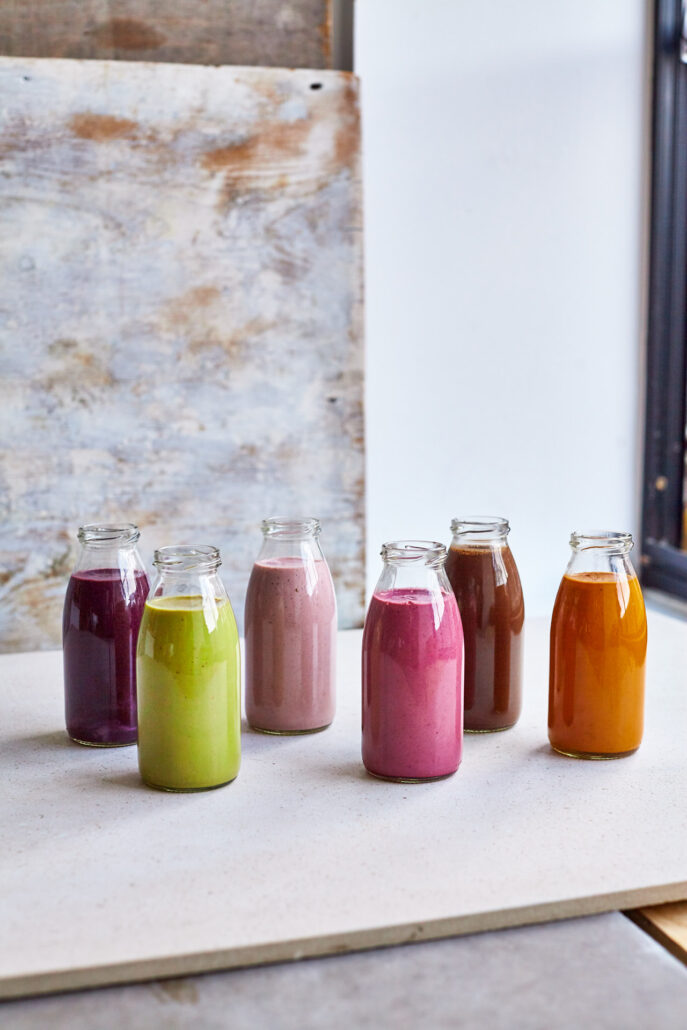
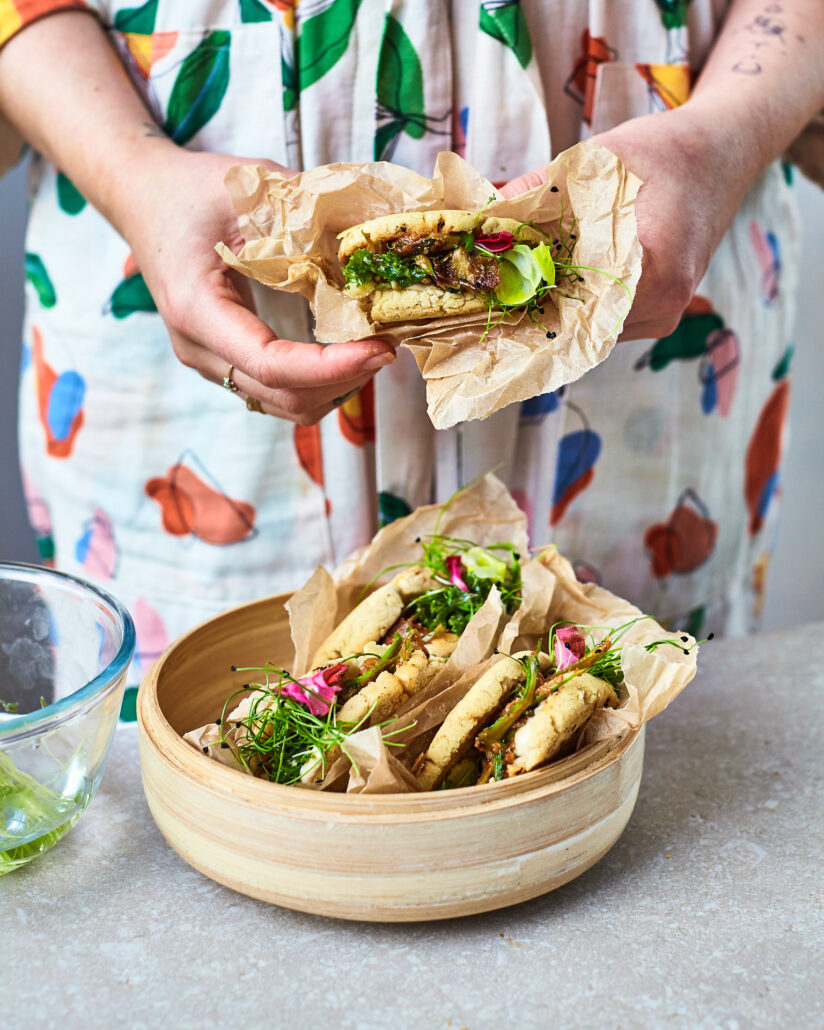
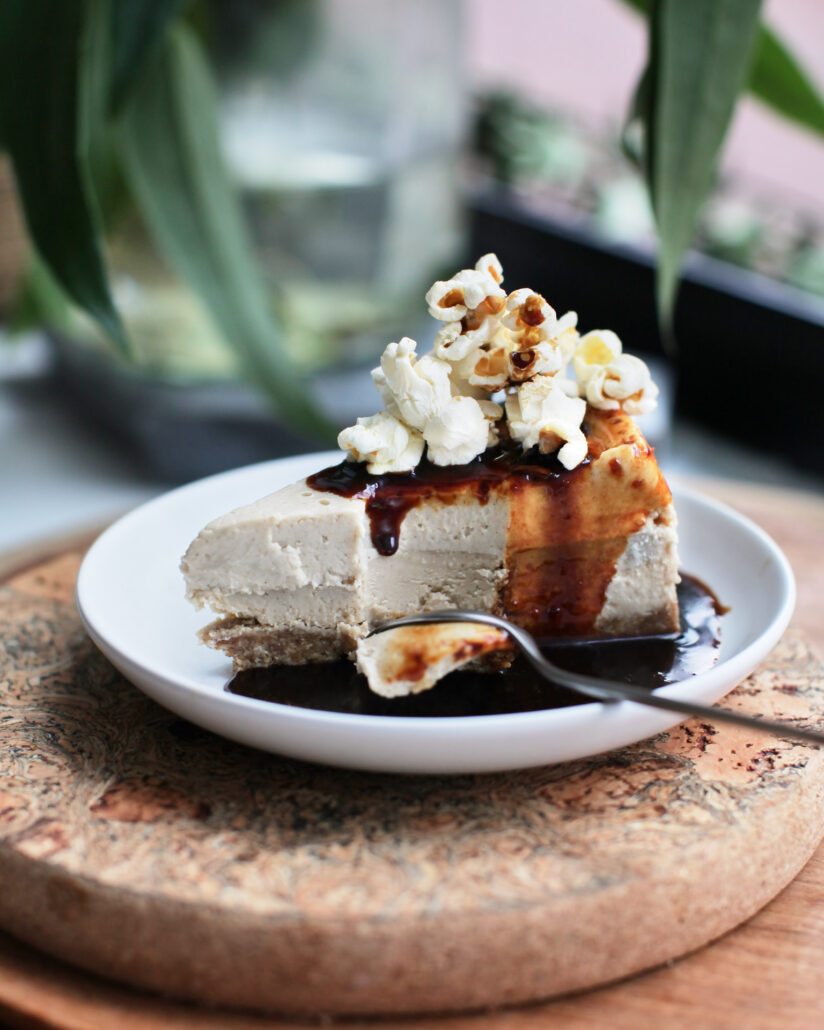
If we want to create a “MindFood” dish, must we always seek a balance between food color, creativity, and nutrition?
In everyday life, I believe that what truly contributes to creating a MindFood dish is the creative process itself. Making something with our own hands provides immediate gratification that boosts our mental well-being.
You can start with simple things here, too. Instead of store-bought peanut butter, you might experiment with making your own nut butter with different nuts and seeds (variety is key!) to spread on bread, use as a salad dressing, or add to drinks. Or, you could learn to make plant-based milk—it’s simple and fun. If you’re starting from scratch and the world of food is new to you, my book includes some very simple recipes. It’s also an opportunity to take back control of how our food is made. Instead of buying everything ready-made, we can rediscover the joy of creating tasty, high-quality food that nourishes both body and mind.