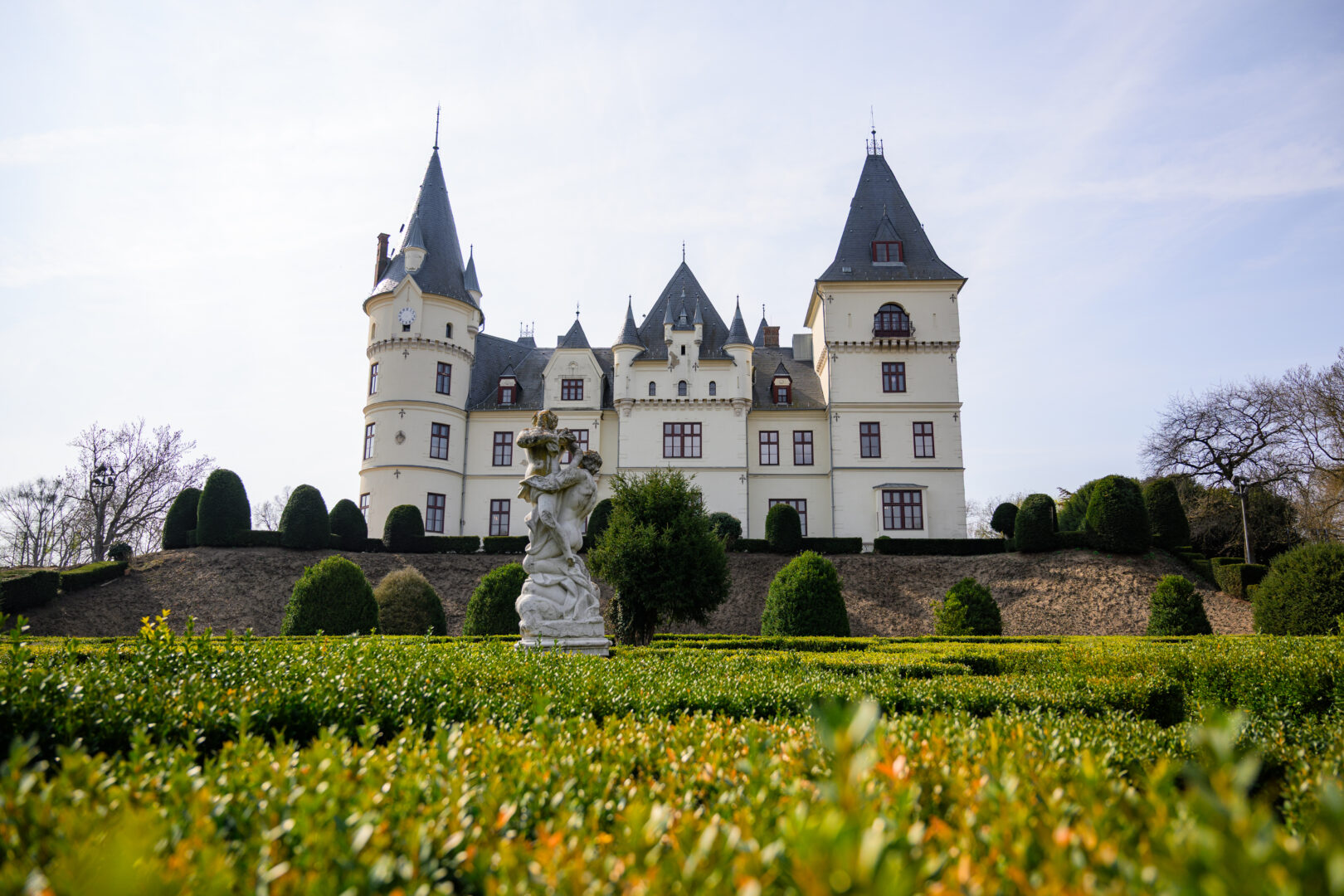
I’ve always believed that the best way to get to know a place is far from the spotlight. Off the beaten path, in the less visited corners, where remoteness brings a certain authenticity and the underdogs become protagonists. It’s hardly an original thought. There is a long tradition among travellers and writers of seeking out a country’s quieter corners, convinced that its character reveals itself more clearly away from centres of power and well-trodden routes. And, if I may add one more widely shared belief, few things tell you more about a place than its food. It is often through a meal, a local ingredient or a shared table that we begin to understand not only how people eat, but how they live.
One person who has made this approach a way of life in his native Hungary is László Ruprecht, known to everyone simply as Rupi. He has spent over a decade travelling across the country, driven by curiosity and a desire to understand and share its richness and diversity. Over time, he has built relationships with farmers, winemakers, restaurateurs and artisans, gradually weaving together a gastronomic network that stretches far beyond Budapest and into the towns, villages and landscapes where much of Hungary’s food culture is rooted.
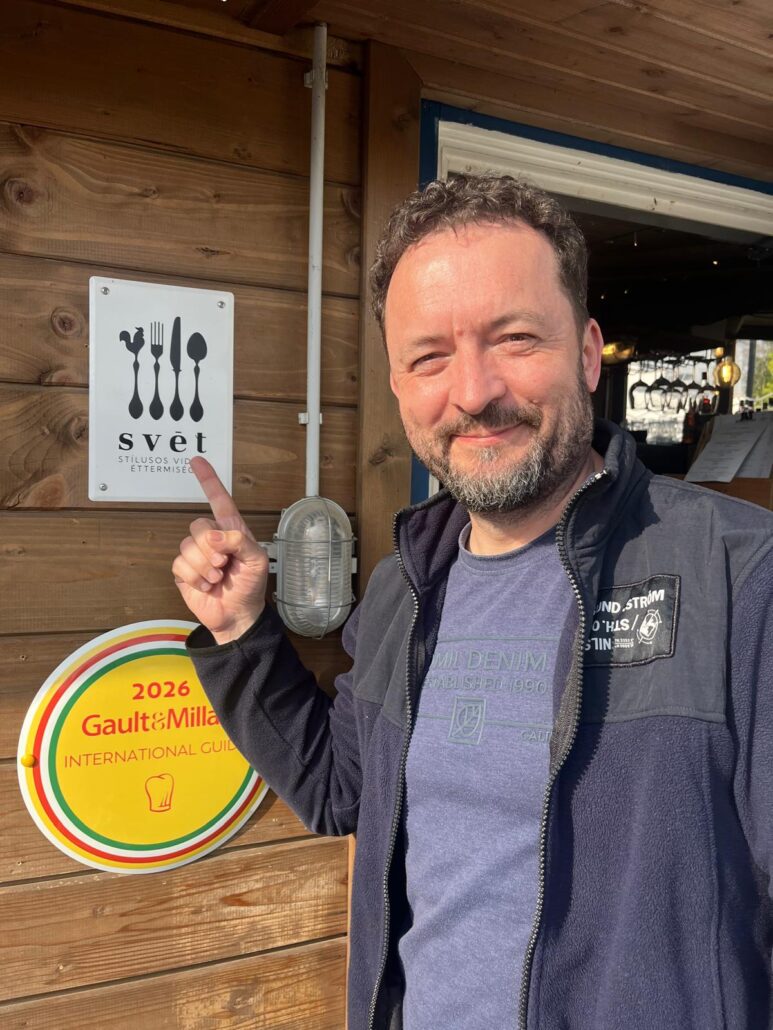
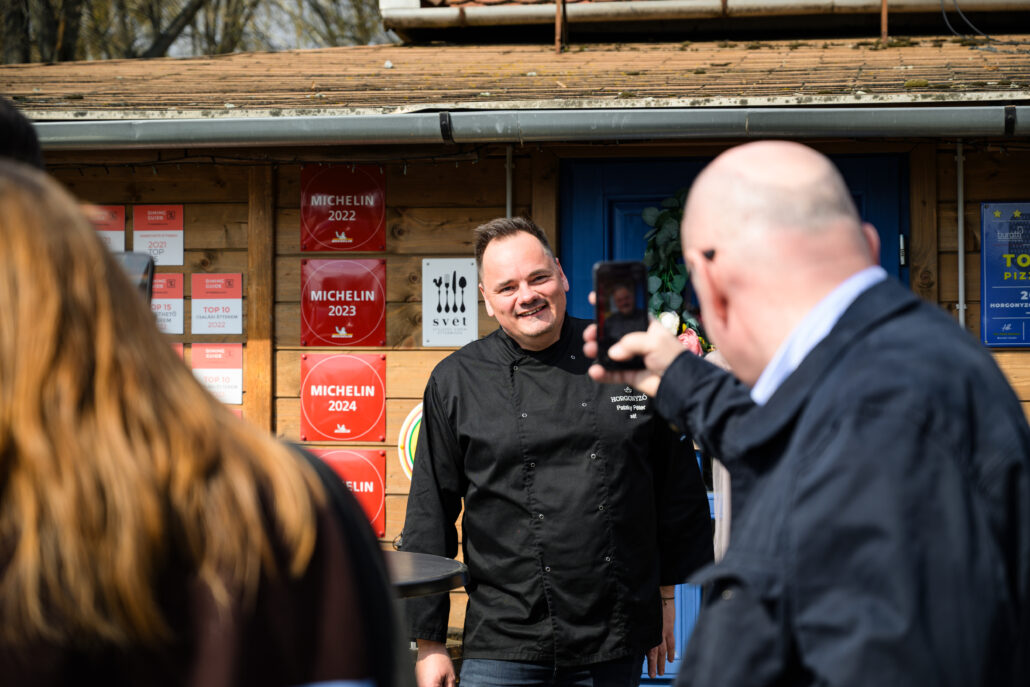
That spirit eventually found like-minded people and was given a name: SVÉT, which stands for Stylish Rural Restaurants Association. What began as a group of restaurateurs organising dinners together and championing rural gastronomy evolved into a broader movement.
Today, SVÉT is not only a network of restaurants but a platform connecting chefs, producers and regions, built on the belief that every corner of Hungary has a lot to share.
And according to Rupi, understanding Hungarian cuisine means understanding that Hungary itself has always been a crossroads.
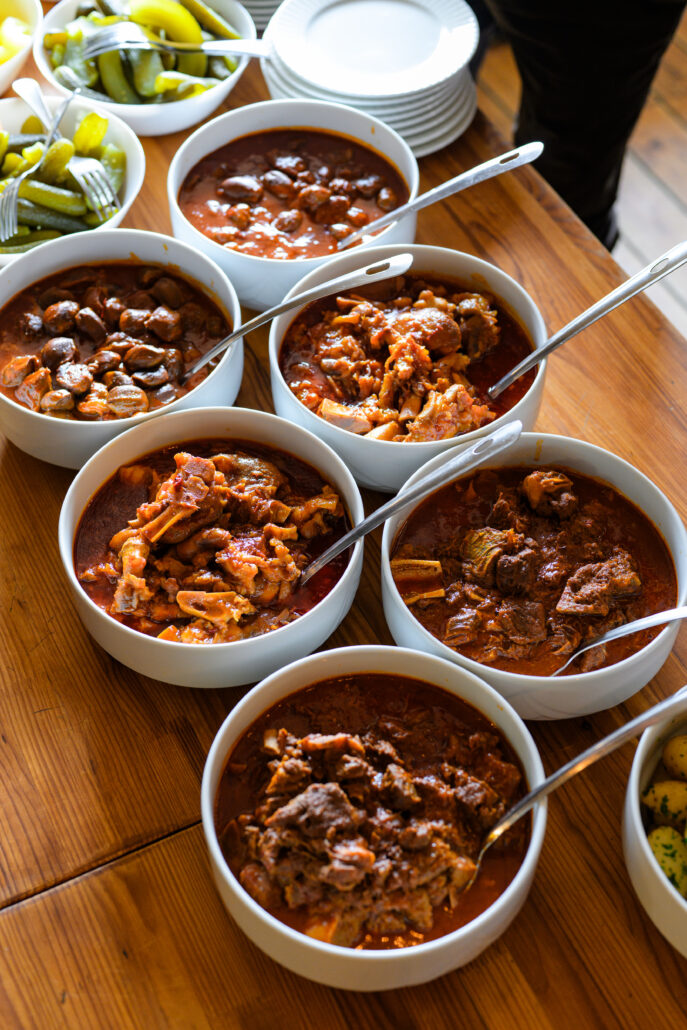
Without turning this into a history lesson, it’s important to understand that much of Hungarian cuisine today is the result of the different peoples who have passed through, settled in or conquered the region over many centuries. The story begins with the Magyar tribes, nomadic groups whose cooking revolved around movement and practicality, where food was prepared over open fires using simple techniques centred on boiling and slow cooking. The cauldron suspended above the flames remains one of the most enduring symbols of this heritage, and dishes such as goulash still carry traces of that pastoral way of life. Every region had its own version, shaped by whatever ingredients were available locally, resulting in a widespread cooking method rather than a fixed recipe.
The arrival of Christianity brought the first major transformation. When Hungary’s first king adopted the new religion around 1000 AD, influences arrived from Central Europe, while monks and nuns introduced new agricultural and gardening techniques. The country would continue to absorb new ideas and traditions for centuries to come.
Another turning point came in 1476, when King Matthias Corvinus married Beatrice of Aragon, a Neapolitan princess who brought the Italian Renaissance directly to the Hungarian court. Along with her arrived scholars, artists, architects, books, customs and, inevitably, food. Italian influences began to reshape courtly life, introducing new dining rituals, pastries, doughs, sauces and a more sophisticated approach to cuisine. Under Matthias and Beatrice, Hungary became one of the first regions north of the Alps to embrace Renaissance culture, leaving a lasting mark on its gastronomic identity.
Then came roughly a century and a half of Ottoman rule, at the turn of the 16th and 17th centuries. The period introduced ingredients and techniques from the East, including eggplants and, perhaps most importantly, paprika – a product that would eventually become one of the defining symbols of Hungarian cuisine. This was also the period when pork gained an increasingly important role in the Hungarian diet. Because the Ottoman rulers did not consume pork for religious reasons, pigs became a practical and strategic source of food for local communities. Unlike other livestock, they were less likely to be seized during raids and occupations, allowing Hungarians to raise, cure and preserve meat with greater security.
The Austro-Hungarian period added yet another layer, bringing French-inspired aristocratic cuisine through Vienna and exposing Hungary to influences from across the empire. Yet two culinary worlds continued to exist side by side: the elaborate cuisine of noble households and the practical, seasonal cooking of rural communities. The twentieth century brought further change, and the socialist period created a cuisine shaped by scarcity. Resources were limited, improvisation became essential, and many dishes still considered traditional today were actually created or codified during those decades. Some were even given regional names that suggested a much older history than they truly possessed. More recently, the opening of borders after Hungary joined the European Union triggered another shift. International ingredients and trends flooded into the country, and around 2004 and 2005 many chefs looked outward, embracing products that had previously been inaccessible. Local ingredients and traditions often seemed old-fashioned by comparison.
Today, however, Rupi believes the pendulum is swinging back. After decades of looking elsewhere, Hungarian gastronomy is once again turning towards its own landscapes, ingredients and traditions. Not in search of nostalgia, but in an effort to better understand what Hungarian cuisine really is. A cuisine shaped by nomads and monks, Ottoman gardeners and Italian courts, coffee houses and village kitchens, scarcity and abundance. A cuisine that, much like the country itself, has always been defined by movement, adaptation and exchange.
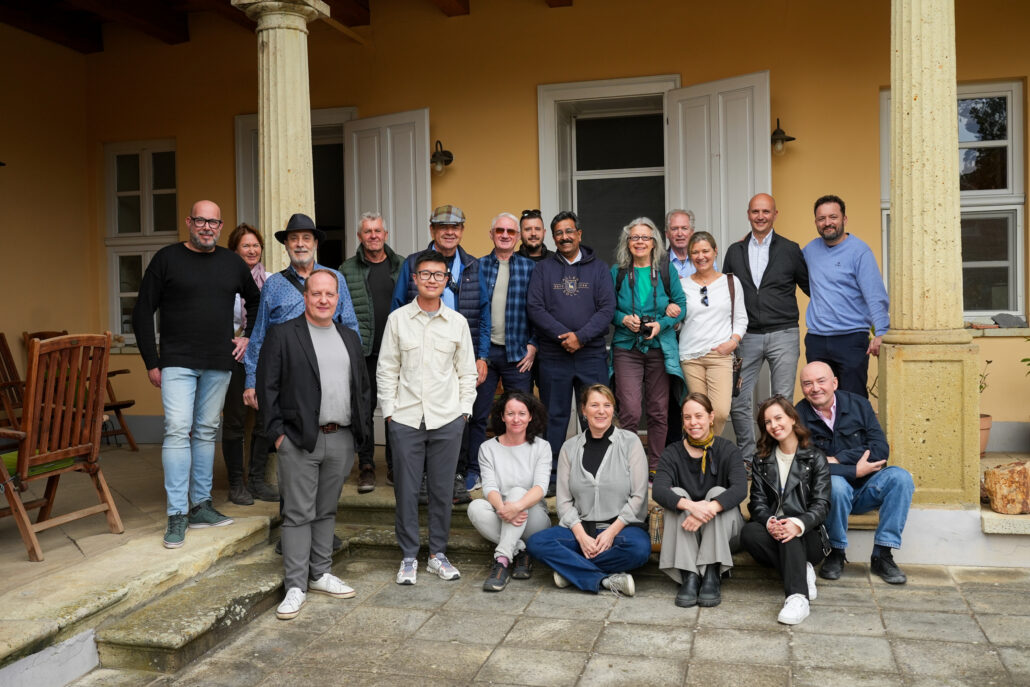
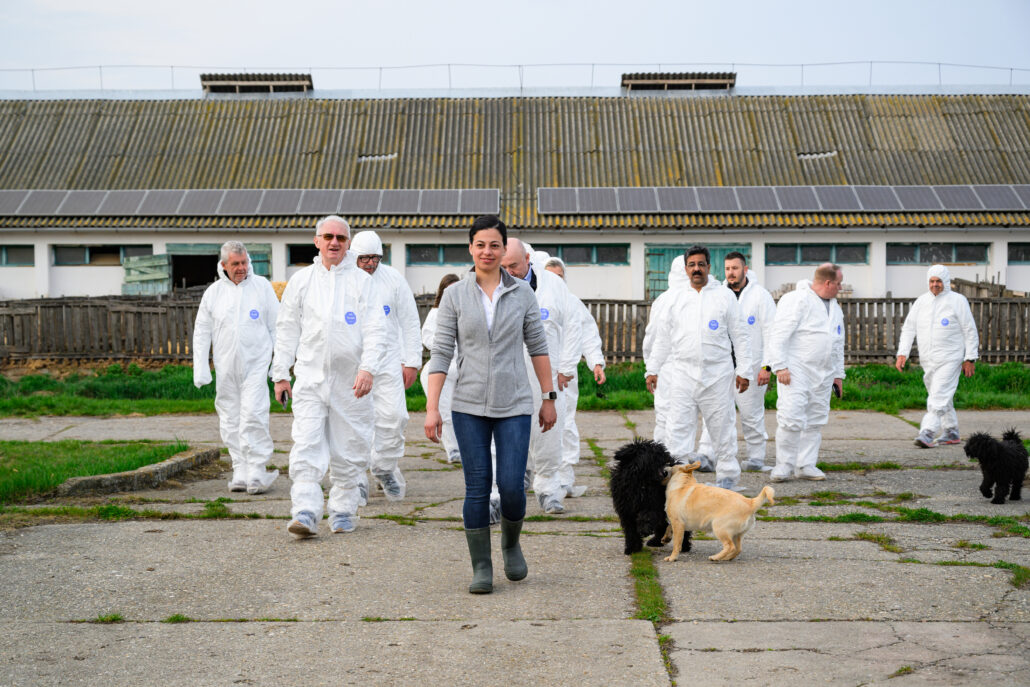
It is precisely from this desire to reconnect with Hungary’s culinary roots that the Table of Origins project was born. Conceived by Rupi and SVÉT, the initiative was never intended as a conventional press trip or a chef exchange. Rather, it was designed as an immersive week-long journey through rural Hungary, reaching as far as the country’s eastern borderlands and bringing together chefs and journalists from around the world.
The trip could sound like the beginning of a joke: What are a former chef to the British royal family, a Finnish Bocuse d’Or mentor, a Singaporean executive chef, a Spanish Michelin-starred chef, and an Indian culinary academic doing on a bus along with local hosts and a couple of journalists from Sweden, Germany, Croatia and Italy?
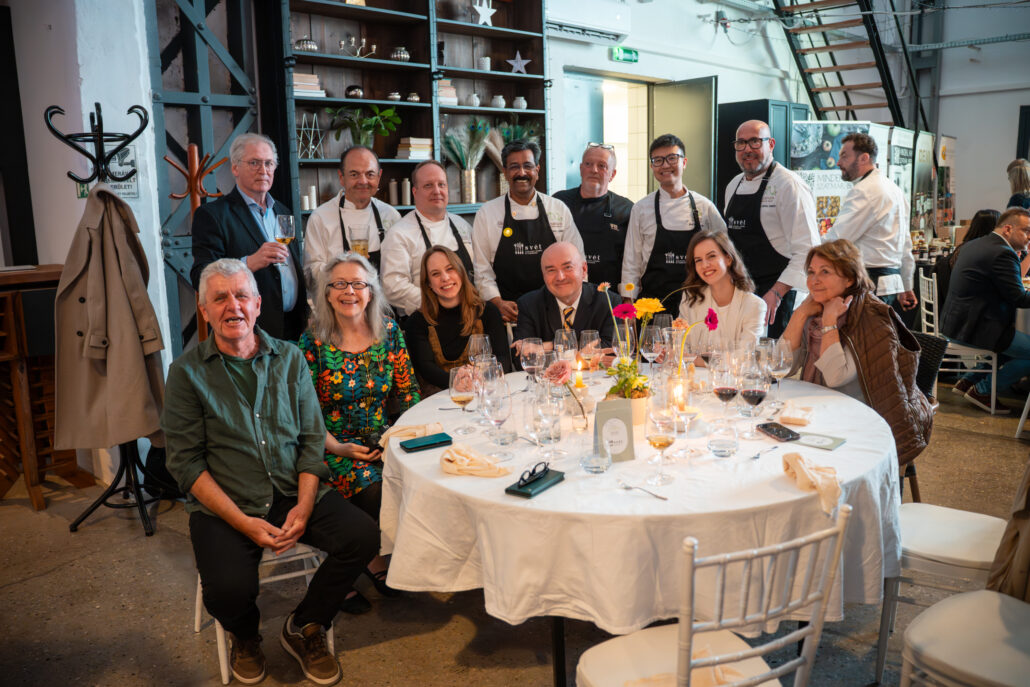
In reality, the goal was not to showcase a polished version of Hungary, but to reveal the country through the people who shape it every day and to understand where ingredients come from, how traditions evolve, and why certain flavours continue to define a culture. Only at the very end, would the chefs be asked to cook.
We discovered that goose or duck liver – or libamáj in Hungarian – is not a French import or a luxury reserved for special occasions, but a deeply rooted part of the country’s culinary identity (it appeared on more menus than we could count). It was also one of the first moments in which we realised that Hungarians may not always be the loudest advocates for their own gastronomic heritage. Goose farming has been part of life in the Carpathian Basin for centuries, with roots stretching back well over a thousand years. Hungary is also one of the world’s leading producers and exporters of foie gras, alongside France and Israel, supplying restaurants and fine-dining kitchens across the globe.
Another discovery revolved around Tokaji, Hungary’s most internationally recognised wine. For many people, the name immediately evokes Tokaji Aszú, the historic sweet wine which – no surprise – still happens to be a perfect companion to foie gras. Yet spending a morning at Szepsy Winery revealed a far more complex story.
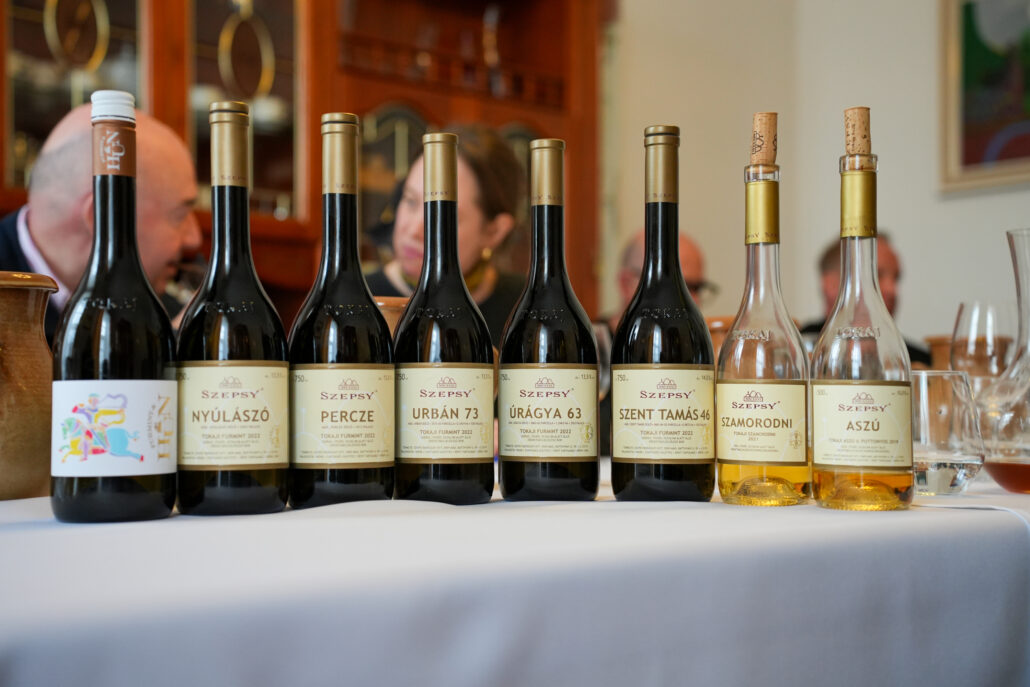
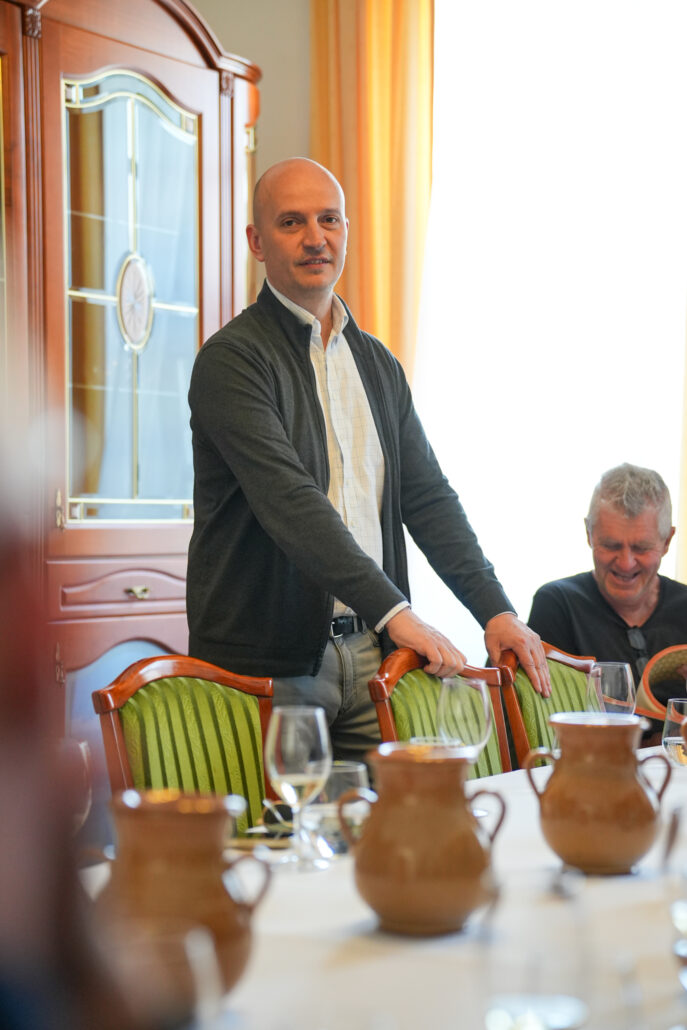
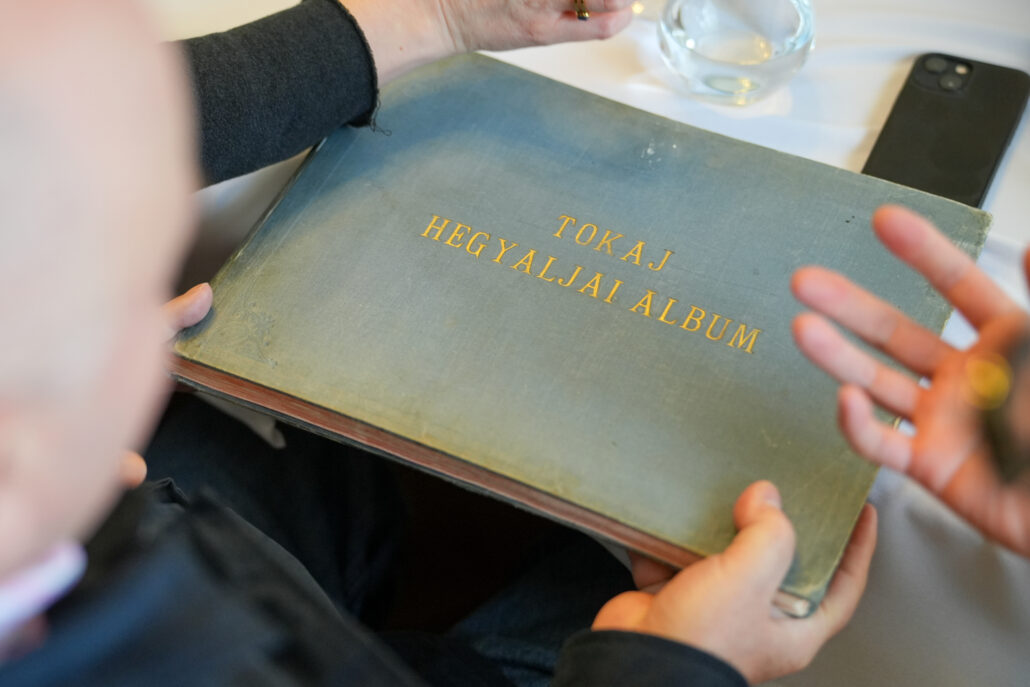
The Tokaji region is shaped by an extraordinary geological heritage. Hundreds of extinct volcanoes and thousands of smaller volcanic formations have left behind a mosaic of soils, fractured rock and well-drained bedrock that provide ideal conditions for viticulture. It is here that Furmint, the region’s flagship grape, found its natural home. Not because it was selected by man, but because it adapted exceptionally well to the landscape. If Tokaji is often associated with sweet wines, Szepsy has played a central role in demonstrating the potential of its dry expressions. The family has cultivated some of the region’s oldest vineyards and helped establish dry Furmint as one of Hungary’s most important contemporary wines. As we tasted our way through a range of bottlings with István – from younger vineyard blends to increasingly precise single-vineyard selections – it became clear that Tokaji is not simply a wine style but a place, expressed through different sites, vine ages and geological conditions.
The irony is that Tokaj’s reputation is both immense and surprisingly fragile. The region’s vineyard classification system predates Bordeaux by more than a century, yet outside wine circles its significance often remains overlooked. As one producer put it, many people know about Hungarian wine about as much as Hungarians know about Chinese tea. Meaning: not much at all. Education, therefore, has become just as important as production. The challenge is not only making great wines, but helping the world understand why they matter. Luckily, in recent decades that understanding has grown rapidly and today hundreds of producers work across the region, exploring its potential and contributing to a broader renaissance of Hungarian wine.
Fruit is another recurring thread in Hungarian food culture. Travelling through the north-east of the country, orchards seemed to appear everywhere, producing apples, sour cherries, apricots and local plums that are transformed into some of Hungary’s most treasured preserves. Traditional lekvár – slow-cooked fruit preserves, often prepared without added sugar – remains a source of local pride, carrying the flavours of the harvest through the seasons and offering yet another glimpse into the country’s deep connection to the land.
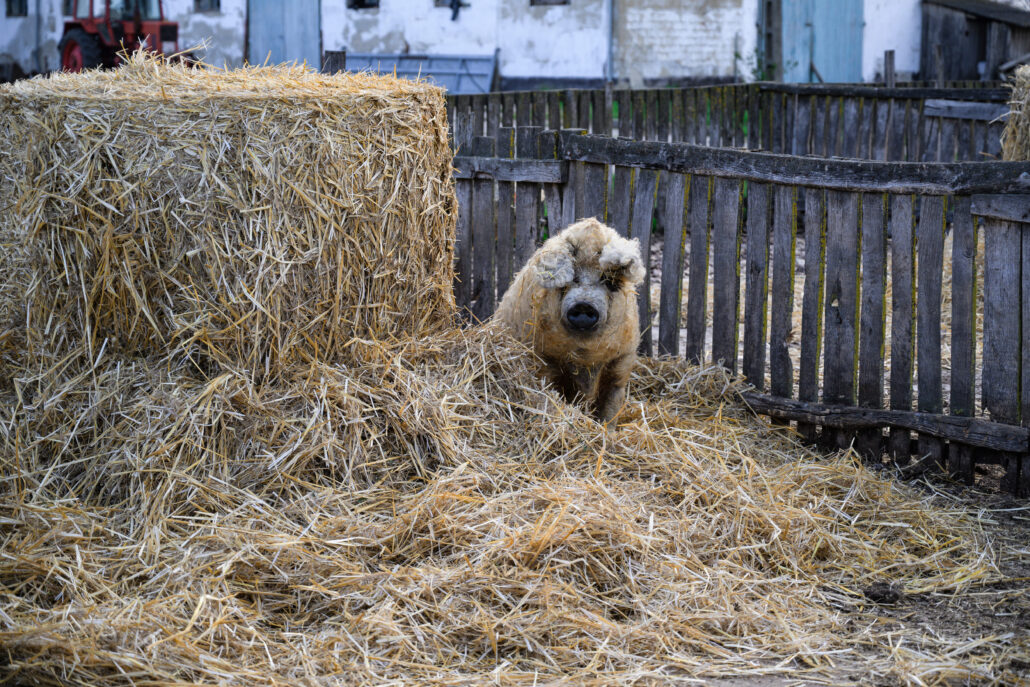
Paprika and pork may be two of the pillars of Hungarian gastronomy today, but as we discovered, both arrived and evolved through centuries of cultural exchange and adaptation. Among Hungary’s most celebrated pork products is Mangalica, the distinctive curly-haired breed developed in the nineteenth century and now prized by chefs around the world for its richly marbled meat.
We encountered it through Zsóka Fekete, a young female breeder whose story began almost by accident. What started as a few pigs kept to clear vegetation and consume kitchen scraps quickly turned into something much larger when she realised some of the animals were pregnant. Within months, a handful of pigs had become an entire herd. Today, on her farm in eastern Hungary, Zsóka raises Mangalica with a strong emphasis on animal welfare, traditional husbandry and respect for the breed’s heritage. Listening to her speak, it became clear that preserving a culinary tradition is not only about recipes or restaurants, but also about the people willing to dedicate their lives to keeping these products alive.
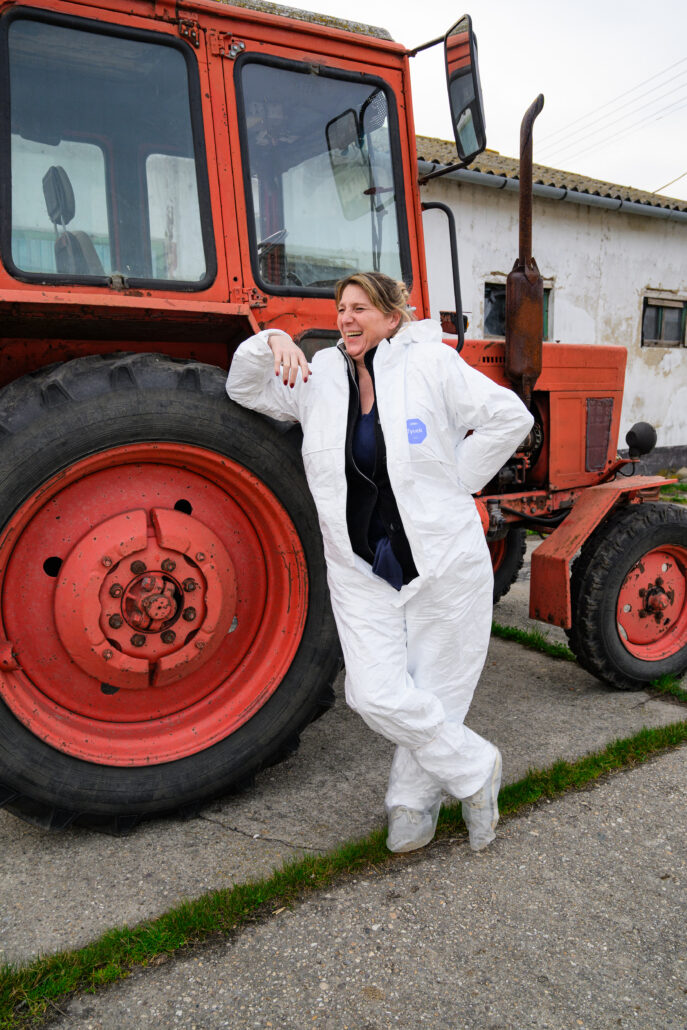
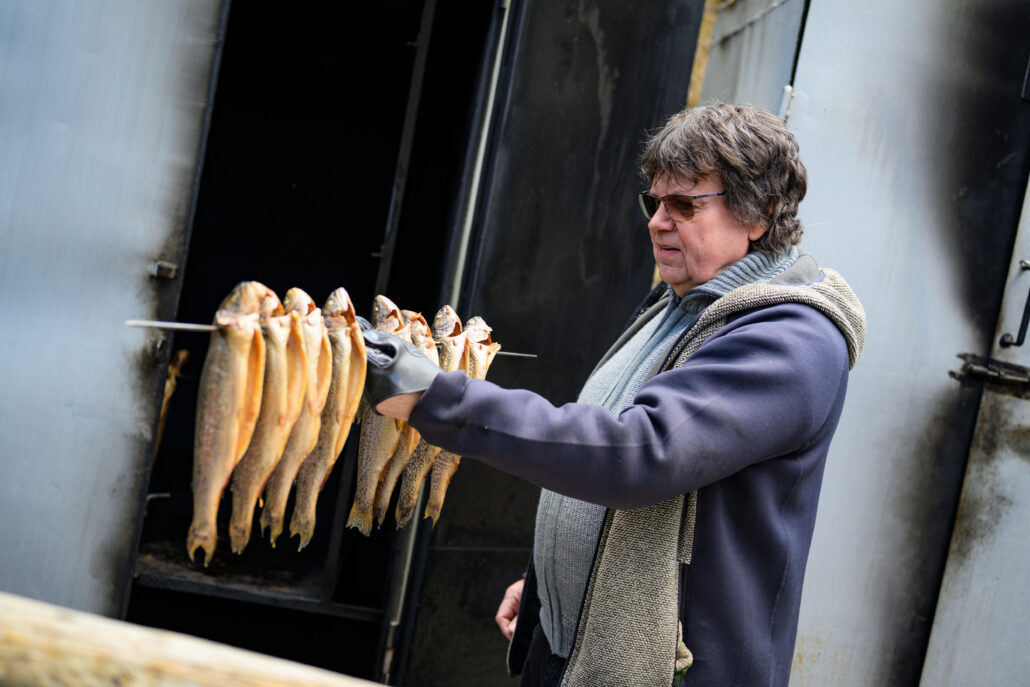
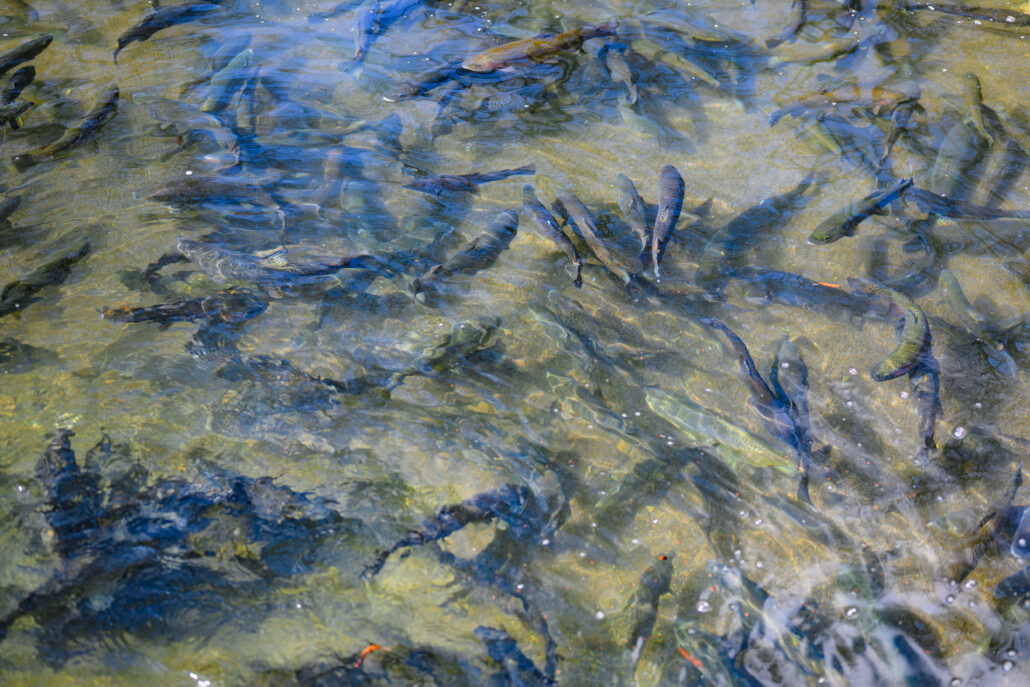
And the list of memorable encounters could go on: Tamás Sáfrány, whose trout are raised in the clear waters of the Bükk forests before being traditionally smoked over beechwood; Tamás Sándor, a cheesemaker who returned from Switzerland to build a dairy in the Bükk mountains, where the mineral-rich pastures leave their mark on every wheel of cheese; the sturgeon farmers of Túristvándi, preserving one of Europe’s oldest fish species near Hungary’s eastern borders.
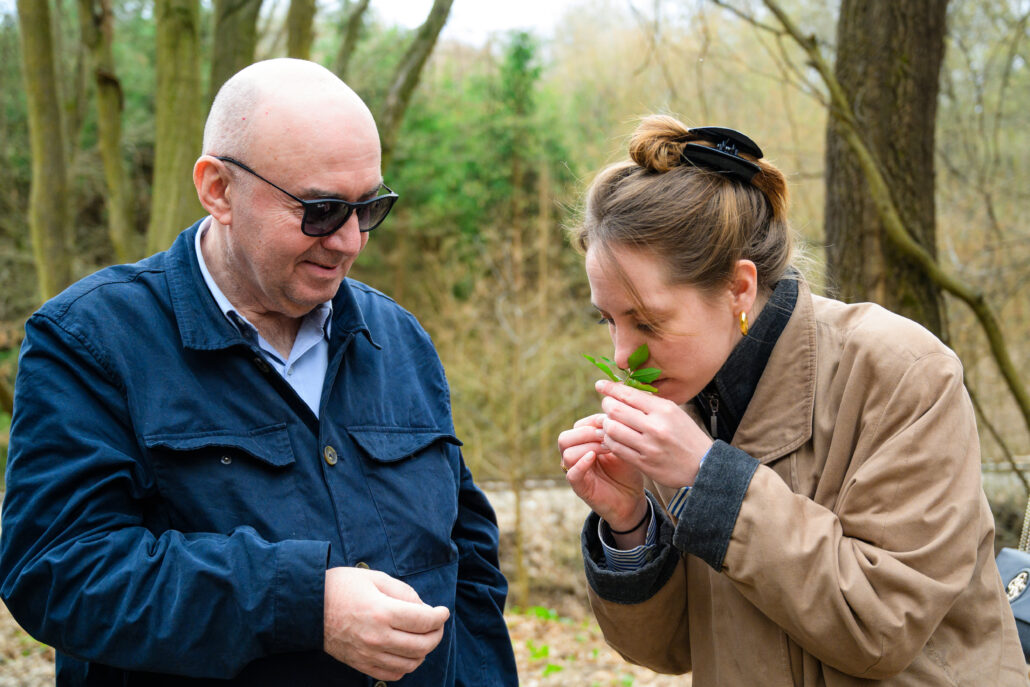
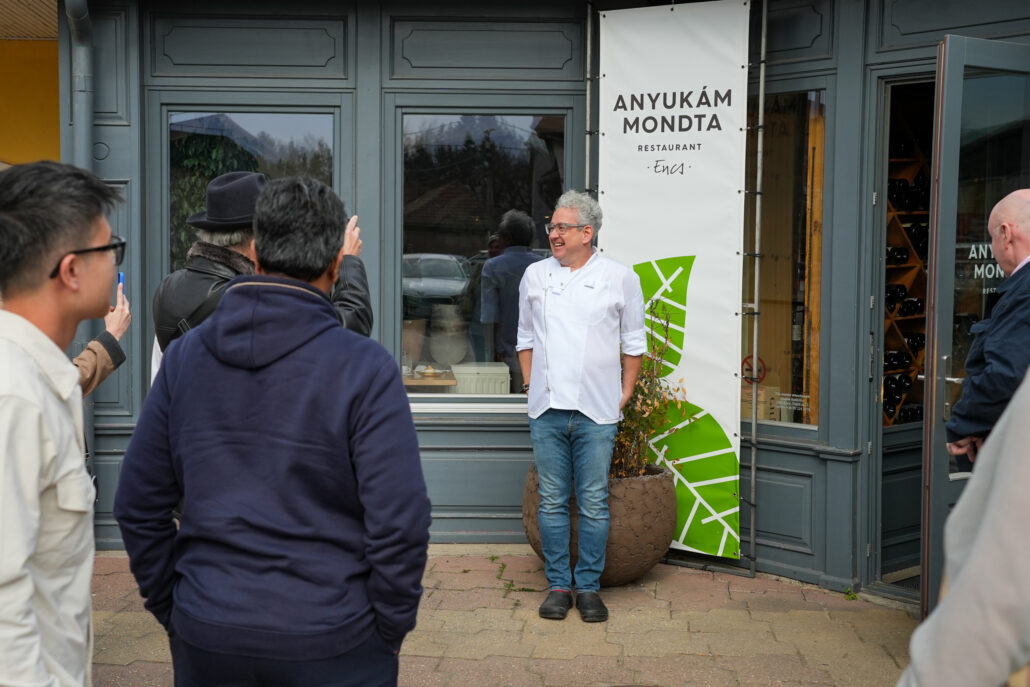
The journey was equally shaped by the many chefs who welcomed us into their restaurants and kitchens, often in small towns far from the capital. Some had spent time abroad before returning home, choosing to invest in their own regions and helping to build a decentralised gastronomic landscape, in an effort to preserve, reinterpret and give new life to Hungary’s rural food heritage. And these were the very people who, at the end of the journey, would step into the kitchen alongside the international guests.
After a week spent travelling, tasting and learning, the journey eventually returned to Eger HQ, where it had begun. In nearby Noszvaj, Nomád Hotel & Glamping became a kind of temporary home. With its cottages and treehouses tucked into the forest and common spaces that feel more like a friend’s living room than a hotel, it has an almost fairytale-like atmosphere. Led by the ever-energetic Barbara Balogh, whose warmth and hospitality helped hold the entire experience together, it embodied many of the values we had encountered throughout the trip: a contemporary outlook rooted firmly in place.
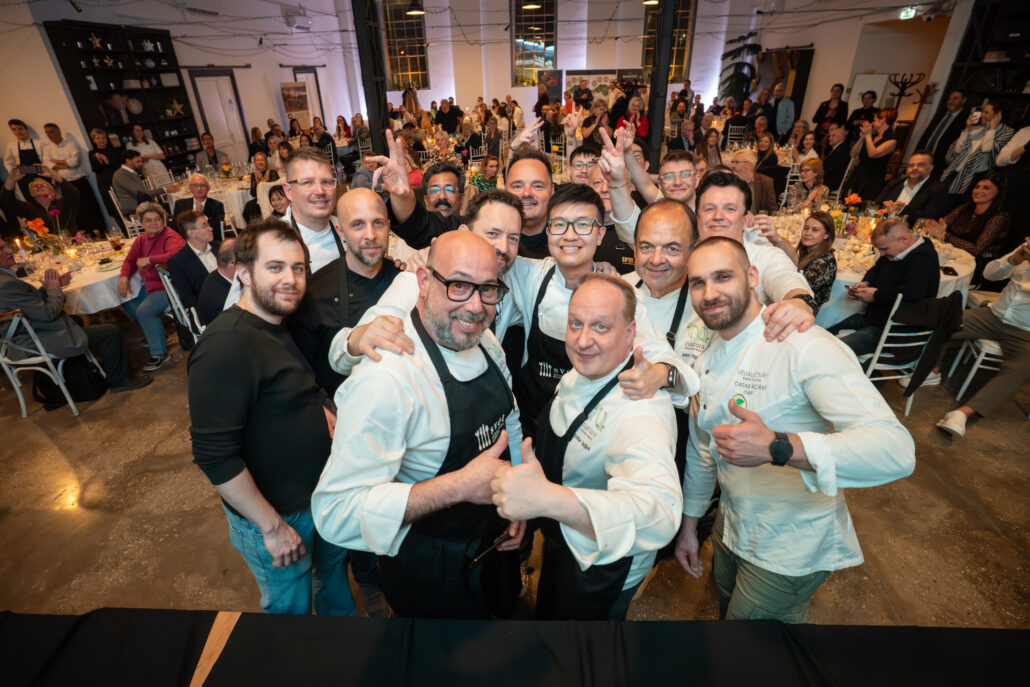
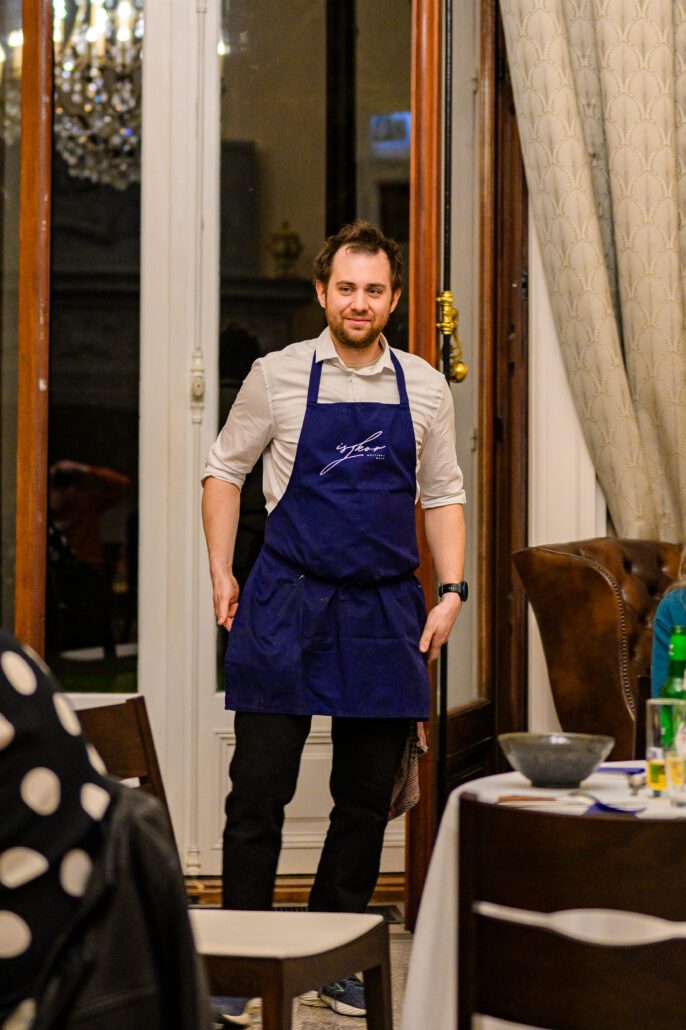
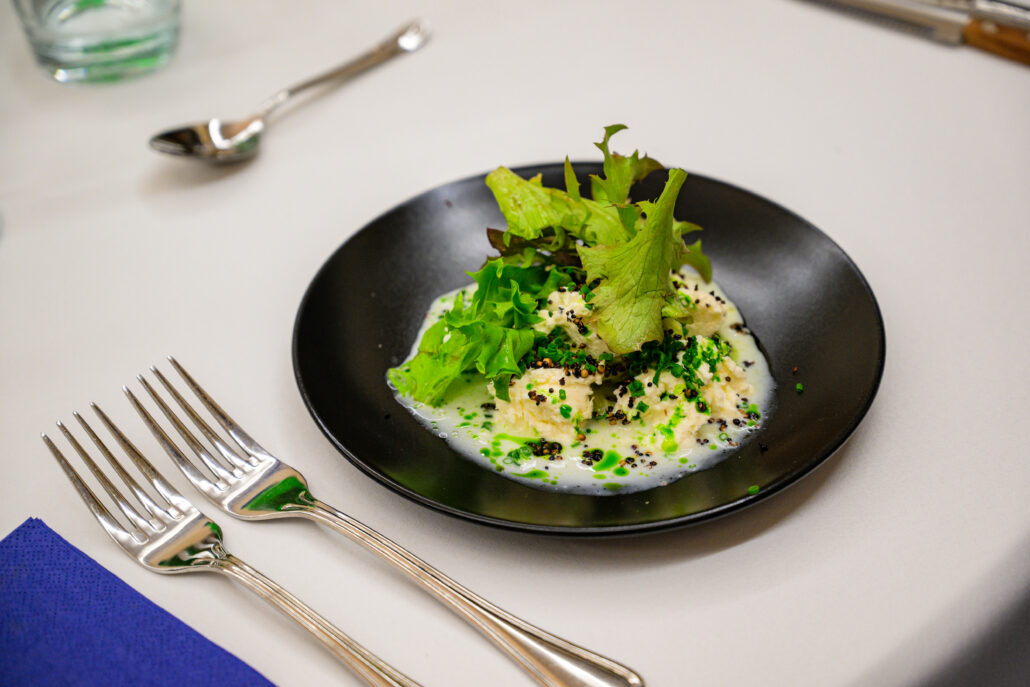
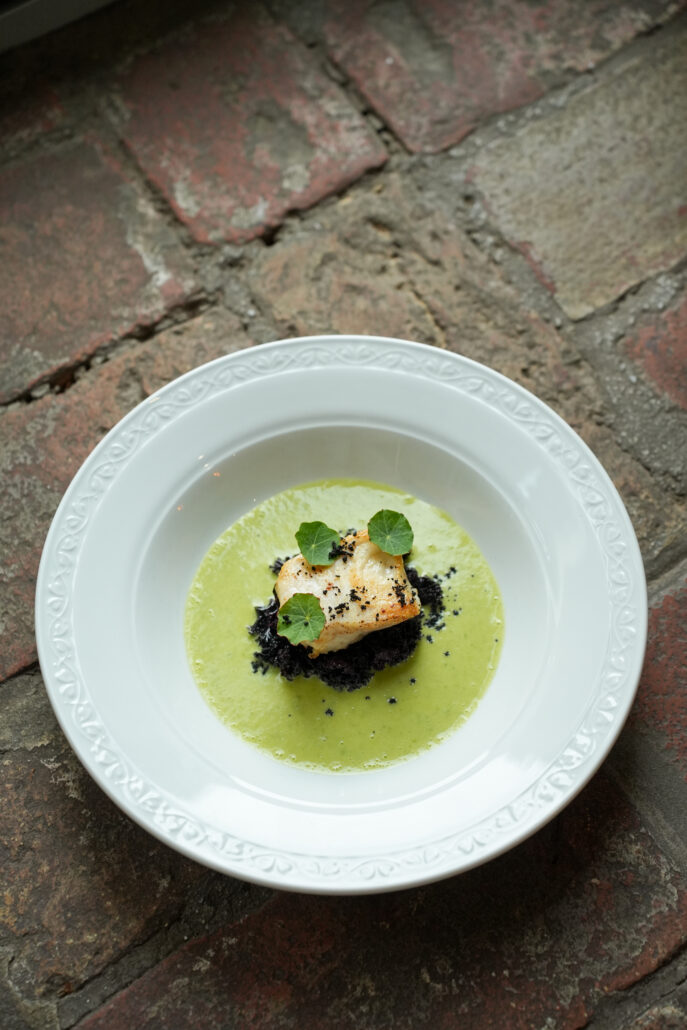
The final dinner brought all of those threads together. The international chefs were paired with Hungarian counterparts and invited to create dishes inspired by the ingredients, products and stories they had encountered throughout the week. It was an international dialogue, and the culmination of hundreds of kilometres travelled across the country.
Franck Mathieu, who had arrived with a group of French culinary students, joined forces with Riz Tamás of Mirage Restaurant (Hajdúszoboszló) to open the evening with a mangalica pâté, honey and Provençal-inspired lángos, Hungary’s beloved deep-fried flatbread. Professor Atul A. Gokhale drew on Indian flavours while embracing one of Hungary’s most familiar ingredients, cottage cheese, combining it with garden fruits and herbs alongside chef Tóth Dávid.
Singaporean chef Aaron Wong Chee Yee was entrusted with sturgeon from Túristvándi, which he transformed into a dish with laksa nage and lemongrass espuma together with chef Pataky Péter of Horgonyzó (Kisvendégló). Rubén Sánchez-Camacho drew on familiar Mediterranean flavours, pairing lamb, mangalica and garlic alongside Pohner Ádám of Iszkor (Mályinka). John Higgins worked with mangalica cheek, blood sausage and curd cheese together with Macsinka János of Macok Bistro (Egerszalók), while Kristian Vuojärvi turned to venison and forest berries with the support of Darab Ádám of Végállomás (Miskolc).
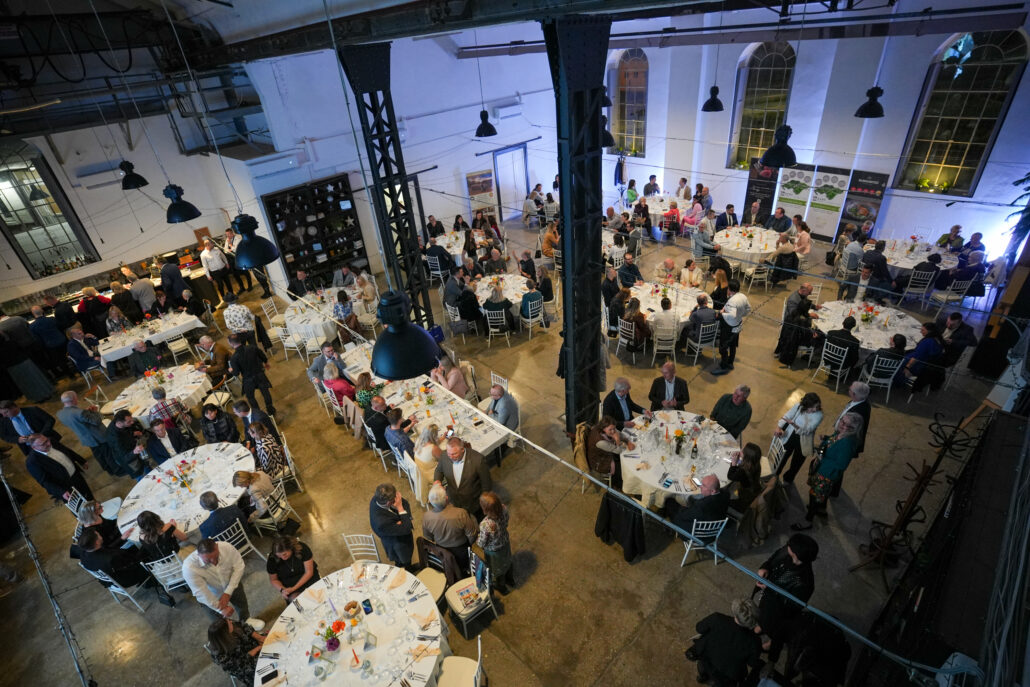
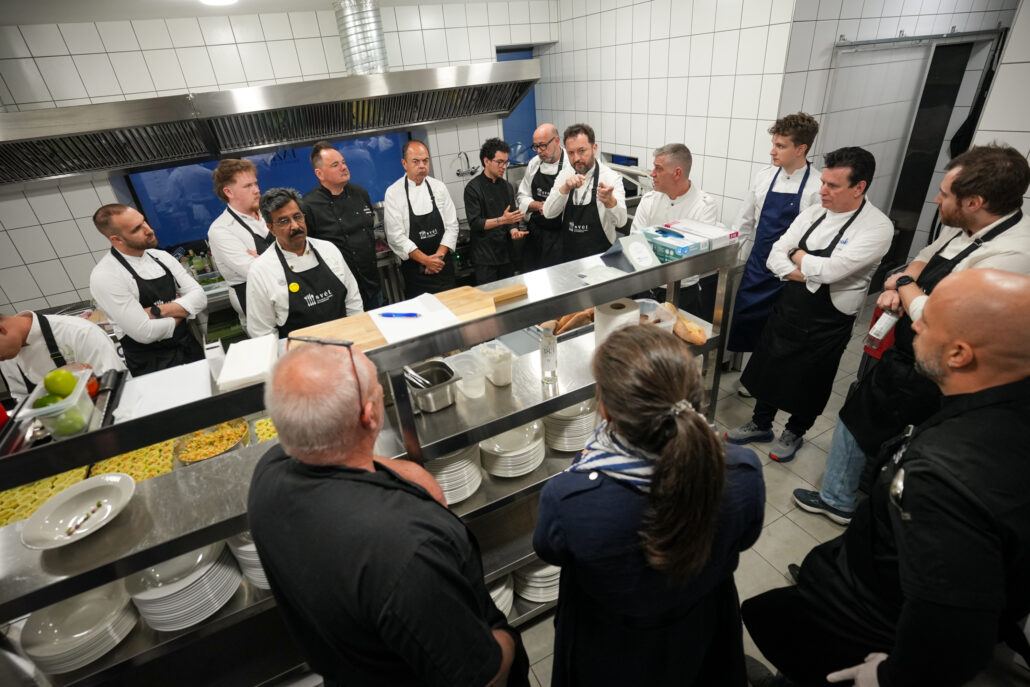
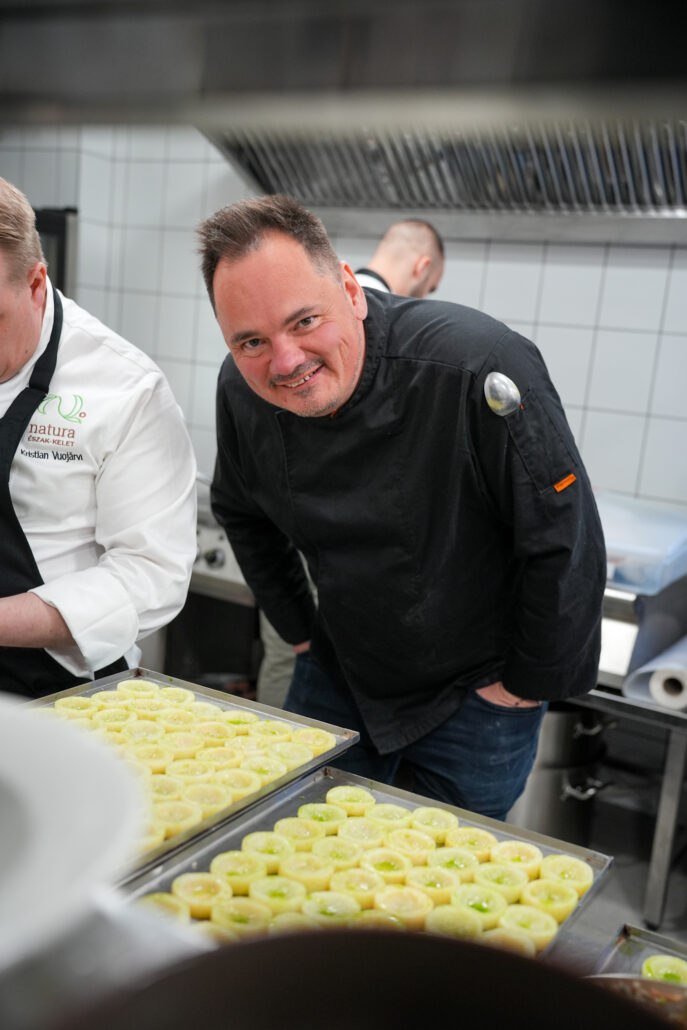
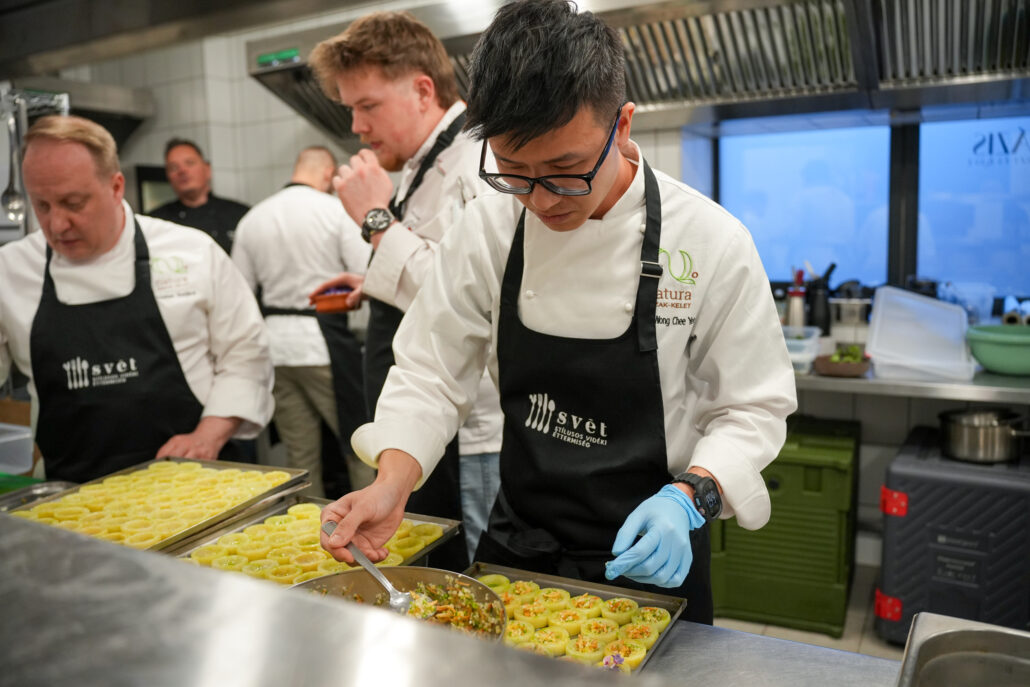
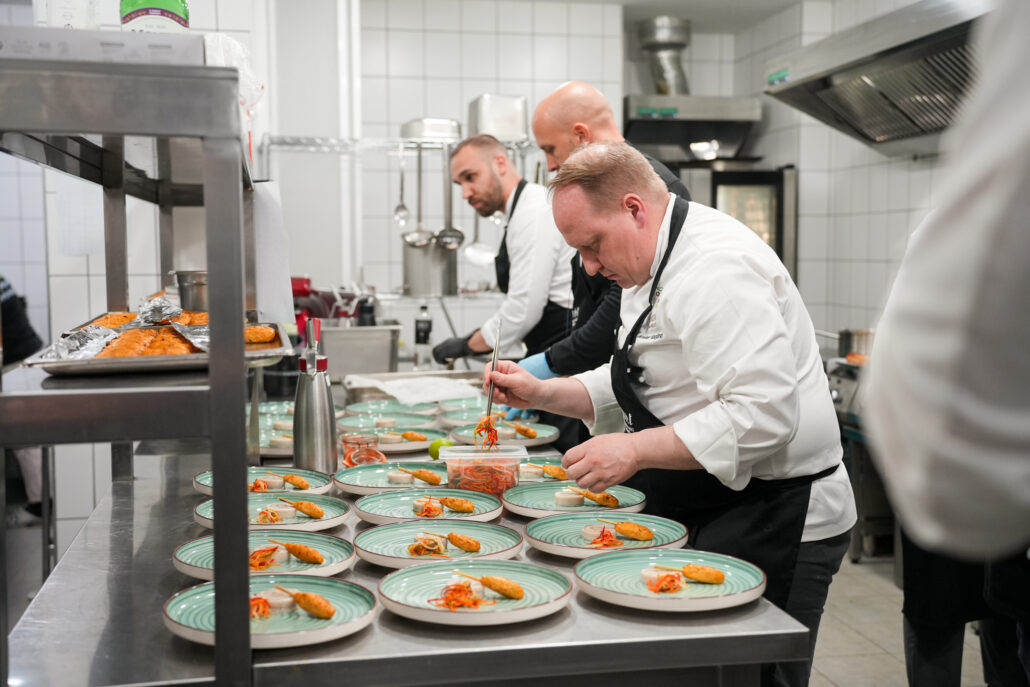
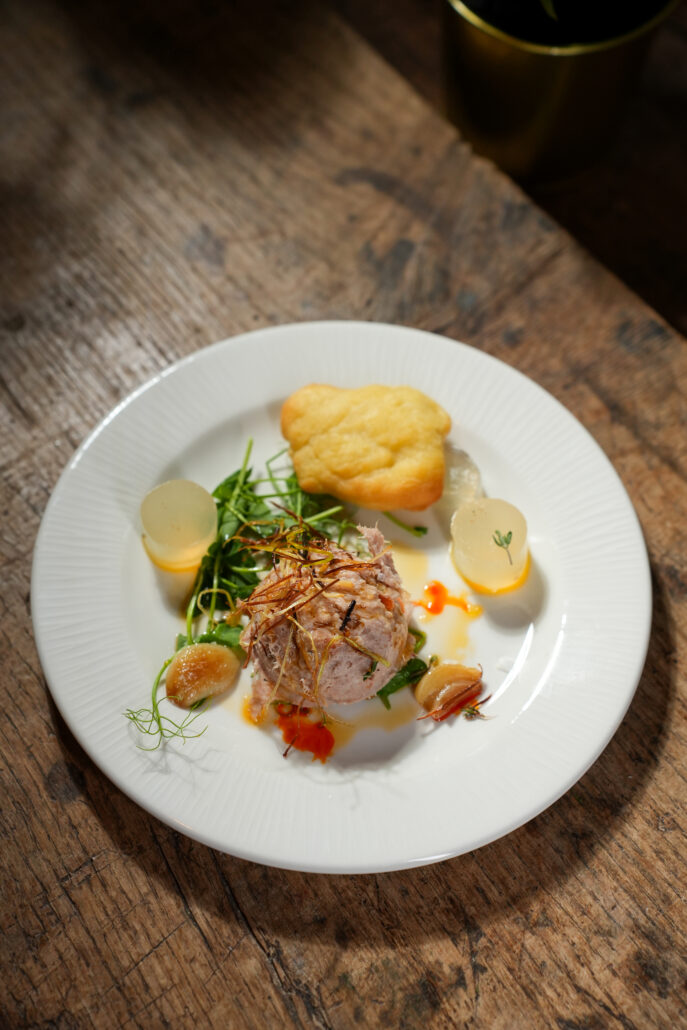
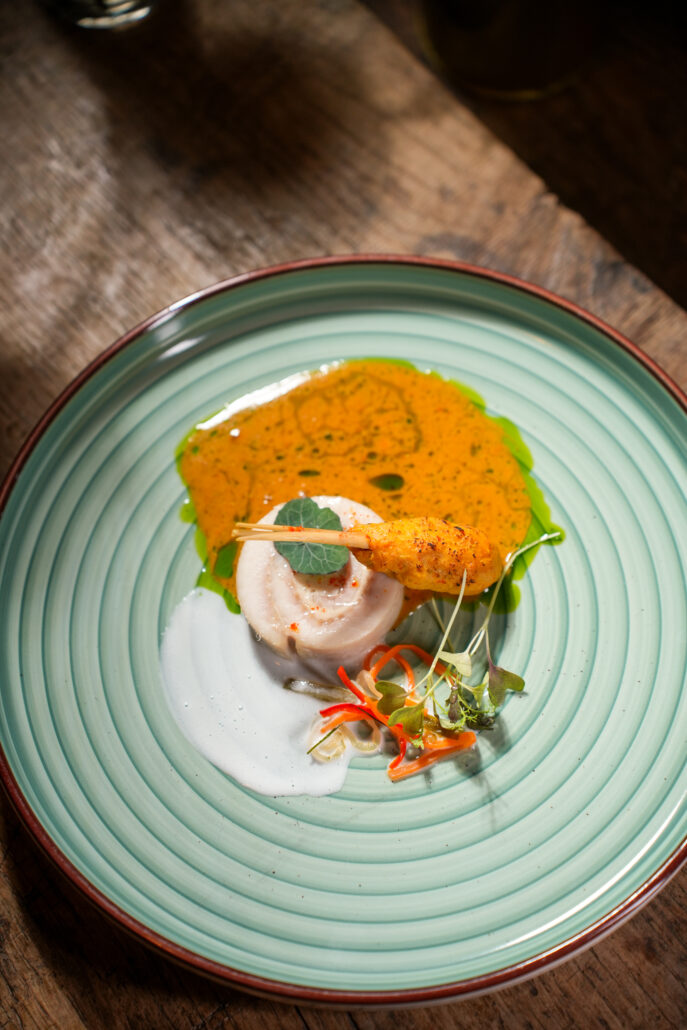
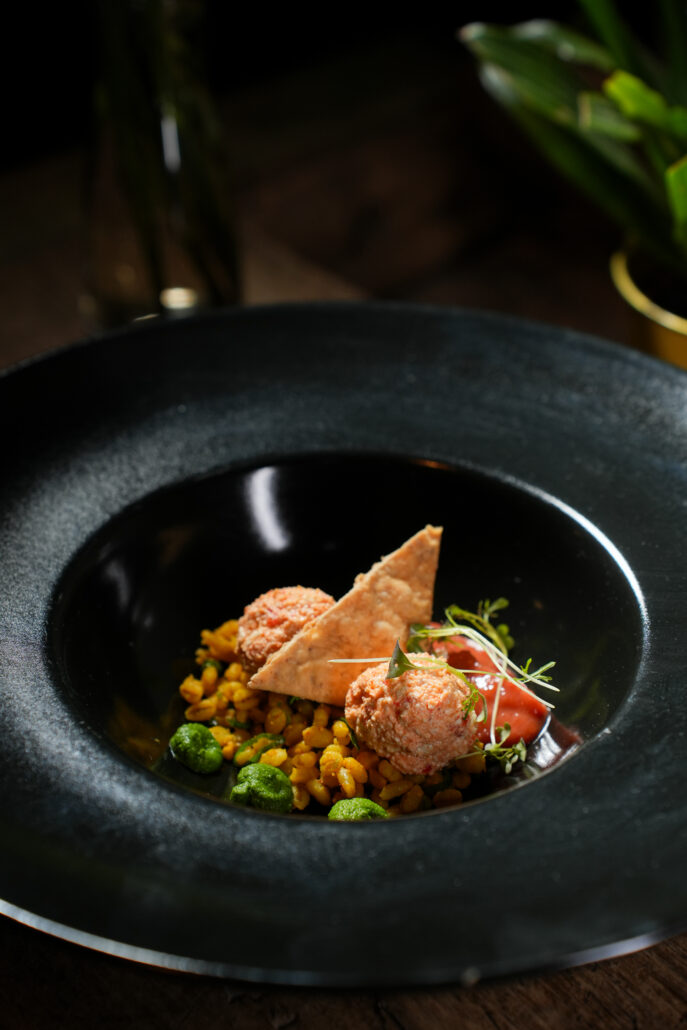
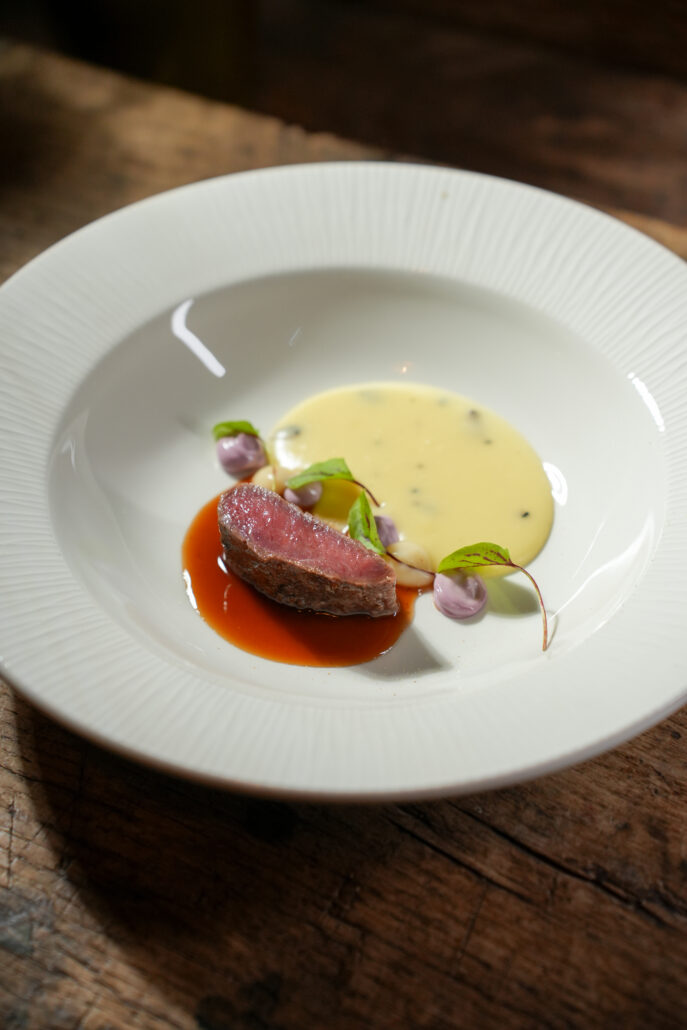
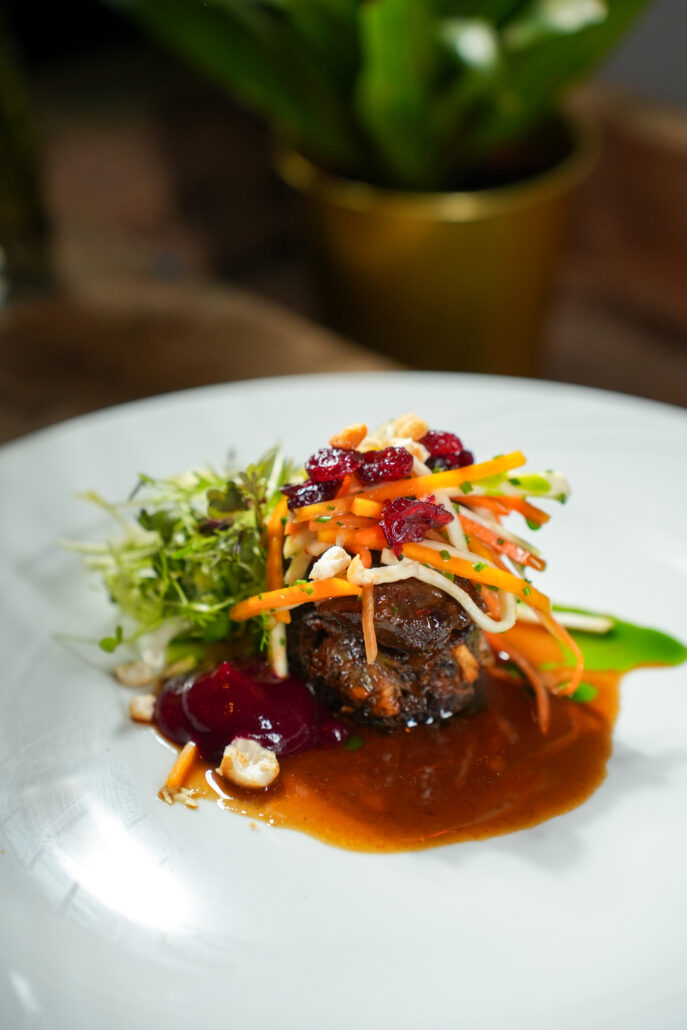
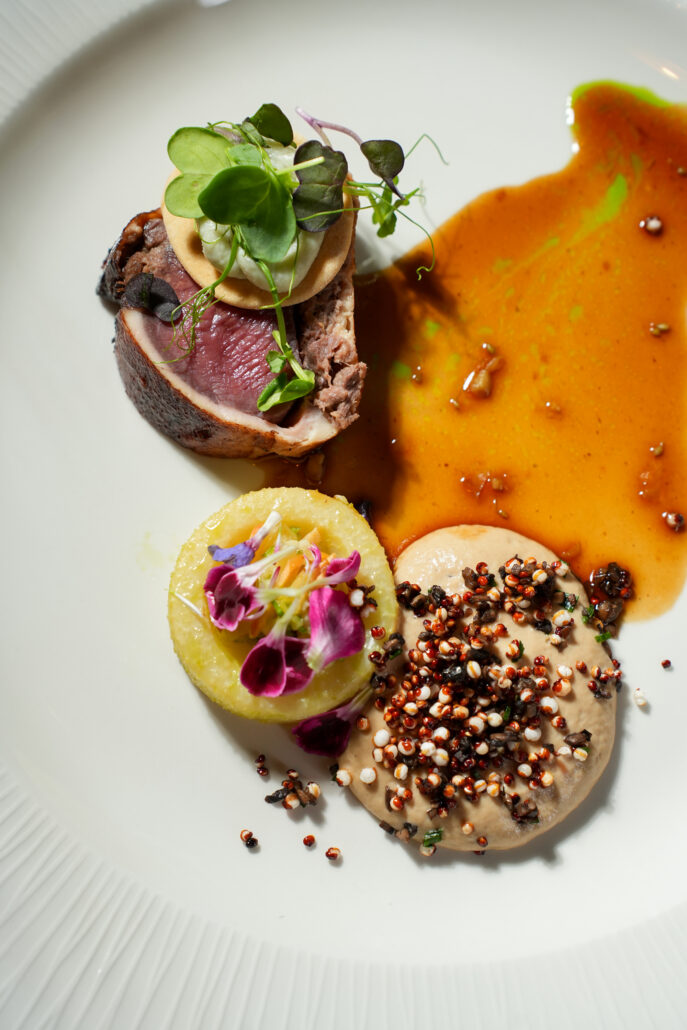
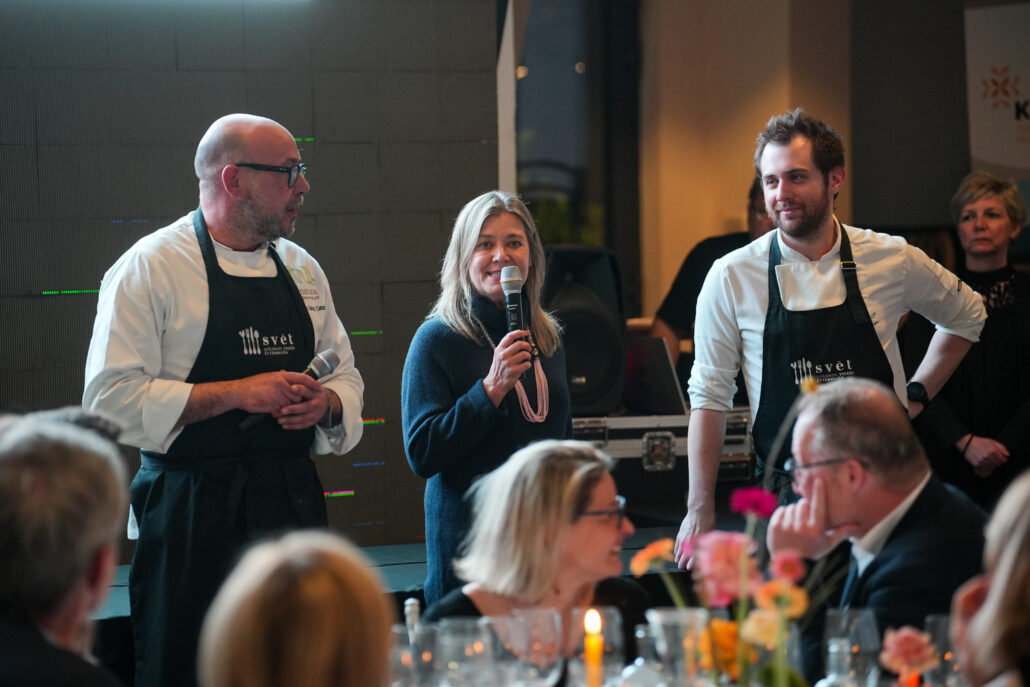
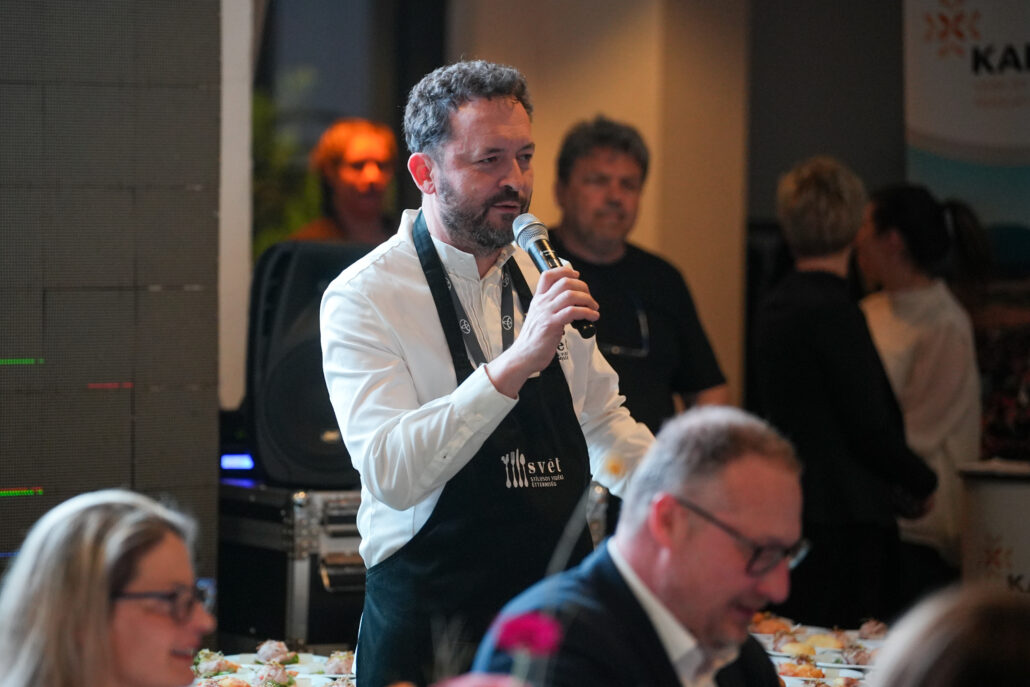
Beyond the menu itself, what emerged was something perhaps even more interesting: a genuine exchange between cultures. Indian spices, Singaporean flavours, French traditions and Nordic influences met Hungarian ingredients that, only days earlier, we had seen growing in orchards, swimming in rivers, ageing in cellars or being carefully raised on farms.
This, perhaps, is the real strength of Table of Origins, and of Rupi’s vision more broadly. Not simply introducing visitors to Hungary, but creating the conditions for meaningful encounters. In the end, I’m still convinced that it is the best way to get to know a country, and the people who call it home.