Portugal is many things. It’s sun and beaches, surf and wine, seafood and pastel de nata. But beneath the surface – or rather, beyond the coastline – it is so much more. With 80–85% of the population living within 50 km of the Atlantic strip, it’s easy to overlook the rest, which is something of a paradox given that it makes up the majority of the country. The inland is diverse and, unsurprisingly, rural, yet rich in history, exceptional produce, and warm, welcoming people. It is vast, at times untamed, with striking landscapes that don’t demand attention but undoubtedly deserve more of it.
Like many of life’s most rewarding experiences, it takes a certain curiosity to venture off the beaten path, but once you do, it is always well worth it.
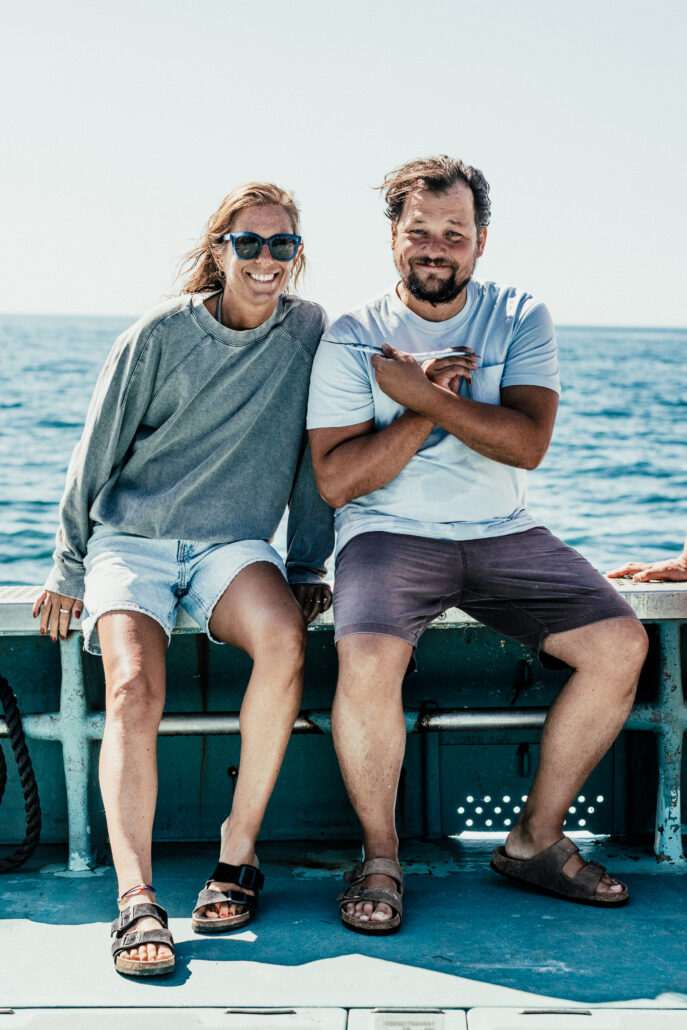
This perspective doesn’t come by chance, it was shaped by two local hosts, guides, pioneers: João and Vânia Rodrigues. The two met many years ago, when she was working in large-scale gastronomic events and he, well, he was cooking. Today, they are partners in both life and business, united by a shared passion for the rich diversity of their country.
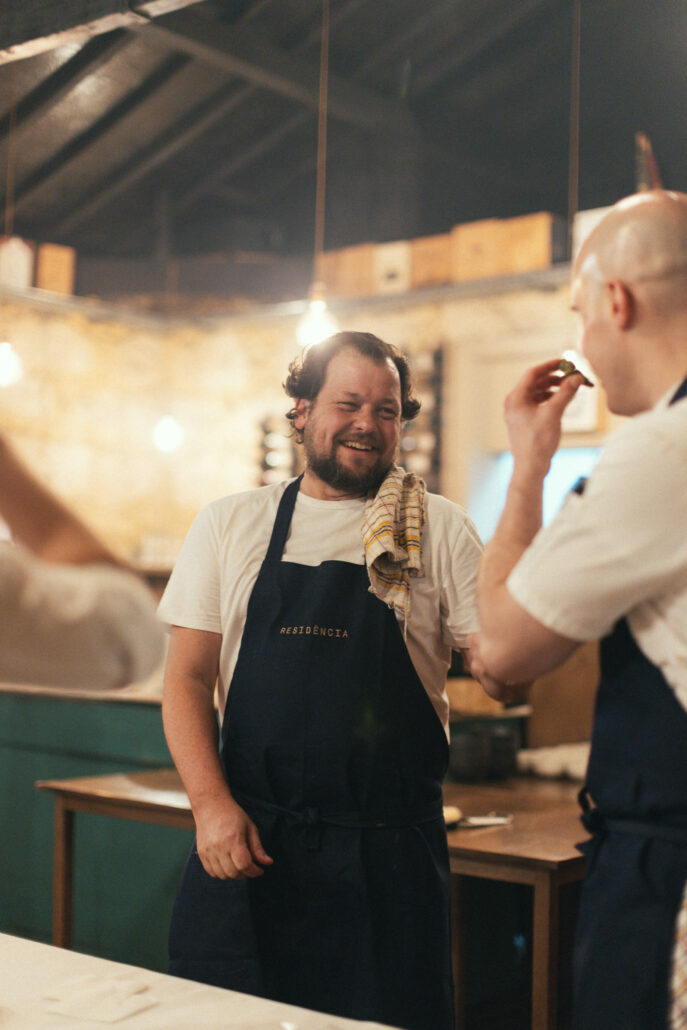
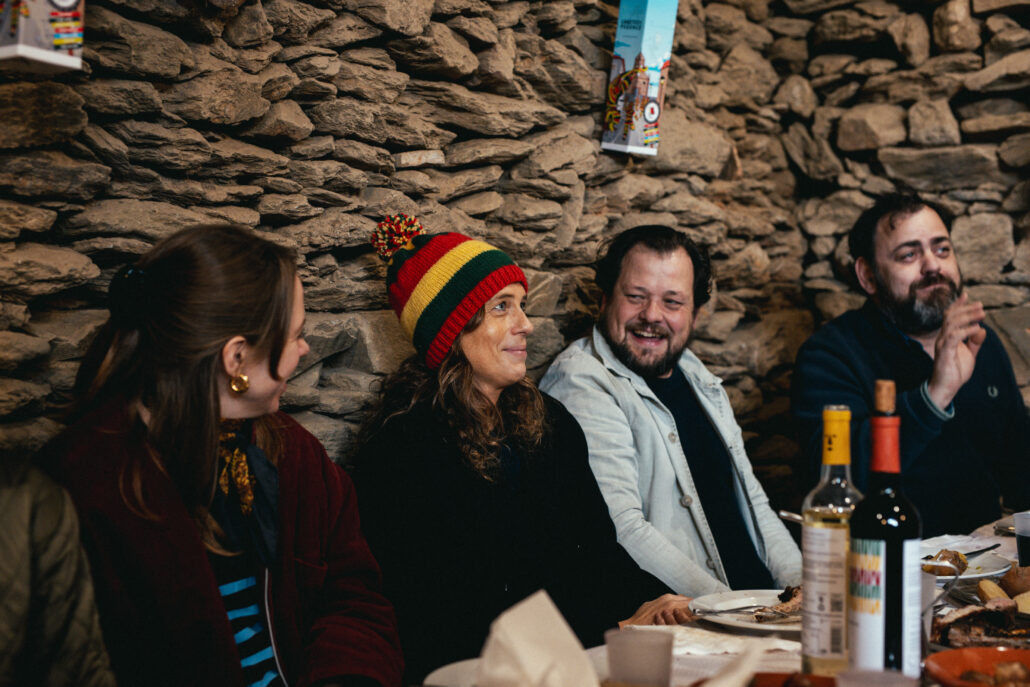
João is a remarkable chef who for many years worked at the renowned Lisbon restaurant Feitoria, where he earned and maintained a Michelin star, helping establish it as a point of reference for contemporary Portuguese cuisine. His cooking is grounded in strong technique yet defined by a pursuit of simplicity, free from unnecessary structure and ingredient focused. Today, he runs his own restaurant Canalha, a bistro near Belém (Lisbon) with a Parisian feel, open seven days a week, ready to serve thoughtfully crafted plates of fresh produce at practically any hour of the day. Vânia is tireless – sharp, intuitive, empathetic and effortlessly organised – working with speed and precision, often from behind the scenes. She is the other half of the project they have built together: Projecto Matéria. Founded in 2016, it is dedicated to researching, preserving, and celebrating Portugal’s rich biodiversity, connecting producers, chefs, and territories through knowledge and collaboration.
“Tudo está interligado. O solo, o mar, o clima e as comunidades humanas não são elementos separados, mas parte de um mesmo corpo vivo.”
(translated: “Everything is connected. The soil, the sea, the climate, human communities, they are not separate elements, but parts of the same living body.”)
Guided by this principle, over the last ten years, João and Vânia have travelled wide and large across Portugal, meeting producers, chefs and locals. Talking, learning and cataloguing what they encountered, they created a living database, or, more importantly, a living network of people who, every day, create incredible products, keep ancestral knowledge alive and ultimately preserve an ecosystem which is more and more fragile in today’s increasingly disconnected world.
What they are doing feels like a profound act of service – first and foremost to their country – but ultimately to all of us. They stand out as a genuine source of inspiration sending out a clear message: the urgent need to take care of our food systems and of the people who sustain them, wherever that may be. In fact, on Materia’s website they write “this is not just a Portuguese cause, it’s a global one.”
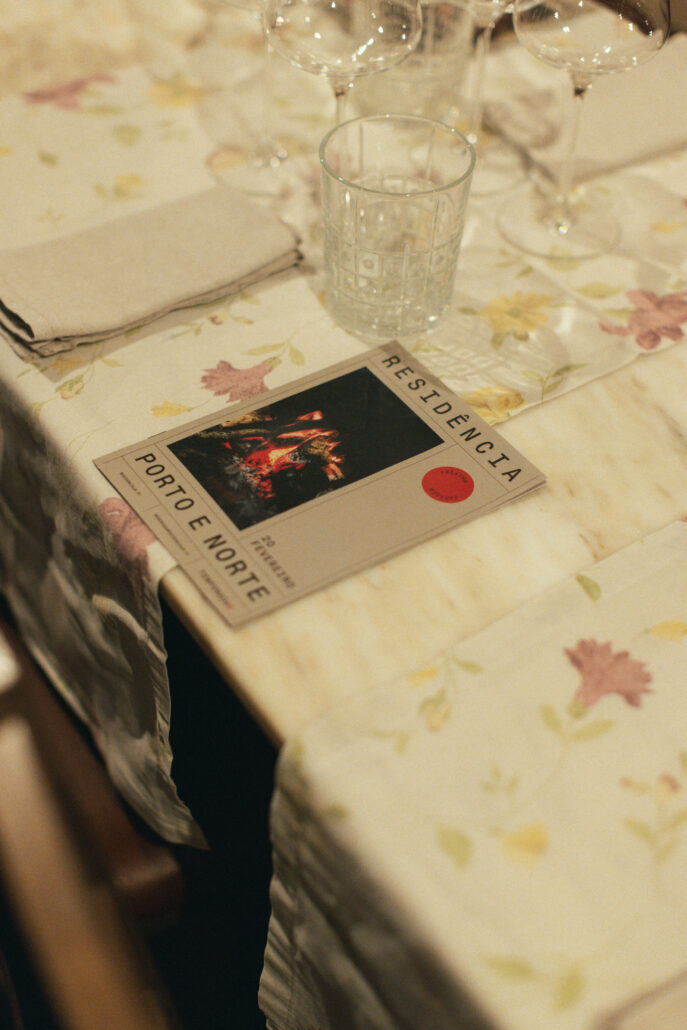
Within this broader project, they run a programme called Residência – a kind of living laboratory, the name itself hinting at something more fluid, almost artistic, slightly outside conventional frameworks. These are journeys, bringing together a couple of chefs from abroad alongside a small number of journalists. An intimate group – informal and unfiltered – designed to foster connection, exchange, and shared learning through direct experience of Portugal. Each edition focuses on a specific region, and this one unfolds between Porto and the country’s north-eastern inland.
Trás-os-Montes is a geographical region whose name translates to “behind the mountains.”
It is landlocked, bordered by the Douro and Tâmega rivers to the south and west, and by Spain to the north and east. It’s not far from Porto, when the roads cooperate; and when they don’t, it becomes something of a blessing in disguise, as the breathtaking views more than make up for the extra kilometres. Alongside Portuguese, Mirandese is also spoken here, a local dialect with roots in the Asturian language.
I’ve always been drawn to border regions: places shaped by proximity, where difference is part of everyday life, and where coexistence tends to foster openness and exchange. I got confirmation of this (perhaps a positive bias) in a conversation with Antonio Picotês – an oganic wine producer in Miranda do Douro – located in the far north-east, just a few kilometres from the Spanish border. He spoke about the ‘dream’ of creating a shared recognised wine geographic region, one that would bring together Spanish and Portuguese producers – “Our terroirs are the same, our vines are the same,” he explained. Fully aware of the bureaucratic impossibility of such a cross-border designation, they have nonetheless formed an association: Vinos Sin Fronteras (‘wines without borders’), showing that it takes more than an invisible line to divide them. Only later did I realise that, alongside this invisible frontier, there is also an invisible time zone line, separating them, or perhaps, in a way, allowing them to time travel. I wonder who’s to blame when someone shows up an hour late for dinner.
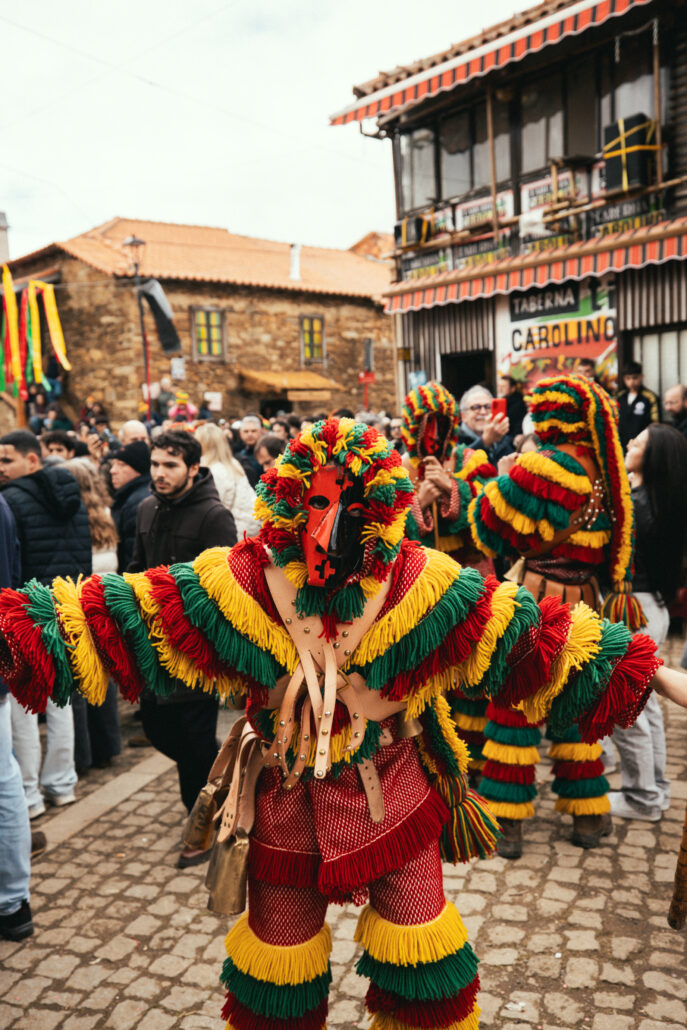
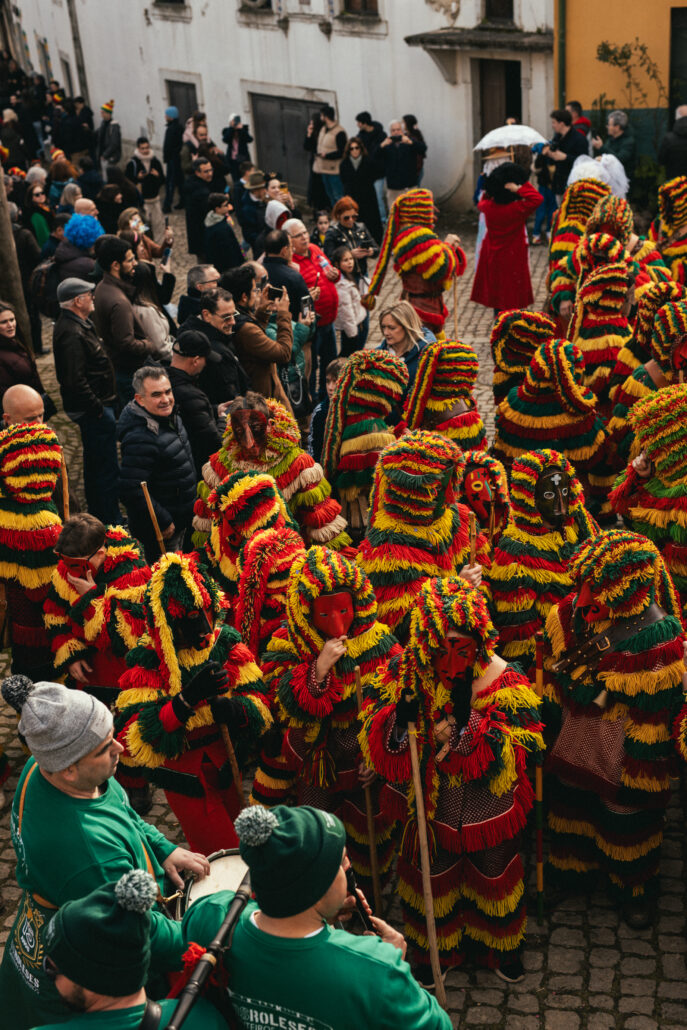
Moving further inland, in the district of Macedo de Cavaleiros, another expression of this layered identity takes shape in the carnival of the Caretos de Podence, recognised by UNESCO as Intangible Cultural Heritage of Humanity – a designation that, beyond the title itself, serves to highlight a longstanding cultural tradition that risks fading as younger generations move away from village life. Rooted in ancient pagan rituals marking the end of winter, the Caretos are mysterious, almost diabolical figures brought to life through traditional costumes worn by the locals. Dressed in vivid red, yellow, and green, they roam the streets with cowbells strapped to their bodies, moving unpredictably – half performance, half mischief – engaging with onlookers and punctuating the air with the sharp rhythm of metal. During the celebration, people gather in tavernas, sharing food and drink around long communal tables, not unlike the Italian sagra: a moment of collective release, accompanied by the pulse of Celtic-like music.
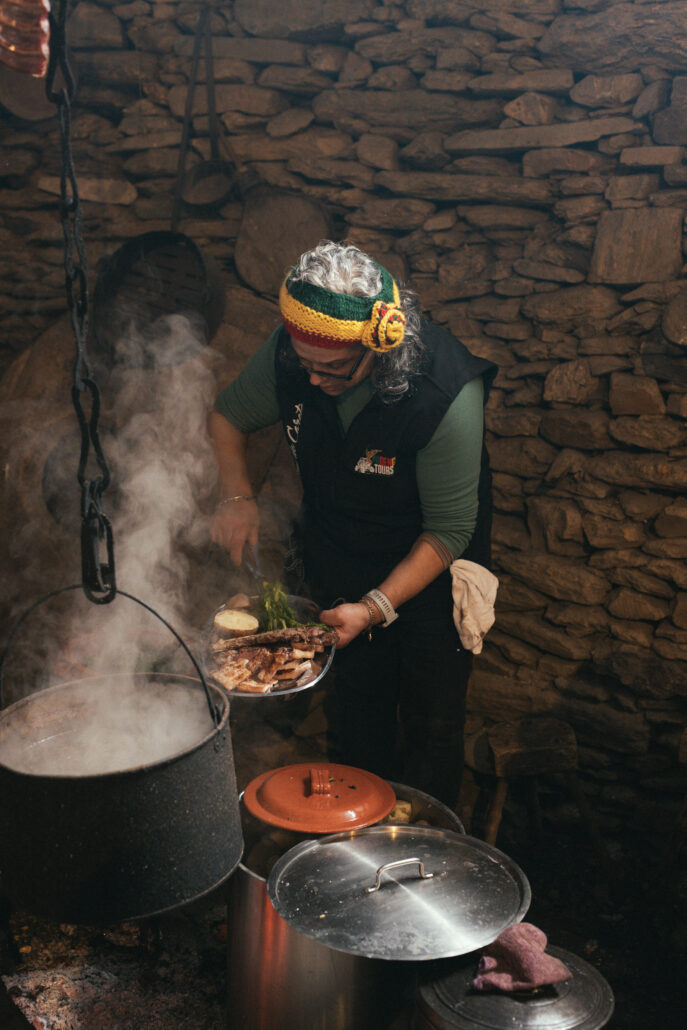
Here, we encounter a number of local products and dishes that will reappear throughout the journey, among them the alheira, a distinctive sausage of the region. Its origins trace back to the Jewish communities living there in the late 15th century, who were forced to choose between expulsion and conversion to Christianity. Some remained, outwardly converting while secretly maintaining their beliefs, but they risked persecution by the Inquisition. One of the ways they could be identified was by the absence of pork sausages hanging outside their homes, as was customary in non-Jewish households. In response, they created alheira: a sausage made from poultry and game instead of pork and bound with bread, to mimic the appearance of traditional sausages. It’s safe to say that the Inquisition of the time weren’t like today’s foodies and couldn’t tell the difference. Light in colour and remarkably soft in texture, thanks to the bread, it is gentler and more delicate than its pork counterparts (though today, many versions do include pork). The best way to enjoy it is grilled, allowing the casing to crisp while preserving its soft, almost creamy interior.
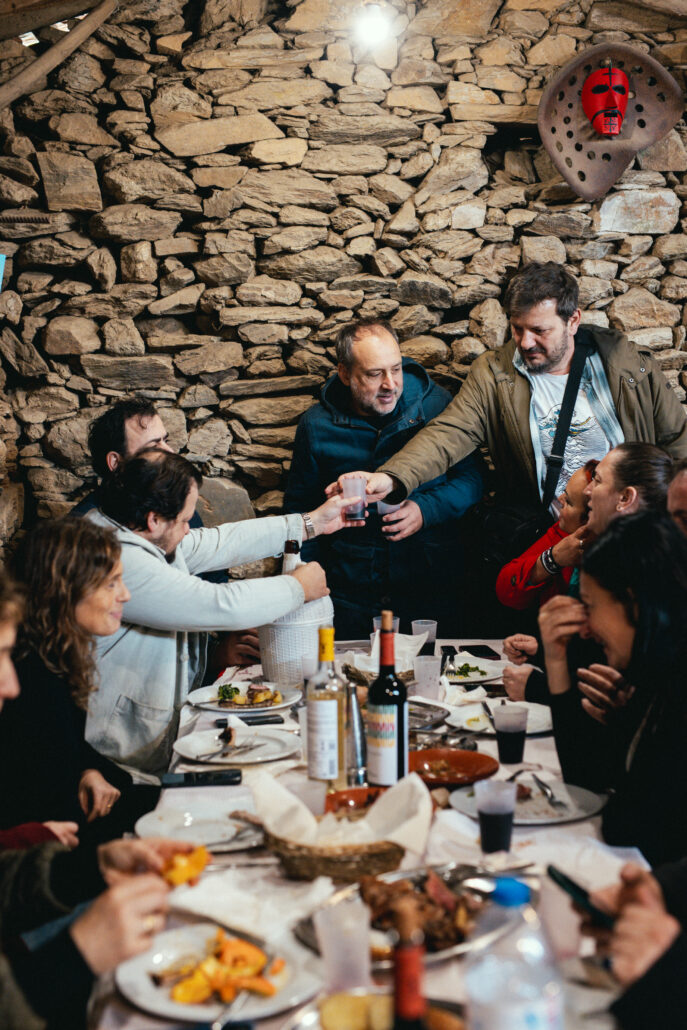
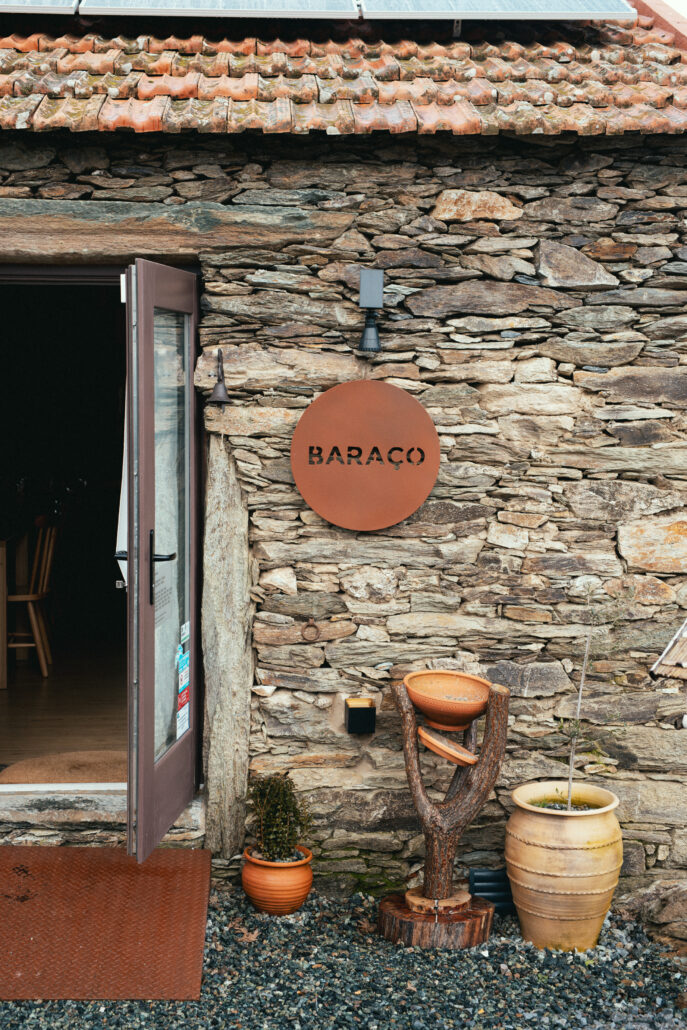
Beyond the story of pork-less alheira, much of the region remains deeply rooted in a culture of pork. Like many areas across Europe, rural communities were once largely self-sustaining, relying on a few animals and their own produce. In the tiny village of Azinhoso (Mogadouro), we experienced this firsthand through the matança do porco – the traditional pig slaughter – alongside chef Luís Martins. Originally from the village, he returned after many years away, drawn back by a desire to reconnect with rural life. There, he transformed an old barn, once part of his family’s property, into what is now Baraço, a modern restaurant rooted in local tradition. The name is a tribute to his maternal grandmother, who would prepare a soup every morning around 6 a.m., tying the vegetables together with a simple piece of twine, a “baraço.” It came to be seen as the secret ingredient of the dish that the family loved, and Luís chose to name the restaurant after this memory: a reminder of the pleasure of sharing, the unity of family, and the idea that sometimes the simplest things are the best. At Baraço, Luís’ kitchen is honest and real: fire-driven and grounded in the ingredients and rhythms of the land. When asked whether he misses the city, he smiles and calmly replies: “I love it here. To me, this is like a playground.”
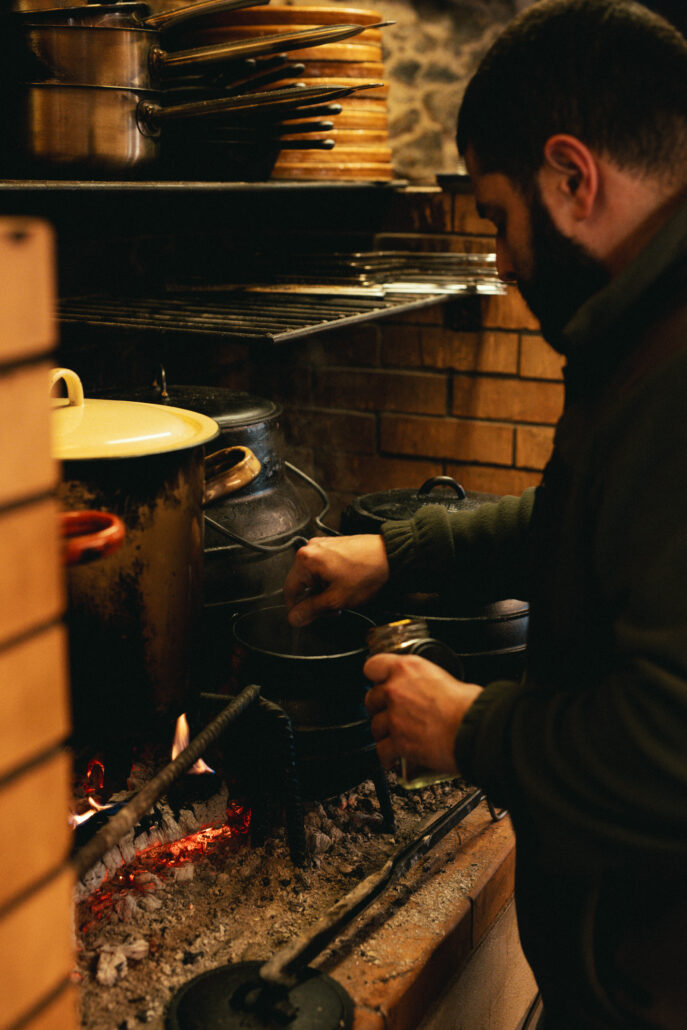
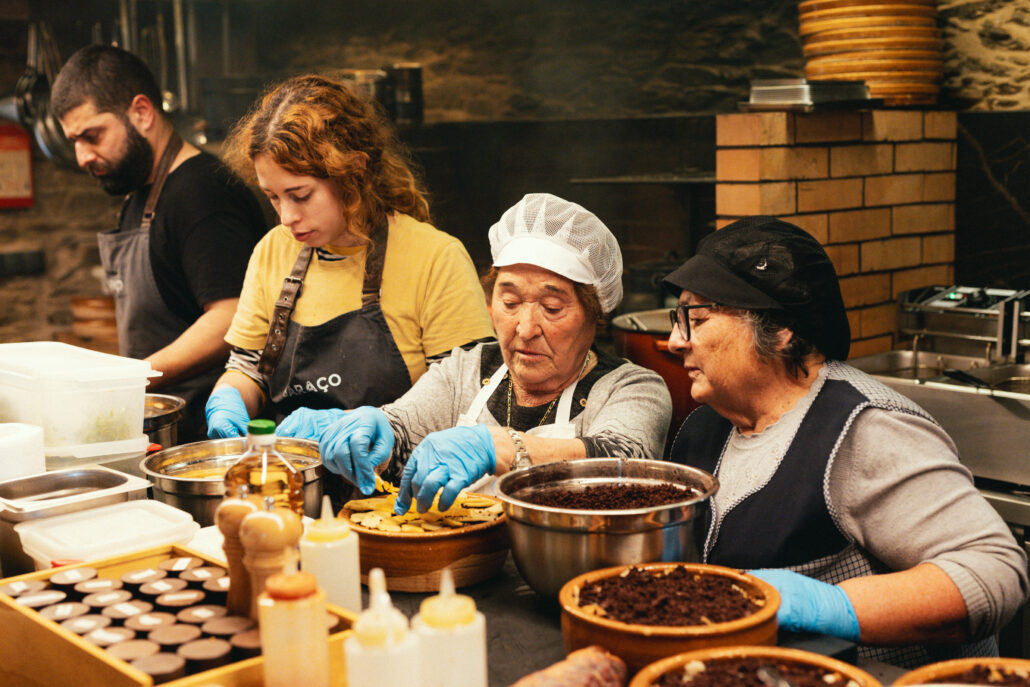
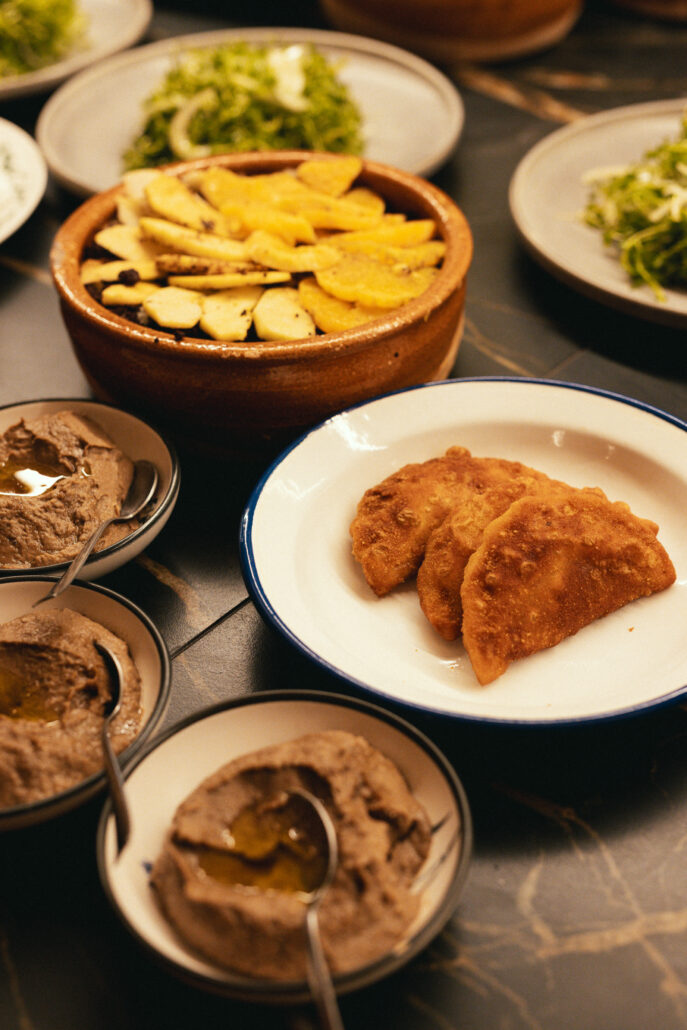
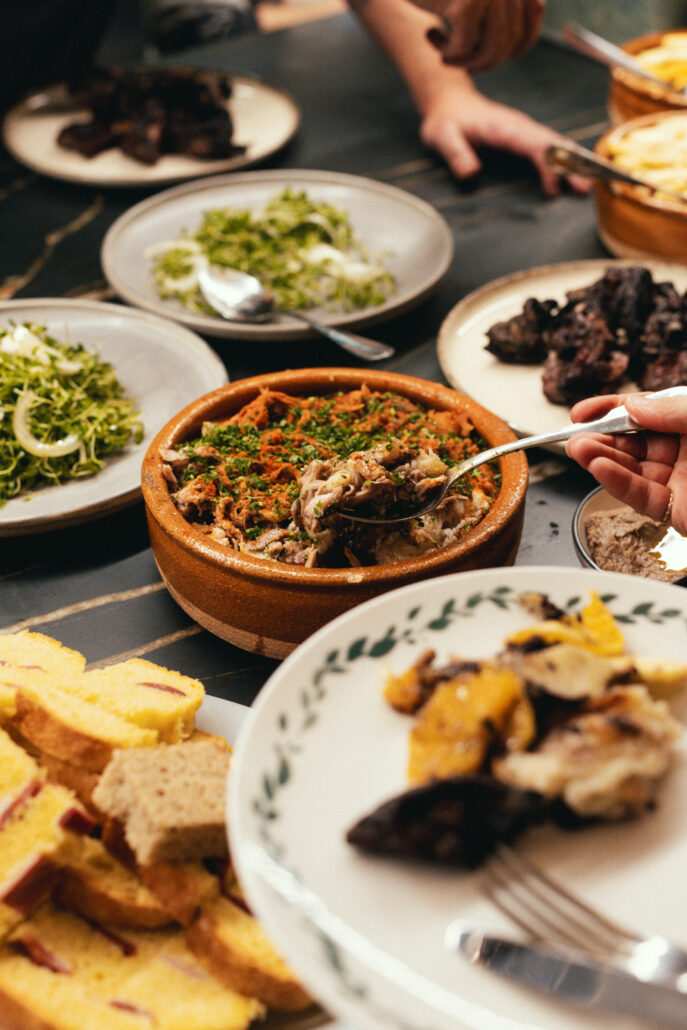
It was within this context that the ritual slaughter unfolded before us, a practice still present in some places, yet one that feels increasingly distant from everyday reality. It stands in stark contrast to the ease of buying neatly packaged meat from a supermarket, far removed from the act of raising or killing an animal. And yet, this feels more real, more human. The man performing the cut to drain the blood was an elder of the village, his gestures precise and assured, clearly repeated many times before. Inside, his wife and another woman from the village helped in the kitchen, preparing the blood recently drained from the animal to be served for lunch, together with Luís’ mother. Sharing this ritual, from slaughter to feast, observing, understanding, and tasting, created a rare moment of discovery and exchange between locals and those of us from outside – two groups who might not otherwise have met. And I realised that this, ultimately, may be the very point of Projecto Matéria, and of Residência.
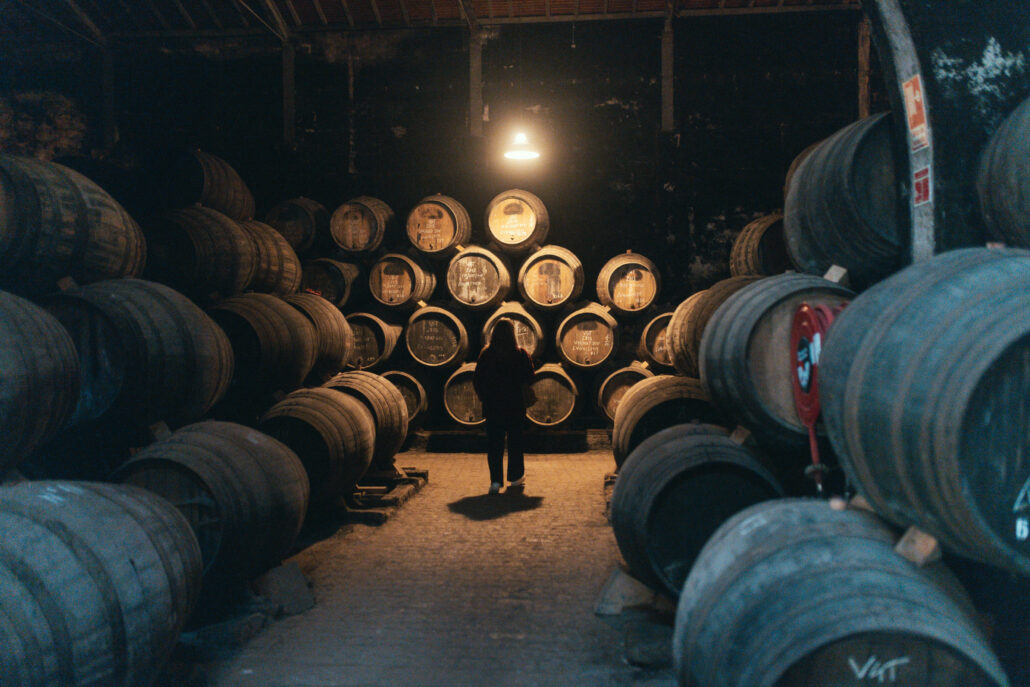
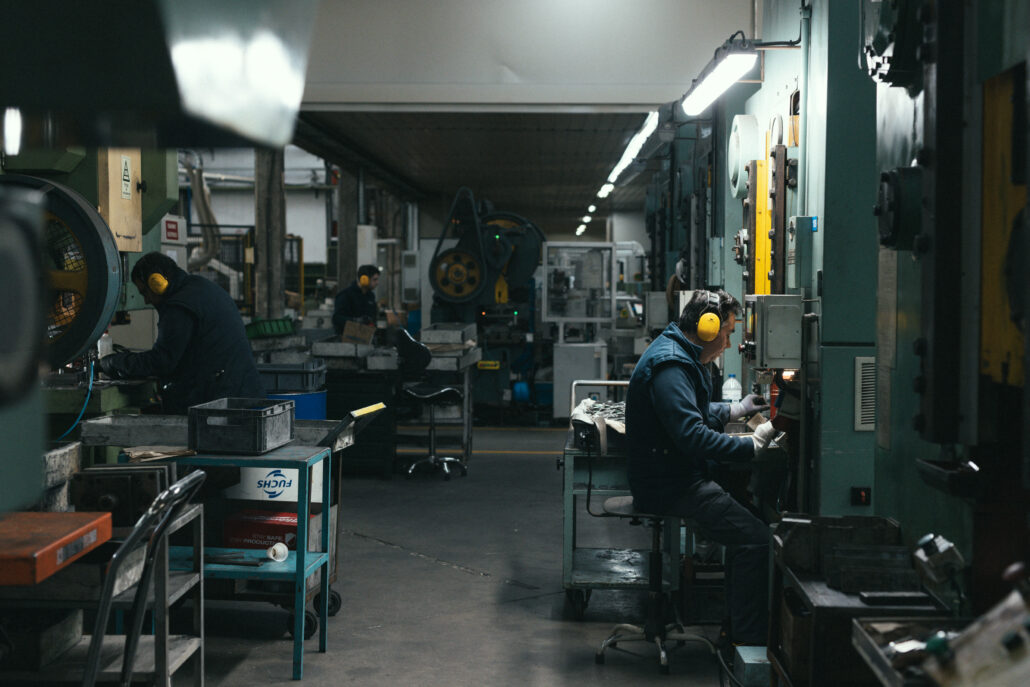
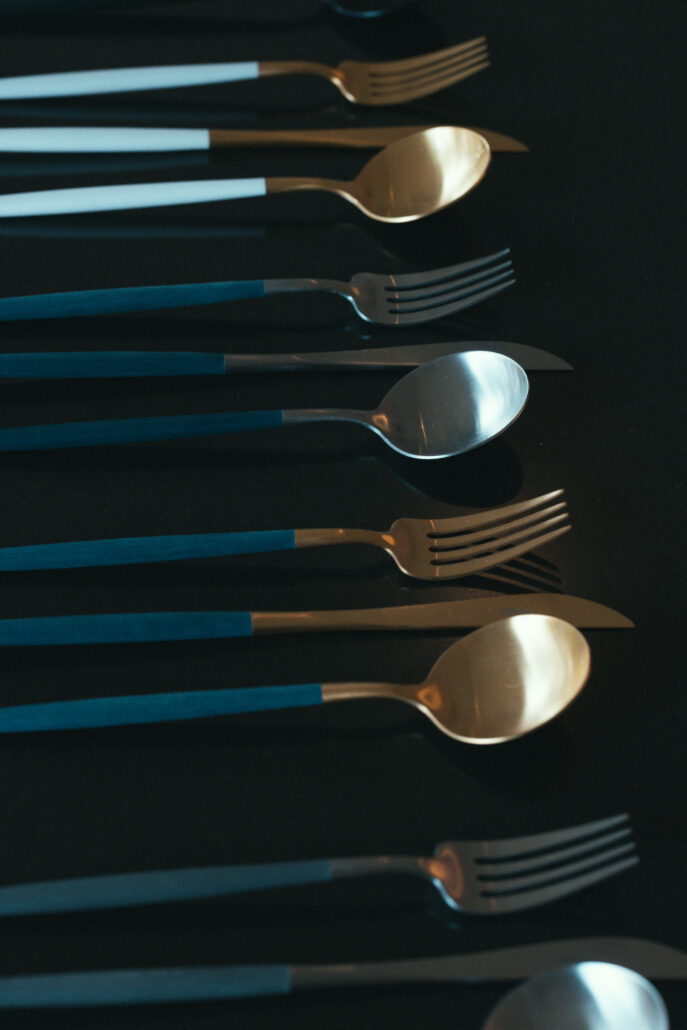
These encounters, first across the northern inland and later back in Porto, unfolded as a continuous process of discovery. From small-scale charcuterie producers to long-standing, multi-generational businesses working with care and quality such as the cutlery makers at Cutipol or the Port experts at Niepoort, each meeting added a layer of understanding, a point of connection, an exchange of knowledge that gradually began to form a broader picture.
And, of course, all of this found its natural culmination at the table – back in Porto – where it was no longer just about the producers we had met along the way, but about transforming those encounters into something tangible. Our travel companions included some chefs: Mihai Toader from Soro Lume in Bucharest, and Nieves Barragán from Sabor and Legado in London, and her executive chef at Sabor, Filippo Alberi. Over the course of the trip, they gradually began shaping their ideas for the final dinner on the last day: an eight-hand dinner, open to the public.
There is something unique about travelling with chefs: they see, taste, and process the world differently. At times, before or after a meal, they would sit at the edge of the table, deep in conversation, exchanging thoughts, refining ideas, deciding what would eventually make its way onto the plate. And, as any self-respecting group of chefs would do, the initially planned eight-course menu quickly turned into twelve.
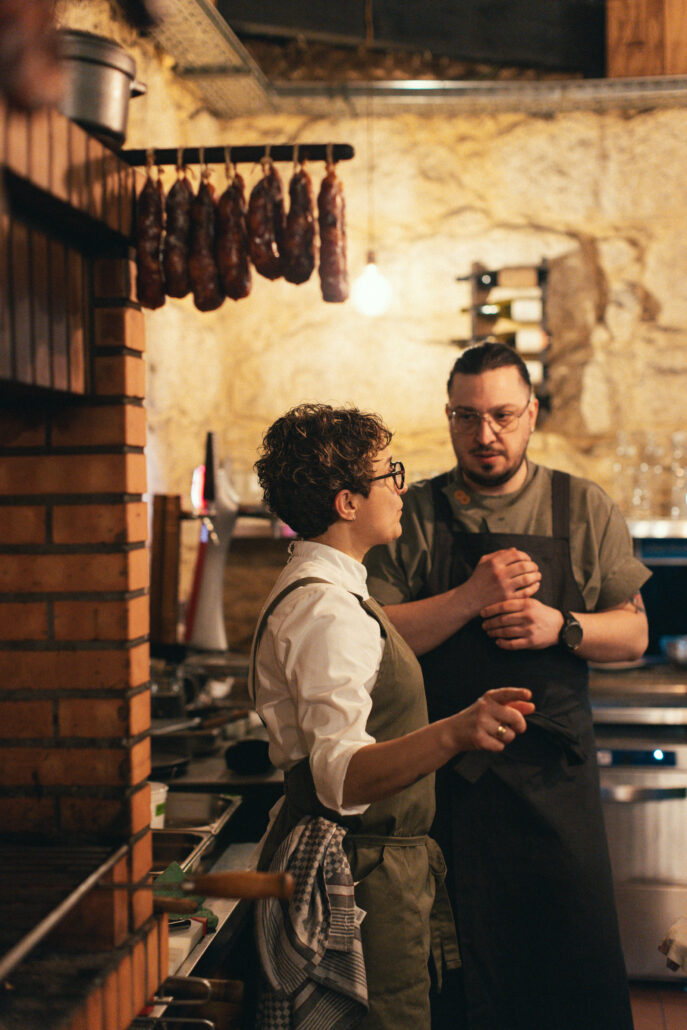
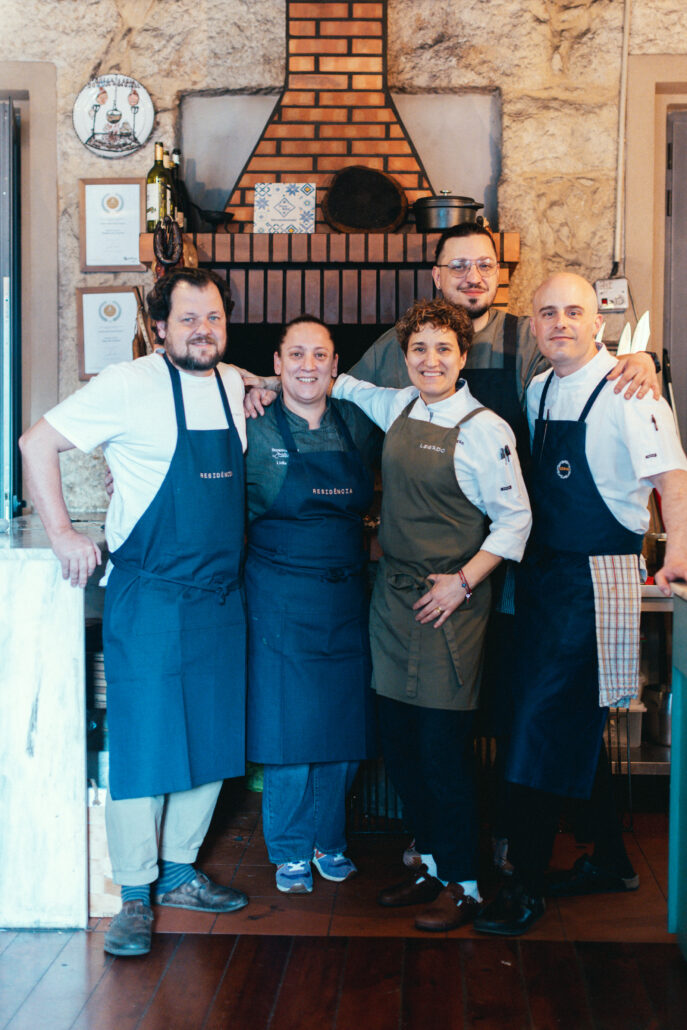
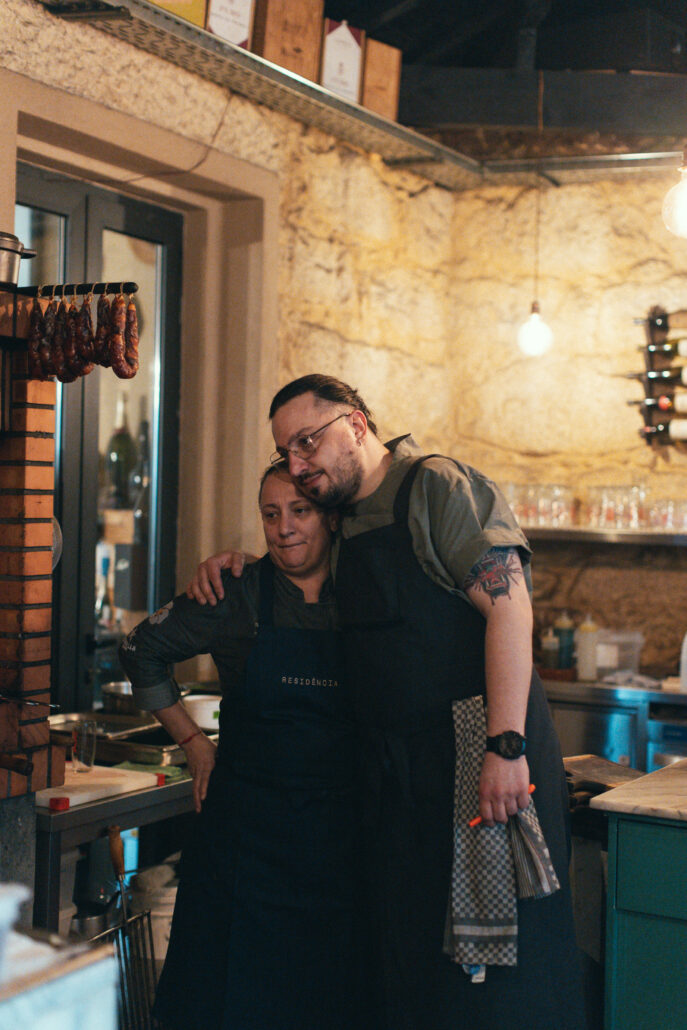
At the centre of it all was another essential figure: the host, Chef Lídia Brás, and her restaurant Stramuntana in Porto. Originally from Trás-os-Montes, Lídia became our ultimate guide during the trip, the “Virgil to our Virgils”, leading us through the region’s culinary landscape and connecting us to her land and people. It takes a certain kind of person to embrace something like this – to step into the ambitious, ever-evolving vision of João and Vânia – and in this case, the match could not have been more natural.
At Stramuntana, Lídia brings the inland and the countryside into the city, serving traditional regional dishes with a twist. “I like to play with them a bit – she says – for example, pairing pig’s stomach with curry and coriander.” Back in Porto, her restaurant became both the headquarters and the final stop of this travelling group, opening not just its doors, but feeling, in many ways, like a home.
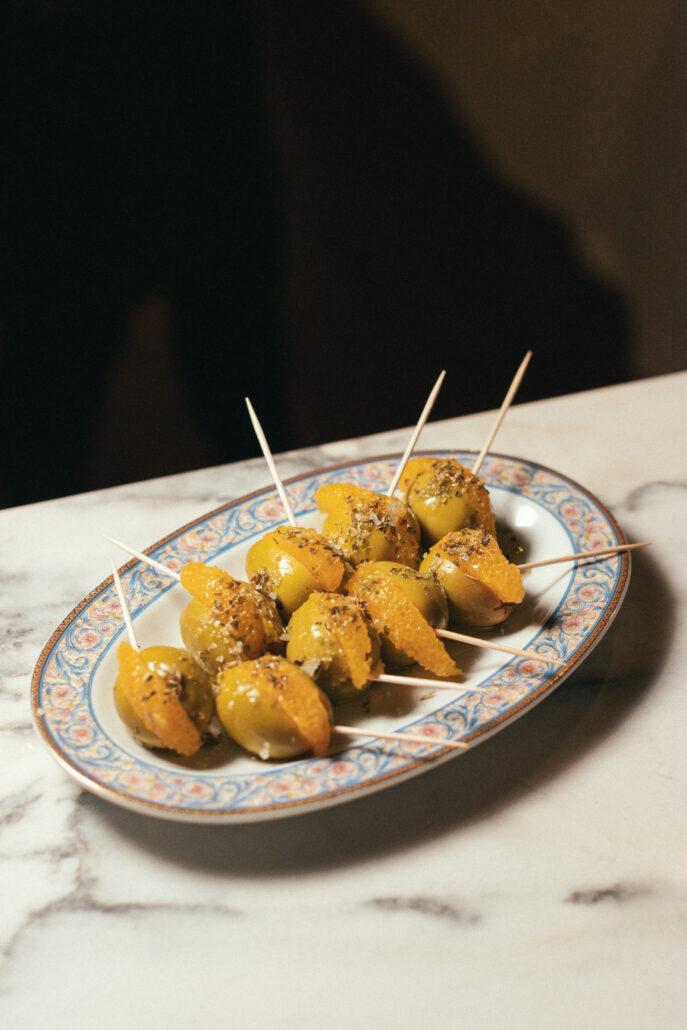
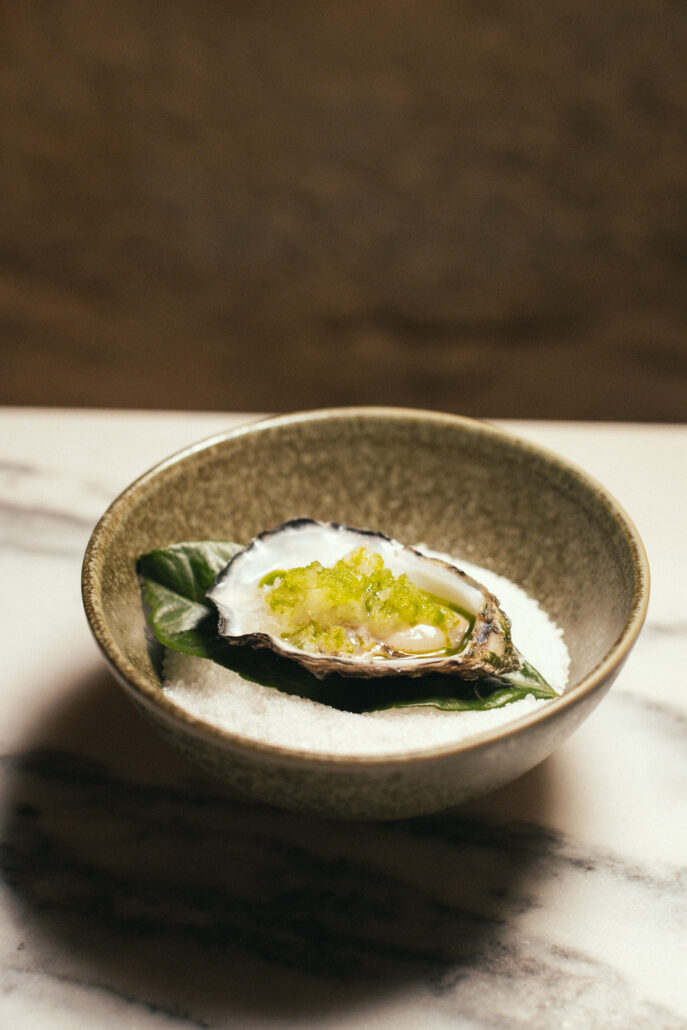
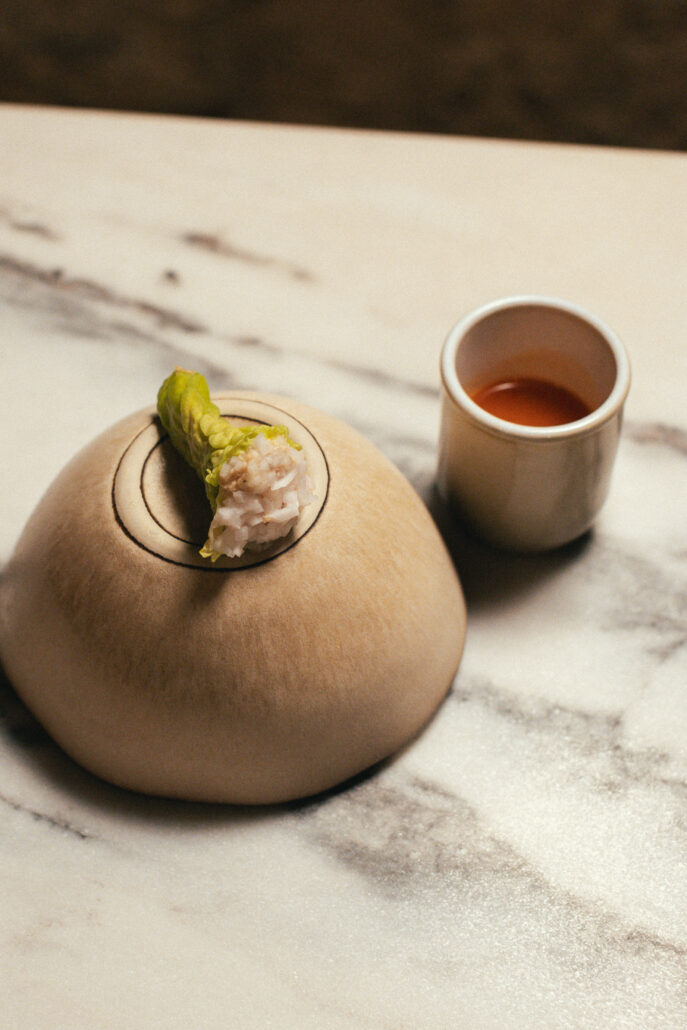
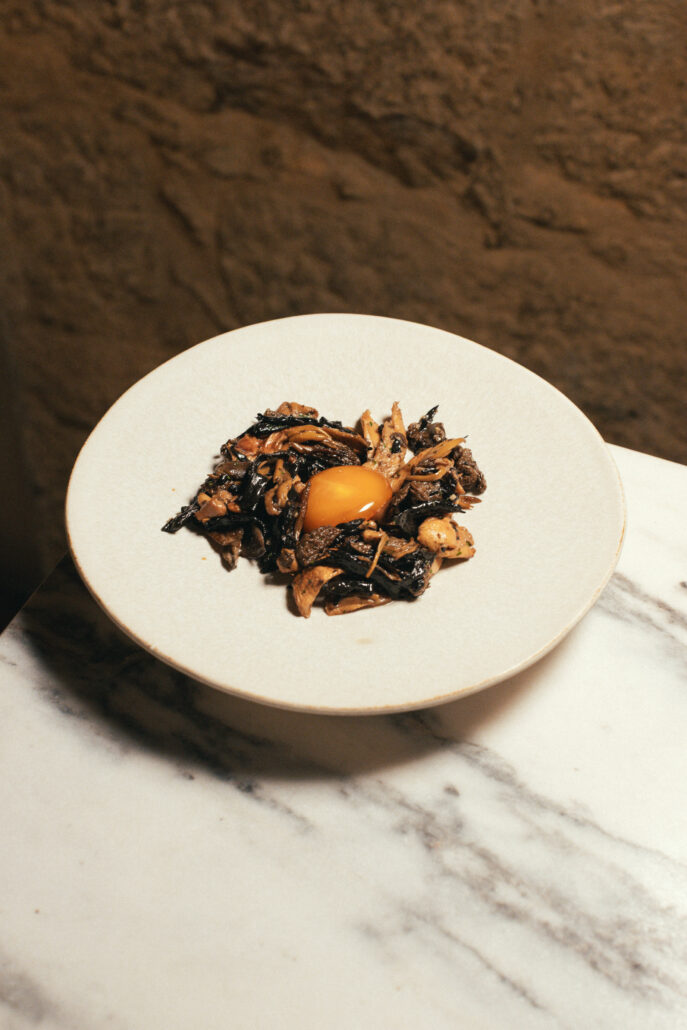
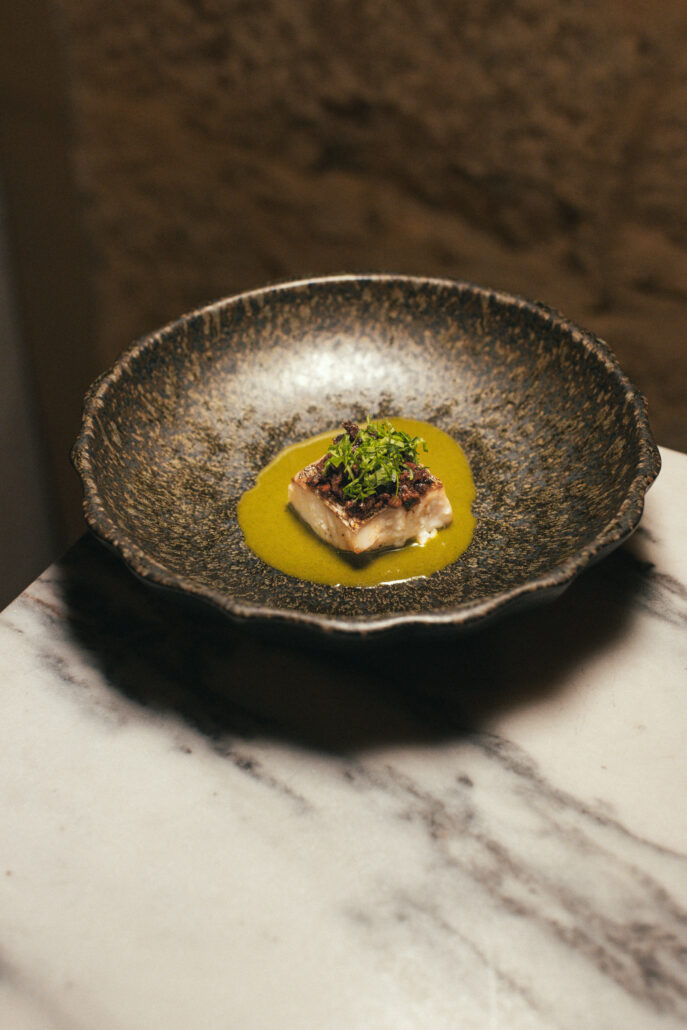
And so, on February 20th, the final dinner took place, mixing local products with the influences and personalities of each chef. Nieves Barragán wove together Portuguese ingredients with her Spanish roots and international experience, shaped over more than two decades in London, through dishes such as Aveiro oysters with bergamot granita and citrus leaf oil, or Chargrilled wild mushrooms with a touch of ham and marinated egg yolk. Mihai Toader brought together the forests of Transylvania and northern Portugal, combining what he described as “a kind of zacusca from his grandmother” with local mushrooms, alongside a fermented Romanian paste that added depth, umami, and acidity. In another dish, The North in Two Visions, he used the pig’s interior, the very animal we had seen slaughtered earlier in the trip, which he had literally brought back to the restaurant in a Tupperware.
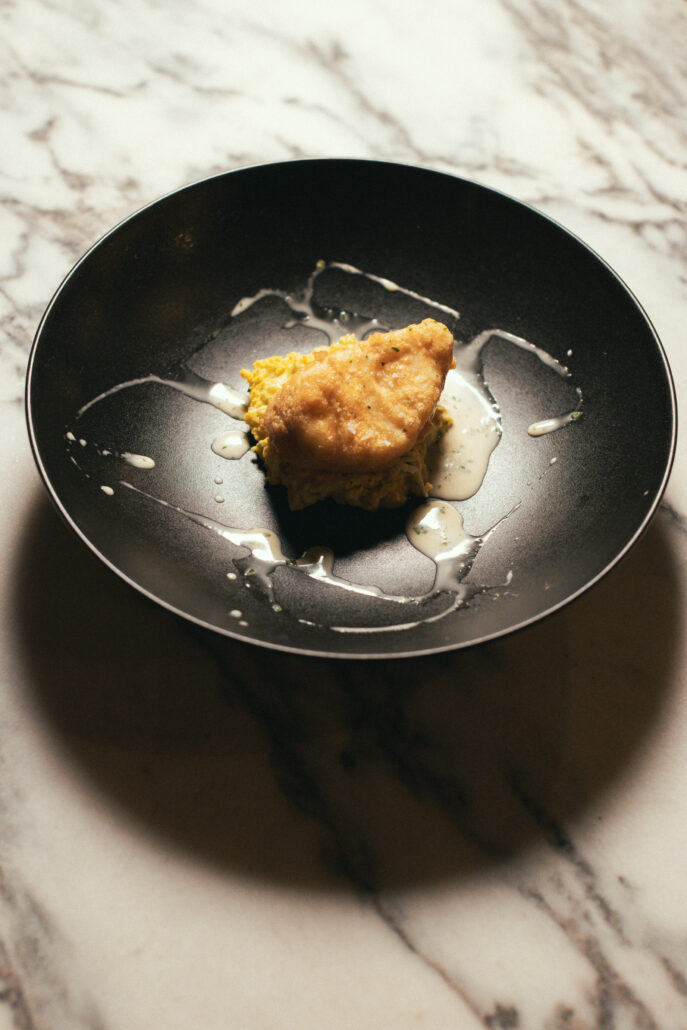
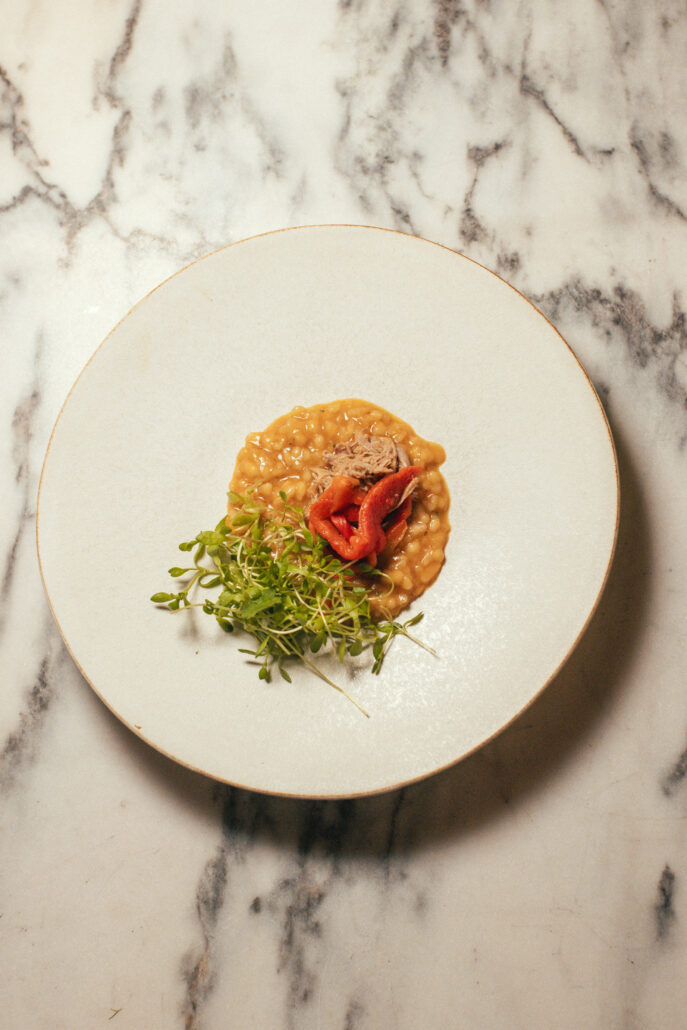
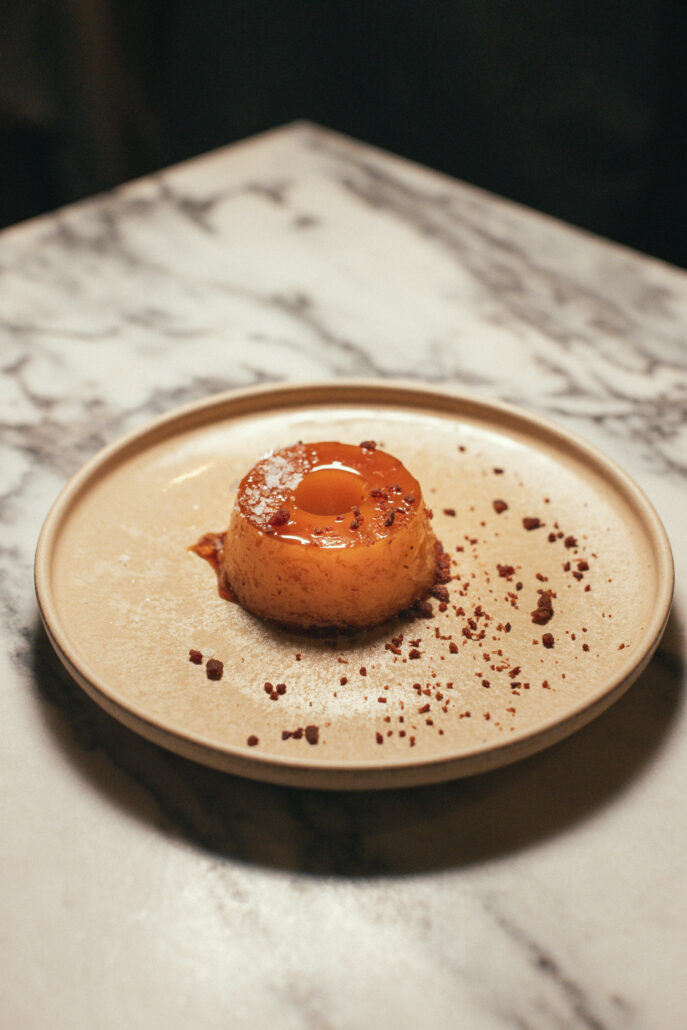
Lídia contributed her Lamb couscous (a specific type of cous cous from the north), alongside one of her signature desserts: a Bísaro pork chorizo pudding, reflecting her playful approach to savoury sweets. João, in turn, once again demonstrated the ease with which he composes direct, and elegant plates, irresistibly comforting and built on just a few ingredients, such as the Fried hake with warm potato salad, or Green asparagus with white beans and cockles.
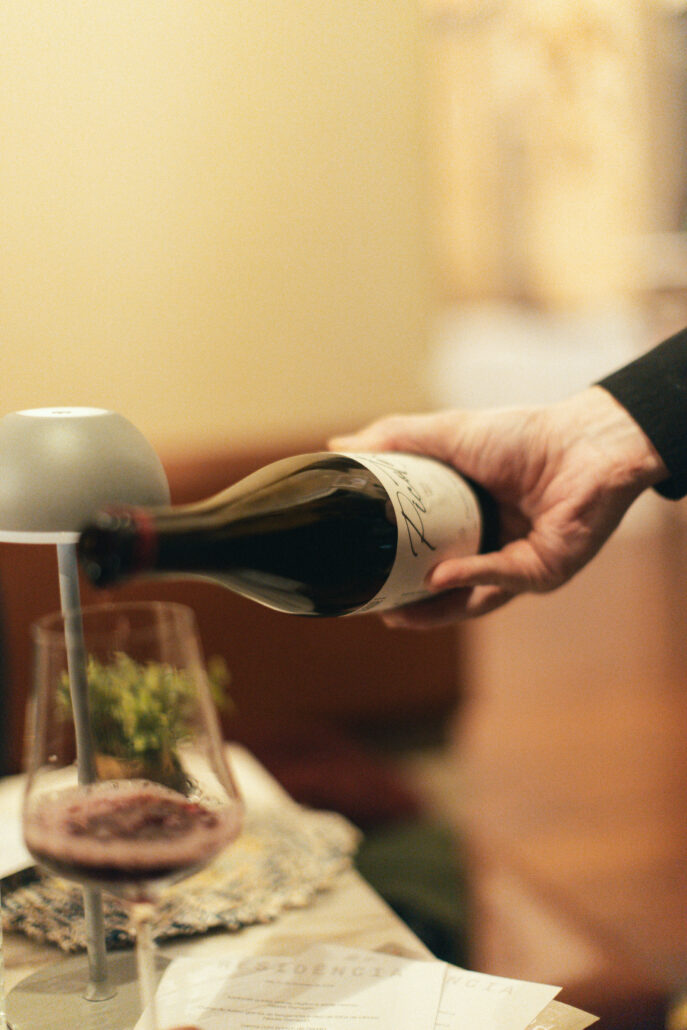
We ate, we laughed, we drank, we learned – closing the journey as all journeys should: around a table. With new knowledge, new connections, and a deeper appreciation for the country’s diversity, it felt less like an ending than a beginning, one of many journeys still to come, exploring Portugal through its landscapes, its products, and, above all, the people who shape them.