Laye Dia watches the constant flow of people coming in and out of La Mary, the pastry shop he opened in Milan about four months ago with Denise Bonenti and Andrea Bologna, and he can hardly believe it. He knows that success, especially in Milan and in the restaurant world, comes and goes. He’s wary of hype, of how things should be communicated, maybe even of social media algorithms. La Mary has started off extremely well and has every chance to do even better. And yet the doubt, the nagging thought, remains: what if it all deflates tomorrow?
It’s the story of the classic, almost literal, three friends at a bar. Except it took them eight years, but in the end, they opened the pastry shop they had dreamed about – when they felt ready and mature enough. After finding the right space, in the right neighbourhood, and pairing it with the right lab. No rushing, not going too big; just working well and at the right scale. With a very clear goal: in their view, Milan didn’t have enough French pastry (and in fact, there’s very little of it in its pure form). So they decided to bring it to the city themselves.
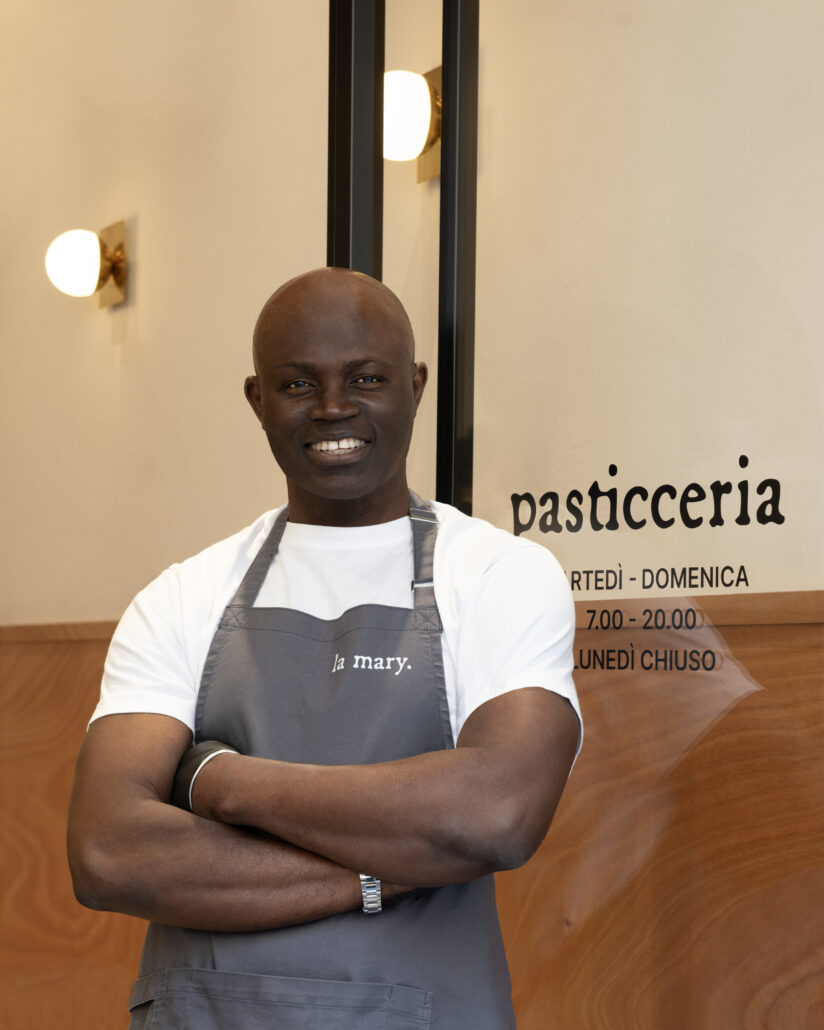
“We really wanted this part of Milan, this neighboyrhood.” We’re on Via Marcona, between Risorgimento, Acquabella, and Porta Vittoria. East Milan – but not too far out. Streets lined with elegant homes and a calm, residential feel. “Apparently, a lot of French people live around here,” Dia tells me. Of Senegalese origin, he’s the pastry chef at La Mary. “We had identified a kind of gap in this area. So we started off with a great response from the local residents. We get young people, parents, people in their sixties. The crowd changes throughout the day, but what they usually tell us is thank you. Because now even the younger crowd has another place to go, which was needed – a spot to meet up when they go out.”
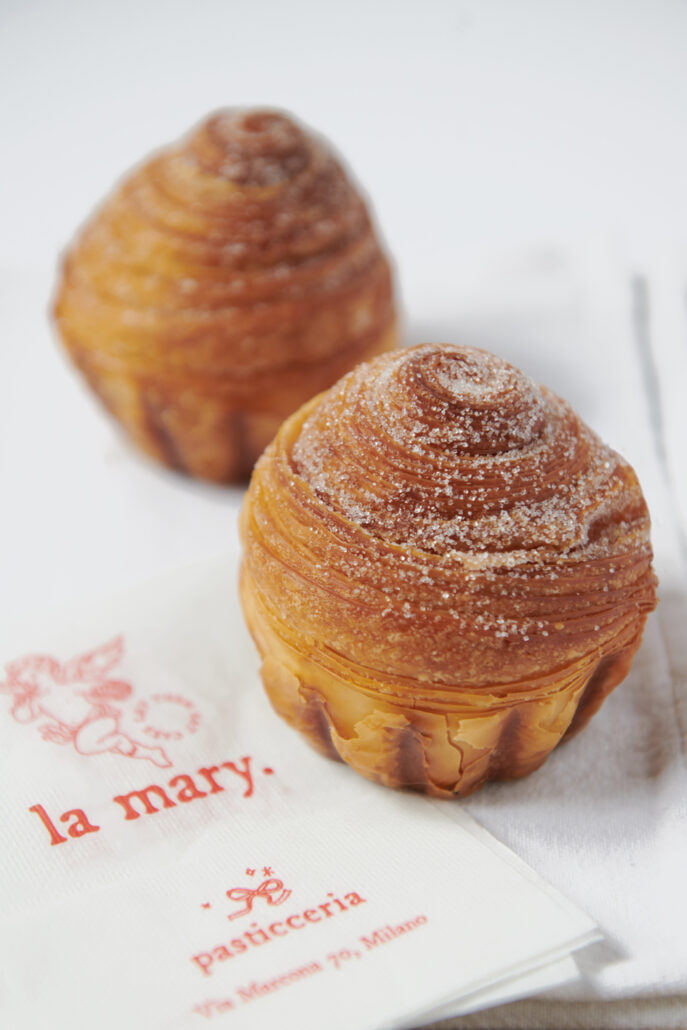
It’s an interesting and somewhat complex issue. Places like the one run by Dia, Bonenti, and Bologna are often accused of driving gentrification – of making neighbourhoods too “nice” for the people who typically live there, and therefore artificially inflating the situation. A speculative bubble that ends up pushing out less affluent residents from areas that historically belonged to them. At La Mary, though, another element of this dynamic seems to be emerging: today, younger people may have shifted their expectations when it comes to meeting outside the home. And if a meet-up involves spending money, then it should be in a place that meets certain standards – first aesthetic, then quality. And it should be Instagrammable.
That, of course, is just my own take, my own speculation. Because the quality of La Mary’s products isn’t up for debate, nor is the attention they give to the sustainability of their human capital, or the fact that this wasn’t a spur-of-the-moment, trend-driven decision. Quite the opposite: this is something long imagined and strongly desired. Something built over time. And their approach to what they offer is rooted in years of experience.
“Years ago – almost twenty now – I worked as a counter assistant in a well-known pastry shop in Milan,” Dia says. “But my goal was always to move into the lab.” So eight years ago, he enrolled at the Food Genius Academy in Milan. Then came a period working in another very French pastry shop in the city, the well-known L’Île Douce (the other address, we’ll tell you, is Sissi, a historic pastry shop in the Tricolore area), though that’s on the other side of town.
“I started to think it was absurd that Milan, such an international city, didn’t have a well-structured offering when it came to the French school, which for me is the best.”
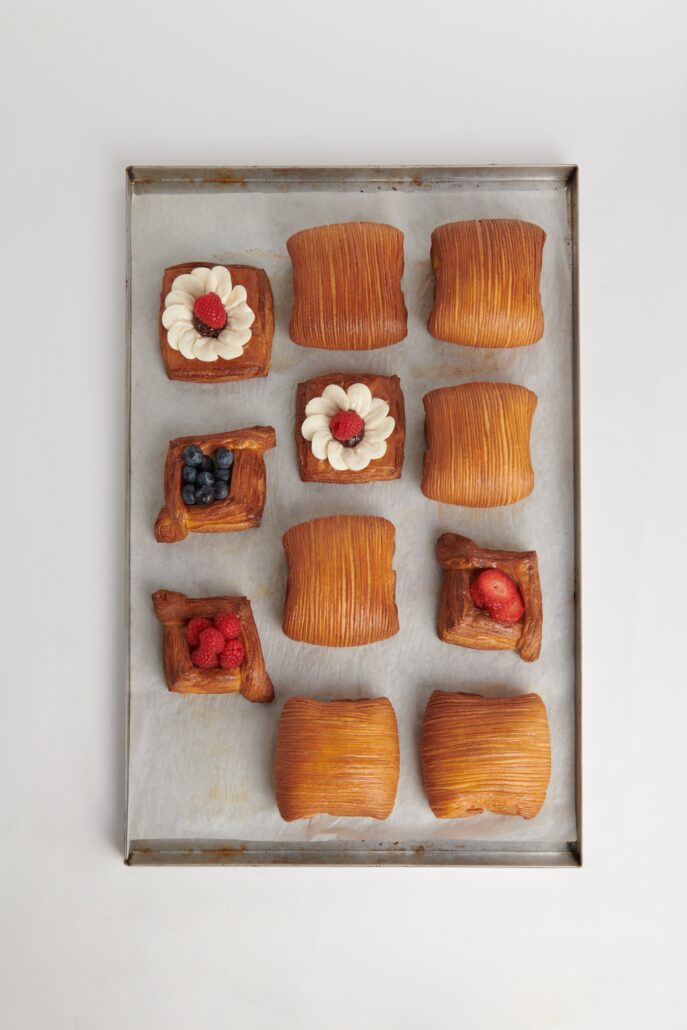
Laye especially loves viennoiserie – layered dough rich in butter (at La Mary they prefer butter from Normandy, and the chocolate is Valrhona) – though in the lab they also focus heavily on developing single-portion desserts. “Our customers come in waves, and we sell different things at different times of day. Early in the morning we have breakfast items – older ladies come in, people who’ve been jogging – and everything is gone by 11:30. Younger people come later in the day. In the afternoon, some come for a snack, others to take something home for dinner. Older customers are loyal to classic assortments of pastries. The next generation, instead, ventures into single portions. I think they’re very fun – you can try more, and you can work on them in interesting ways, using refined techniques and challenging yourself with flavour composition, which always has to be complex but harmonious. Their small size is actually a positive creative constraint.”
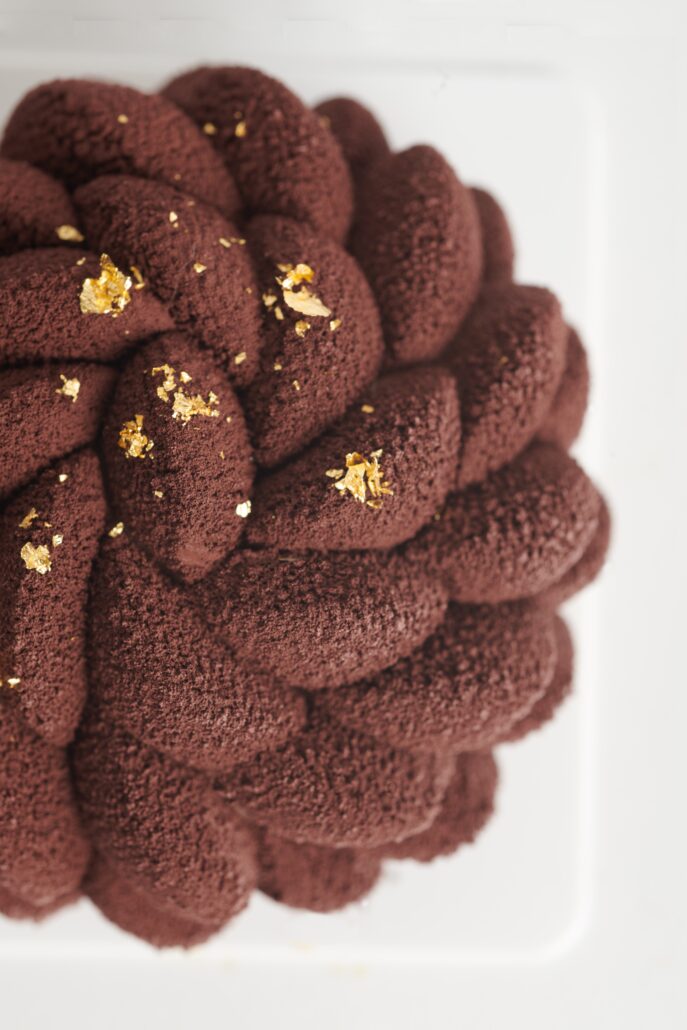
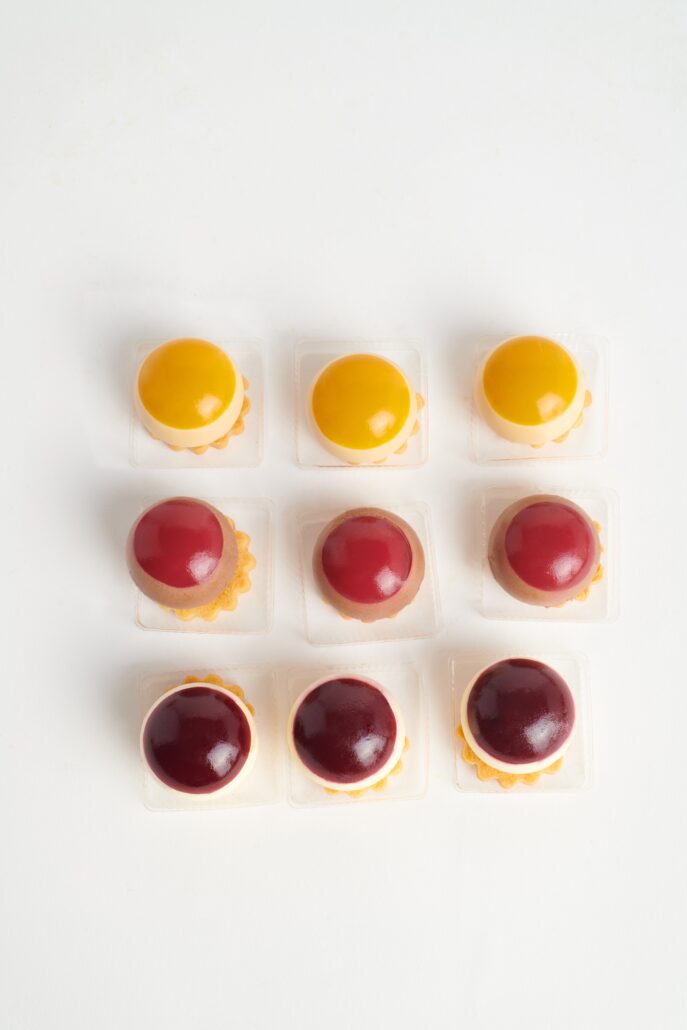
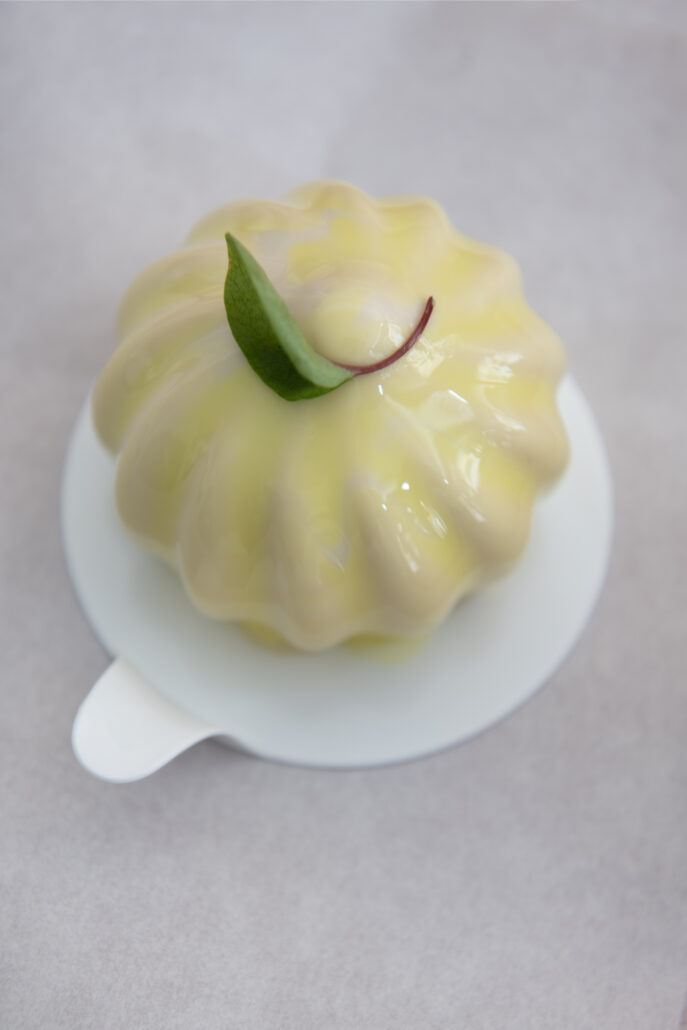
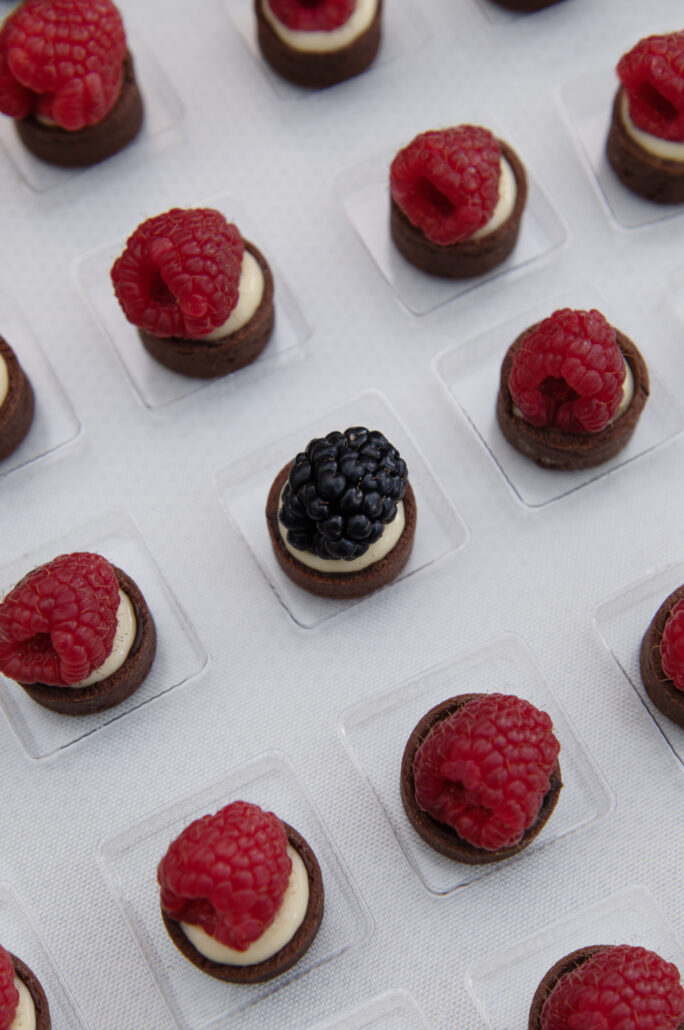
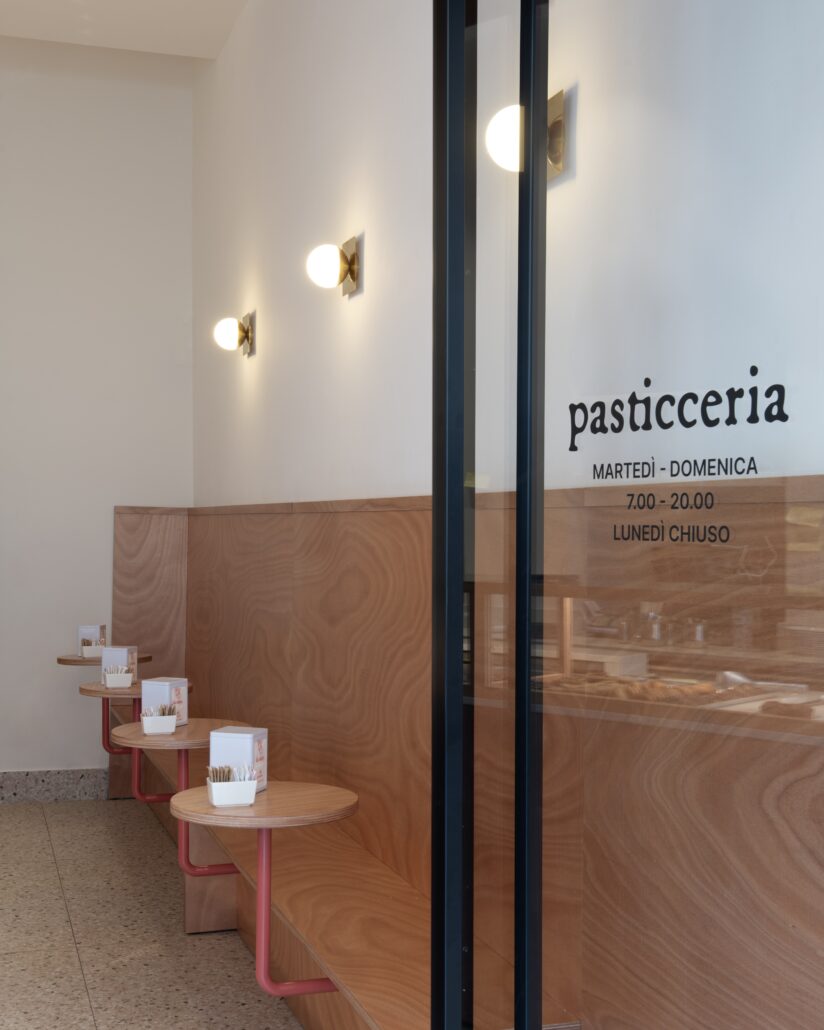
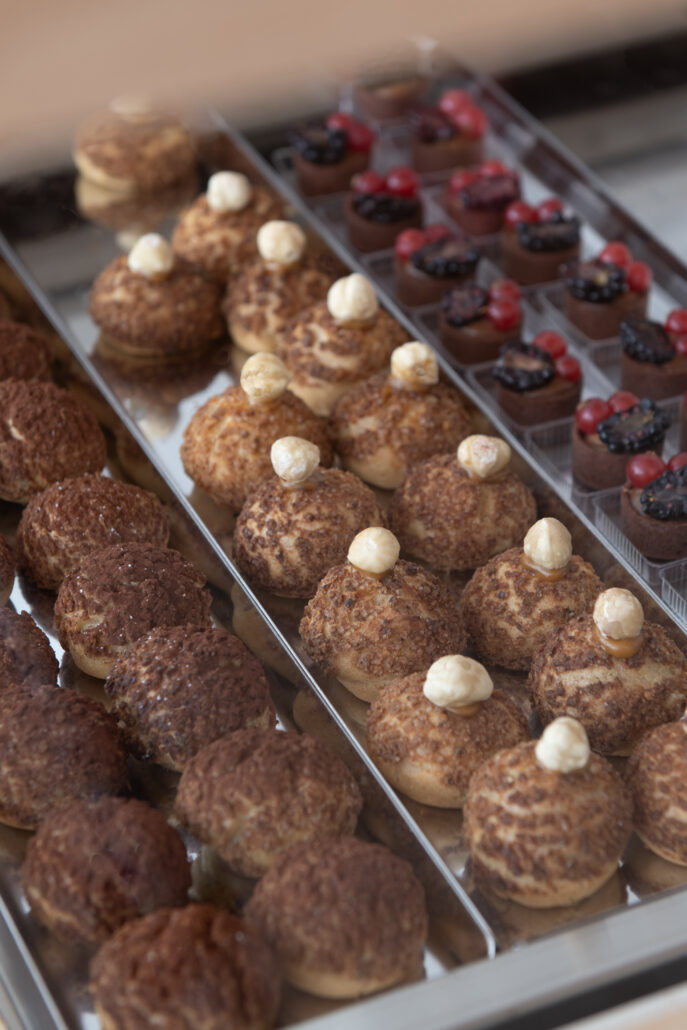
He goes on: the perspective behind their products is very French. Which, for him, means a great balance of flavours, without excessive sweetness. But also a rich pastry cream, beauty in form, revisiting classics like Paris-Brest, and delivering elegant flavours in line with contemporary international pastry. Not by chance, among his influences and inspirations, Dia mentions the French pastry chef Johan Martin – now an independent consultant (take a look at his Instagram for a feast of viennoiserie) – and also, yes, the name you’re thinking of: Cédric Grolet. Because sometimes pop culture and myth go hand in hand. And, Dia tells me, in the pastry world, the king of social media views is both respected and admired.
At this point, he sparks my curiosity: who are these pastry chefs he’s talking about? What do they think? What kind of lives do they lead?
“Well, when it comes to breakfast, a pastry chef is someone who obviously wakes up at dawn. Especially if, like us, you have a lab with two people plus a floater – and I’m the floater. And then a pastry chef is a bit like a chef: someone who gets obsessed. Someone who spends the whole day thinking about how to create something new, who gathers inspiration from the world and translates it into their own language.”
There are worse things, I think, than being surrounded 24/7 by the scents of sugar, fruit, and just the right amount of indulgence.
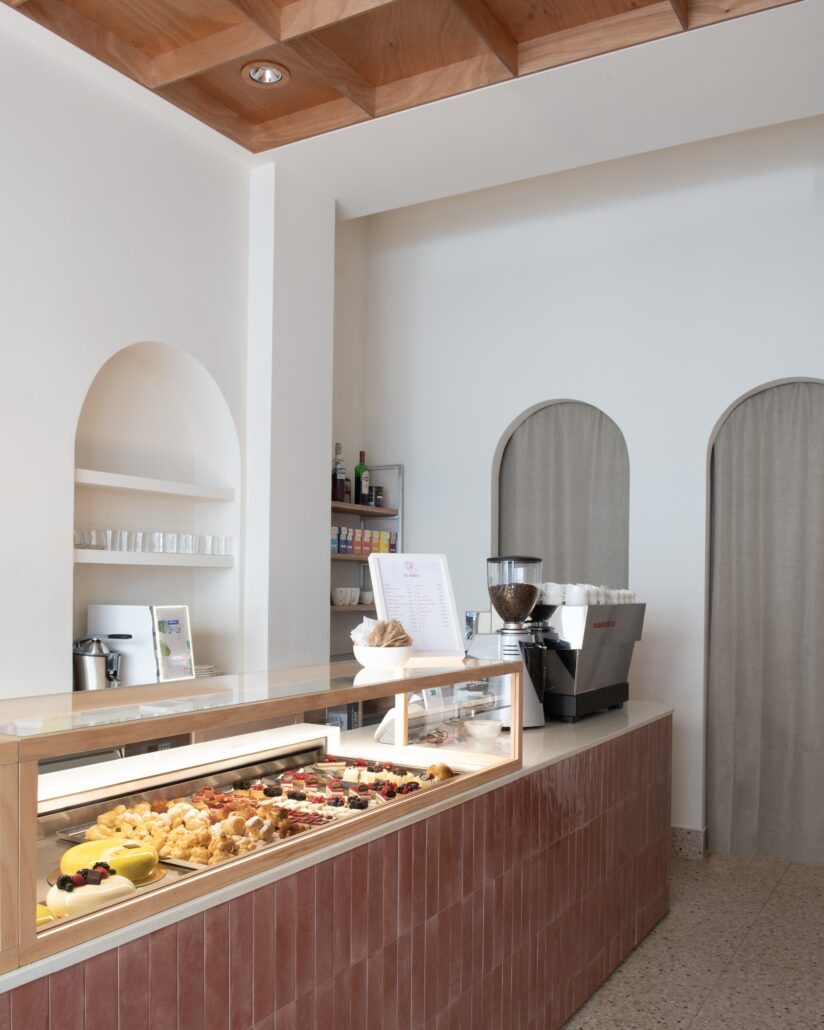
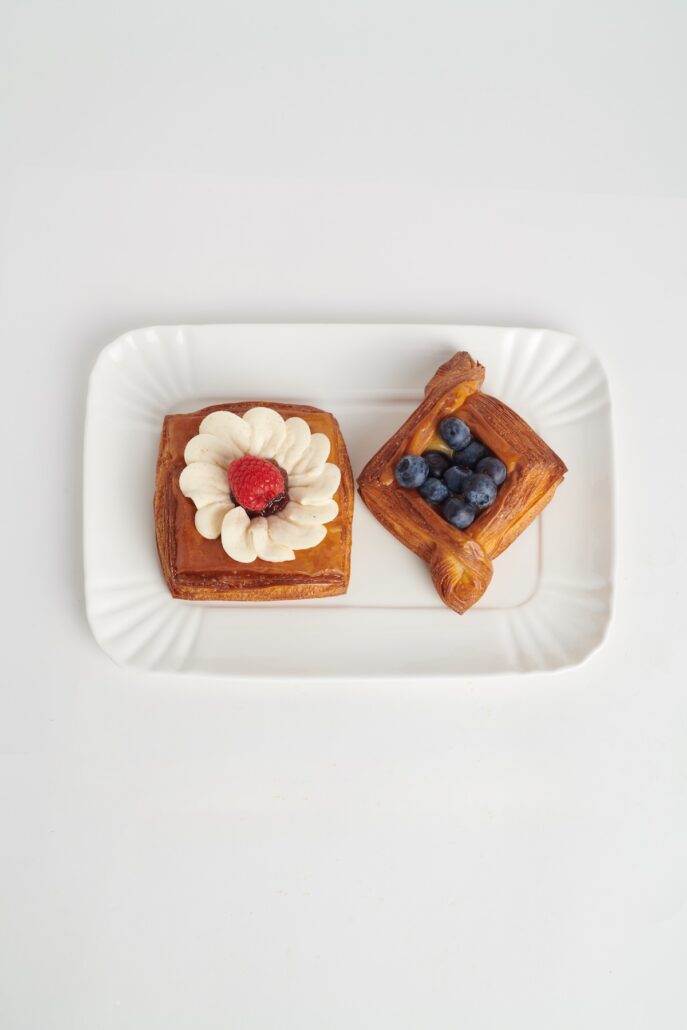
I almost forgot: on the Italian side, Laye mentions another idol, Gianluca Fusto. And staying on this side of the Alps, but with an ear tuned to major cities around the world, I ask what they think at La Mary about choosing to open an old-school pastry shop in the era of Nordic-style bakeries. “Look, I always start from the idea that Milan is an international city. A lot of people pass through from abroad, or move here to live, work, or study. And many come from countries where this ‘dominance’ has been established for longer. So if Milan wants to offer that kind of ‘service,’ great – why not. But I see those places as catering to a younger audience, one that’s also very tuned into the internet. So they get more crowded, they’re trendier. Can you imagine a sixty-year-old waiting forty minutes in line for a cinnamon roll?” In any case, by 6 p.m., there’s almost nothing left on La Mary’s counter. They must have gotten something right.
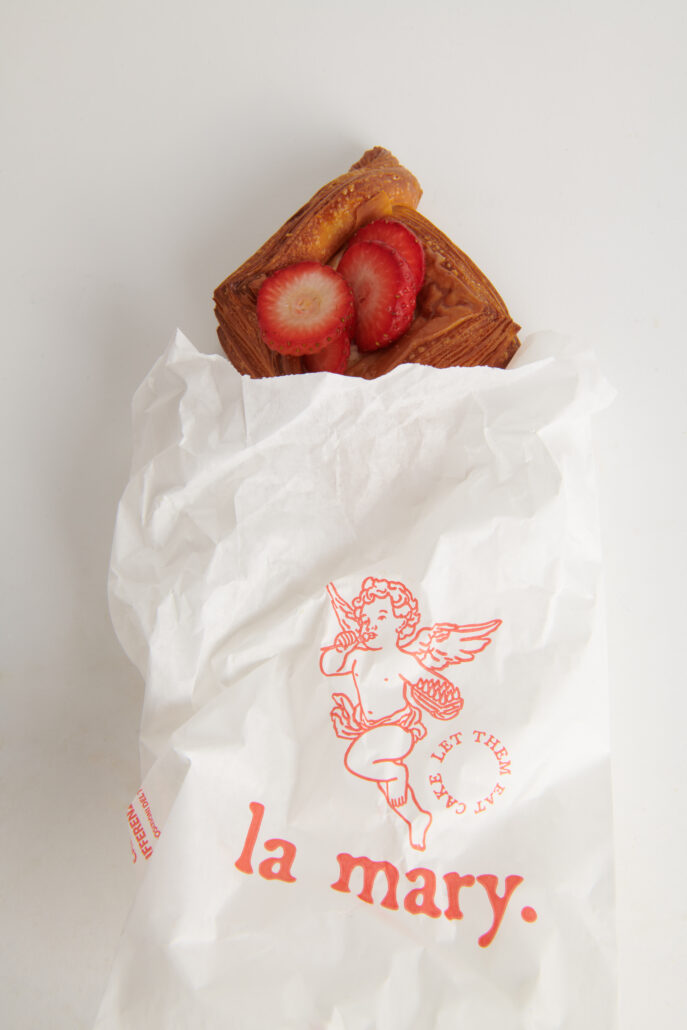
There’s one more detail to explore. Because, in any case, La Mary participates in this cosmopolitan spirit through its visual identity. A faux-Liberty font, a cherub drawing as a logo (by British artist Anna Higgie), a beautiful red – and the name itself, which Laye explains to me. “It’s a reference to Marie Antoinette and her famous phrase, whether she actually said it or not: ‘Let them eat brioche.’ Well, here, you can. With French pastry.”
The shop’s motto could only be: Let them eat cake.
If you happen to be in the area, your “cake” of the day might be their very pretty cheesecake, which you’ve probably seen circulating a lot. But Laye’s current recommendation is to go for a new creation: a peanut mousse base, with pear purée and apple compote inside, dulcey chocolate, and a crunchy base. On top, a sprayed glaze. And when will we see something featuring a Senegalese ingredient?
“I’d like to develop something. Peanuts and cashews are already popular here, but I’m also trying to source baobab fruit – called monkey bread. It’s huge, with an incredible pulp, but you have to be careful to balance it so it doesn’t overpower everything else. It used to be overlooked, now it’s having a revival. But it’s still easier to find it in France.” Why am I not surprised?