The pie of reindeer bone marrow at restaurant Credo in Oslo is a piece of art. Shiny, golden dough surrounds a bare marrow bone sticking up in the middle. The dish is served on a bed of moss and delicate spruce branches and is inspired by a more than 800 years old Norwegian recipe, with ingredients like long pepper, allspice, nutmeg, cinnamon and cloves. It’s hearty, juicy and comforting.
“Back then, the pie was made in a different way, using finely milled reindeer bones in the pie crust and cooking it for a long time,” says Heidi Bjerkan.
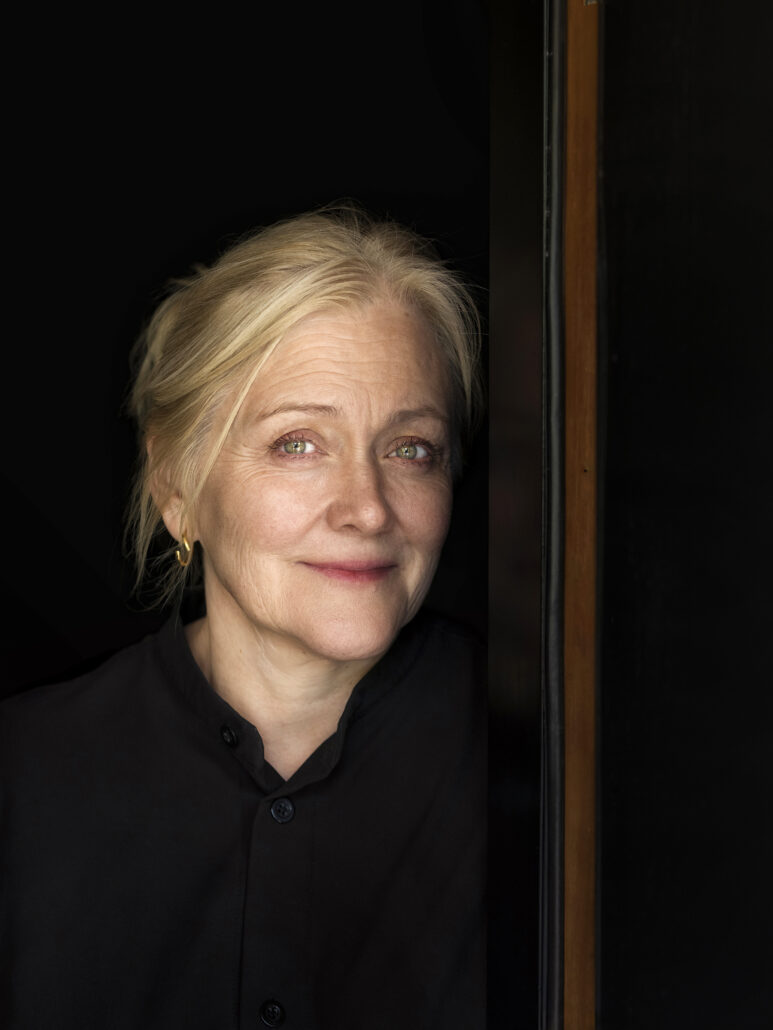
She started restaurant Credo in Trondheim, Norway’s third largest city, in 1998, but took a seven-year break to become the chef for the Norwegian Royal family.
After returning to Credo in 2019, the restaurant received a Michelin star and a green star. As a chef, she is known for promoting Norwegian food culture and for her long-term collaboration with farmers and small-scale producers across the country. Last year, after 25 years in Trondheim, Heidi Bjerkan decided to move the business to the National Library in Oslo, the capital of Norway.
“It was mainly for economic reasons, but also because we were able to enter a national library with so much knowledge.” Her ambition is to utilize the great source of know-how about historic Norwegian food culture in the building and put it into action in the kitchen.
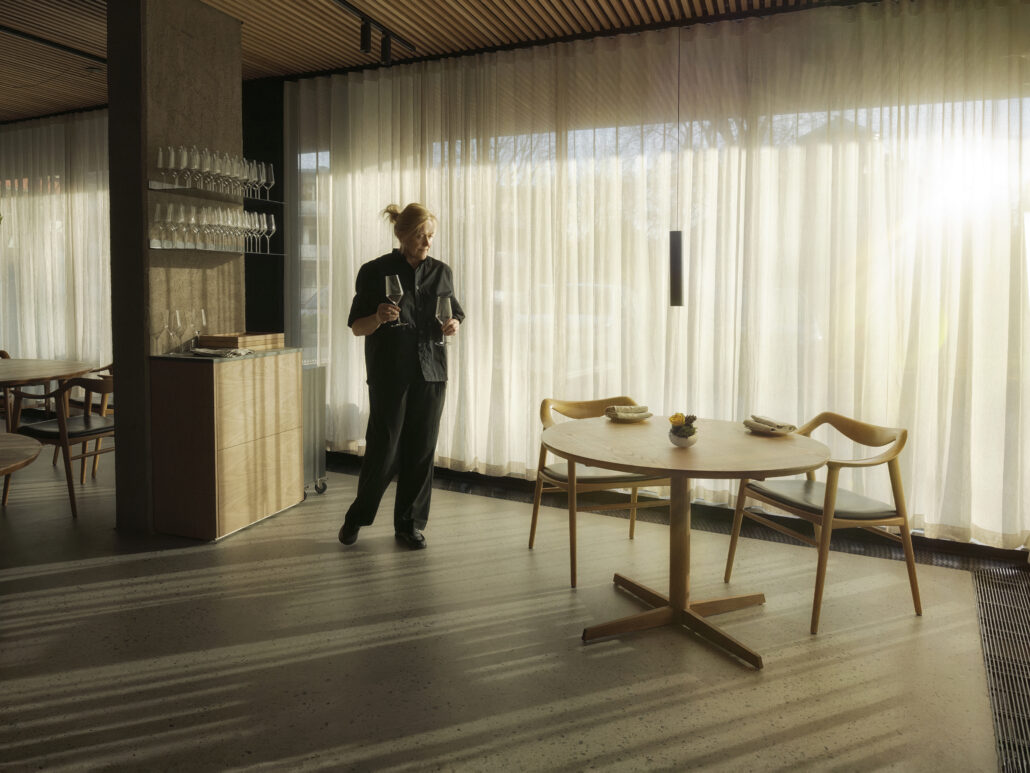
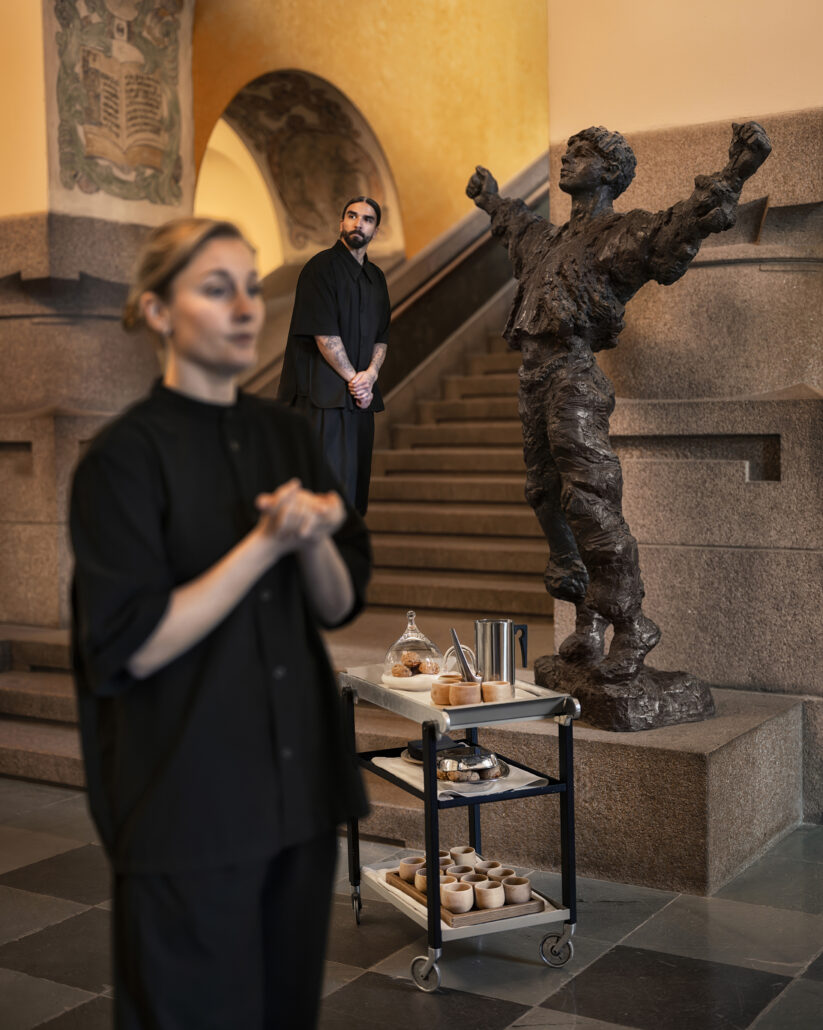
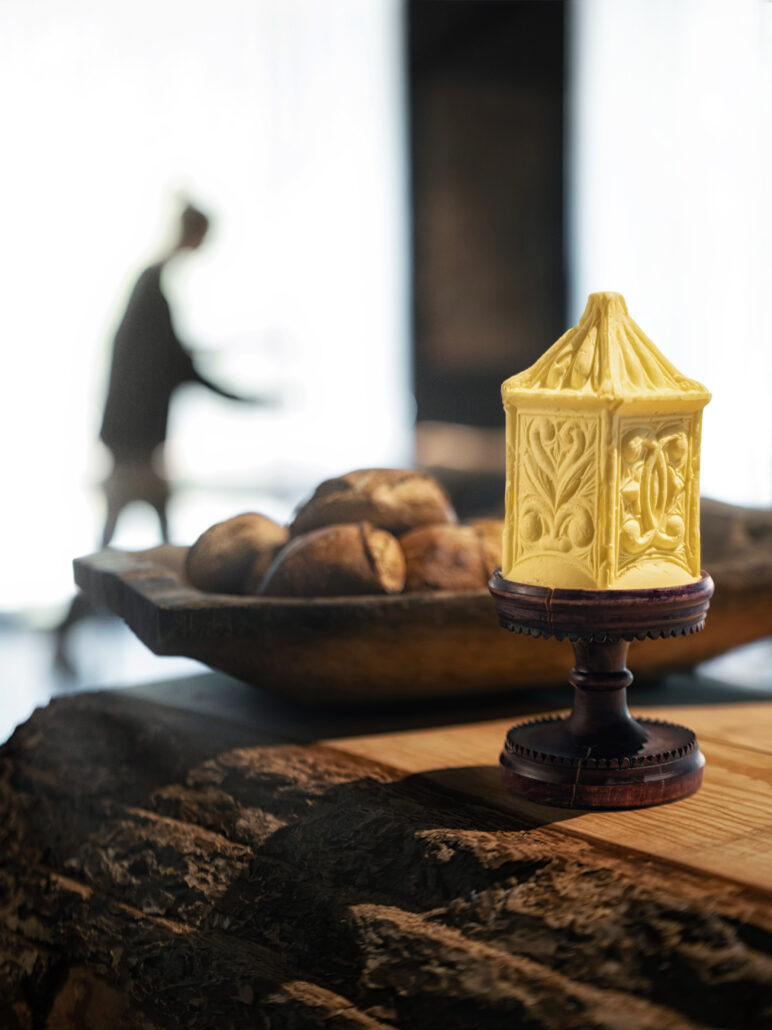
The stately building in national romantic architectural style from 1914 includes not only Heidi Bjerkan’s twenty-seated fine dining restaurant with its 9-seat food bar. The team at Credo also run the National Library Bar on the second floor, a 200-seat lunch and dinner canteen and an artisanal bakery with café in the same building working with organic produce and flour from heirloom grains. During the summer, a large outdoor terrasse with 150 seats is added, serving food from the barbecue, rotisserie and the smoker. “I’m very excited to serve organic chicken from Hovelsrud Gård on the rotisserie”, says Heidi Bjerkan. “It’s the best chicken. Just imagine getting a whole chicken with sides dishes and share it with ten persons.”
Credo, with all its different components at the National Library, is a major undertaking, but it is funded by Heidi Bjerkan herself.
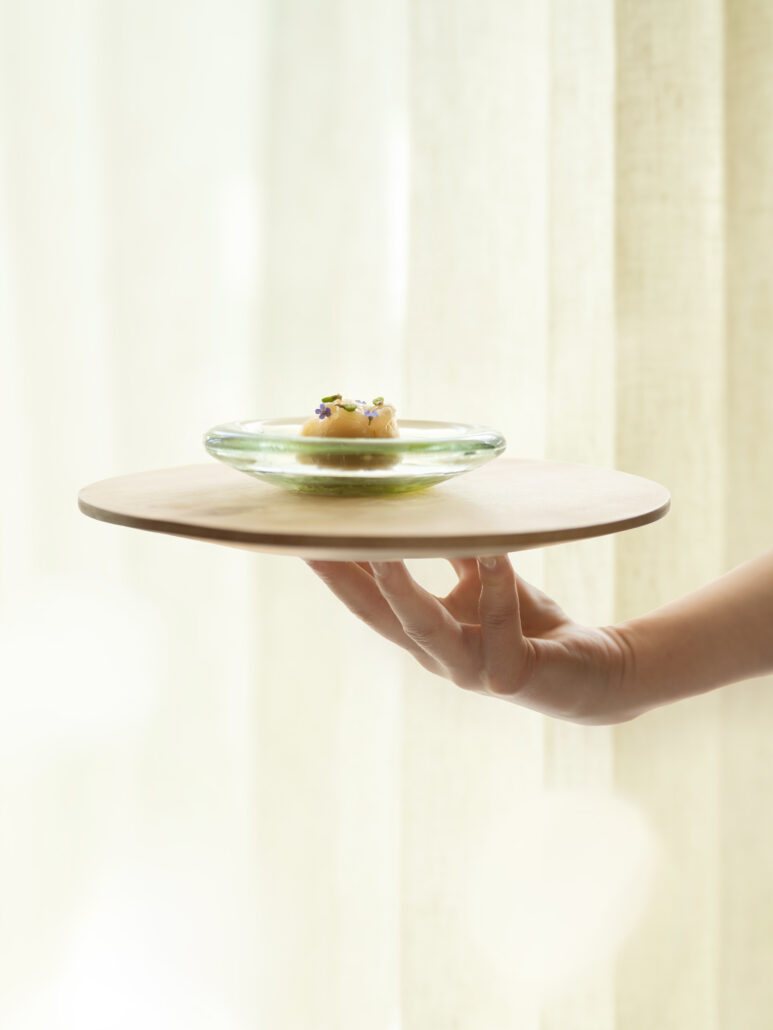
The fine dining restaurant’s tasting menu starts with a display of small, elegant seafood dishes already on the table at your seat. The dishes are based on the close relations Credo has developed throughout the years with fishermen and providers along the extended Norwegian west coast.
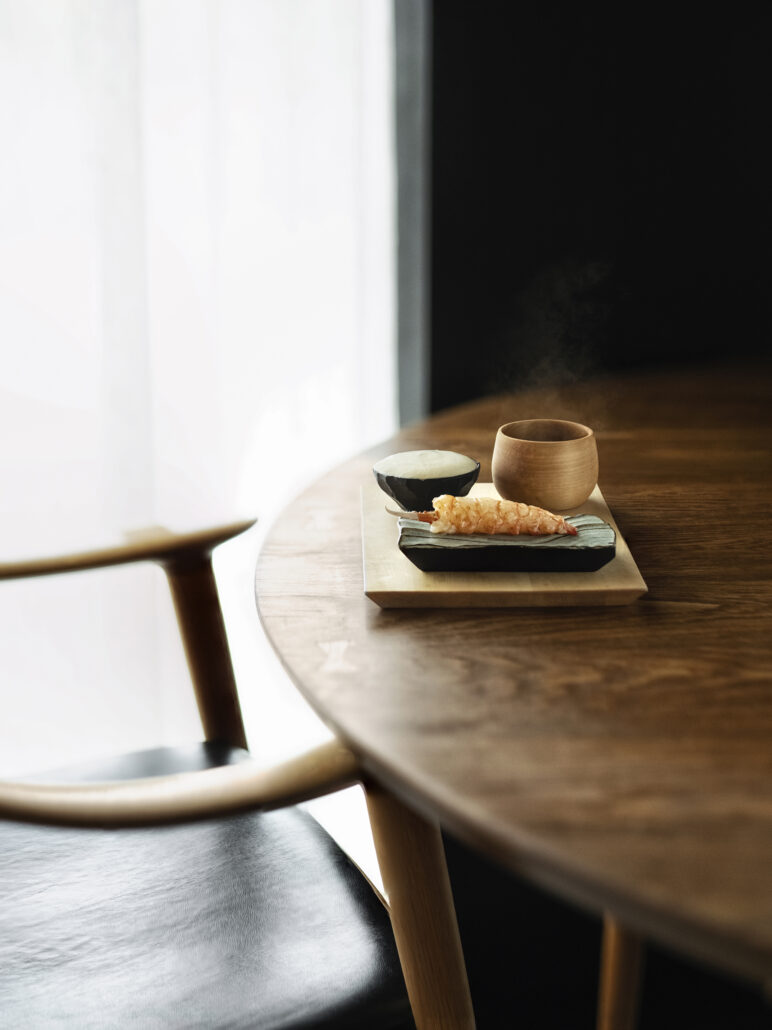
Flat Ostrea edulis from Bergen are served with thinly sliced daikon from the restaurant’s own garden and refreshing apple granite. The langoustine tail comes on a stick to dip in both creamy, burned butter emulsion and a comforting, warm bouillon.
The crab comes with elderflowers, figs and kohlrabi, while the soft-textured raw shrimp is served with horseradish, cream and dill oil. There’s a trio of clams – the scallop from Hitra served with chestnut and bergamot, the Northern horse mussel with a creamy fricassee of Jerusalem artichoke, and the long-lived Arctica islandica with distinctly citrusy ponzu dip, grilled onion and pickled pinecones.
Apart from the marrow pie, three more elements of reindeer are presented. Intense, smoked reindeer heart with beetroot, grilled sweetbread tempura with oatmeal koji and fermented blueberries, as well as the immensely delicious skewered, thin slices of barbecued reindeer tongue with forest mushrooms and sour cherries from the garden of Credo’s general manager, Kaja Skovborg-Hansen. Finally, the reindeer blood is used in one of Credo’s signature dishes, blood sausage served with lingon berries and bacon. “I’ve worked with blood sausage for about 15 years. I usually use pig’s blood.”
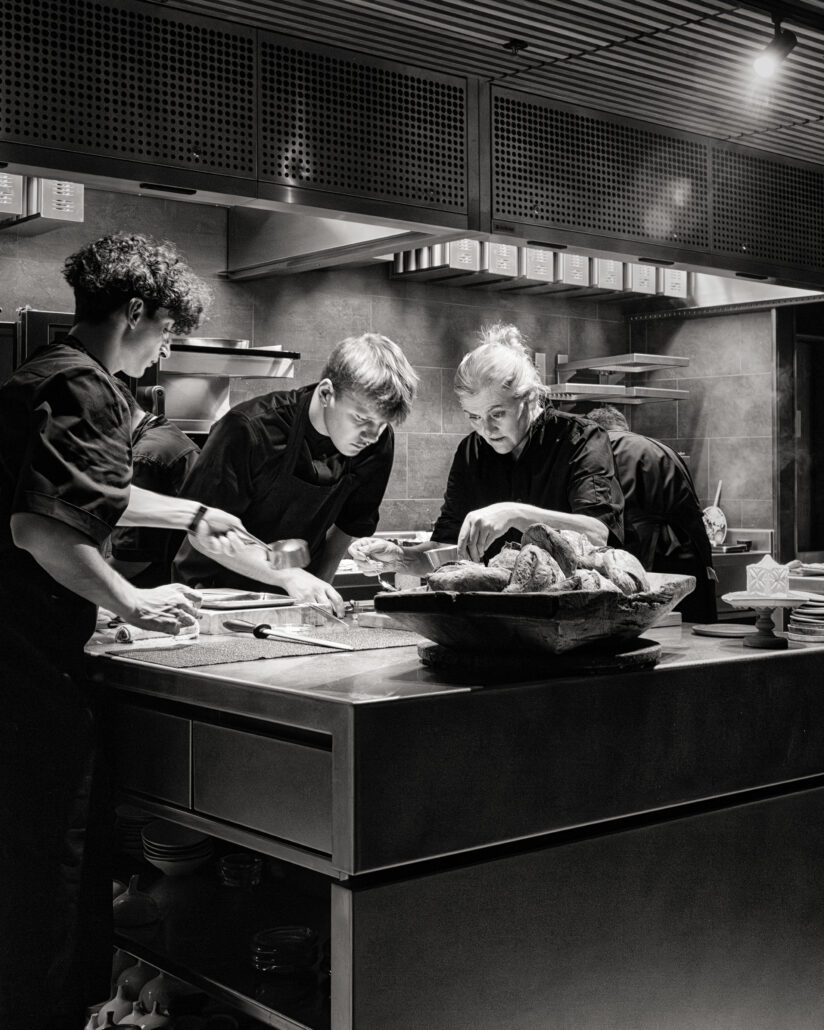
There are some 20 chefs working at Credo, between the restaurant and the canteen, with the idea that all chefs can work at all stations. Credo’s wine cellar with plenty of older vintages being build up during 25 years in Trondheim, is now managed by beverage director Álvaro Miranda from El Salvador.
Already in 2017, Heidi Bjerkan and her colleague Kaja Skovborg-Hansen founded a food court in Oslo called Vippa. It’s located right on the quay in the Oslo harbour, overlooking the boats in the beautiful Oslo Fjord and the closest islands.
When they first saw the old, huge fishermen warehouse in corrugated metal filled with graffiti on the outside, they couldn’t resist the temptation, the location was just too good.” It is the best location in the whole city”, says Heidi Bjerkan.
She considered this is the perfect venue for what she calls” modern Norwegian food culture”. There are no mutton stew or waffles with brown cheese, but Syrian street food, Guatemalan tacos, Maroccan tagine, Greek souvlaki and Chinese noodles, Arabic pizza and palatha from Myanmar. The food stand operators are encouraged to use local, sustainable produce from producers in the Oslo region.
“I built up a food hall with a social entrepreneurship mindset and a desire to create a kind of school and a way to integrate people who come to Norway and who also bring their own food culture. Norwegian food today is Vippa.” Originally, the idea was to let the food stand operators to stay for one year and then let them go on to open their own business. However, after the pandemic, job security became much more important. Today, if people enjoy their job at Vippa, they can stay longer.
At Credo, the tasting menu concludes with sweet dishes. Milk ice cream with quince, coffee crumble, licorice, and bay leaf is followed by mignardises such as crispy Norwegian waffles with cloudberries and brown cheese cream, walnut praline with mushrooms and toasted yeast, as well as a warm, comforting Berliner doughnut with refreshing pine wood filling.