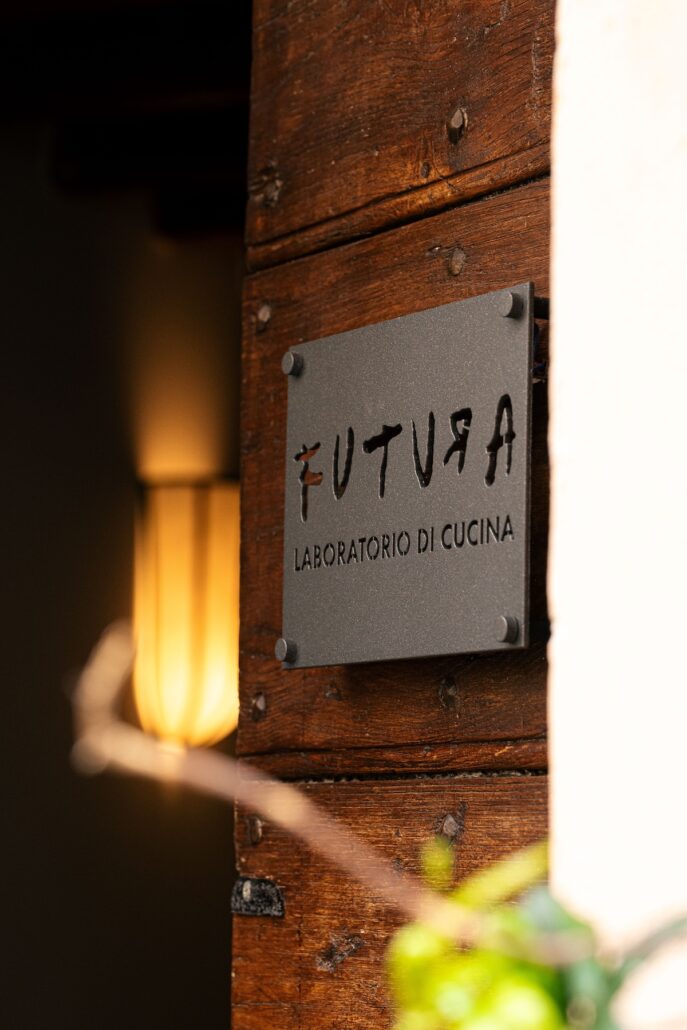
Futura is a new restaurant in the Rione Monti district of Rome, not far from Termini station, created by the young chef Anastasia Paris along with her two partners and friends, Flavia Ercoli in the kitchen and Luigi Carofilis in charge of wines.
This is the first solo adventure of Anastasia, born in 1994 in Celano, in the province of L’Aquila, who, after many experiences in Italy and abroad, has found her “home” in one of the most characteristic areas of the Capital. “I have always loved Monti, it is the neighborhood of my heart and Via Panisperna is the street where I take a walk in my moments of rest. With Flavia and Luigi, there is a mutual respect: I had already worked with her and knew her skills well, while Luigi was a discovery, although I have always been impressed by his savoir-faire, his knowledge, and his passion for wine. It was natural to understand who should do what, we didn’t plan it out, it was spontaneous, each respecting their own knowledge and capabilities, which together allowed us to create Futura,” explains Anastasia.
The familiarity with the previous management of the location, where Futura is now situated, sealed the deal: “I knew the previous ownership because I did a post-COVID consultancy here and fell in love with the place, a gem with huge potential. So when the owner told me she wanted to leave Mariolina (the name of the previous restaurant, editor’s note) , I seized the opportunity. I couldn’t imagine a better place for my restaurant, small and intimate.”
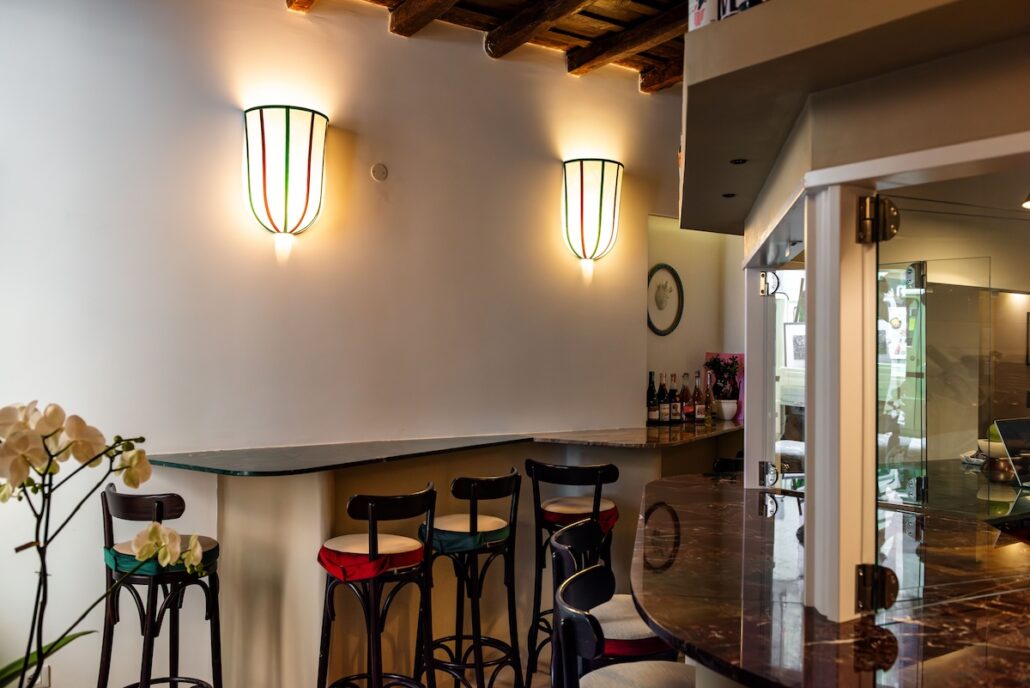
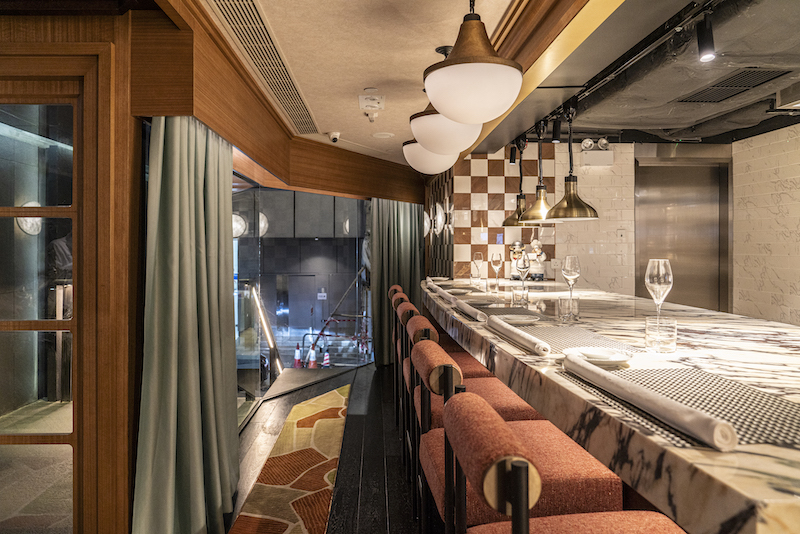
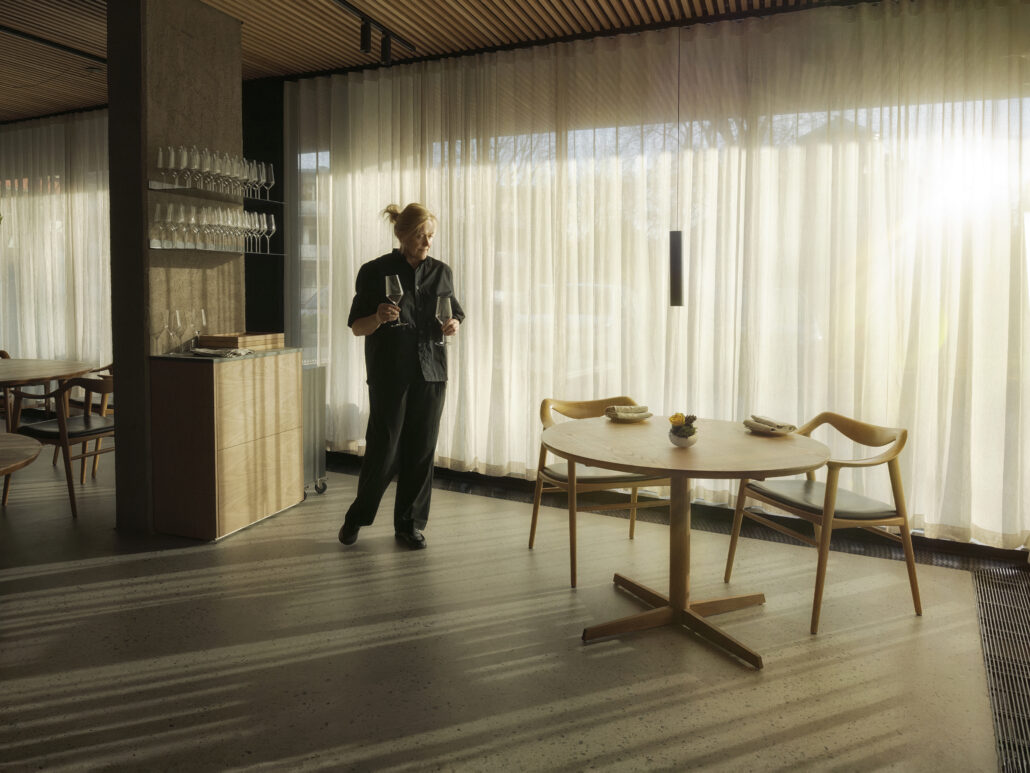
The venue is very intimate, minimalistic, welcoming, and feels like home. It accommodates only around twenty guests, with the kitchen completely exposed and a marble chef’s table where each dish is presented directly by the chef. Alongside high tables, the setup features sinuous curves that enhance a convivial atmosphere and ensure that guests are not facing the wall. “The idea of the chef’s table originated when I worked in the front of the house at Osteria della Trippa and discovered how much I enjoyed the direct interaction with customers, guiding them towards a choice tailored to their needs and preferences and sharing the experience with them,” she explains.
“I started to look at things from a different perspective and better understand who sits at the table.”
“I didn’t want to lose the experience of being on the other side, so the chef’s table seemed like a good idea to be in the kitchen and in the dining room at the same time. It’s working very well, it’s a formula that people enjoy. We had some issues with the high seats at the beginning, people were skeptical, not used to it, but then, while eating, they appreciated and understood the essence of Futura”, the chef explains.
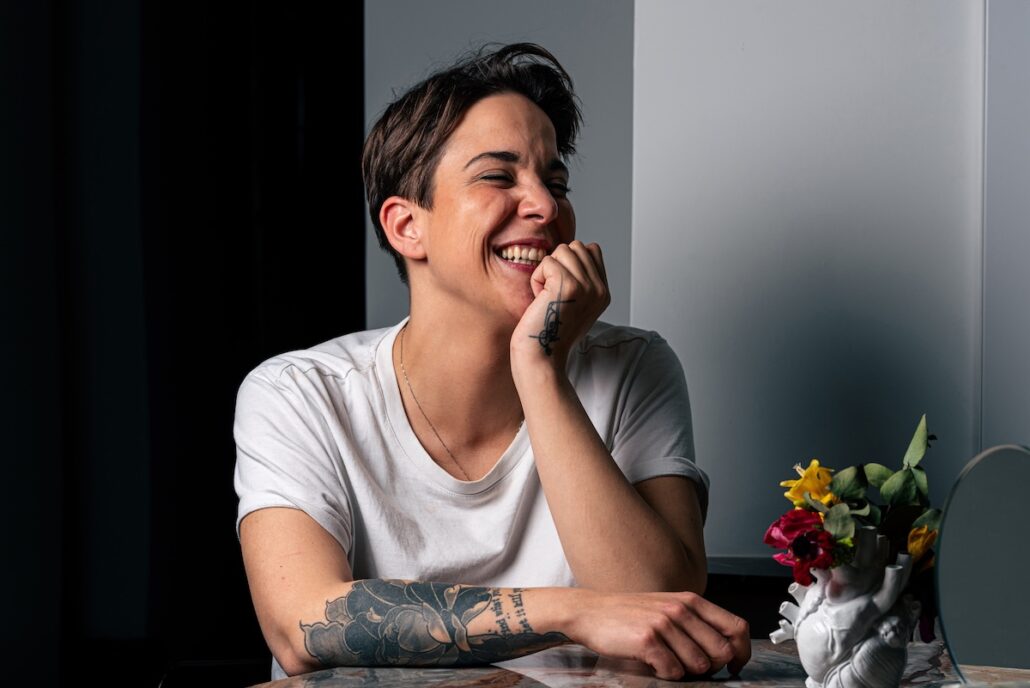
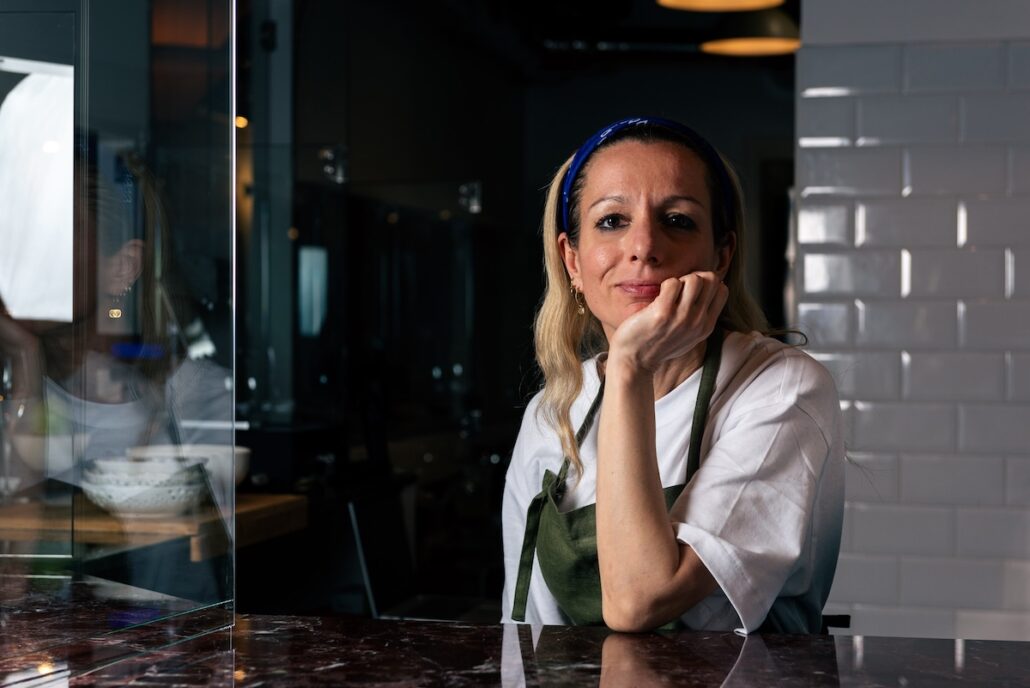
Anastasia Paris, a high school graduate with a sweet gaze and open smile, despite her young age, boasts a remarkable wealth of experiences, spanning across restaurants, butcher shops, catering services, and many hotels in Abruzzo (at the family establishment), Umbria, Sardinia, Liguria, Australia, and Rome, including Osteria della Trippa in Trastevere where she worked in the dining area. All these experiences have allowed her to gain a deep understanding of raw materials, as evidenced by her mastery of meat cuts and artisan techniques, such as working with cured meats, which are also featured on the menu at Futura. Her extensive preparation in seafood, stemming from her time in Sanremo, is also noteworthy. “My most formative experience was in Sanremo, at the Royal, a luxury 5-star hotel, both because it was the first time I had moved away from home, and because I became a section leader, with added responsibilities. I learned discipline and how to handle raw materials, especially in seafood, which also assisted me in the fifth quarter. At 31, I realized that my culinary style could no longer be contained within the boundaries of others, not in terms of skill but in terms of ideas; I could no longer identify with any project. This is why I can define Futura, whose name is inspired by the song of Lucio Dalla, as the completion of a cycle and simultaneously the beginning of a new one.”
“A concrete cuisine, without fanciful flights and speaks to everyone.”
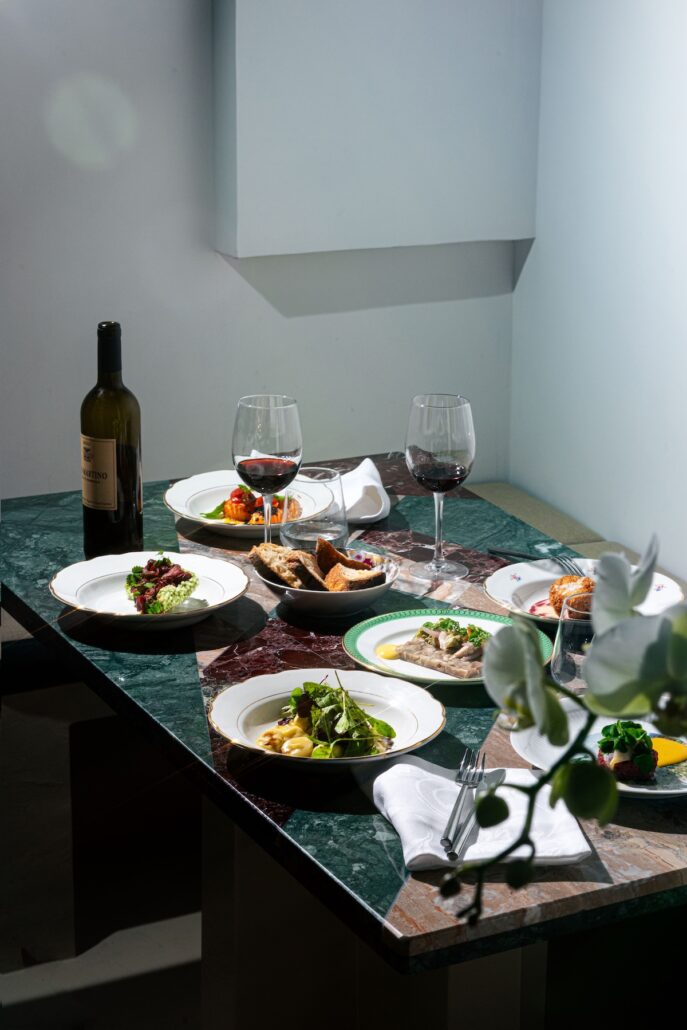
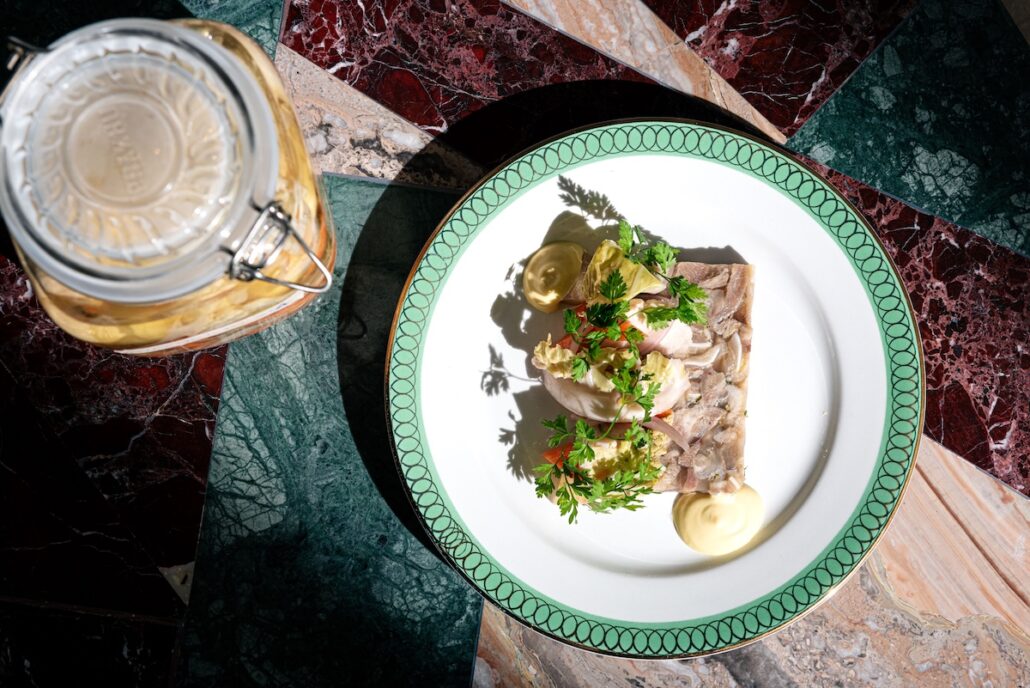
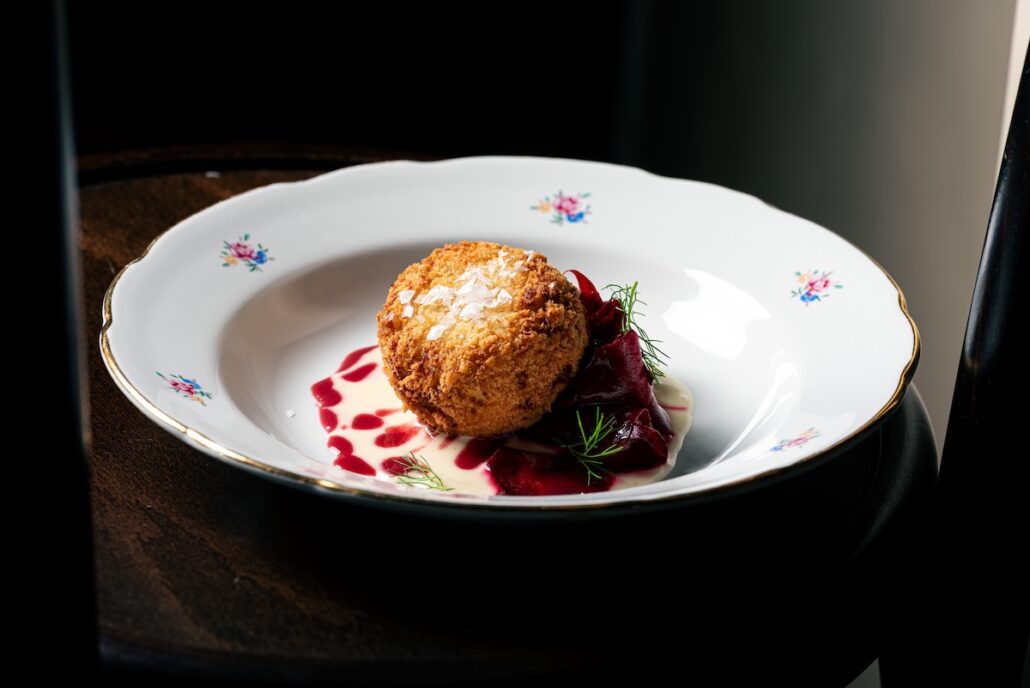
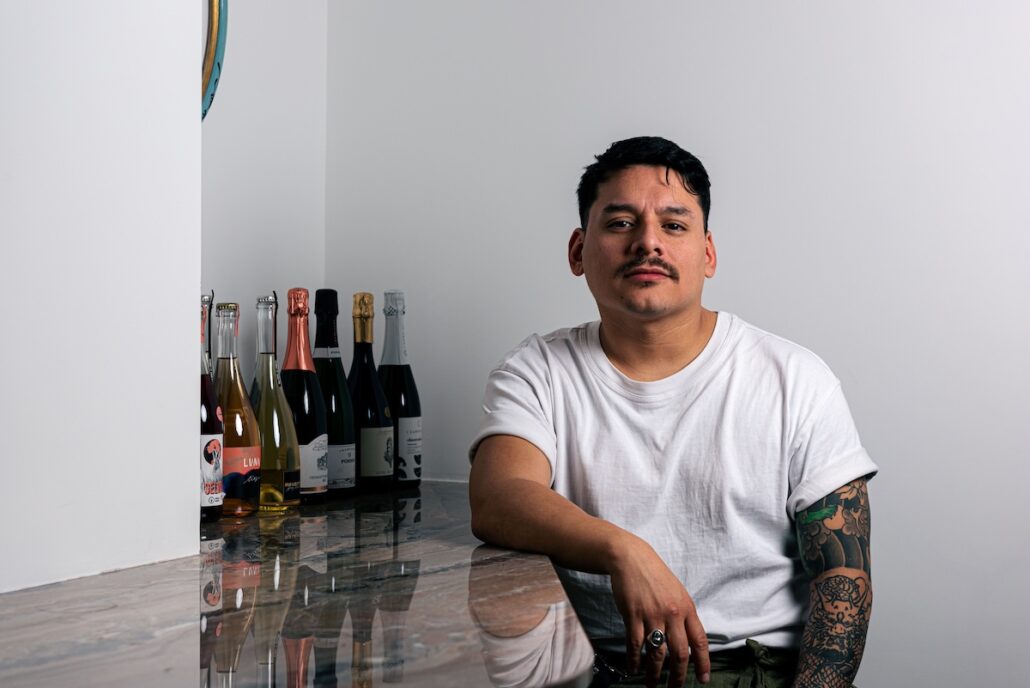
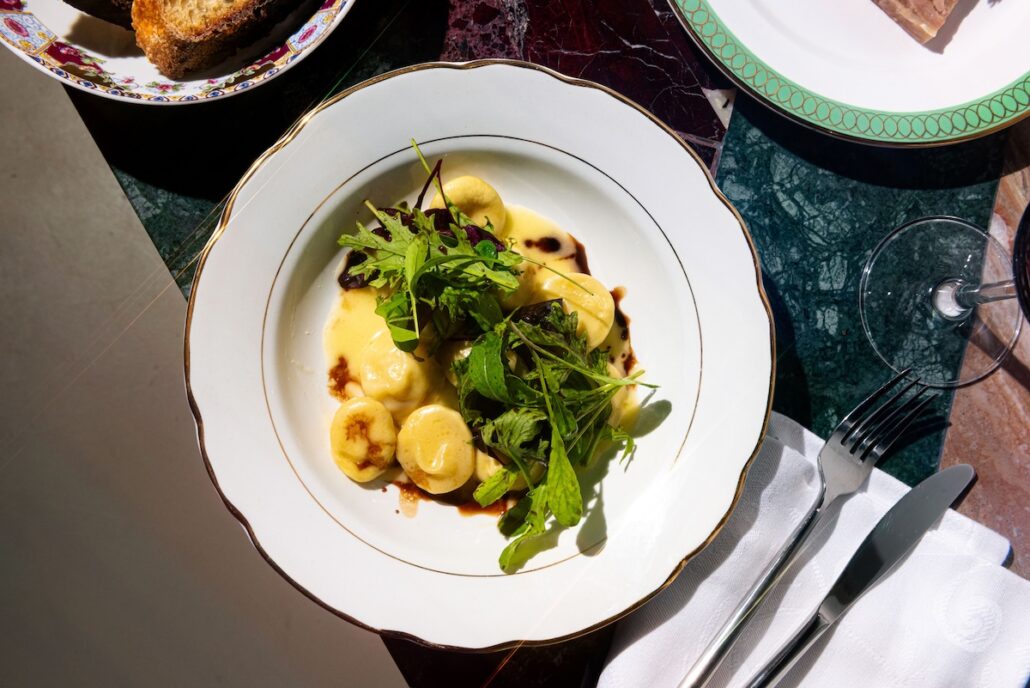
This is the style that Anastasia Paris herself defines as Futura. A contemporary Italian cuisine that looks into the confines of tradition without distorting it, always seeking flavor balance. A lean and current menu, our Evergreen, featuring 8-9 fixed dishes (rotating every two months) and 5-6 off-menu items changing weekly based on daily market shopping, including meat, homemade pasta, seafood, vegetarian, and vegan dishes. “Often, people are impressed by the menu and ingredients, but then, once they taste the dish, there’s nothing left. Here, we want to do the opposite,” clarifies the chef, who has a clear vision: “Our goal is to focus on the overall harmony of the course, understandable and enjoyable even in the most adventurous dishes.” These dishes emphasize delicate flavors, such as the Button filled with potatoes and thyme, smoked butter by Paolo Amato, bitter herbs, and cooked must, or stronger flavors, like the fifth quarter “I love working and softening” in the Lung roasted and then cooked sous-vide, with onion and cucunci in tomato, served on a tapioca wafer. The menu also includes lamb, a tribute to Abruzzo and its culture, inside the Gyoza with “ajo” and fried cabbage, as well as vegetable options like the Vignarola meatballs with sour milk cream, and desserts such as Panna cotta with wild fennel pollen and extra virgin olive oil. The bread is from Luca Pezzetta (from Microforno in Fiumicino), while the lunch menu, SuperA, follows the same approach but with quicker and more agile preparations. The wine list, curated by Luigi Carofilis, is designed like the menu, intentionally concise, featuring 50-60 labels, mostly biodynamic with some organic and natural labels, for now. “We chose wines that we enjoy, but at the same time, we aimed to appeal to a broad audience,” explains the sommelier.
Next plans for Futura? “Collaborative dinners and events outside Rome but right now it’s important to focus on Futura and what we have here, creating a solid foundation. All our energies are on this, and there is still much to do, refine, and review.”