The North Side
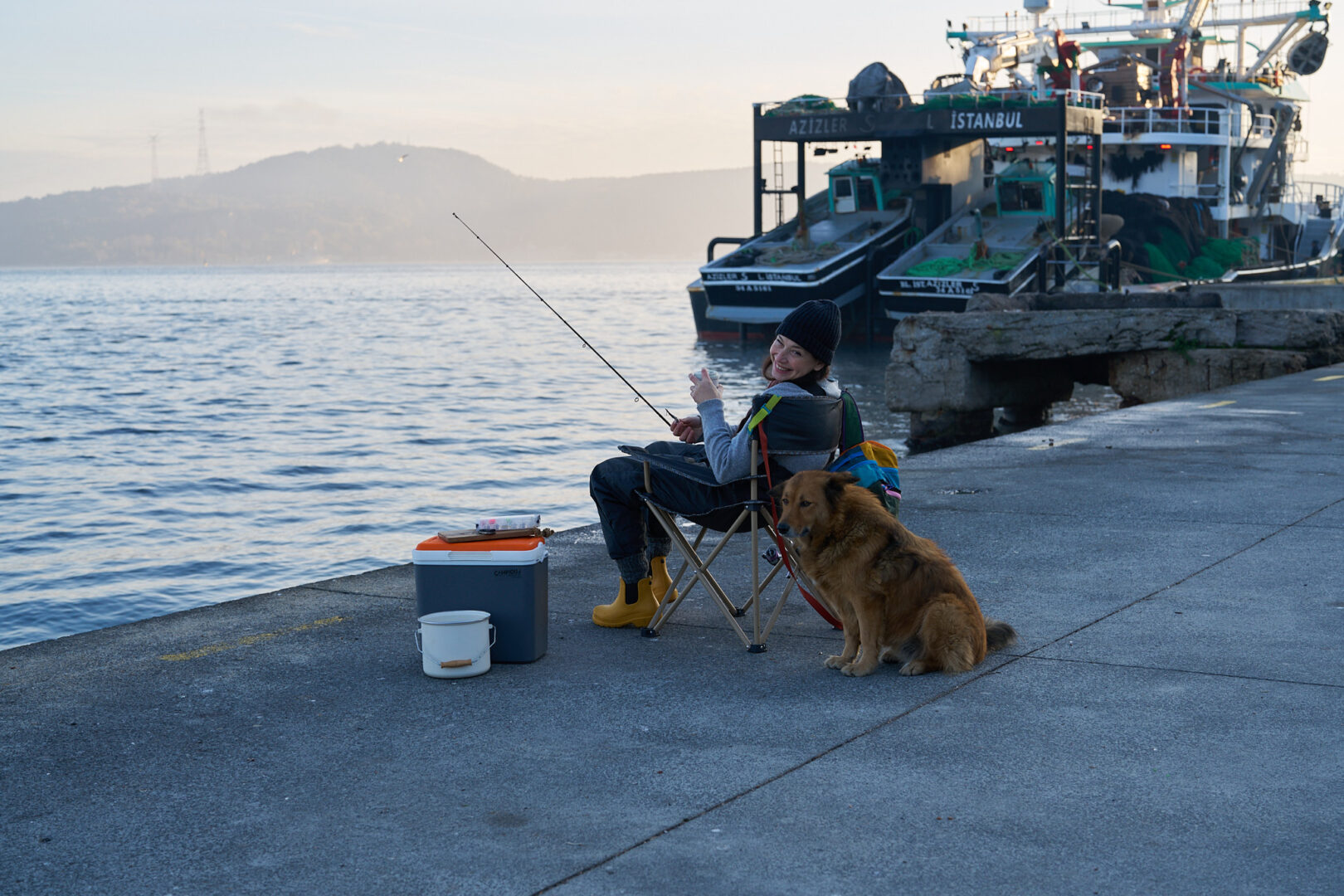
The Bosphorus is a curious case. On the East you have the Asian continent, and on the West the tip of Europe. That much is clear to anyone who has ever heard of it; the curiosity begins when you live by it. There is no such thing as a south side here, not in any meaningful sense, but the North of the Bosphorus is its own distinct world. The fishing boats that venture out to the Black Sea are moored along its coast, where East and West stretch away from one another. The eponymous yalıs — the wooden seaside mansions that exhibit the grandeur of what İstanbul once was, and perhaps still is to those who can afford it — give way to shabbier homes of old İstanbul folk, and then to green forests protected by military zones, as the strait opens toward the southern gateway of the Black Sea.
The Bosphorus feels darker, deeper, cooler on this side; the seagulls more fierce, life more like it was years ago. The pace is slower, with less rush, less traffic, fewer people. Come season, dawn is the busiest hour, when the coast floods with fishermen and rods. If you ever walk that shoreline for a bit of sea air, you must watch for hooks and gear held skyward, or you risk losing an eye. The fishing villages, whose names may have changed over a century, still resemble what they once were; unlike Arnavutköy — what we may consider mid-Bosphorus — which has succumbed to nightlife and lost most of its original inhabitants.
Log in or subscribe.