Ludwik Lejzer Zamenhof is an oculist. He was born in the second half of the nineteenth century in Białystok, in eastern Poland. In 1887 he published a book, Unua Libro, and signed it with the pseudonym Doctoro Esperanto. The book aimed to outline a new international language, which would later be known as Esperanto. Zamenhof, who knew several languages, had devoted the years preceding its publication to writing the rules of a new language which, by combining elements of Indo-European, Nordic and Slavic idioms with Latin and Greek, would facilitate international dialogue and become the foundation of a new, peaceful humanity. To allow as many people as possible to use Esperanto, the rules are fairly simple and aim to eliminate any possible ambiguity between the written sign and its pronunciation. “Ĉi tiu plado estas tre bongusta.”
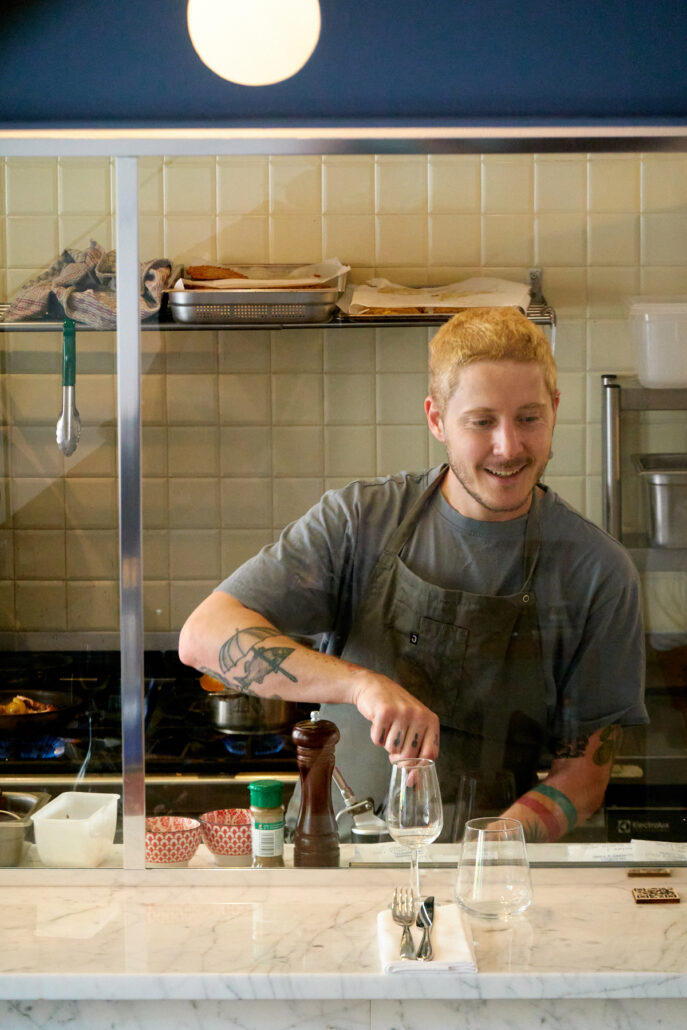
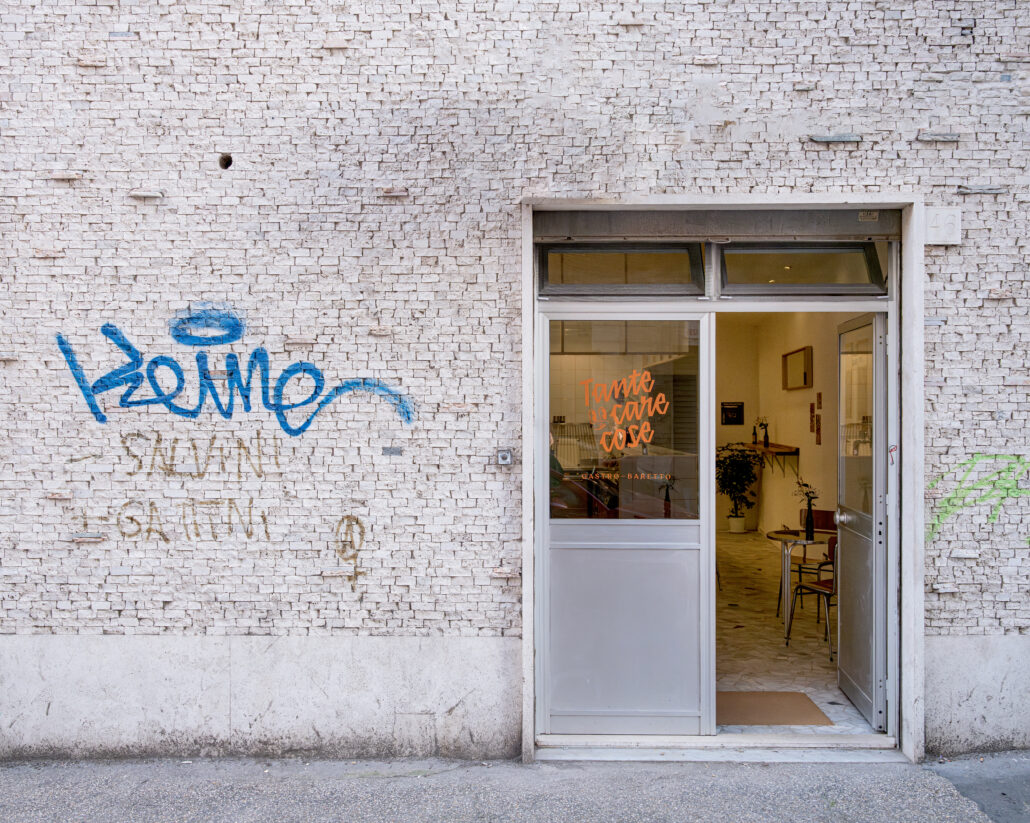
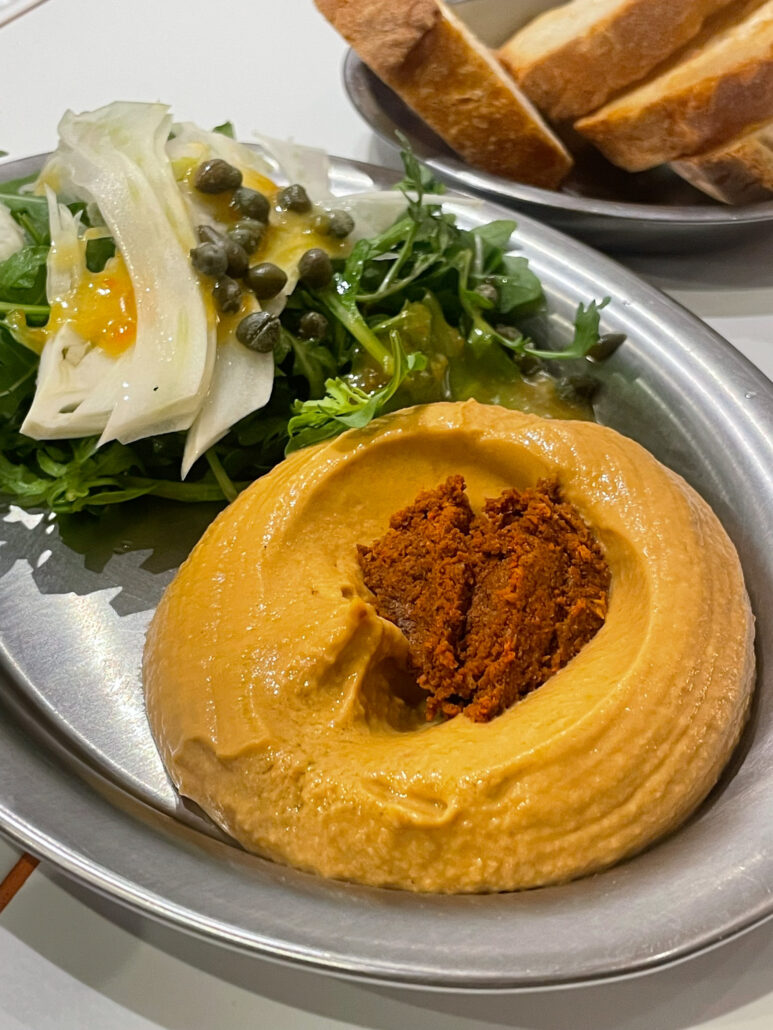
“This dish is delicious”, I think to myself at Tante care cose, a place opened in June 2025 in Rome, in the small stretch of kilometres between the neighbourhoods of Pigneto and Torpignattara. I’ve just spread a carrot ’nduja on a piece of warm bread: the Calabrian cured meat reimagined in a vegetarian version, with a carrot paste replacing the pork, a recipe one of the guys from the place noted down while working in a South American restaurant in Berlin.
An Esperantist declaration of intent: using international ingredients and preparations while trying to build a new grammar.
A fun game, both for those cooking and for those standing on the other side of the white-tiled counter.
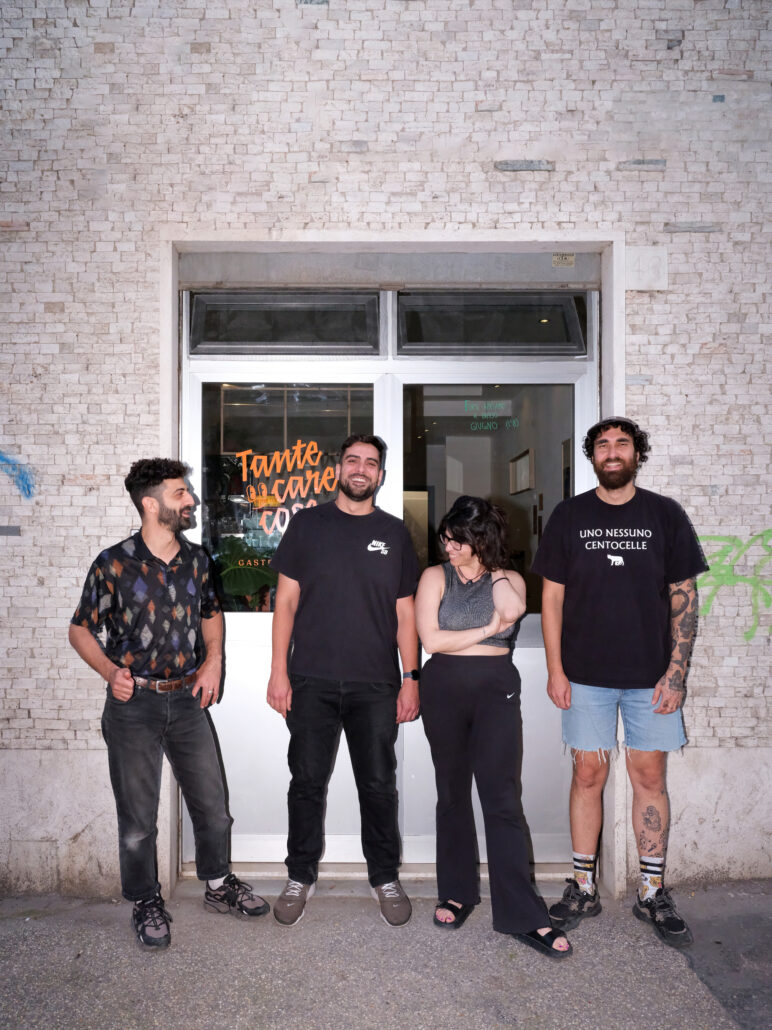
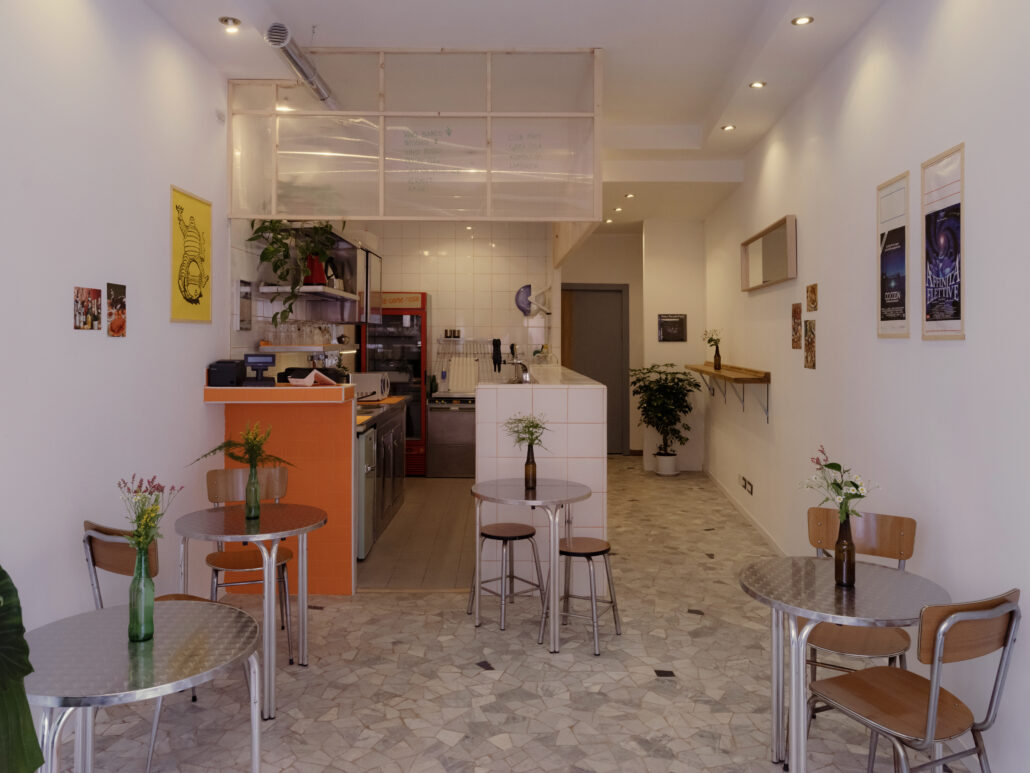
“In the post-lockdown period we were all a bit bewildered, a bit stuck – everything had come to a halt and we didn’t really know what would happen next. During a chat we started saying well, I would love to open a place, a restaurant – yeah, me too. And that’s how it all began.” Andrea Lazazzera was working as a section leader in the starred restaurant of a hotel; his younger brother, Marco Lazazzera, had just finished a kitchen experience in Berlin; Stefano De Marco works in film as an editor; and then there are Daniele Gargasole and Giulia Iannucci, with professional backgrounds in banking and academia. In looking for the path to a new chapter of life after Covid-19, the five start retracing the routes of the things they simply like. Among the many tante care cose of excellent taste are Spanish cañas, gochugaru, chimichurri, natural wine on tap, chilled vermouths, and fermented lemons.
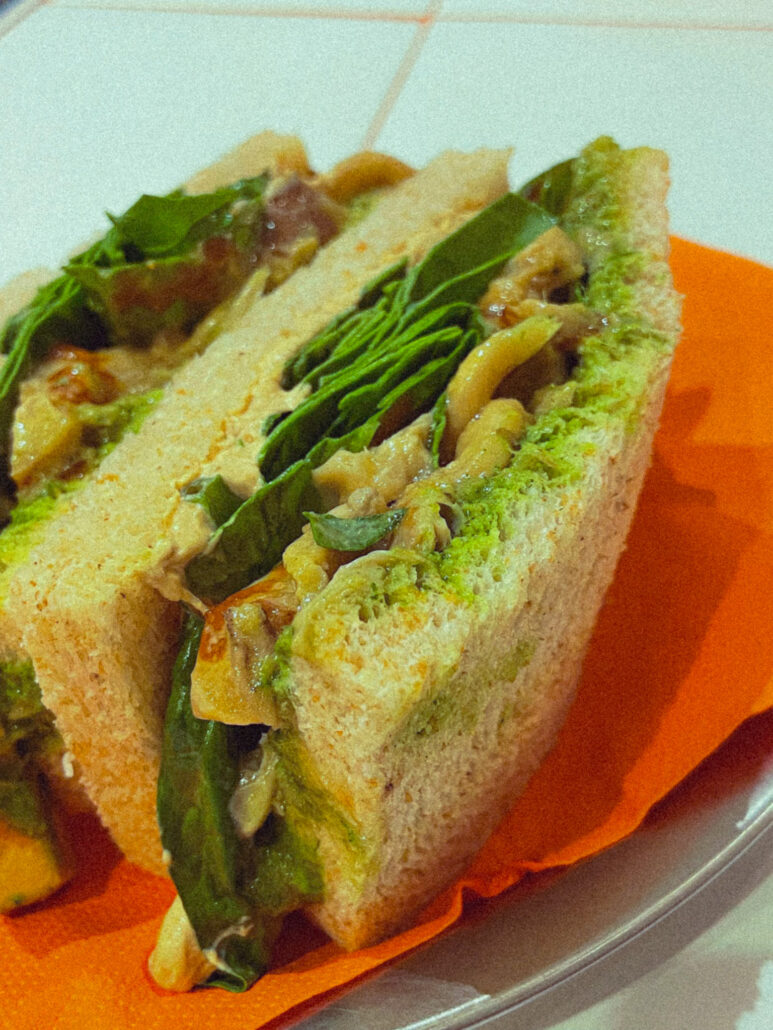
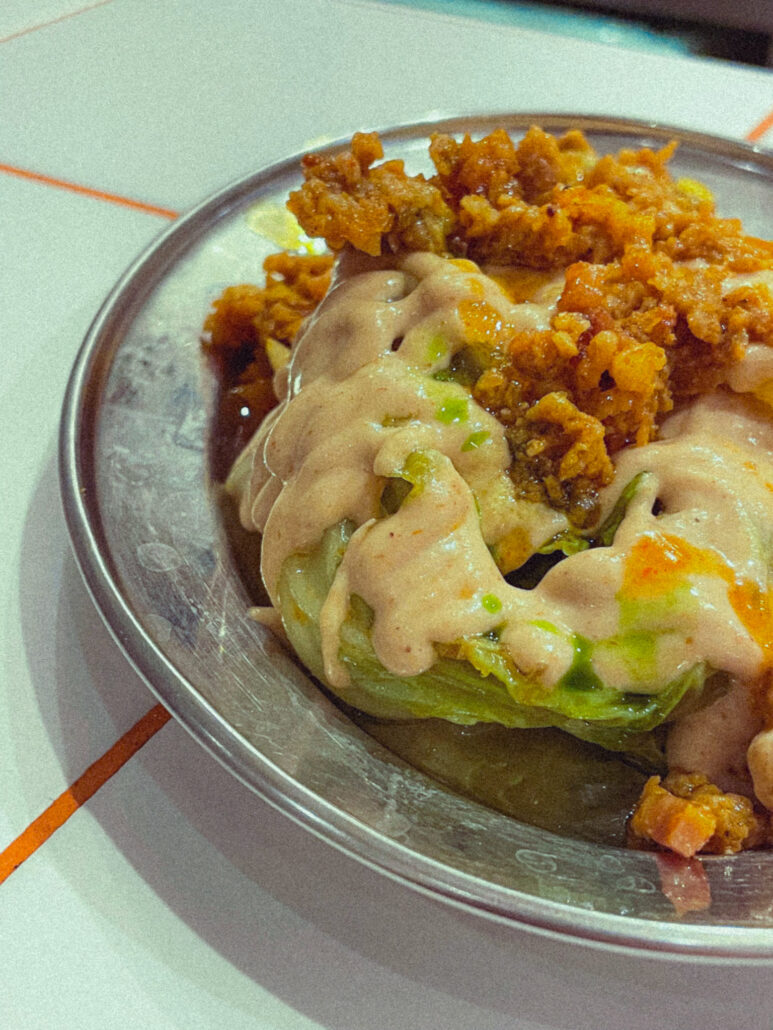
The “small plates” draw from different routes, as if it were a game played with those sitting at the table, inviting them to recognise a flavour tucked away in a drawer after a journey: crisp pizza bianca with chicken salad; the sandwich with mushrooms, spinach and South American chimichurri; cauliflower with Korean ssamjang sauce; gazpacho bruschetta with Turkish dried chilli isot biber; parsley oil with Maghreb harissa; seasonal fruit cut into small pieces with tajin spices and sumach.
The search for the place lasts four years, with all the bad luck that anyone who sets their mind on opening a venue knows all too well – contracts falling through, disputes with residents – then Tante care cose (which can be translated as “many lovely things”, ed. note) appears in a small spot in a corner of Rome that is trying to resist the saturation of venues and the massification of aperitivo culture with mixed boards that has swallowed up much of the surrounding areas. “We’re pleased that we also have a neighbourhood clientele. We had in mind an identity-driven offering, not only in the menu but also in the area, because a certain area identifies a certain clientele. It’s lovely that the people who come in are ones that we would gladly sit down with for a drink”.
An offering that, precisely in the cultural mix picked from different latitudes, instead of dissolving, becomes identity-defining.
“I felt that fine dining was no longer for me. So I tried to synthesise everything I knew and everything I had learned, while giving it an inclusive twist, experimenting with even slightly unusual pairings, but presented in a bar setting, more easy-going”. Andrea, and his partners, have always liked the idea of a tapas bar: it’s as if, during their travels outside Italy and from the little spots saved on Instagram, they had started taking a series of notes that eventually crystallised into the idea of Tante care cose.
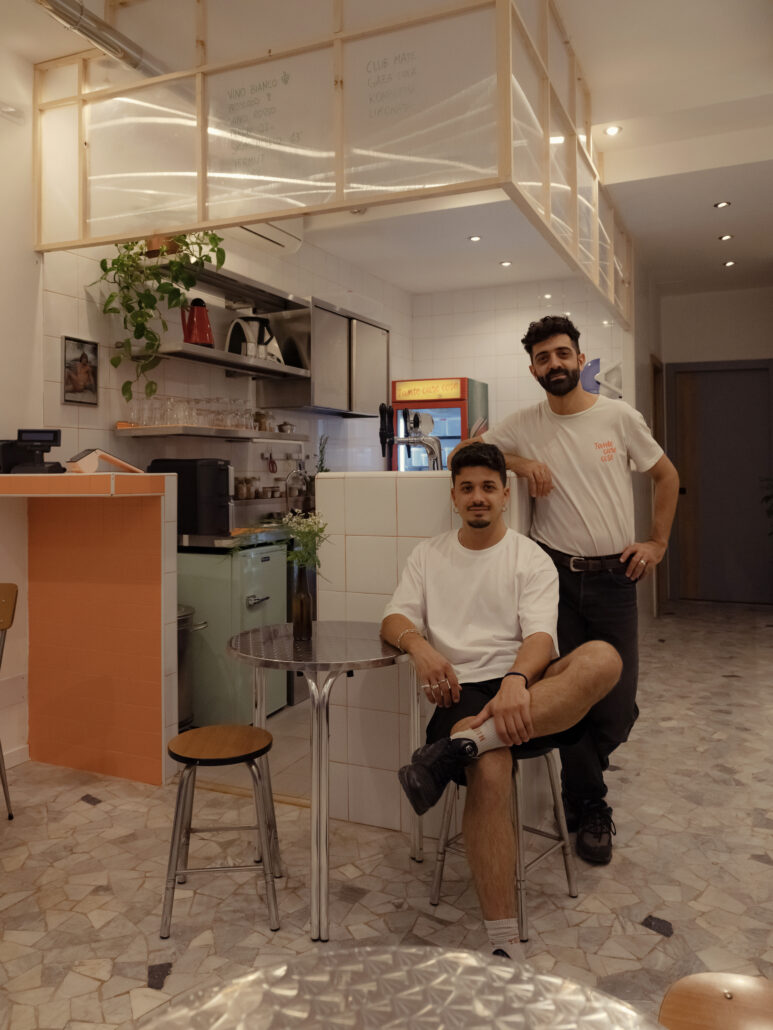
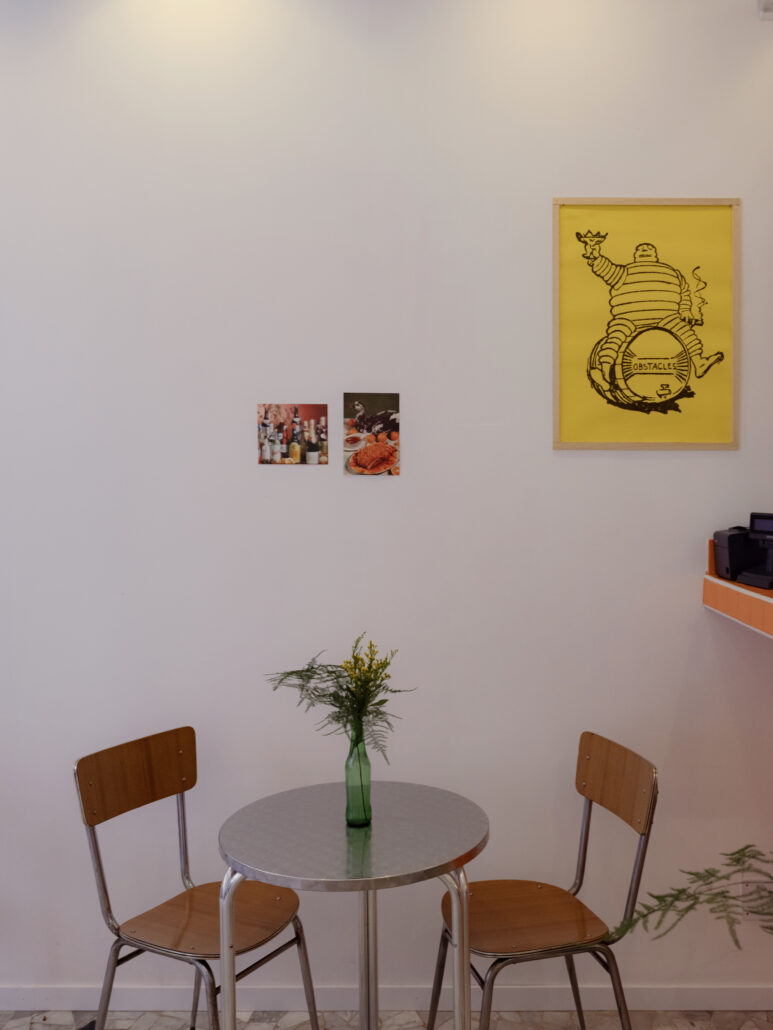
Andrea, Marco, Stefano, Daniele and Giulia are the kind of people who, when they travel, set off with a list of places to try, and they belong to that new generation opening restaurants, bars, and patisseries that challenge the traditional Italian trattoria, aperitivo, and café, attempting to do things differently, and breaking the certain stagnation of “formats” that we’ve all grown a little too complacently used to.
A new language without borders, where local tradition blends into international trends, and where the grammar is made of signs that can be understood in Barcelona as in Tokyo, in Marseille as in Seoul, in Buenos Aires as in Berlin, in Copenhagen as in Portland. And also in Rome.