At Pico Bistrot, truffles are not a trophy, they are ingredients. And this, in the Langhe region, is already a small revolution.
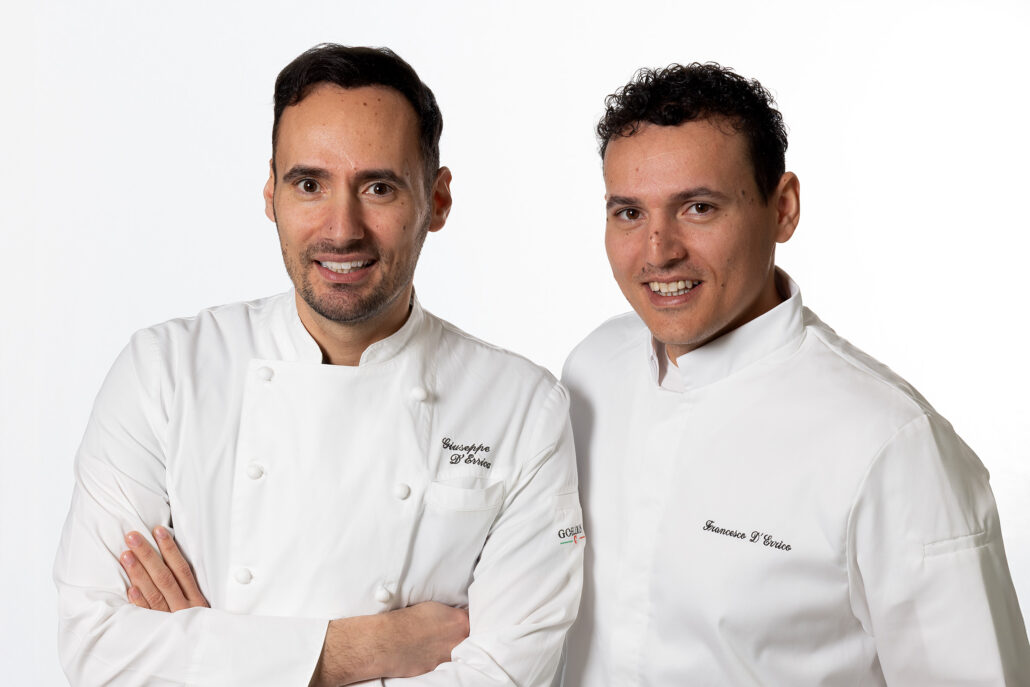
Truffle and Langhe are the keywords of this story, which is nothing more than the tale of a place, and of what a place it is. We are in Guarene, a “sacred” territory a few kilometers from Alba – yes, the white truffle capital – on the beautiful grounds belonging to Resort La Madernassa, a name not unfamiliar in the gastronomic world. Some may remember the two Michelin stars that were here when Michelangelo Mammoliti was in the kitchen. Then in 2022, the D’Errico brothers – Giuseppe and Francesco – originally from Campania, with a culinary training from around the world, arrived. Their arrival marked a passing of the torch and spirit: younger, brighter, more direct, giving La Madernassa a new identity. From there, Pico Bistrot was born in April 2025: a project that brings together the D’Errico brothers and the Montanaro family, the beating heart of Tartuflanghe, in a shared vision linking the territory to a contemporary view, under the sign of Tuber magnatum Pico. The common goal: to make Pico the bistrot of “the fresh truffle all year round”, bringing haute cuisine back to daily dining.
To understand Pico, one must start with this unusual yet natural alliance. On one side, the D’Errico brothers, born in Benevento but trained in the strictest French kitchens: Giuseppe with Michel Troisgros, Francesco with Jacques Decoret, two parallel and complementary experiences. On the other side, the Montanaros: Paolo and Stefania, children of Beppe and Domenica, founders of Tartuflanghe, a name that for half a century has been telling the story of Piedmontese truffles to the world.
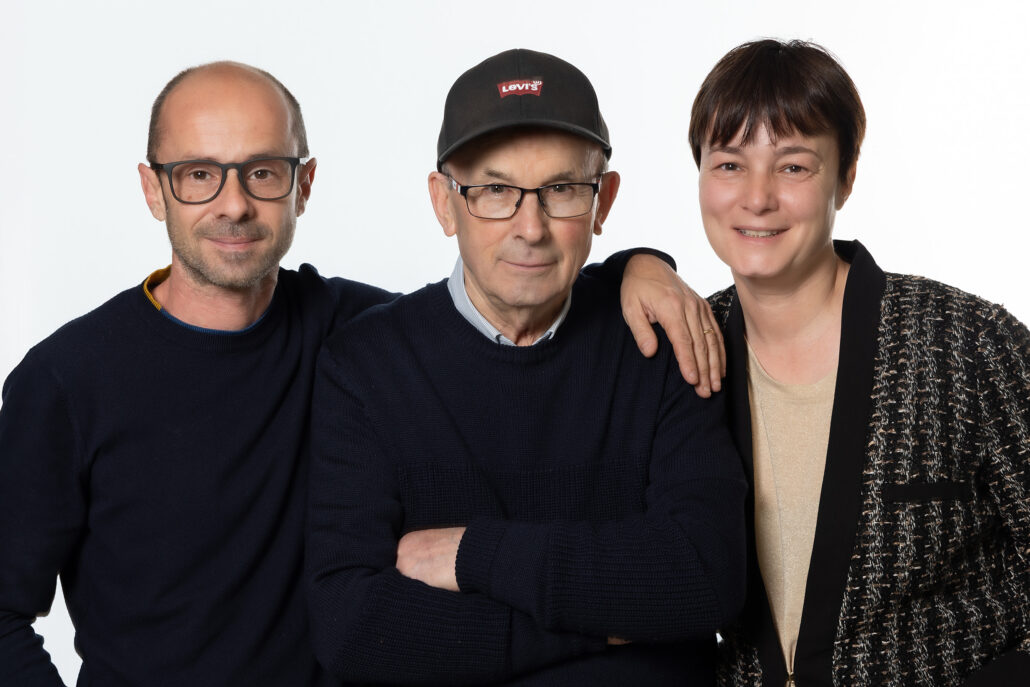
“We enthusiastically took over the baton left by the Ventura-Adriano family”, Paolo Montanaro explains. “For us, it’s a return to our roots: our father Beppe was a cook before becoming a producer. He worked on cruise ships and then opened the restaurant Da Beppe in Alba in 1968, a landmark for those who loved mushrooms and truffles. From there, Tartuflanghe was born in 1975. Today, we celebrate fifty years of history by bringing truffles back to where they belong: at the table, every day.”
Stefania Montanaro adds:
“For us, Pico is not just a restaurant, it’s a family milestone. It is here that we want to celebrate the fifty years of Tartuflanghe, blending our technological research with the art of the D’Errico brothers. It is the synthesis of everything we are: craftsmen, innovators, Piedmontese to the core.”
And that’s precisely it: Pico Bistrot is the natural continuation of a story that begins with a home kitchen in Alba and evolves into a contemporary bistrot nestled among the hills. The story of Tartuflanghe, which this year celebrated fifty years of activity as an artisanal company that combines farmer’s wisdom and gastronomic research, joining the chef’s instinct and the entrepreneur’s vision. Today, Tartuflanghe is present in 63 countries worldwide with products ranging from fresh truffles to pastas, creams, and innovations such as freeze-dried powders and natural seasonings. Everything is produced in-house, using PDO and PGI raw materials and cutting-edge preservation techniques. But what makes Tartuflanghe unique is its connection with the land: 30 hectares of woods transformed into truffle fields to preserve the natural heritage of Piedmont. Pico Bistrot also emphasizes a strong bond with the land: located amidst an 18,000 square meter park surrounding the resort, the so-called Pico Farm grows herbs, vegetables, fruits, and flowers that end up directly on the plates. This is how Pico closes the circle: from the field to the plate, without unnecessary steps.
How did the agreement between Tartuflanghe and the D’Errico brothers come about? “We chose each other” – says Paolo Montanaro. “They were looking for a place where to put down roots, we were looking for a new energy to celebrate our fifty years. It was a perfect match”. From customers and suppliers to partners, the transition was quick. It takes trust and a shared vision. And the childhood dream of the D’Errico brothers was to have a restaurant together. “When we realised that the Montanaro family could take over the management of La Madernassa, we presented ourselves as chefs without hiding our ambition to also be entrepreneurs, pursuing the dream we had as kids of having our own restaurant. Our idea has always been to have a restaurant that is not just a place to eat, but an experience that embodies passion, quality, and innovation, a thought shared by Paolo. And so we decided to embark on this new exciting adventure together” – the D’Errico brothers explain. “We gave ourselves a gift for Tartuflanghe’s 50th anniversary! It’s a return to our roots but also a new challenge that is engaging us greatly. There is a great complicity between us and the chefs, we share the same values and a strong desire to excel” – Paolo, Stefania, and Veronica Montanaro comment.
Giuseppe and Francesco D’Errico are two chefs who speak different culinary languages but understand each other through gestures. Together, they worked at the Ornellaia restaurant in Zurich, earning a Michelin star in 2018. Then, in 2021, they returned to Italy, met La Madernassa, and now Pico, of which they are partners. Their cuisine is a dance between North and South, blending the precision of Piedmont with the sunny flavours of Campania, all infused with divine French techniques. Describing themselves as opposites that balance and complement each other, they say in unison: “We love doing things by the book and we want the customer to have fun and be happy every time they sit at our table”.
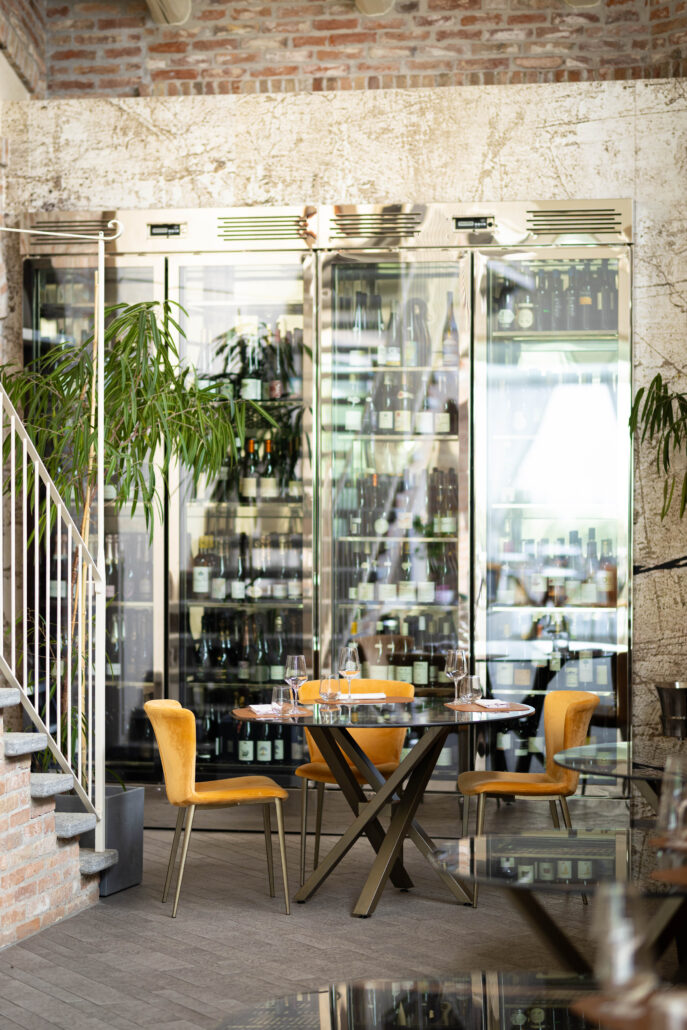
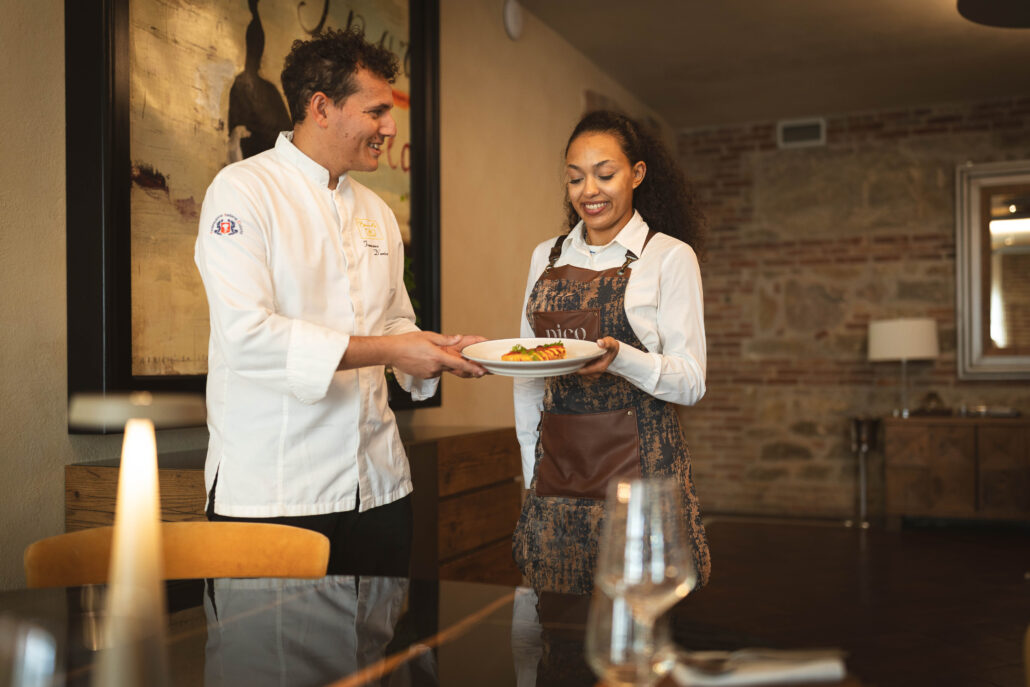
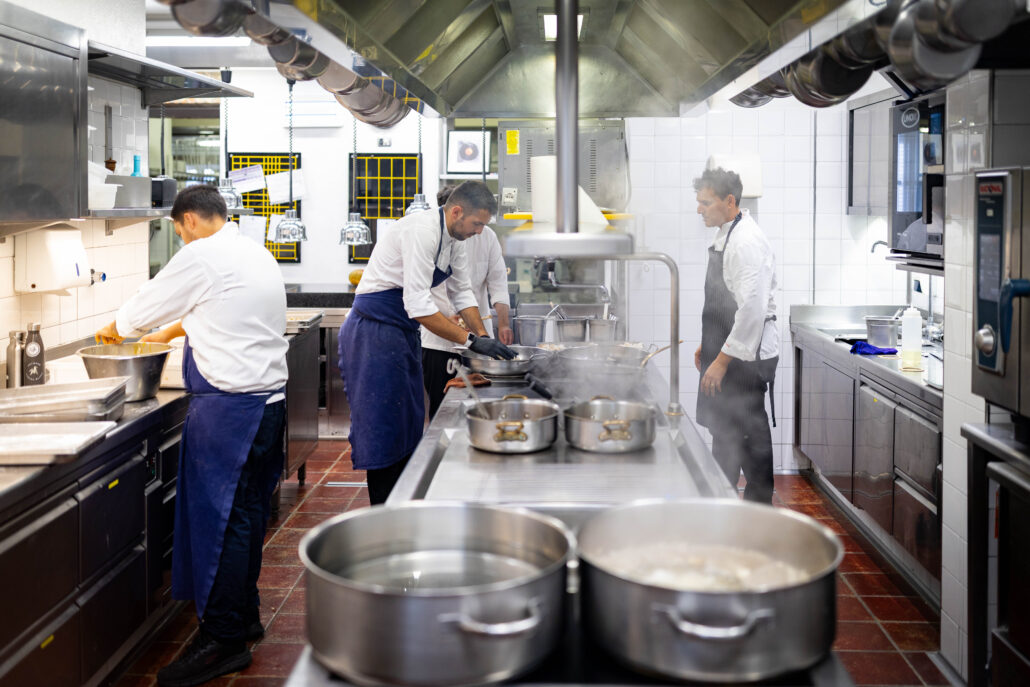
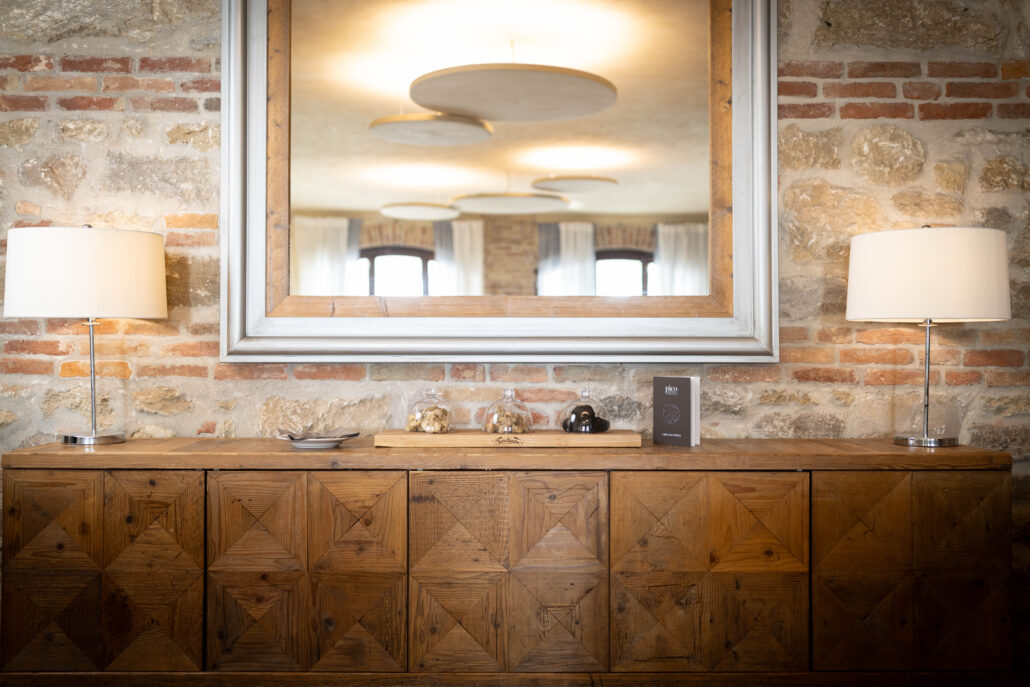
Pico is a high-end gourmet restaurant in the literal sense of the term, not in the somewhat snobbish and luxurious way we are used to imagining: simply, the quality is exceptionally high in every sense. It is a bistrot in the most contemporary sense of the term, a place where form does not overshadow substance. “We wanted Pico to be a place where the pleasure of eating intertwines with the pleasure of being”, the D’Errico brothers explain. “A recognisable, delicious cuisine, without frills, but with all the technique and care that our journey has taught us”. Inside, everything speaks of warmth and moderation. The sandy, cream, and tobacco shades harmonize with the landscape, aiming to make guests feel completely at ease.
Every dish is designed to be immediate, understandable, yet not trivial. The menu is straightforward, direct, and meant to change frequently. It is a cuisine meant to be understood but also remembered. “We want anyone who enters to feel at home”, says Giuseppe. “Technique shouldn’t be intimidating. It should just make everything taste better”. And thus, a slim and uncomplicated menu where Piedmont dominates, with accents from Campania.
And with one essential premise: truffles belong there all year round – naturally within their seasons – because they are always fresh.
So let’s recap these seasonalities beacuse it’s good to remember: the king, the white truffle of Alba is in season from early October to December (and at its best in November, experts say), and more or less at the same time is also the time for the black summer truffle; then there’s the prized black winter truffle, from November to March, and again the black summer truffle (or scorzone) from May to October. The choice of fresh truffle all year round is not (only) a provocation, but (above all) a vocation: “We wanted to make it accessible, democratic, always possible” they explain. A simple gesture, yet full of meaning. Because the truffle, when treated this way, loses its aura as a sacred object and regains that of a living product. The truffle speaks for itself, say the D’Errico brothers. “Our task is just to give it a voice, respecting its fragility and power”.
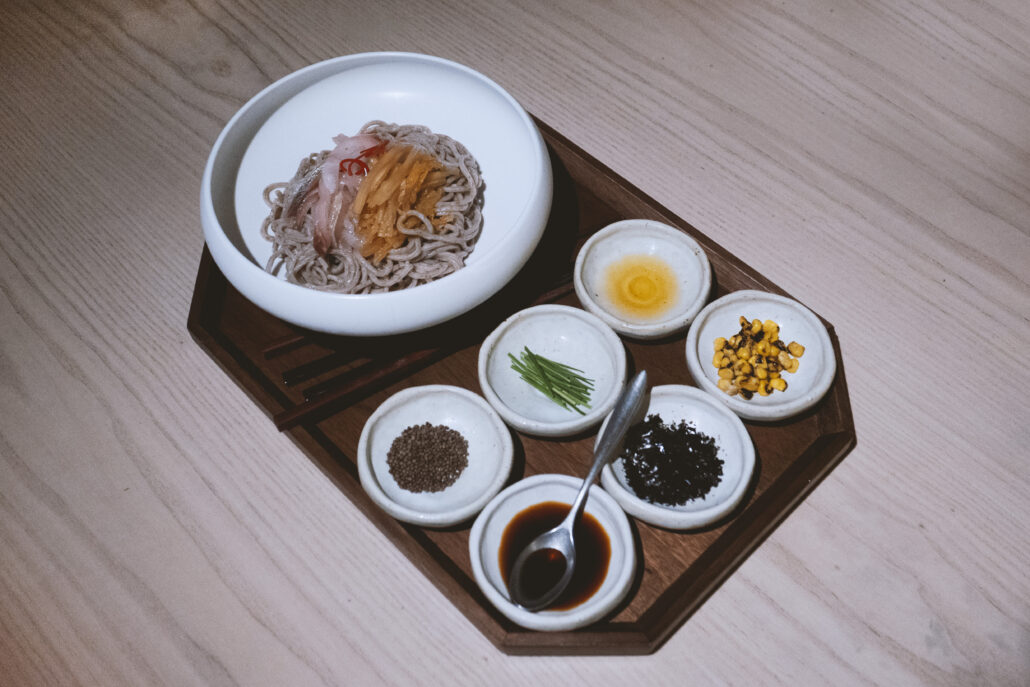
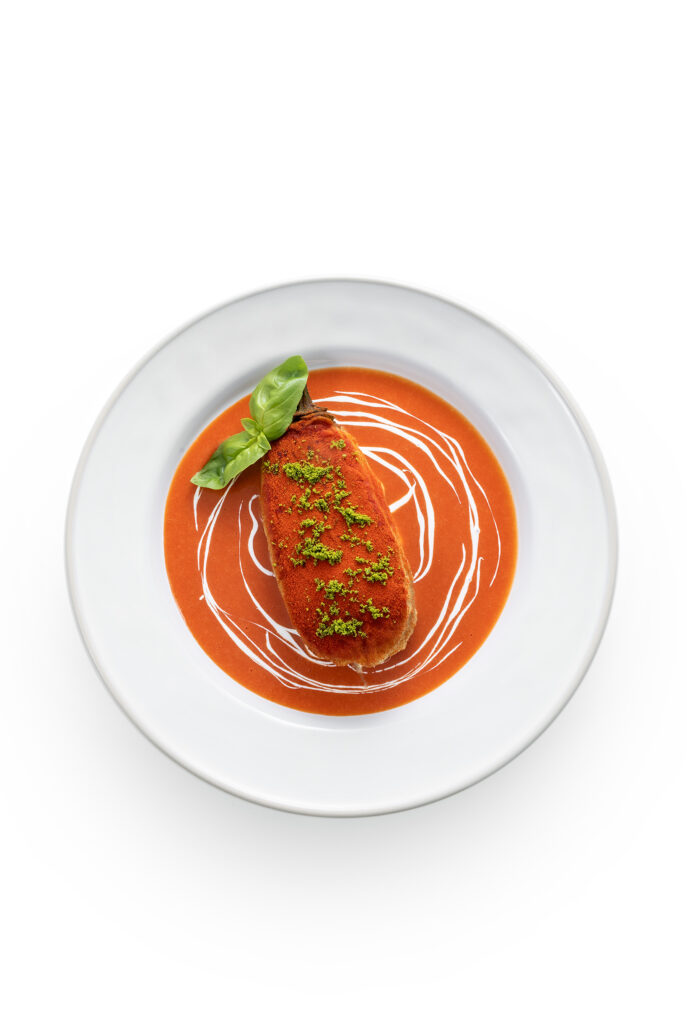
To be clear: the dishes we tasted at the end of September were a small domestic atlas, a way of stepping into the D’Errico family’s cooking by walking through their front door. There was the last Parmigiana of the season, with aubergines from the Pico garden in a reduced size to mark the “end of season”: a whole fried aubergine, then peeled, dressed with datterino tomato coulis, stracciatella, basil and tomato powder. Soft, almost shy, with a freshness that makes you smile and an intensity of flavour that brings you straight into full summer.
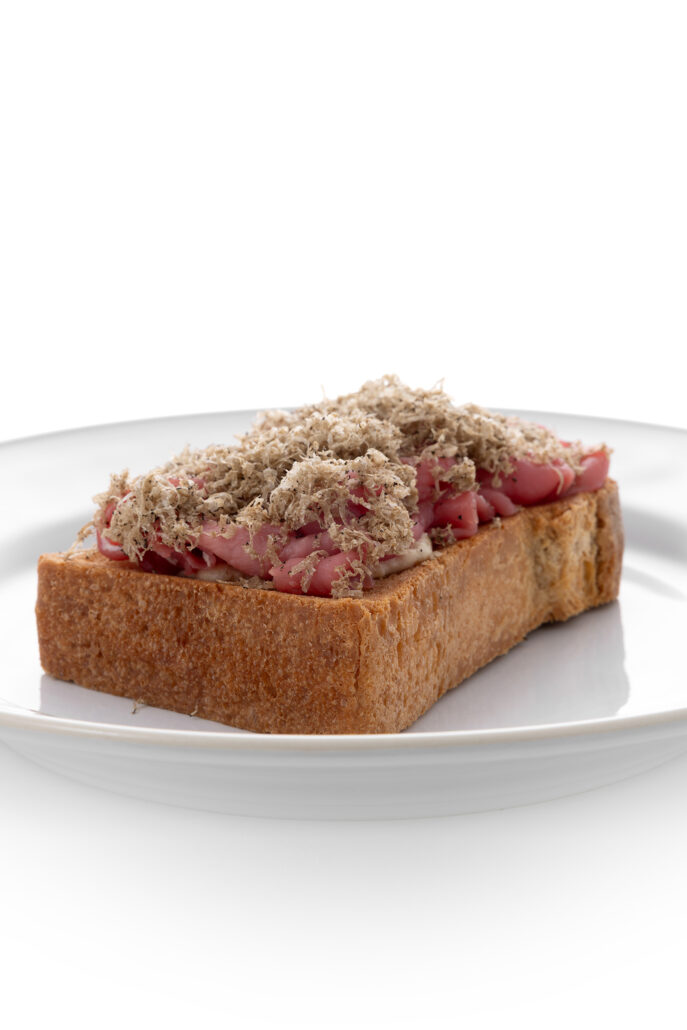
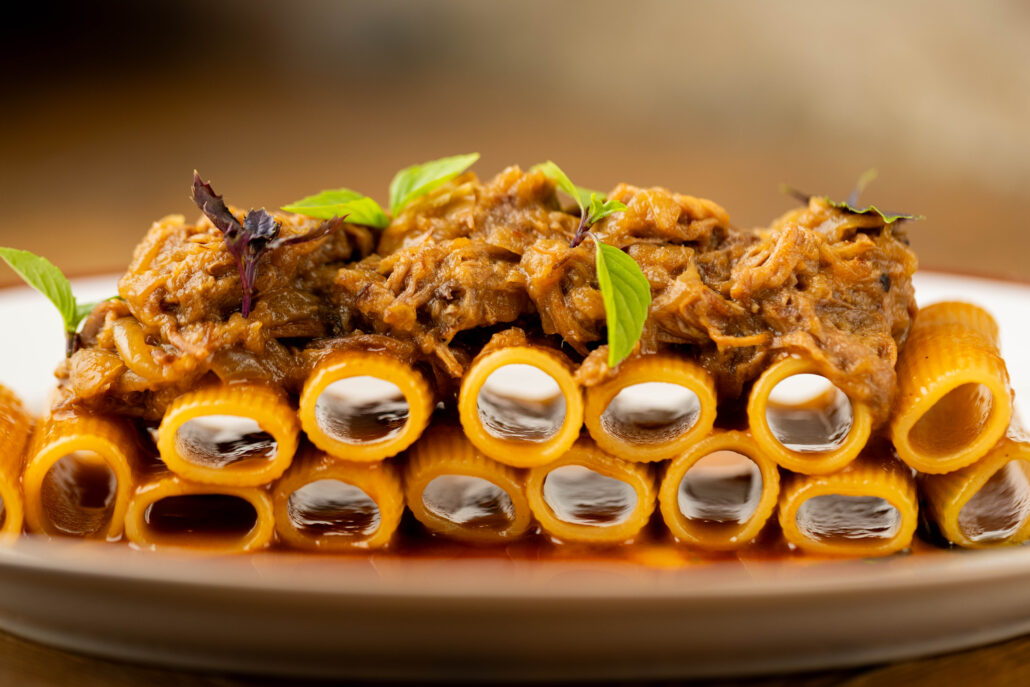
And then the Pico Bruschetta, a simple gesture yet full of intention: homemade sandwich bread, thick and soft, butter-toasted until crisp on the outside and tender within, welcoming, topped with hand-cut raw beef, butter, anchovies and truffle laid gently on top like the cherry on the cake. Then came the two first courses reflecting the brothers’ dual soul: the Carnaroli Riserva San Massimo Risotto, dry-toasted and creamed with acid butter and whipped Parmigiano, served with a veal jus enriched with black truffle that gives it depth. And a dish of pure Campanian heart: Rigatoni alla Genovese with beef ragù and slowly braised onions, served as a tower to amplify its grandeur. Impeccable.
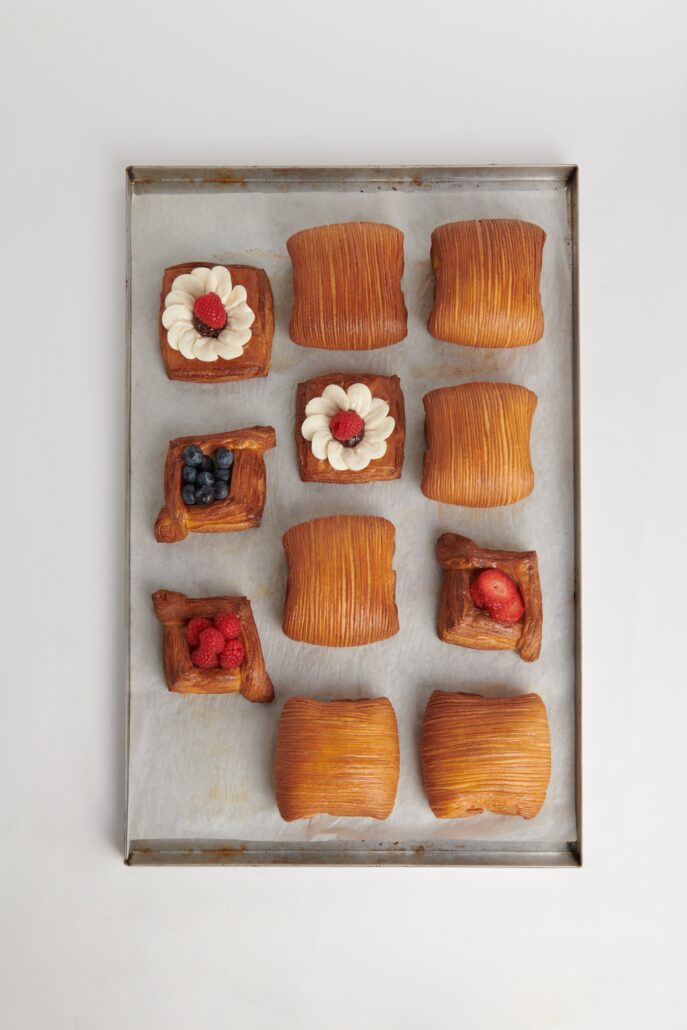
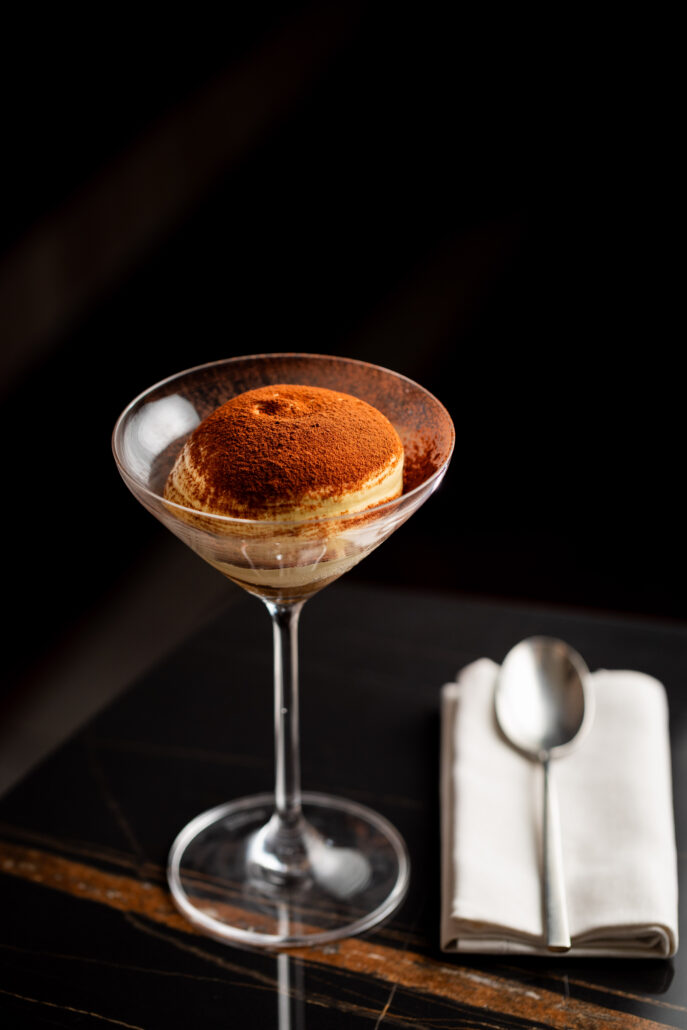
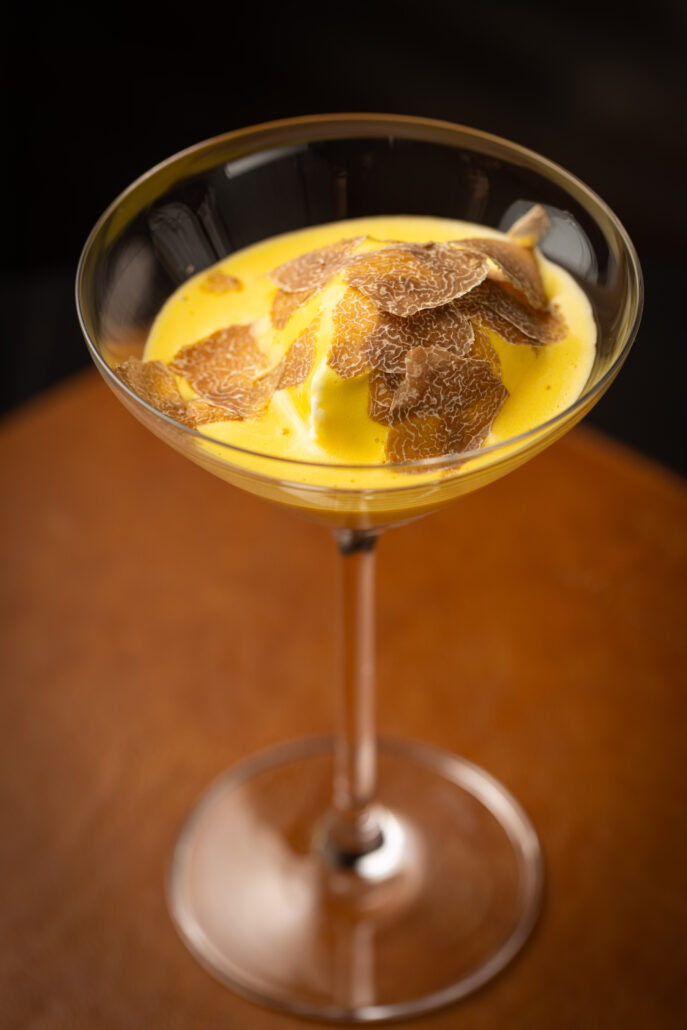
Among the mains, the most intimate truth lies in Nonna Rosa’s meatballs in tomato sauce which, from their enveloping aroma alone, communicate all the love holding the ingredients together. To finish, a small sentimental geography of desserts with classic names and contemporary executions, where North and South chase each other once again, naturally. There is the Rum Babà, but also the Tiramisu in a Martini glass, an original version with crumble and coffee granita, homemade savoiardi, fior di latte ice cream, mascarpone mousse and cocoa. And then the Panna Cotta ice cream.
With autumn, as we know, the Langhe change their voice. The air grows denser, the light bends lower, and the trifolai begin to move through the woods with their dogs. It’s the hour of the white truffle and for Pico, it’s the most eagerly awaited moment too. As Paolo Montanaro explains.
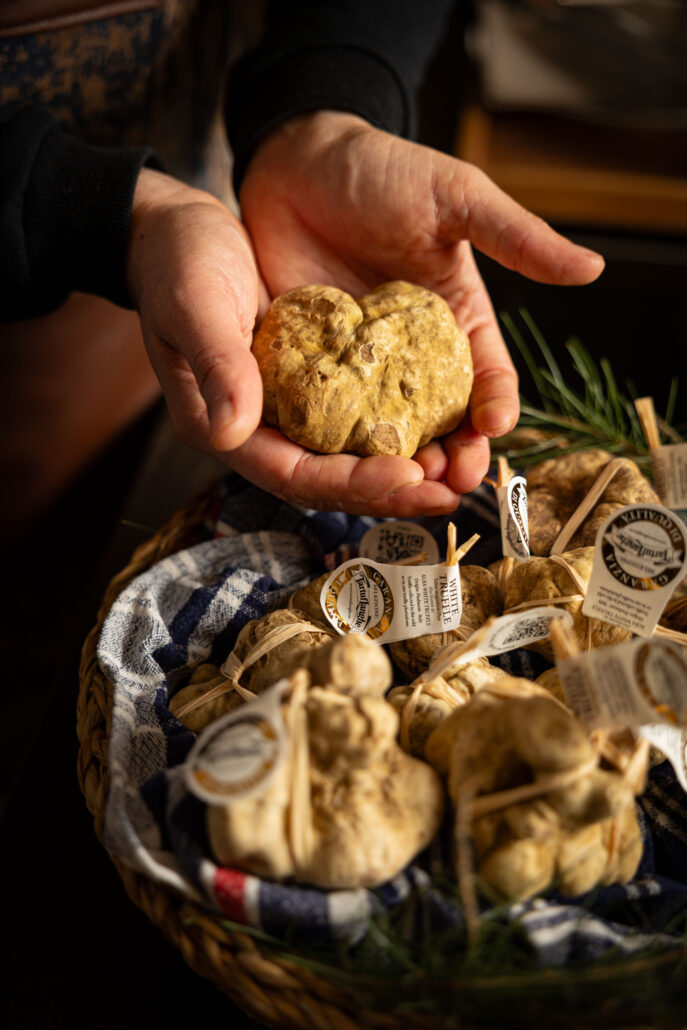
“The Alba white truffle (Tuber magnatum Pico) is considered one of the finest and most expensive in the world, yet few truly know its characteristics. This is why, in addition to the dedicated menu, we decided to create a truffle list — a qualitative classification assessed according to criteria such as weight, shape, season, gleba, aroma and any defects — from which even the most demanding guest can choose and add extra shavings of white truffle directly at the table, with a supplement charged per gram”.
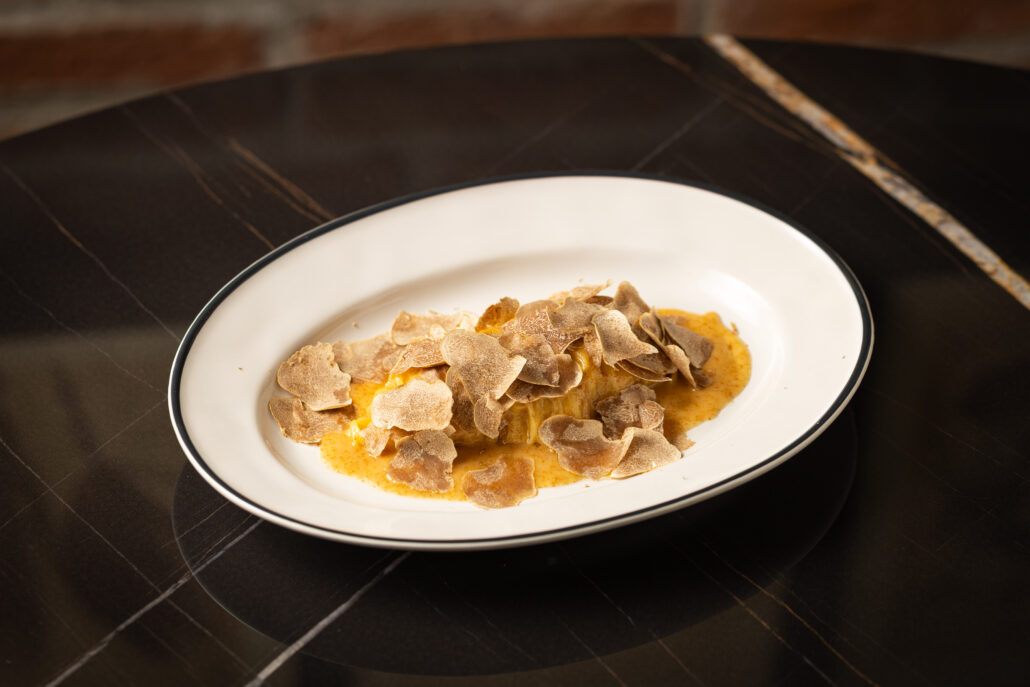
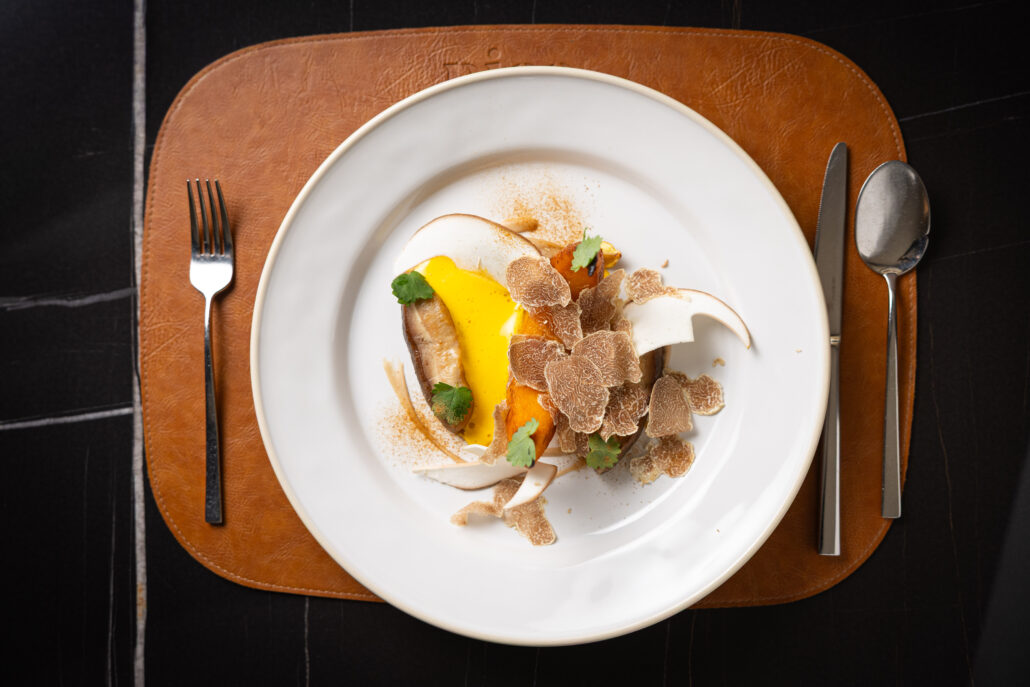
For this reason, the bistrot decided to offer an Alba White Truffle Menu – not a classic menu where white truffle is piled onto every dish for show, but a selection of courses designed to enhance and celebrate the product, carefully selected from Tartuflanghe, of course, without overpowering its aroma: letting the ingredient speak for itself. So: roasted pumpkin on a cream of grilled chestnuts with a Piedmont IGP hazelnut hollandaise; fresh tagliolini with mountain butter; lightly poached sanato beef, cooked in its own broth, with mashed potatoes; and fior di latte ice cream served with warm zabaglione and sea-salt crumble. Everything is served without truffle, because the shaving is left to the guests, directly at the table, with a variable price depending on the weight and the current market value.
Pico is also the warmth of its young team – highly skilled, it must be said – with their infectious smiles.
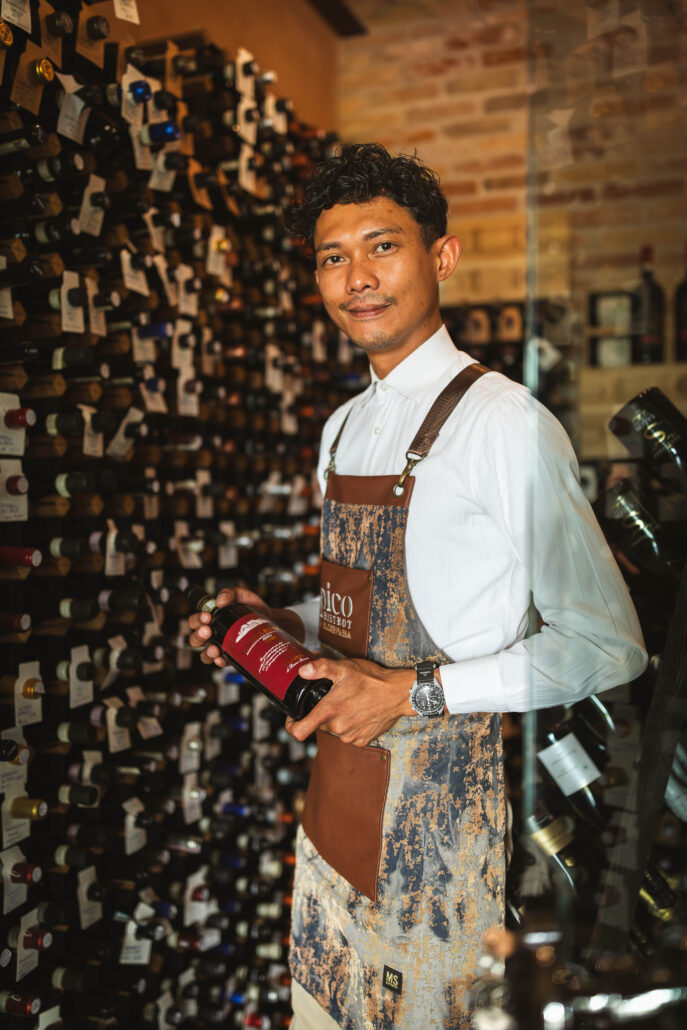
Like Vince, who looks after the wine with precision and warmth, guiding a list that can proudly boast around a thousand Piedmontese labels (including the Pedemontis range from the Tartuflanghe family winery), as well as Italian and international ones. Or Francesca, who moves gracefully between the tables, pampering guests with empathy, punctuality and poise.They are yet another added value to a place that already has all the credentials to become a habit. And then there’s a detail that shouldn’t be overlooked: “We want people to feel welcomed, to be able to access our cuisine without fear”, they say. Which is why the average price of a dinner ranges between 35 and 50 euros.
Since September, Pico Bistrot has moved. Or rather, the original plan was for the bistrot to occupy the ground floor, leaving the first floor for a fine-dining project. But once service was up and running, it became clear that the best thing to do was to move the bistrot to the first floor of the La Madernassa resort – the space that once hosted the Michelin-starred restaurant – giving it more room, more light, more breath. Yet the same soul. “We wanted to welcome more people without losing intimacy – Francesco explains – the idea is to grow, not to change”. And as for another project for the ground floor? There’s no shortage of brilliant ideas, and the lively minds behind the project are already working on something big – more on that soon.
Returning to the idea of growth, in fact Pico Bistrot is growing the way good things grow: slowly, with coherence, with deep roots – just like the truffle, which is born in the dark, lets itself be sought after, then emerges. It is mysterious and tangible, precious. This is why Pico Bistrot works: because it is built on the same logic as the truffle essential, necessary to be a place where quality is a form of honesty. Which makes the bistrot a democratic place, accessible yet visionary, where truffle is not a seasonal luxury but an (almost) everyday ingredient. Because the future of gastronomy lies in places like this, far beyond the classic culinary constellations: free, agile, cultured, convivial.