“Fine dining today, as we conceive it and as it is evolving, is the representation and expression – even artistically if you will – of a place that must be clearly narrated. When I think of a chef working in this sense, Virgilio Martinez comes to mind. We went to visit him in Peru and I almost started crying when he told me that what we were doing in Venice was similar to his work.”
Chiara Pavan
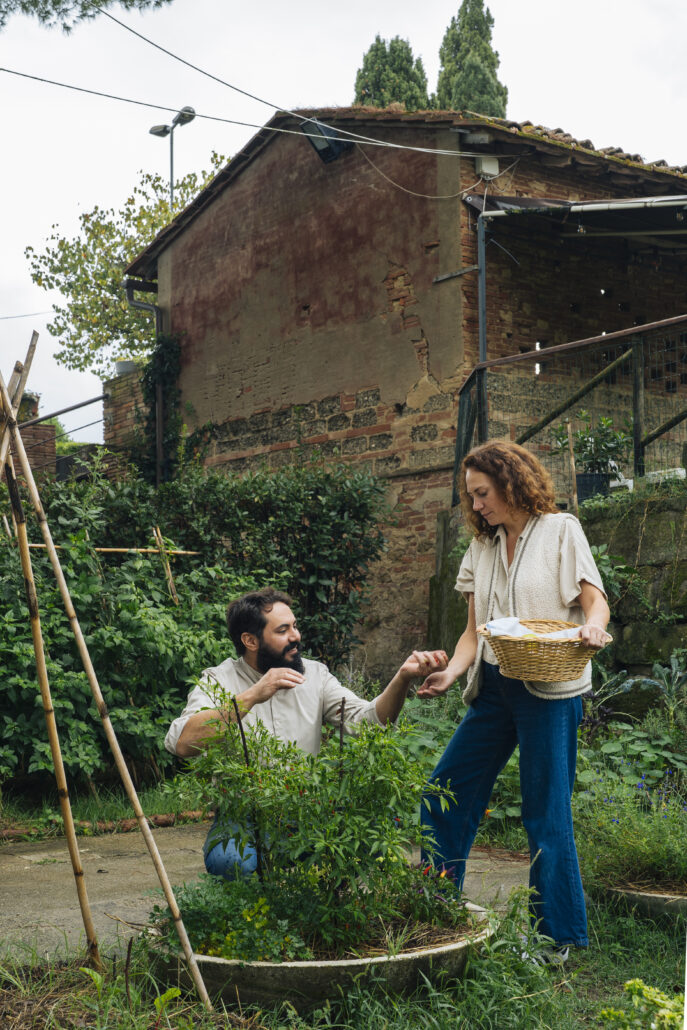
We had already covered Venice a little over a year ago, talking about the excellent Donato Ascani and his restaurant Glam housed inside Palazzo Venart. But today we are moving, not too far, to delve into the heart of the lagoon with a destination on the island of Mazzorbo and reach Venissa, the wine resort that has been home to one of the most vibrant Italian culinary couples for several seasons, formed by the Veronese Chiara Pavan and the Treviso-born Francesco Brutto, aged thirty-eight and thirty-four, respectively.

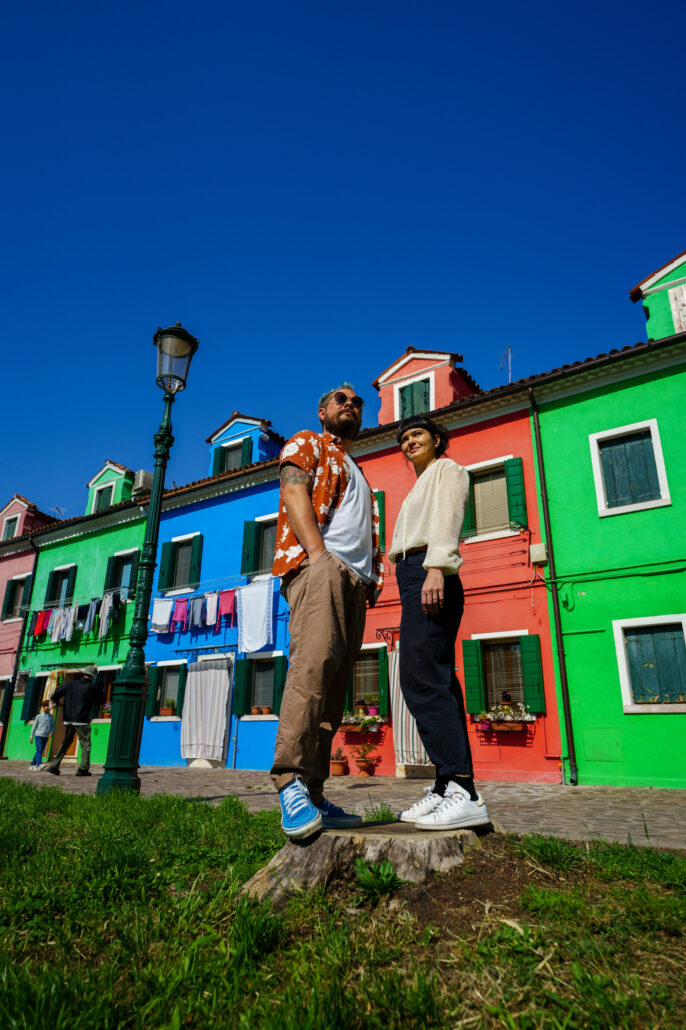
Riding the waves on one of the many crowded water taxis filled with tourists heading inevitably in the same direction – towards the colorful Burano, closely linked to Mazzorbo, or from afar to the more bucolic Torcello – thoughts run on parallel tracks, one concerning the fragility of an environmental ecosystem to be preserved over time, and the other about the necessary enjoyment of a beauty that attracts awe-struck visitors from all over the world. It might be seen as a true “Mission Impossible” to accomplish, one that not even a willing Tom Cruise passing by at the Film Festival could succeed in. But then the scene changes as soon as the crooked bell tower of Burano comes into view, revealing the enclosing walls where Venissa resides, a shining example of hospitality, cuisine, balance, and environmental sustainability that, unlike what happens in Hollywood blockbusters, as a well-known slogan would put it, doesn’t sell dreams but solid realities. And it’s already time to step off the water taxi and shake hands with Chiara and Francesco.
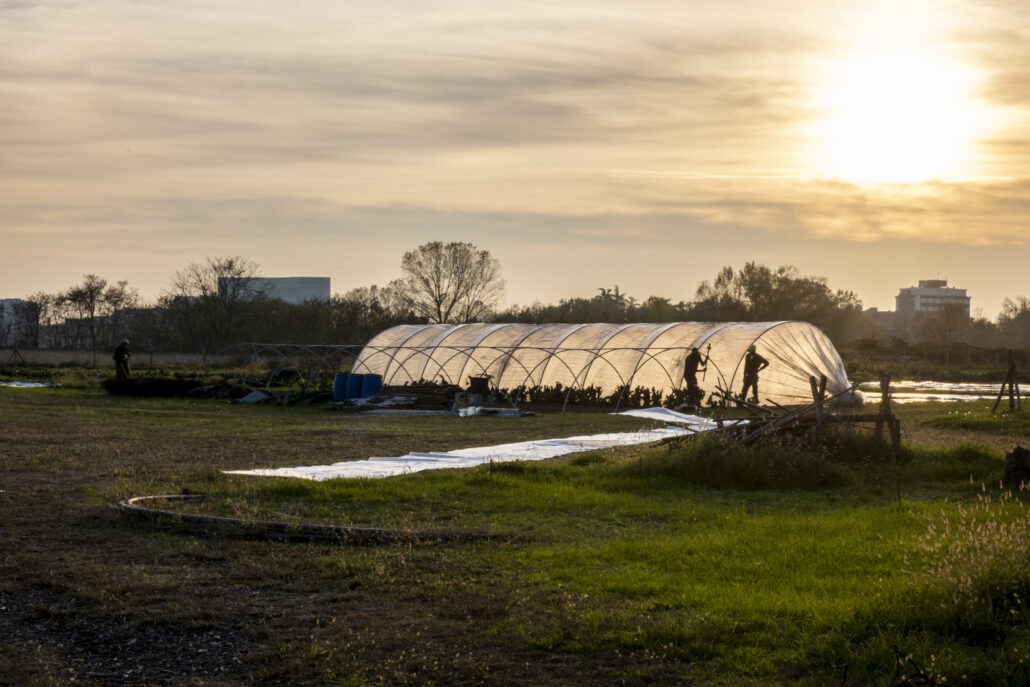
The history of the Venissa project dates back over twenty years ago, thanks to the intuition and determination of wine producer Gianluca Bisol, who discovered the existence of some vineyards of a native variety, the dorona, on Torcello, a variety that was almost disappearing from the lagoon at the time. Without wasting too much time, he soon identified in the delightful one-hectare orchard-garden, enclosed within the medieval walls of the island of Mazzorbo, the ideal habitat to revive a cultivation that was certainly not easy, given the well-known limitations of a challenging territory where high water, as has often happened even in recent times, often thwarted human efforts. Venissa, however, is not just about wine and vineyards, which tell stories of cultivation in the lagoon, but also about hospitality and cuisine, with the latter, despite various setbacks (renowned names such as Paola Budel and Antonia Klugmann have worked in the kitchen here), finding stability only in the last four years with the arrival of the Brutto/Pavan couple.

With them, we began to talk about environmental cuisine and the concept of no waste (recognized with the arrival of the green macaron), and Venissa has transformed into a large open-air laboratory where everything that happens must be harmonious and have the least possible impact on the surrounding territory. In fact, if possible, it should improve it delicately and through targeted interventions. The gastronomic approach has completely changed with the new protagonists in the kitchen, thanks to a series of dishes that reflect from the outset the complementary sensitivities of the chefs.


Chiara embodies the spirit of the contemporary farmer, spending her time tending to the vegetables in the garden and envisioning the best solutions for a more sustainable world. Her role goes beyond that of a mere chef. She explains:
“Our responsibility is to communicate that cooking is certainly an act of personal creativity, but also of social and collective value. Our choices, concerning the products we use and cook, now become a gesture of fighting the ongoing climate change crisis”.
Francesco, on the other hand, a budding alchemist (his slightly devilish appearance, with his often brightly colored hair, helps in this image), chooses the laboratory as his comfort space to develop new gastronomic applications following fermentations like lacto-koji, garum, and tempeh. It may be a space that is somewhat unappealing from an aesthetic point of view, but it encapsulates much of Venissa’s essence, with aromas and flavors hidden inside jars or tanks where bread, cereals, vegetables, and fish sauces ferment. Butter and oil are flavored here, and time almost always passes slowly, with waits that often exceed two or three years to reach the desired maturation point set by Francesco. Among others, you can find mackerel garum, vermouth with herbs from the lagoon and Artemisia, or elderflower vinegar, but the list continues to expand, driven by the new offerings that this rich geographical area provides in different seasons and the chefs’ sensitivities. “Without forgetting that fermenting, in addition to reducing vegetable waste, contributes to the balance of intestinal bacterial flora.”



The focus on the environment and the food heritage of the lagoon becomes the cornerstone of the proposal, along with the conversion of animal meat proteins (Venissa is essentially a meat-free establishment), thanks to the recent choice of using invasive alien species as fish that have replaced the native species of the lagoon. There was also a ban on plastic, a battle the couple has been fighting for several years, with technical choices like sous-vide cooking or pasteurization that have allowed the elimination of plastic vacuum bags, minimizing pantry stock with a preference for produce from the estate’s garden. Even external suppliers have been involved to reduce plastic usage in packaging.
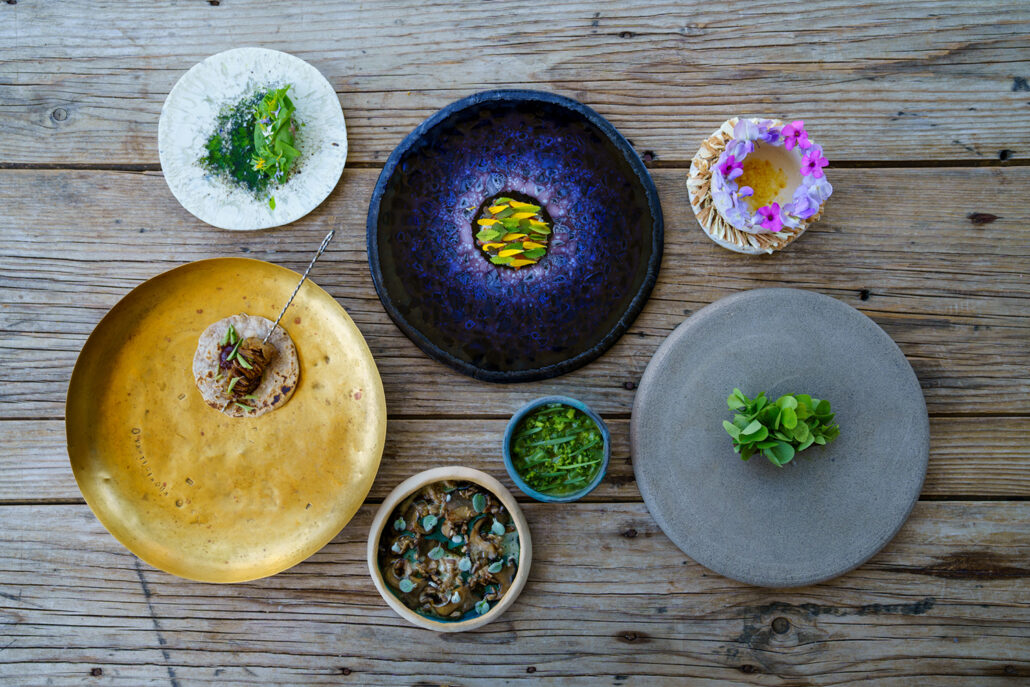
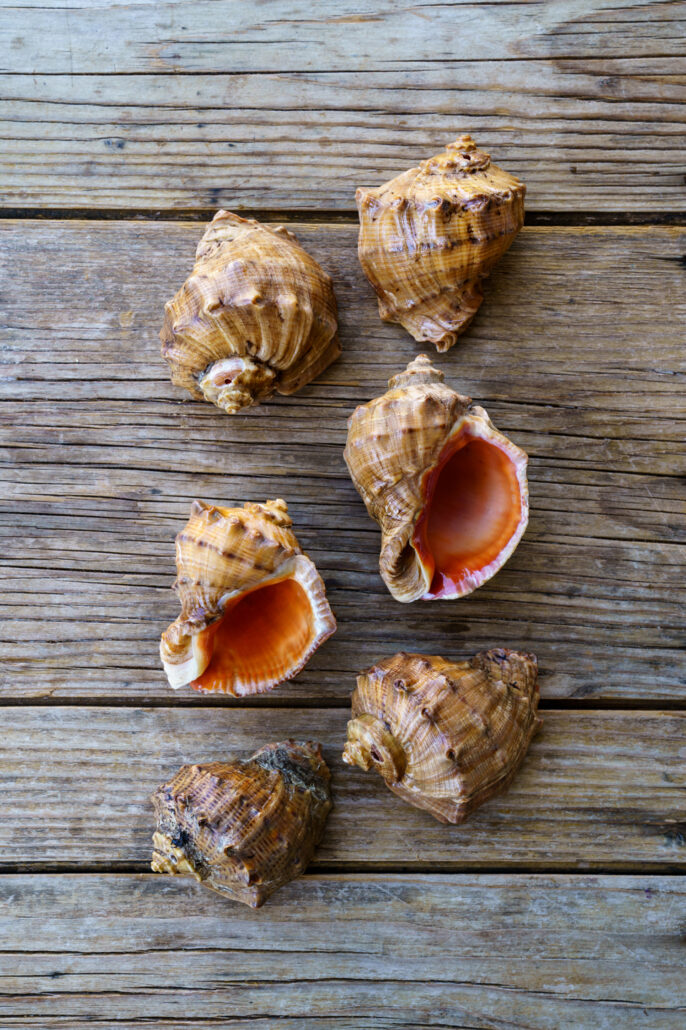
Venissa encompasses the Michelin-starred restaurant, representing the more daring side of cuisine, and the Osteria Contemporanea, a place of Venetian gastronomic delights with classic cicchetti or more direct preparations like Asparagus and Pollen Risotto or Tempura Fried foods that easily attract travelers. “Actually,” Francesco jokes, “there might also be tourists to watch out for as invasive species, but there’s not much we can do about them.” It’s Chiara, with her practical spirit, who instead addresses the decision to include other less common fish and mollusks in the menu. “The idea was born three or four years ago when a fisherman we’ve been working with since the beginning told us he was finding a lot of blue crabs in his nets, overshadowing local species like lagoon cuttlefish, which had also reached very high prices. So far, nothing strange considering there are already land animals or insects from abroad around Venissa – think bedbugs, nutrias, or ibises – but from that moment, we committed seriously to understanding how to utilize the blue crab in our kitchen. Only later, and more recently in the last year, many other species like the bluefish, Anadara inaequivalvis, or the Rapana venosa started arriving, which perhaps weren’t used in the lagoon and ended up only on Chinese or Filipino family tables. This idea developed thanks to collaboration with marine biologist Carlotta Santolini, who was doing her PhD on these species, also creating the start-up Blueat, focusing on their industrial use in collaboration with a Mestre-based company, and thus the project took shape. Moreover, all these species can be easily cooked at home in many variations. During a vacation in Croatia, Francesco and I found so many Rapana venosa specimens that we began making it into pasta, but they can also be grilled, cooked in stew, or simply used as part of a salad. You just need to boil them for a long time with their shells.”


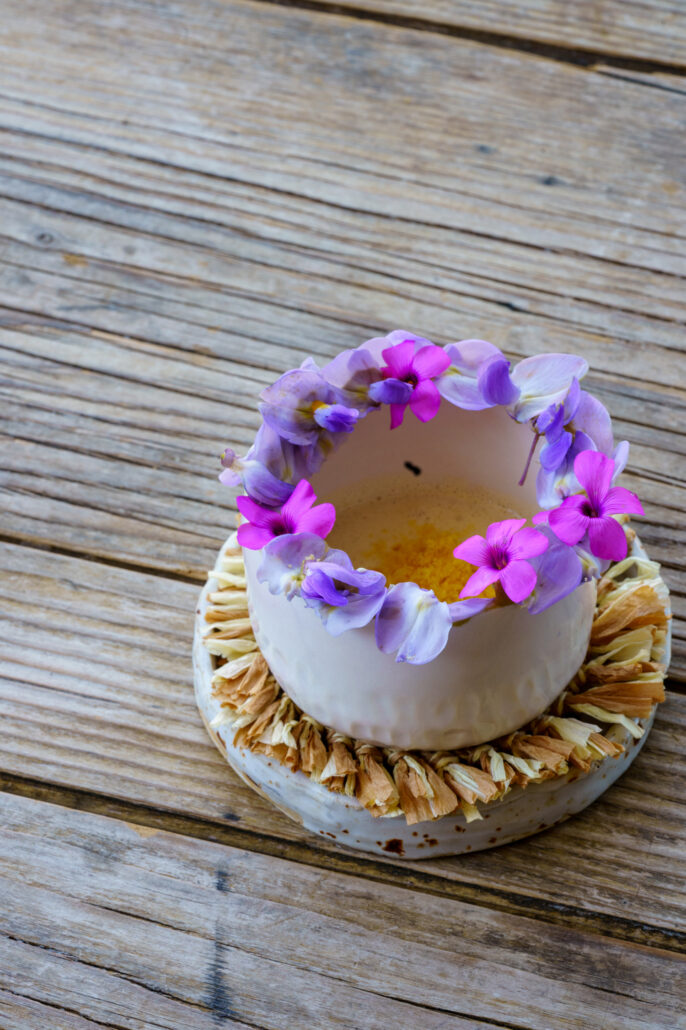
Needless to say, we are talking about a world, that of invasive species, partly still unexplored, which can say a lot on the plate and at the same time allows for developing new creativity with the pleasure of discovery even by the final consumer, who understands the environmental value of the operation. Already last October, during the Venice stage of Care’s On Tour, Chiara and Francesco surprised the guests at an event by offering jellyfish and cockles, among other species, explaining their ruinous effect on native species. Alongside the already vegetable-focused drive characterizing the restaurant, the attention towards natural wines (the only ones present at Venissa), and the ethical approach to cuisine, Venissa is rapidly transforming into a sustainable destination in every aspect. With ongoing projects, the chefs aim to cater to the clientele (with a bar in the open space of the osteria, ready shortly, and with new suites planned in the building currently used for staff rooms) and to introduce new gastronomic interpretations, as Francesco aptly puts it: “This year we have started using flowers a lot again, which we had missed in past seasons for various reasons. Once due to Covid, another time because part of Venissa caught fire at the beginning of the year and we couldn’t open. We are interested in discovering how to use algae and, as always, developing alternative protein sources to animal ones”.

Meanwhile, the ongoing season, which started on March 16th, has already brought a significant structural change. The spaces that once housed the Osteria now feature the fine dining room (with a chef’s table for four guests) and vice versa. It’s always Francesco who tells a story that goes way back: “When Venissa opened and Paola Budel arrived, they probably didn’t imagine they could quickly achieve a Michelin star, and the kitchen was functional to the reality of a simple osteria, certainly beautiful, but over time showed logistical limits and in the organization of work. That’s why we turned that space into an osteria, with tables outdoors on the grass and, soon, a bar. On the other hand, the park has free access for everyone, and the osteria with a view of the vineyard becomes a very appealing attraction, especially on beautiful days. Then, when we arrived, the old restaurant could accommodate a maximum of sixteen covers, which became about twenty-five in summer, but it didn’t allow us to work peacefully. Today, however, everything is different, and the new room functions at full capacity, in step with a kitchen organized to support the workload of a Michelin-starred restaurant that offers only two tasting menus, with seven and ten courses.” And once the meal is over, we add, you can relax with a dolce far niente where you simply contemplate the beauty of the place, or you can cross the bridge and immerse yourself in the colorful, bustling, and daily tourist crowd of Burano, among selfies of tourists from all over the world and Venetian souvenirs. But that’s a whole other story.