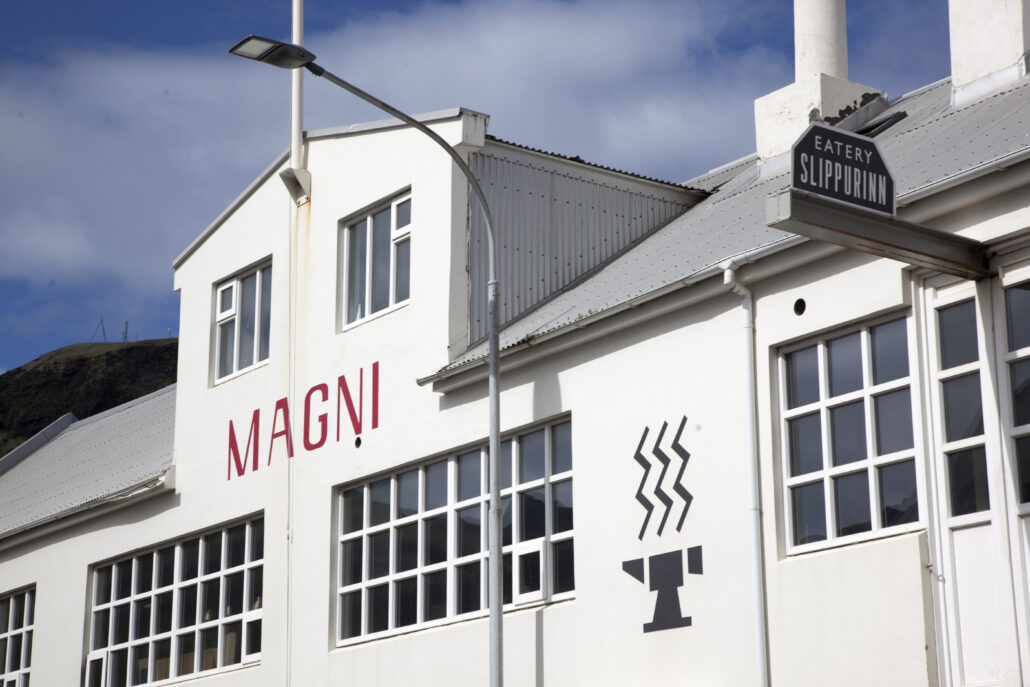
“That’s the best part,” says a fisherman on the docks of Heimaey in the Vestmannaeyjar archipelago off the southern coast of Iceland, when Gísli Matthías Auðunsson picks up a cooler full of cod heads to cook at his seasonal restaurant Slippurinn, a few steps away in an old machine workshop in the shipyard.
“But do you use them?” Auðunsson asks.
“Not really,” says the fisherman, who doesn’t even charge him for the cod heads.
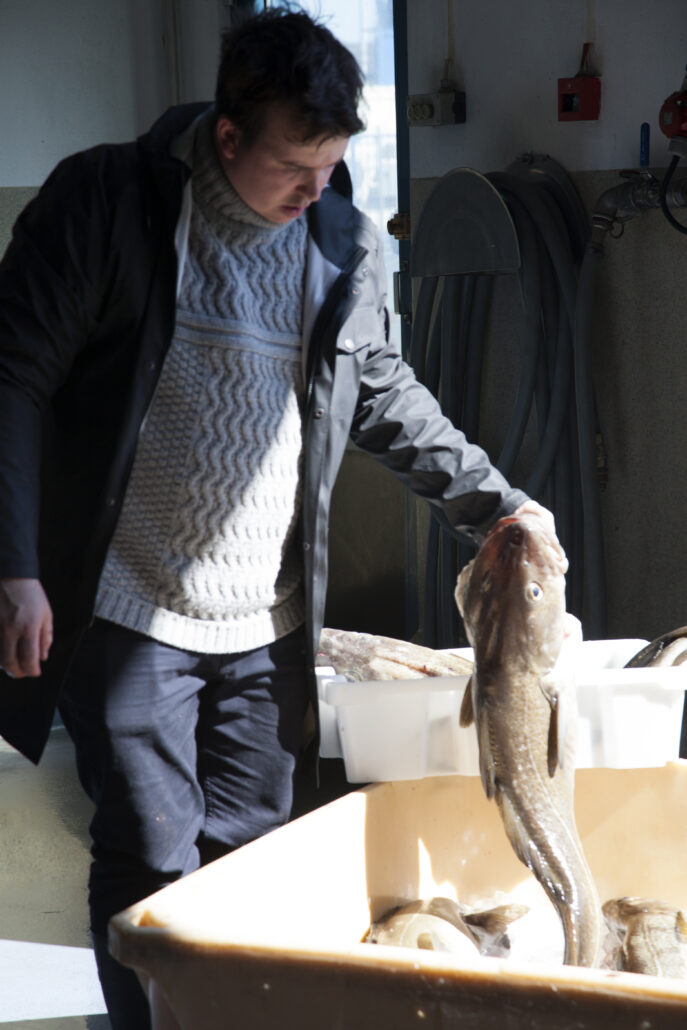
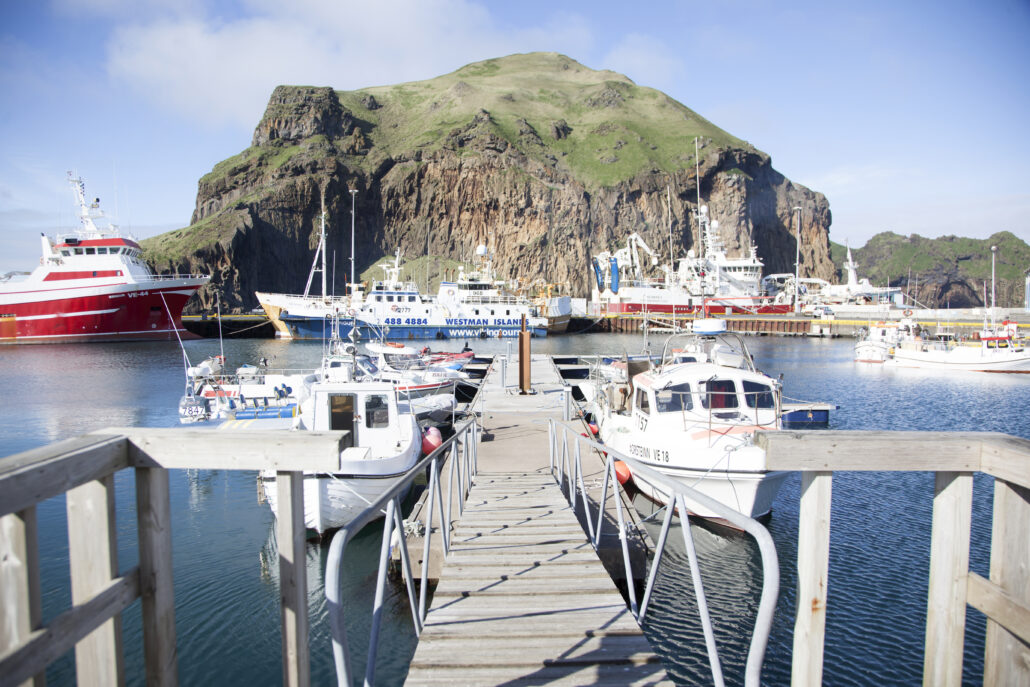
Over the last century, Iceland went from having the lowest GDP per capita in Western Europe to one of the world’s highest. They went from poor to rich within a generation or two, completely disrupting the food system. Icelandic cuisine transitioned from being the food of survival in an often inhospitable landscape to food of luxury and convenience. Why bother using every part of an animal or preserve it in whey when you can always have the filets for every meal? There was a time when kids on the Westman Islands, Auðunsson’s mother Kata included, would collect tongues from the heads and go around town selling them on their bicycles. The heads are by-products now. No one wants them. They get hung on racks, dried and sent to Nigeria for next to nothing and used for soups. Still, the meat on a cod’s head accounts for about one third of the entire fish. Using them, as well as other fish heads, addresses numerous nutritional, environmental and economic concerns, so finding ways to make them delicious make a lot of sense.
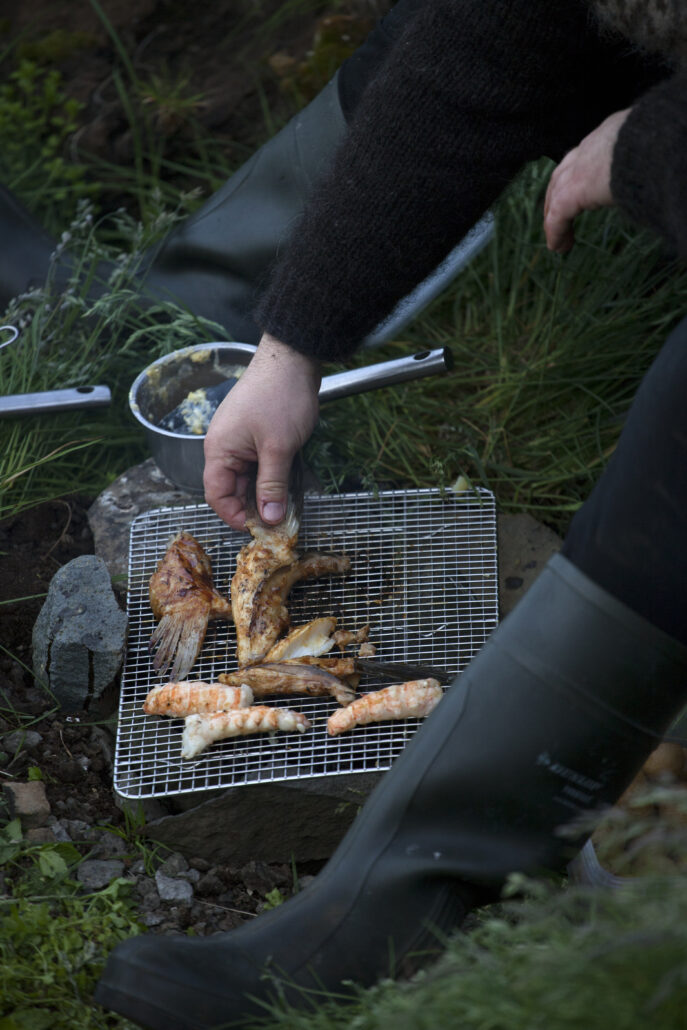
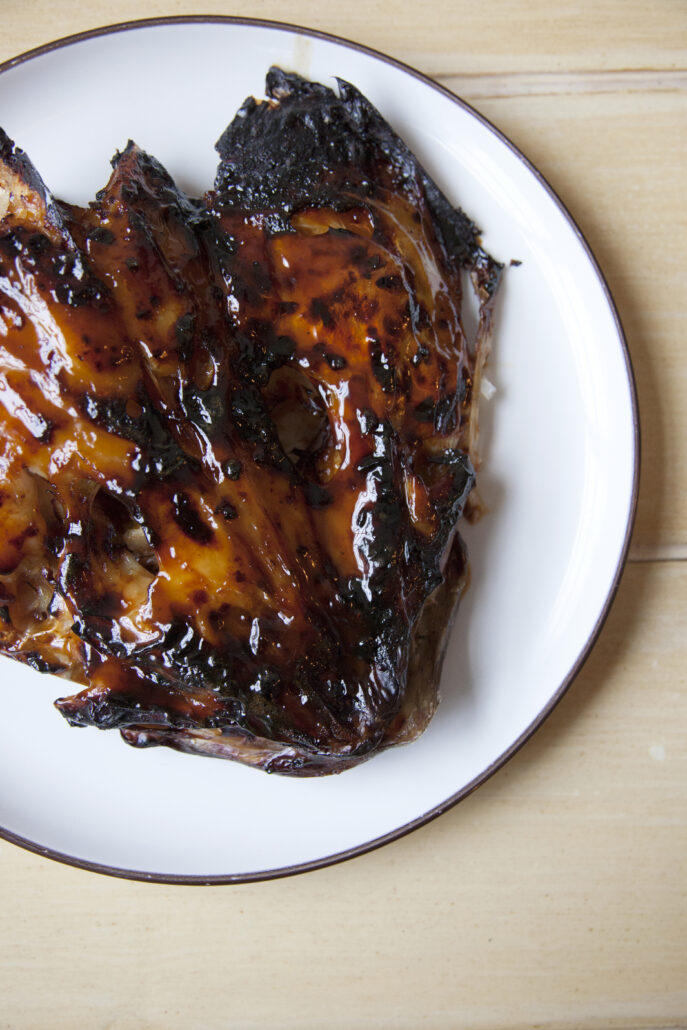
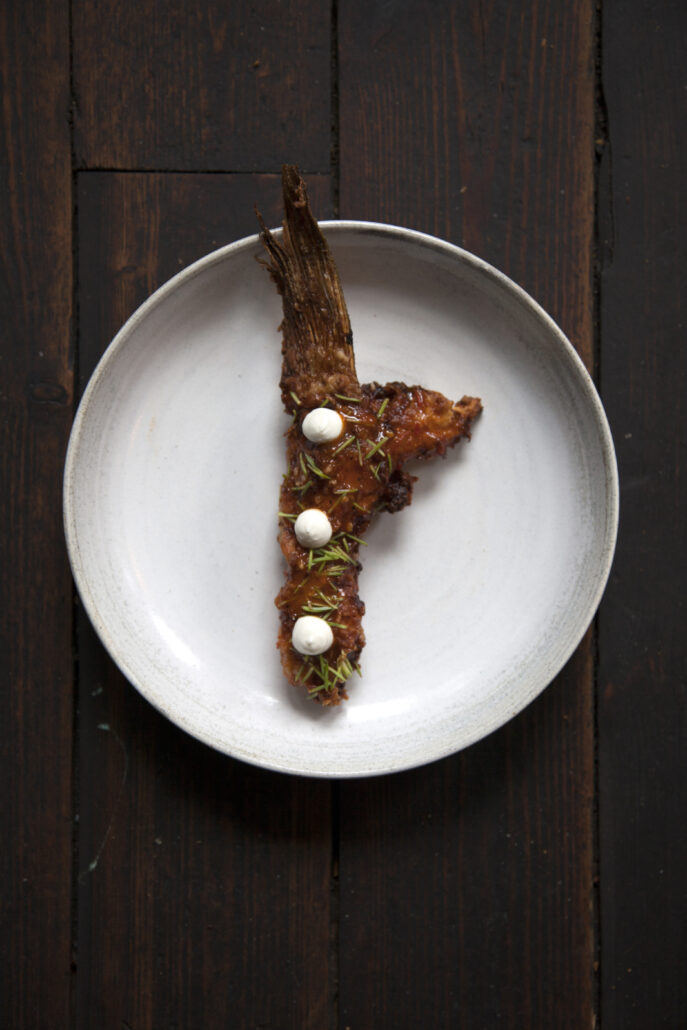
At Slippurinn, Auðunsson glazes the heads from reduced chicken stock, sugar kelp, and birch syrup and then bakes them, a process that gets repeated four times until there is a thick coating covering the head, which gets finished table side with a blow torch and served alongside cod tongues. He’ll make chicharrón from the skin, smoke the roe or deep fry the pectoral wings like chicken wings and serve them with hot sauce and pine. It’s not so much that Auðunsson wants to return to the ways of Old Iceland, insisting that everyone should eat boiled sheep’s heads and rotten shark. It’s that the past shouldn’t be entirely forgotten. It can be a part of the future.
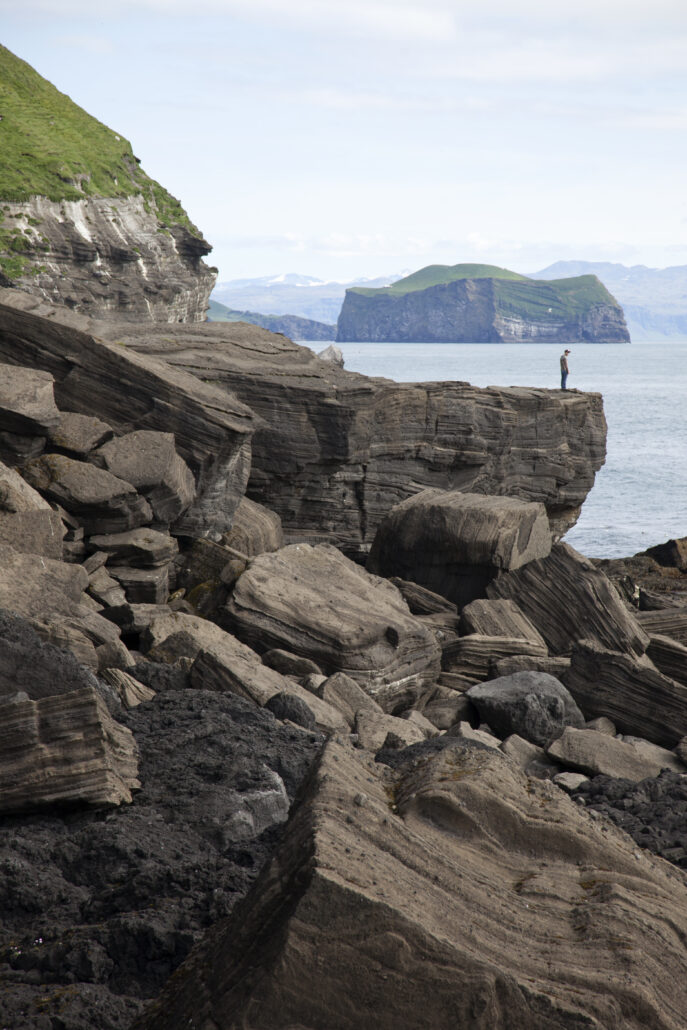
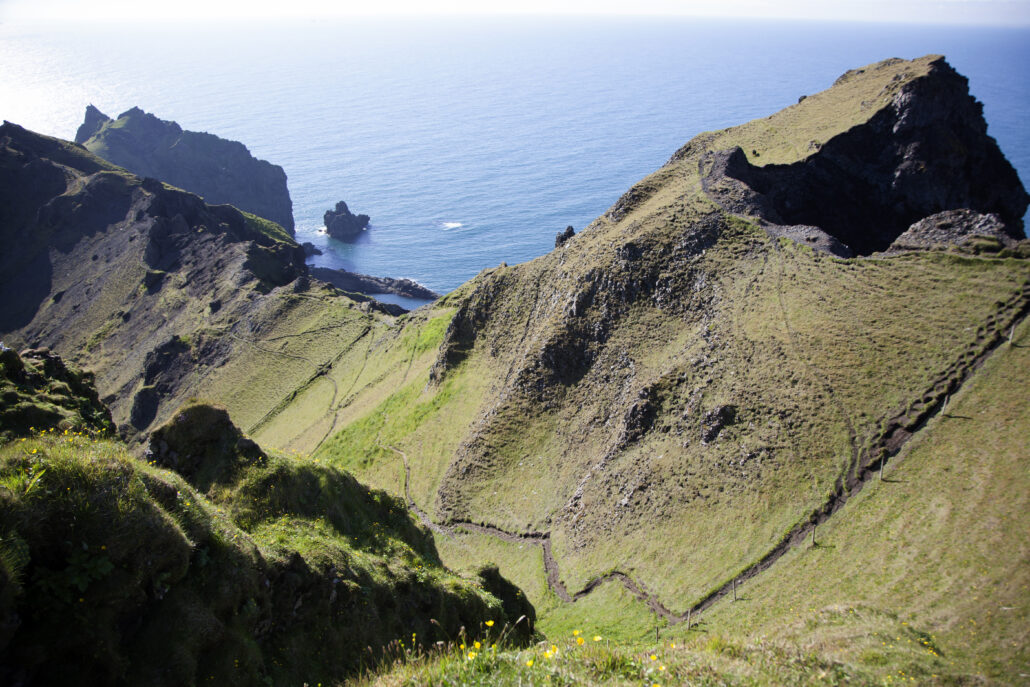
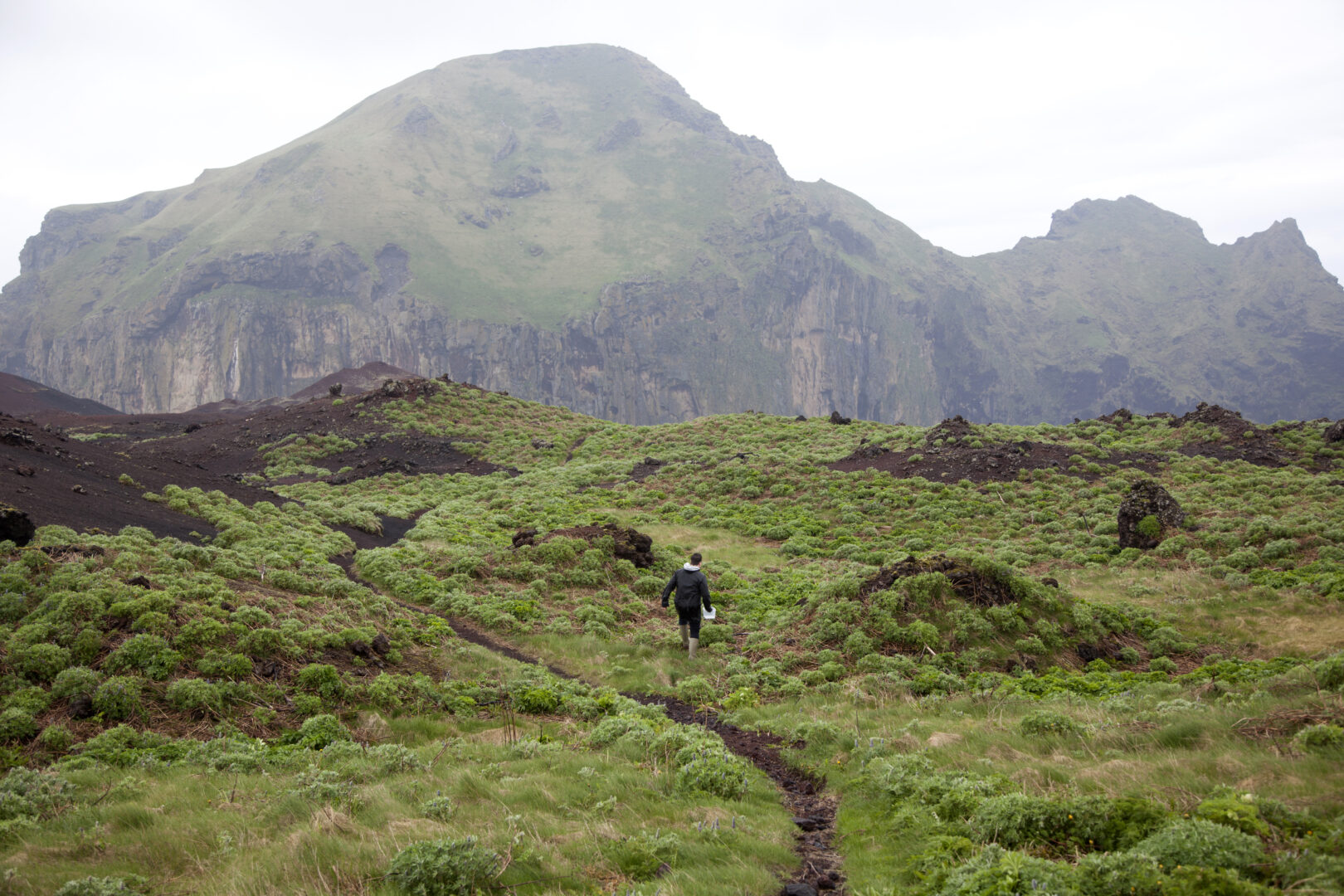
It was early morning on January 23, 1973 when a fissure opened up in a field on Heimaey, forming what would later become known as the Eldfell volcano. Emergency sirens awoke the island of fishermen, who didn’t happen to be at sea that day because of bad weather. As they stepped outside their houses, they could see the glow of lava and fire hovering at the edge of town, and smoke and ash surging out of the 3-kilometer-long crack in the earth. Most of the town’s 5,000 residents were evacuated within hours. The eruption lasted until July, destroying hundreds of homes, damaging hundreds of others, and burying much of Heimaey in ash in the meantime. The harbor, the lifeblood of the community, was spared because of an operation to pump sea water on the lava flow. The new land formed from the eruption actually made the harbor safer. There were other hardships for the islanders too. In 1627, Barbary pirates raided the island, kidnapping nearly half of the population to be sold as slaves and killing dozens of others. There were countless shipwrecks of fishing vessels, no reliable running water until 1968, and 2008 the country’s economic collapse caused many to lose homes and businesses.
In 2011, at the tail end of the financial collapse the family was living in Reykjavík. Auðunsson’s parents were working jobs that weren’t going anywhere and he was still trying to find his footing in a world where restaurant after restaurant in Iceland was closing. During a family gathering, his mother, Kata, mentioned that she had a dream of returning to Heimaey and opening a restaurant in the decrepit ship repair workshop on the harbor that had been abandoned for decades. No one told her what a bad idea it was. It wasn’t just for them, but to give back to the island, which had been struggling. They talked into the night and everyone volunteered their services. They had little experience in running a restaurant. His mother had waited a few tables in the past, while Auðunsson, then 23, had only worked the kitchen at banquet halls for a couple of years, aside from a week as a stagier at Gunnar Karl Gíslason’s Dill. His sister Indíana, who had a fine arts degree, redesigned the space from scratch while preserving the original character. She made tables from the decks of old fishing boats and turned a metal pulley system once used in the workshop into a lift for coolers of fish and produce to the second-floor restaurant. Then she ran the bar. Their father, Auðun, a fisherman and carpenter, installed all the plumbing and electricity. Kata managed the space and another sister was pastry chef. They had no partners and used all the money they had filling the space with second hand furniture and cooking equipment.
They were scrambling to get the restaurant ready right up until the moment the first guests arrived in the summer of 2012.
“I really had no idea what I was doing,” says Auðunsson.
The first night, the restaurant’s 100-seats were completely full. They lacked cookware, so after heating up a sauce, they would have to quickly clean the pot to heat another one. The menu was made up of lamb and fish dishes from banquet kitchens and things Auðunsson saw at Dill. They got orders wrong and made mistake after mistake.
Over the next few months, they rarely slept. They wanted to make new meat, fish, and salad dishes every day, so were awake until 3 am printing menus. There were also power structure issues among family members. “Doing something like this with your family is really fucked up,” says Indíana. Yet, the restaurant stayed full. The island was rooting for them. They were so happy that someone was trying to do something positive on the island. They wouldn’t let them give up.
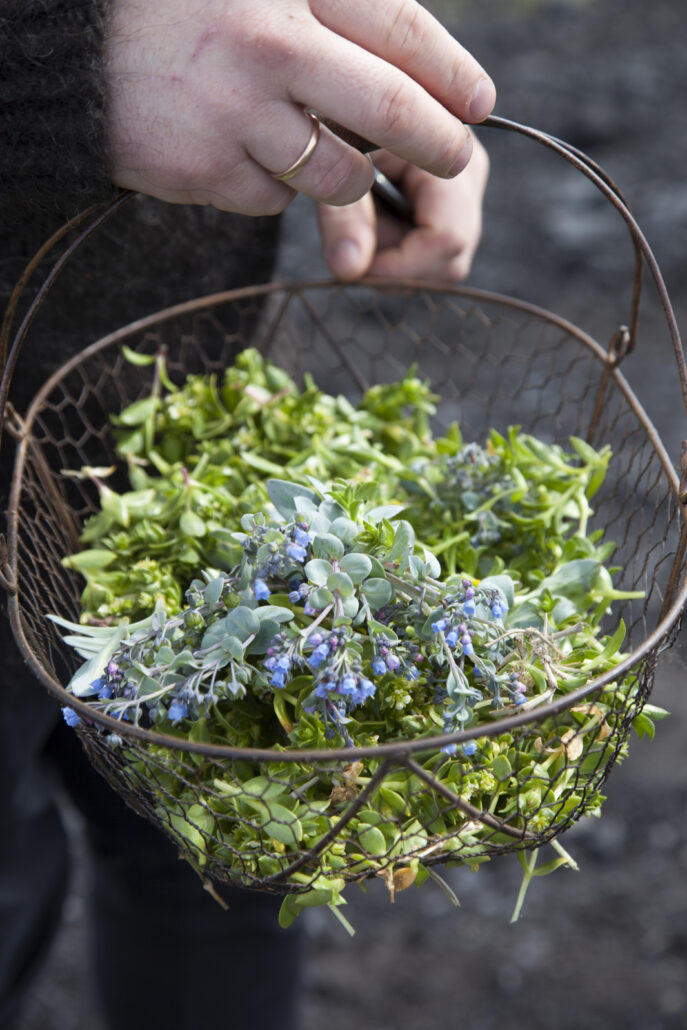
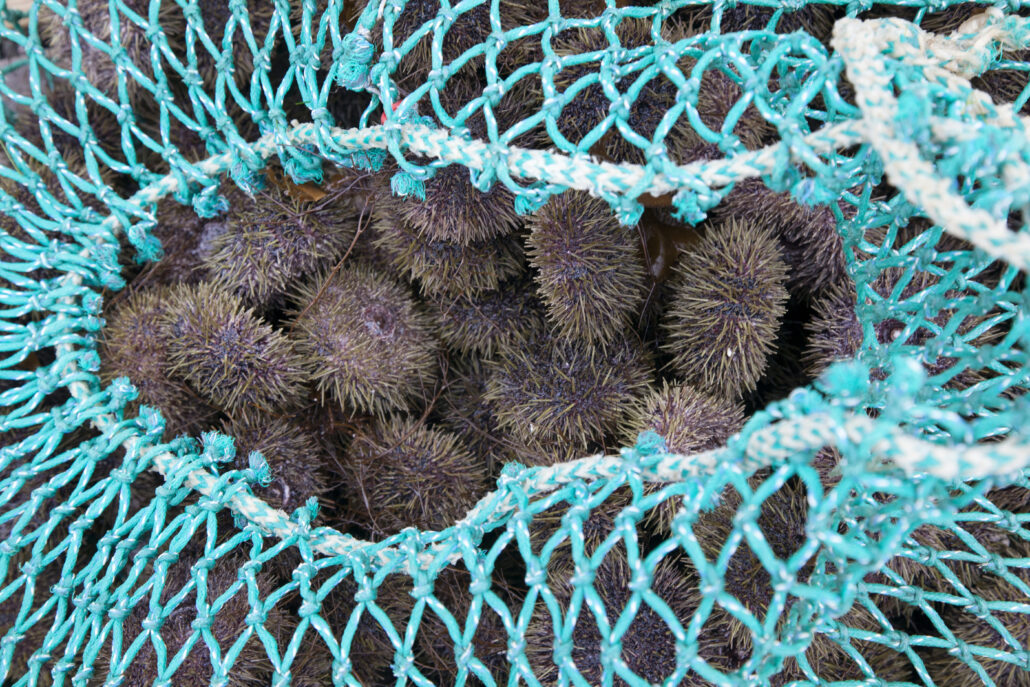
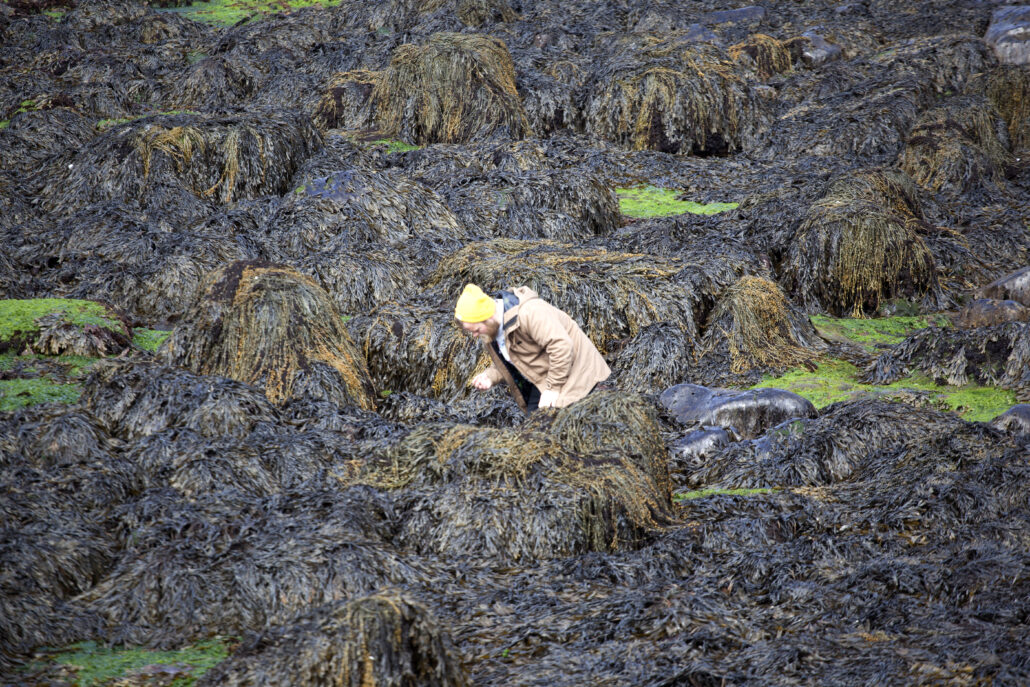
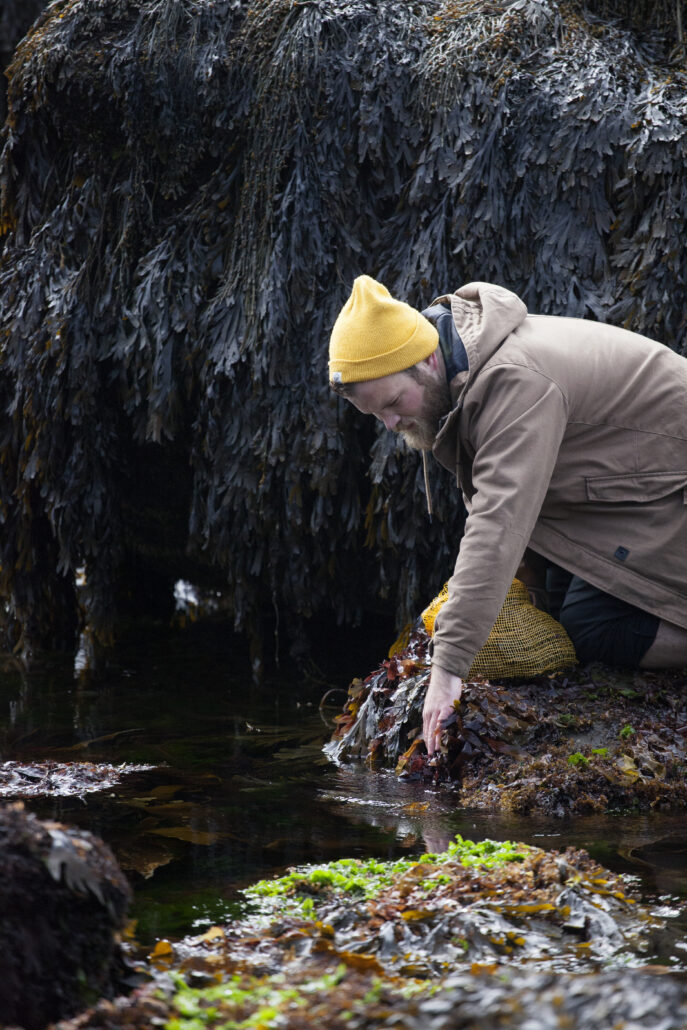
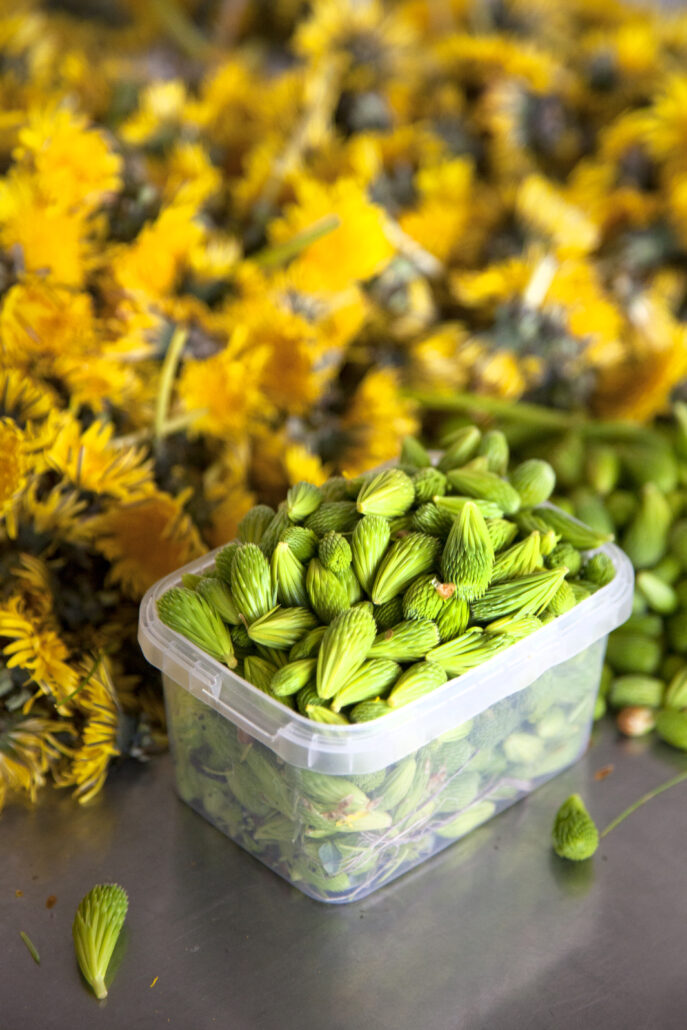
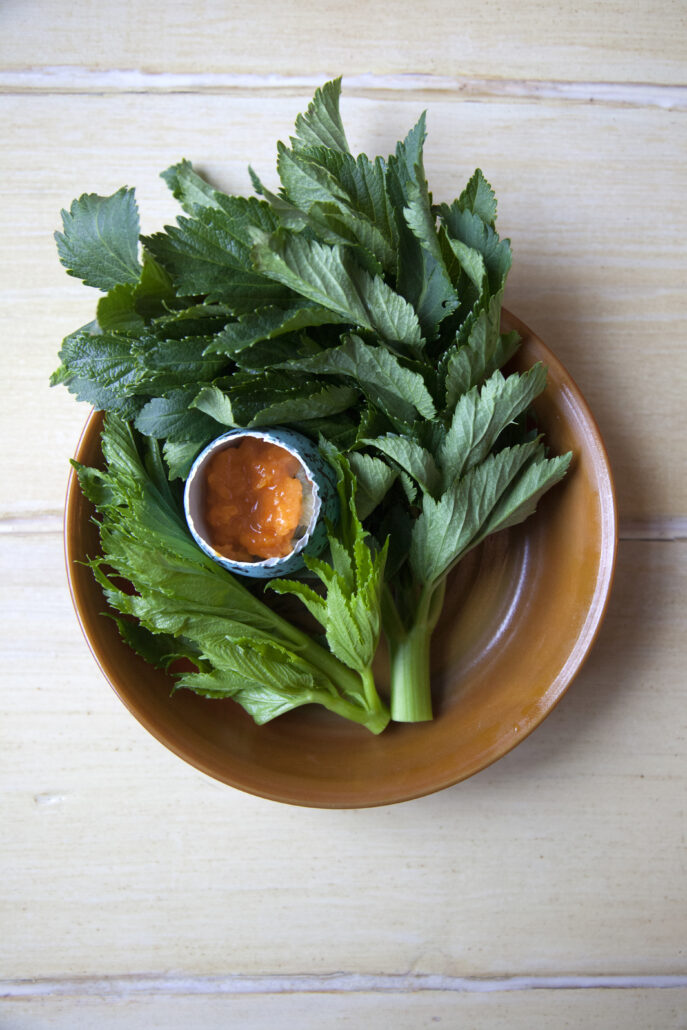
Each Spring, when Slippurinn opens, the island of Heimaey changes. The island, the largest and only inhabited in Vestmannaeyjar, comes to life. It’s not just because the island’s residents start coming out of their houses more. That wild herbs like sorrel, chervil, angelica, and lovage start to appear on the green hillsides. Or that young lambs are being taken to the outer islands, hoisted up by ropes then left to roam and eat the grasses and herbs that have grown thick during the winter months. It’s not even because the restaurant’s core staff are trickling in. The sous chefs and pastry chefs have been there for a month already, pickling and brewing kombuchas, and wandering around the island collecting dulse on windy beaches and foraging for young dandelions, only when the sun is out and the petals are open, before they become too bitter in the summer. The week before opening they are there aging meat, curing halibut, and making stocks and ice creams.
The menu isn’t written until the day the restaurant opens, when Auðunsson picks up whatever fish was caught that morning.
The island comes alive because something happens when a restaurant opens in a town of a few thousand people, even when it happens again and again year after year. By all reason it’s a restaurant that probably shouldn’t exist. With 100-seats, it’s far too big for such a small island, even with the ebb and flow of the occasional pack of tourists that come and go with every ferry from the mainland. Dishes made from fish heads and foraged plants alongside a list of natural wines are too progressive for a bunch of fishermen, aren’t they?
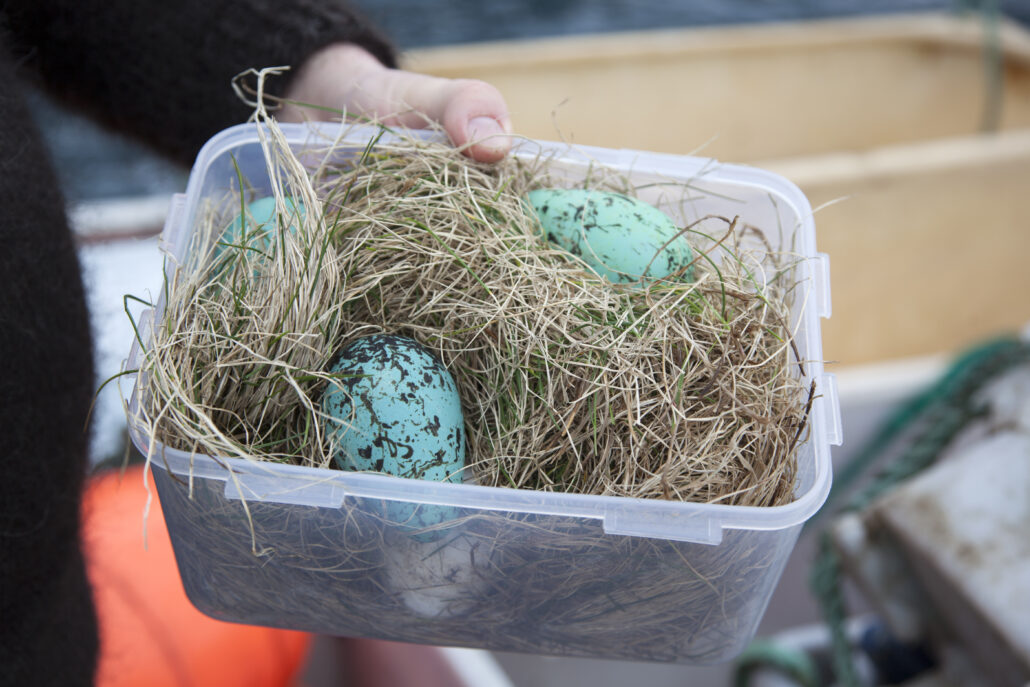
Starting from nothing gave Auðunsson the chance to think about what kind of restaurant they wanted to be. There was no baggage or expectations placed on them. They wanted to be sustainable and seasonal, though fully understanding what that meant would come over time. During the first off season Auðunsson took a job as a private chef at a ski resort in France, working part of the week and staging at Michelin starred restaurants the rest of the week. It gave him time to think about Slippurinn; what they did right and what they did wrong. He came back for the second season very ambitious. The family started to find their voice in the restaurant. They started to think about the flavours the islanders were familiar with. They started to experiment with the sorrel growing on the hillsides and the pineapple weed sticking out of the new lava flow. They traded cocktails for the rhubarb growing in everyone’s gardens. Hunters brought them seabirds and their eggs.
They started to use the unwanted parts of the fish and lamb that islanders were forgetting how to eat yet were engrained into their bones.
Up until Auðunsson opened Reykjavík restaurants Matur og Drykkur in 2015 (which he is no longer involved in) and Skal! with some friends in old Hlemmur bus station in 2017, each off season went the same way. Auðunsson travelled, read cookbooks voraciously, made pop-ups around the world, and staged at restaurants in New York like Eleven Madison Park, Aska, Atera, and Luksus.
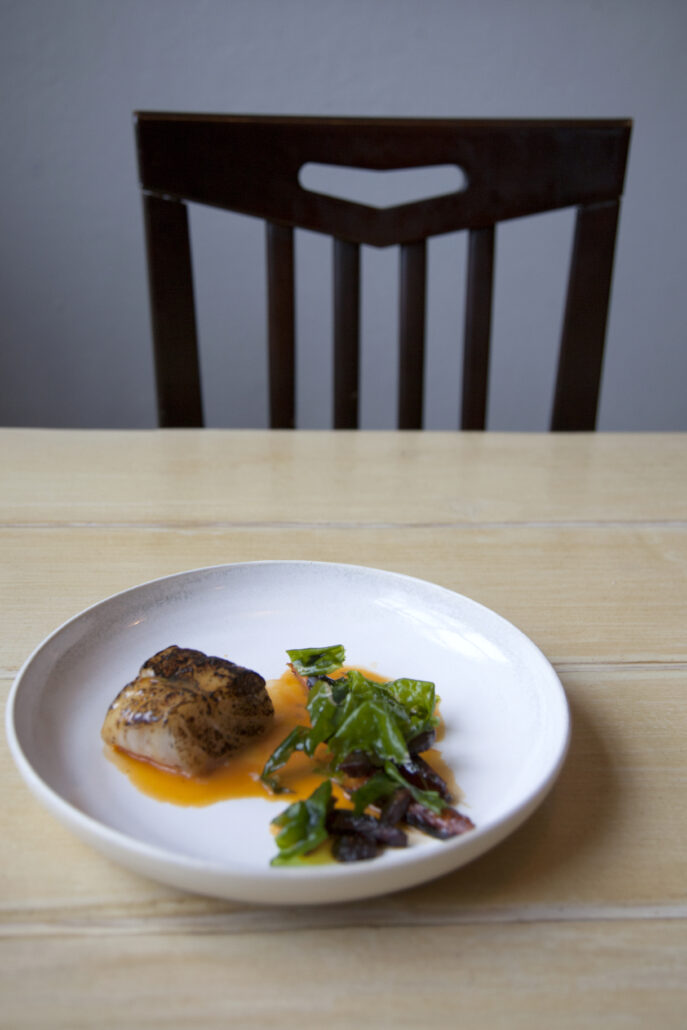
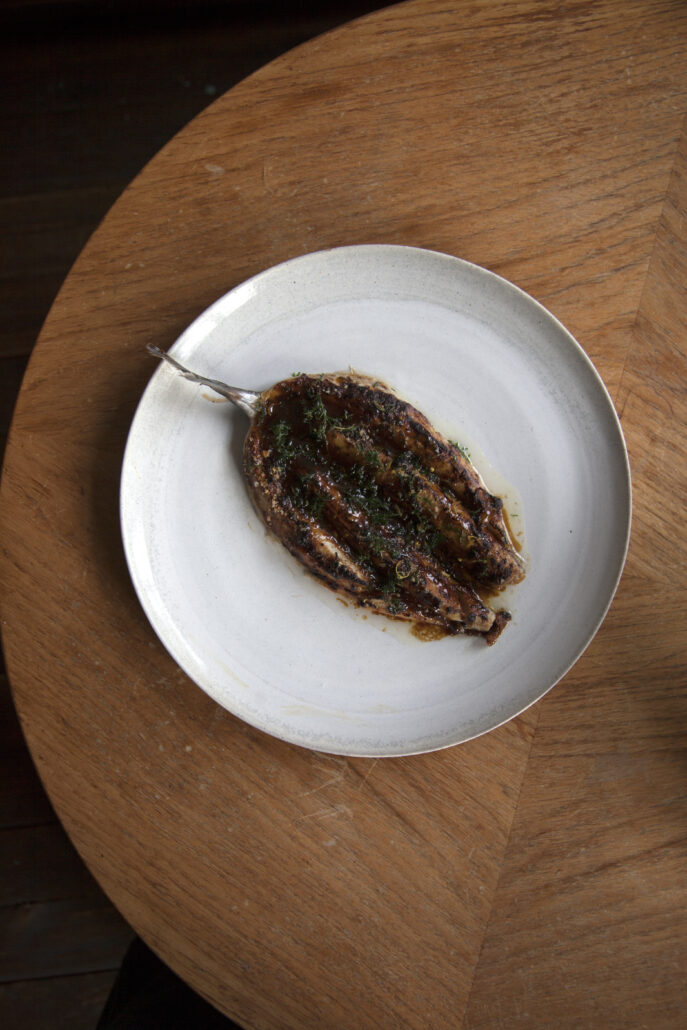
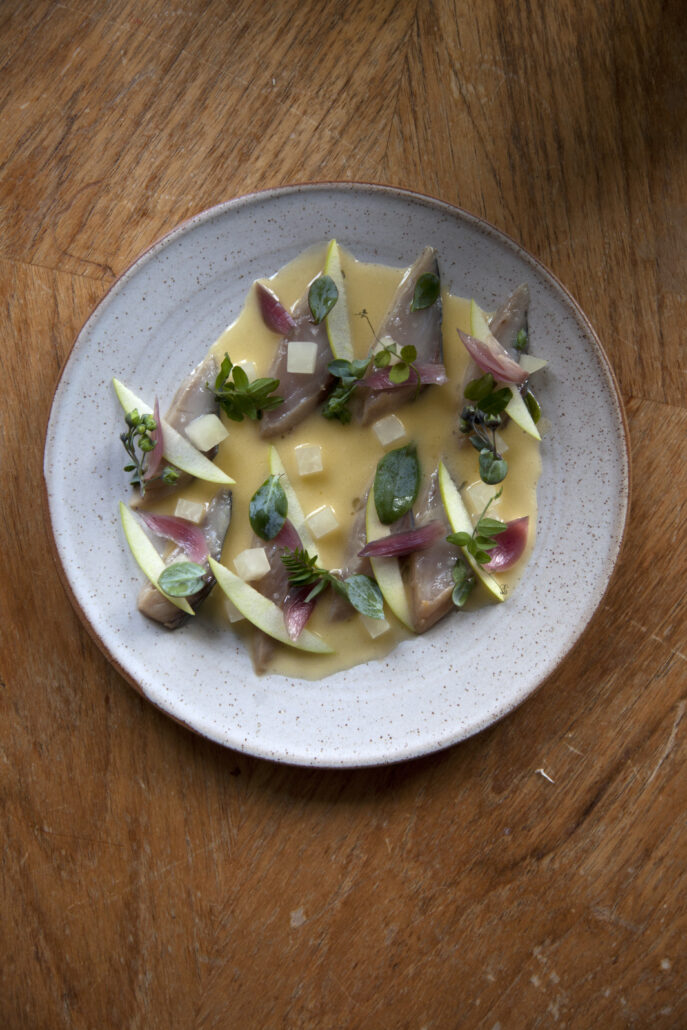
They have become more in tune with how the flavours of herbs change throughout the seasons, are learning more about seabirds and shellfish found on the islands, and adapting the menu to once non-existent fish, like mackerel, that have suddenly appeared en masse here because of a changing climate. A year ago, they bought an abandoned building across the street and Auðun turned it into a prep kitchen and apartments to make life better for stagiers. Every króna they have earned has gone back into the business, back into the island. Each year the restaurant has gotten better and has received a considerable amount of press, though Slippurinn’s impact could never be justified by Michelin stars or rankings. They could probably just focus on a tasting menu, serving 16 a night, and those things would probably come. The experience, the setting, the quality of the food, and the service are on par with many of the world’s great restaurants. They could have lower overhead and fewer people to manage. Tourists and weekenders from Reykjavík would probably pay double what they pay now. They could probably start turning a profit too, but the fishermen and school teachers and factory workers that are the majority of the clientele would stay away. Rather the impact of Slippurinn can be measured by the community that supports it year after year.