Up you get! Up you get! The early bird catches the worm.
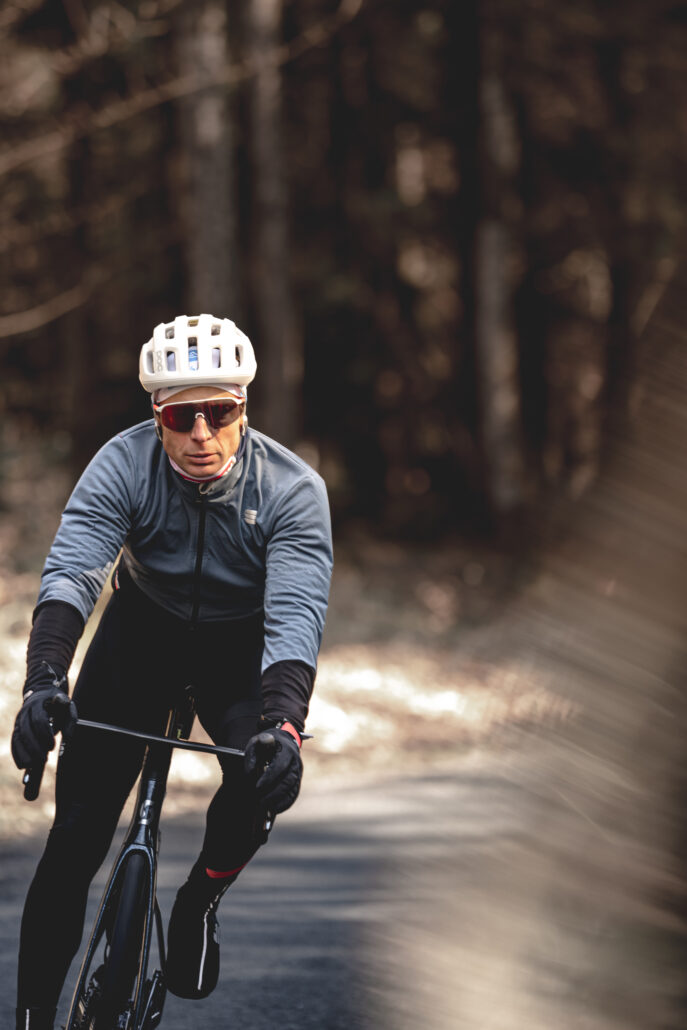
Jean Sulpice sets off for his ordeal with a smile on his face. He slips out of the immaculate whites of his multi-Michelin-starred chef’s jacket, swings himself onto his bike and, just like that, he’s gone. He has a knack for disappearing into the wild. I suspect – though it’s only a guess for now – that he switches off his iPhone’s location sharing too. Even his wife, Magali, has no idea which forests or mountain slopes he’s vanished into. Alone, or sometimes accompanied by an equally ascetic disciple, he sets off in praise of physical endurance. He rides to leave the beaten track behind, taking unresolved paths through woods and forests stretching up towards the alpine pastures. Losing himself in the very heart of uncertainty. Not to come first. Not to break records of endurance, but to ask leave of the world above.
Somewhere, hidden from prying eyes amid the camouflaging green of Haute-Savoie‘s dense Alpine woodland, a man (48 years old, a welterweight in boxing terms, cobalt-blue eyes sharp as a blade, a high fade worthy of Cillian Murphy in Peaky Blinders) finds himself in good company: alone, face to face with himself. Some practise yoga. Others meditate. Some disappear for a month into the silence of a spiritual retreat, while others, more pragmatically, lie down on a psychoanalyst’s couch. For Jean Sulpice, this time away is part of the marriage contract: when the cyclist vanishes into the mountains and the woods around the lake, it’s simply his way of finding himself again. In search of that almost Apollonian state of contemplative transformation which, for him, seems to herald a deeper inner vision. Or perhaps not. Take it – figuratively speaking – with a pair of tweezers.
“A landscape, a shaft of light filtering through the forest, the scent of moss beneath the trees, the plants, the wild Alpine flowers… that’s often how ideas come to me. It’s never the finished image of a dish, simply waiting to be made. It starts with the shape of a feeling, of an emotion.”
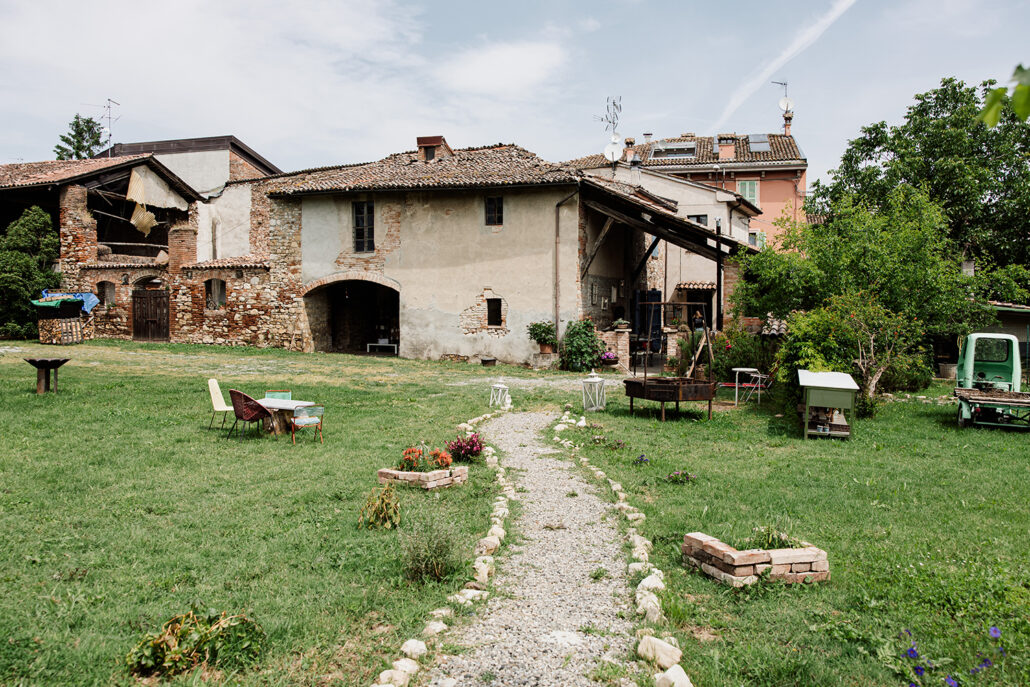
This is how the two-Michelin-starred chef from Savoy speaks (at his eponymous restaurant, Jean Sulpice, at the Auberge du Père Bise, editor’s note): carefree when the mood takes him, yet body and soul devoted to the respectful lineage of high Alpine cuisine. Jean and Magali met – and have never left each other’s side since – in the kitchens of the wild-haired Marc Veyrat at the turn of the millennium. Today you’ll find them in Talloires, on the shores of Lake Annecy, where they’ll celebrate ten years in 2027, at the legendary Auberge du Père Bise: the historic lakeside inn whose restaurant helped write some of the finest chapters in the history of classical French cuisine. No small legacy. They could hardly have hoped for a finer inheritance. This idyllic corner of the lake has welcomed just about everyone. Great gastronomes, certainly, but also artists and political figures: from Winston Churchill to Queen Elizabeth II, by way of Jean-Paul Sartre and Serge Gainsbourg, who came here to write, reflect and find a little refuge – along with the rather less illustrious Richard Nixon and more than one Shah of Iran. They also came to feast on generous cooking, as opulent as the lean years of post-war France demanded it should be, with signature dishes – though nobody would have dared call them that back then – created by François and Charlyne Bise. Fillets of perch in a silky butter, herb and lemon sauce. Poularde with tarragon, served after a gratin of lake crayfish. These were the dishes that boldly embodied the restaurant’s three Michelin stars from 1951 to 1982, accompanying, in their own way, the Trente Glorieuses, France’s three decades of extraordinary post-war economic growth.
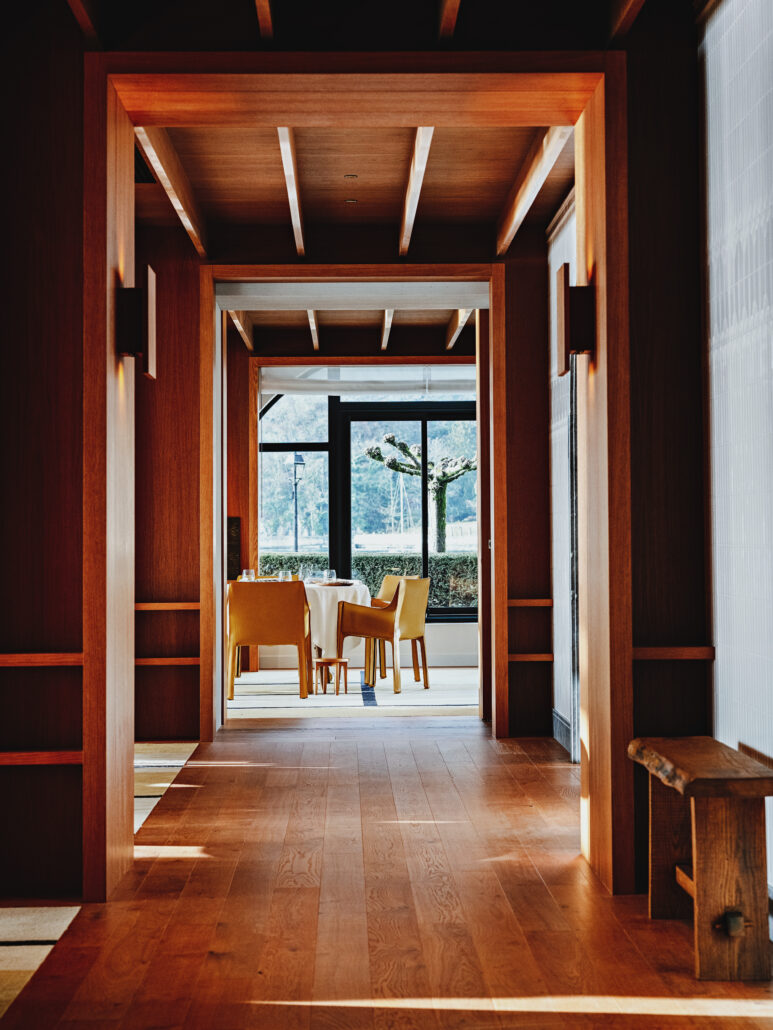
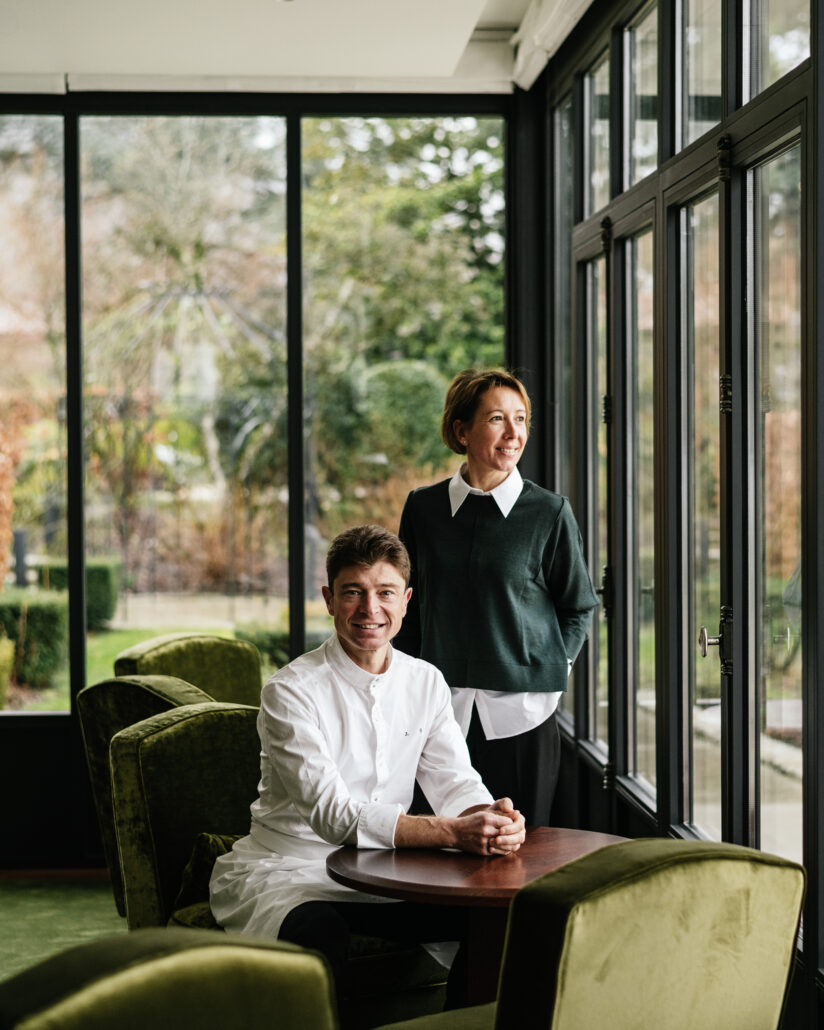
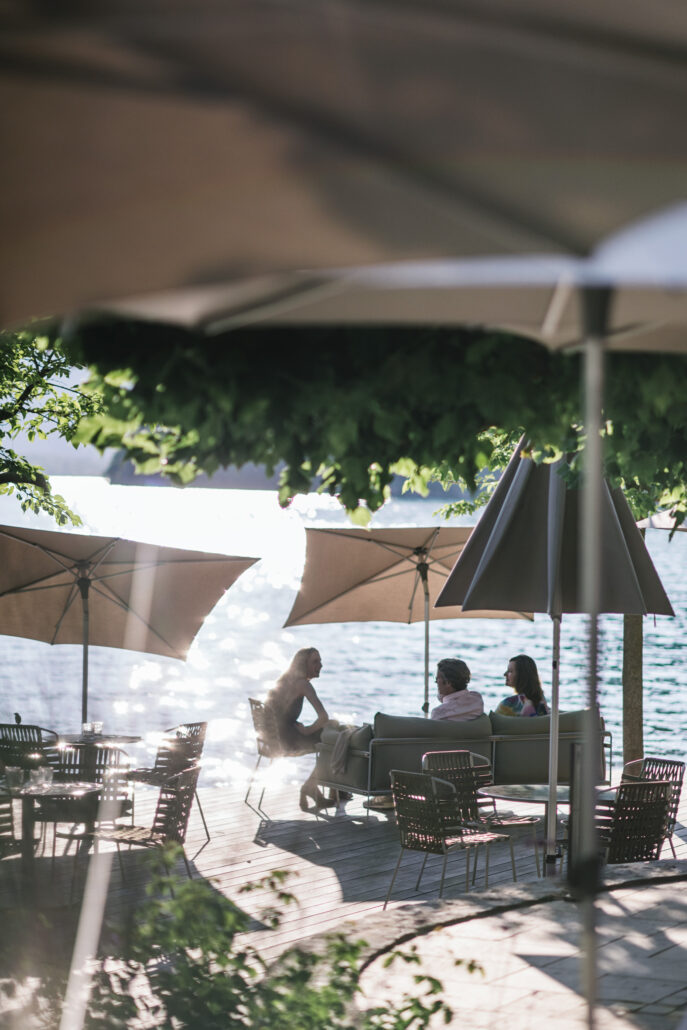
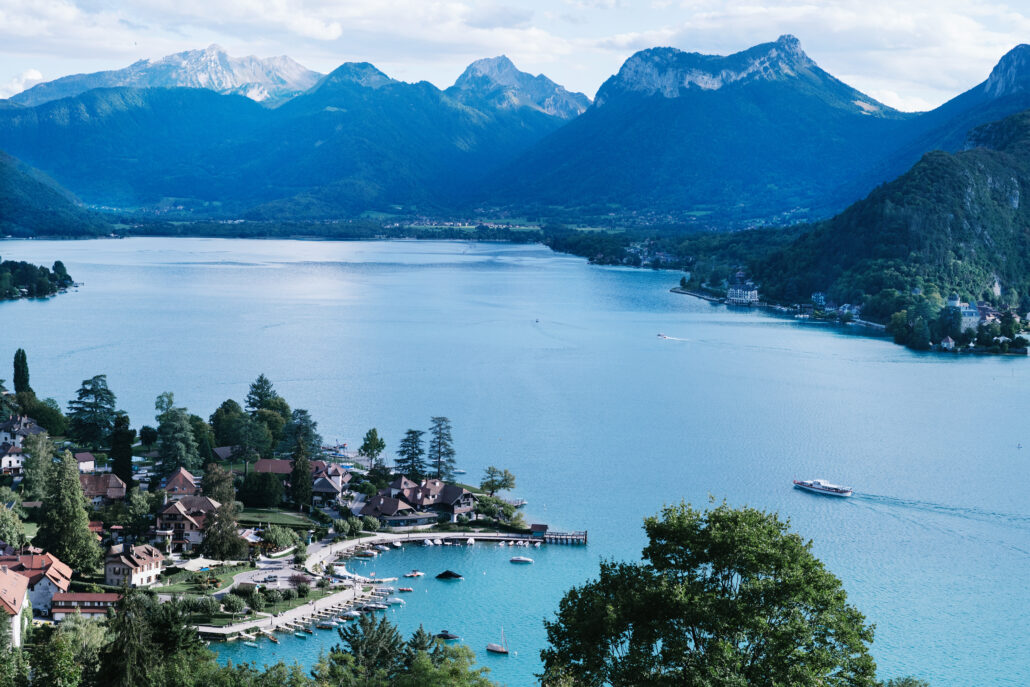
To “cast off”, as their Swiss neighbours like to say, and leave Val Thorens – the highest ski resort in France, perched 2,300 metres above sea level – where Jean and Magali first made their name with Oxalys, in order to take over the Auberge du Père Bise, says everything about their ambition: to restore a legendary house to its former glory while propelling it into a new era.
In the dining room, in the kitchen, and, naturally, on the plate, nature is everywhere. One glance through the floor-to-ceiling windows is enough: the crystal-clear waters of Lake Annecy, scientifically proven to be the cleanest in Europe, mirror the surrounding mountains, framing an unspoilt landscape across a sweeping 180-degree panorama. See Talloires and die happy, of course. Nature at its most sublime. But nature, as we know, has another side. It is wild, fiercely competitive. Jean and Magali Sulpice’s arrival was simply the latest move in the local contest to make Lake Annecy the Alpine capital with the highest concentration of Michelin-starred restaurants, whether measured per inhabitant or per square kilometre.
“Back in Val Thorens, many of our guests would walk into the restaurant still wearing their ski boots. Despite the awards and recognition we received, we were always dependent on the rhythm of the resort. Once the peak season was over, the right guests remained – the enthusiasts, the people who were genuinely interested in the food – but you could really feel the highs and lows.”
And Jean found it frustrating that, during the busiest months of the year, so many of his guests were only marginally interested in discovering his mountain cuisine – a cuisine that whispers its truth rather than shouting it.
Imagine Sulpice’s predicament. That’s why, following in the disruptive footsteps of his mentor Marc Veyrat – who, in 1985, left his native village of Manigod for Annecy, “the city of the rich” – Jean chose to take over the magnificent Auberge du Père Bise. A new beginning. A chance to take stock of everything. Starting with himself. He barely pauses for breath. He continues:
“My maternal grandparents ran a hotel and restaurant near Le Bourget-du-Lac. I spent every weekend with them, surrounded by a constant flow of guests. There was always something to do, and nobody ever seemed to sleep. That’s where I learnt what hospitality really means. I was never particularly comfortable at school and didn’t enjoy studying. I started training in professional kitchens and eventually became an apprentice at Pierre Orsi, one of Lyon’s great restaurants. In 1995, my brother, who was a top-level cyclist, suffered a serious crash during the Track Cycling World Championships in Bogotá and was left paraplegic. I felt lost. Our whole family was devastated, and it was an incredibly difficult time. The rhythm, the discipline, the hierarchy of professional kitchens gave me a place where I could rebuild myself. One Sunday evening I happened to see a chef on television wearing a big black hat, heading into the mountains in his four-wheel drive to gather wild herbs and plants. He looked completely mad – a mountain god, tanned, fearless. It was love at first sight. I sent him my CV and, a few months later, Marc Veyrat took me on at La Ferme de Mon Père. That’s where I met Magali. Everyone told me to forget it. ‘Veyrat is crazy. He’s unbelievably tough in the kitchen. An executioner.’ But I stayed, and I learnt an enormous amount from him. Not just the discipline required to run a three-Michelin-starred restaurant at the height of its creativity, but also the secrets of the farming world, and of mountain culture and traditions, distilled into every gesture. Veyrat was the first – and, to me, still the greatest – to celebrate wild alpine flora on the plate. Back then we created dishes that seemed almost unbelievable. Lake féra with an emulsion made from avens roots, whose resinous aromas sit somewhere between camphor, eucalyptus and cloves, served on glass plates to evoke the transparency of the lake itself. Ravioli made not from pasta but from paper-thin vegetable leaves, filled with mountain herbs and black truffle. A whole new world opened before my eyes.“
He pauses. Takes a sip of mineral water. Then he’s off again, without missing a beat, his words flowing in one long, saxophonist’s breath.
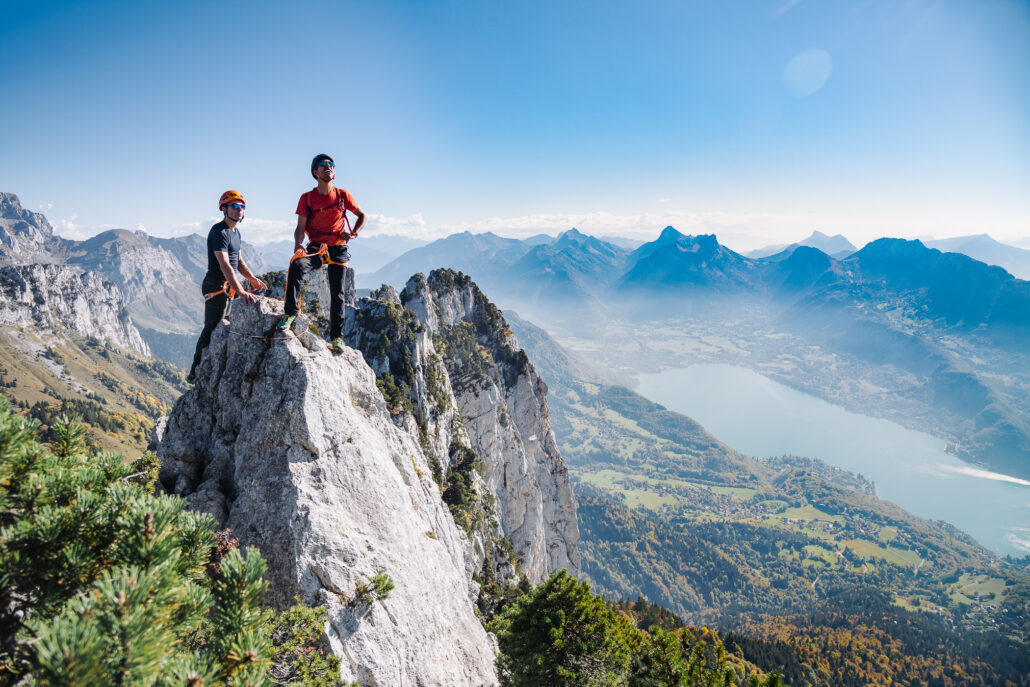
“Back then, whenever I had a bit of free time, I’d mess around on a snowboard – nothing more. Then one of our interns, who was an outstanding athlete and later became a close friend, took me to another level. He taught me what it meant to train properly. We set ourselves the goal of climbing Mont Blanc, and every weekend became another training session: mountains, elevation, pushing ourselves to the limit. I was working seven days a week, but I was in my twenties. I hardly slept, yet that pace made me feel alive. After Mont Blanc, we climbed another twenty-three peaks. At the same time, alongside mountain biking, when I arrived in Val Thorens in 2002 I took up ski touring. Oxalys was just getting started. I was working like crazy and never seemed to have enough time, so I’d head out at dawn or at dusk, when everything was still. I’d put on my climbing skins and make my way up the slopes using the frontal technique, then ski all the way back down in complete darkness and silence. It was a physical experience that allowed me to step outside myself, to focus.”
“That’s when I realised just how vital the balance between sport and cooking was for me. It helped me release tension, channel my energy and bring a different kind of clarity to my work”
“I’ve always experienced sport more as a spectator or a climbing partner than as a true competitor, yet that world of discipline, constant preparation and competitive spirit has always spoken to me. Sport and cooking demand the same discipline, with one important difference: in sport you have to play by the rules, so there’s less room for creativity. In the kitchen, if you don’t learn to channel your energy, you end up scattering your creativity. Pushing myself physically helps me mentally. It sharpens my mind and allows the creative side of my work to perform at its best. That’s the central idea of the book I’m just finishing, which will be published this autumn.”
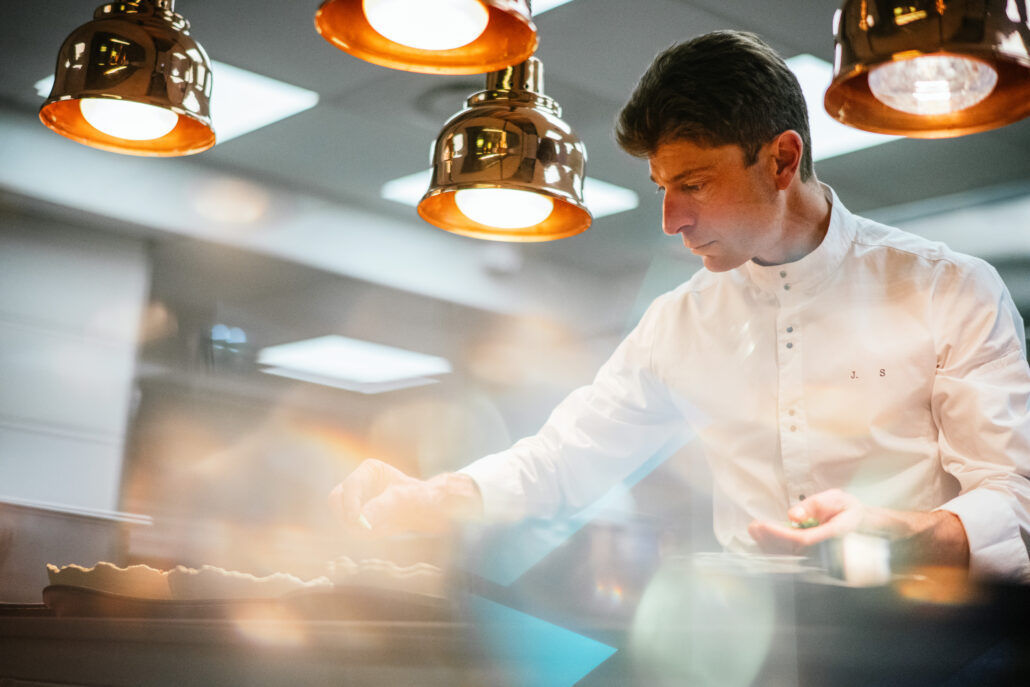
As for the driving force of will – somewhere between the Id and the Superego – the evidence is all there, laid out for everyone to see. The path to revelation, however, is subtler, far less bound by the neat logic of cause and effect. With Jean, you need a certain leap of faith. You have to be willing to follow him. On the one hand, he’s no showman. Reserved by nature, he prefers to let the work speak louder than the man behind it. On the other, he takes quiet pride in having transformed the Auberge du Père Bise into a richly layered place, welcoming guests on almost every occasion. To borrow an old saying: if he can’t always go to the mountain, then the mountain must come to him. And so, in Talloires, Sulpice has created three places to live, gather and eat within a single destination.
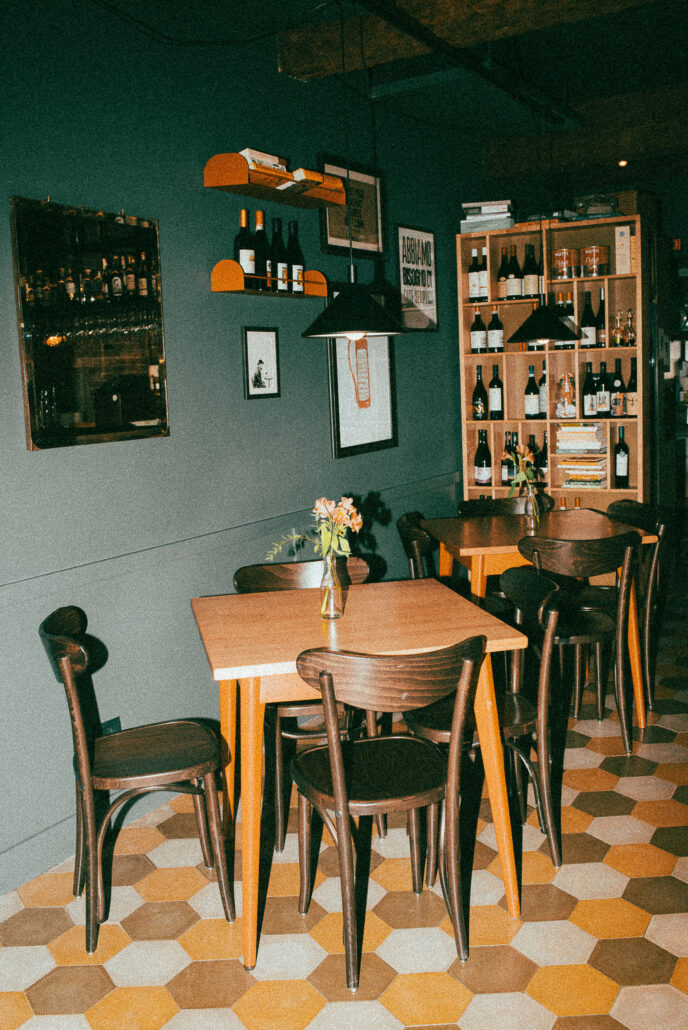
There’s the Marius Bar & Terrace, the American-style bar named after the founder of the Bise dynasty. Then there’s 1903: not a bistro by any stretch, but a restaurant that embodies the most refined expression of local cuisine, where the great classics of the house are given new life. The legendary Lake Annecy crayfish gratin, for instance – reimagined in Jean’s own way: lighter, more concentrated, unmistakably contemporary, yet instantly recognisable. Or Philippe Héritier’s spelt risotto with tiny snails. Héritier is not only an exceptional winemaker and a lifelong friend, but also a devoted – and wonderfully meticulous – breeder of gastropods. 1903 is the kind of place you can visit on your own, as a couple, with the whole family or around a long table of friends. The menu gives everyone complete freedom. The bill feels fair too: around a hundred euros before wine. A more enticing introduction would be hard to imagine. From 1903 it’s only a few steps to the front-row dining room overlooking Lake Annecy – the restaurant Jean Sulpice – where Jean, in his natural element, is waiting for us.
Abandon all hesitation, ye who enter. Despite the rather intimidating title of his Haute Cuisine Alpine, the menu promises no endless culinary marathon: just eight carefully composed courses, each opening a window onto an imaginary world rooted entirely in the landscape that surrounds us.
Don’t be fooled by the apparent simplicity of the headings. Two words – sometimes just two ingredients: Féra and red chicory. Crayfish and meadowsweet. Behind them lies an imagination that is anything but restrained, unfolding instead through reflections, digressions, subtle inflections and moments of sheer wonder. And so we follow Jean through the very real garden of J.S. – the initials that also give the restaurant its name. Along the paths he leaves us a trail, like a modern-day Tom Thumb: alpine herbs and mountain roots, breadcrumbs to make sure we never lose our way. Chamomile grows beneath our feet. Helichrysum spreads across the meadow. A little further on, épicéa – the Norway spruce. And beyond the blueberries, at last, vulneraria: the secret agent whose wormwood notes are enough to send apples and Savagnin into a delicious delirium.
J.S. has little in common with J.R. from Dallas. The story unfolding here follows a very different script. Its chapters are written between the lines: the lake, the mountains, the ongoing dialogue with the alpine pastures, the ingredients, the natural techniques. It’s an inward-looking narrative, one that flirts with restraint – guided by tact, respect and a reluctance for grand theatrical gestures. The land of Savoy may be rugged, masculine, often almost aggressively virile. Yet that’s precisely what Jean Sulpice seeks to overturn, revealing instead the quiet nobility of the femininity that lies beneath.
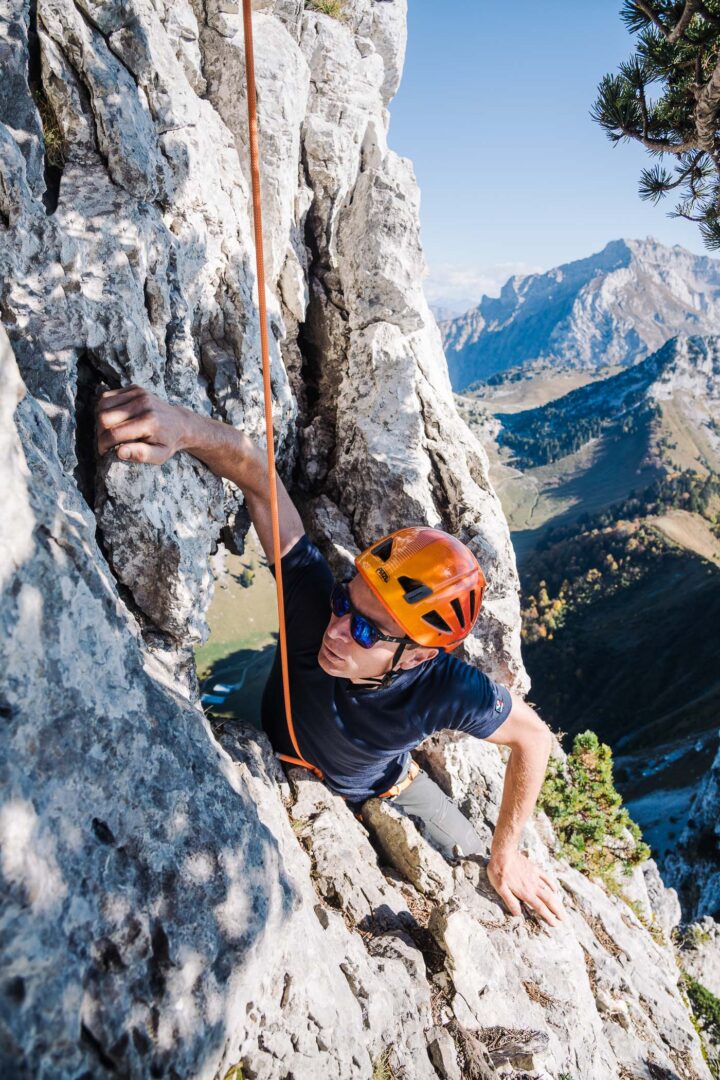
“The Alps may seem harsh – and they are. That’s exactly why they demand such sensitivity. When I’m climbing a rock face with a mountain guide, it’s never a demonstration of strength. If anything, it’s an exercise in delicacy. Your hand searches for the right hold, your foot for the right foothold, and before you know it, you’re in dialogue with the rock. Almost like a spider climbing a wall: it clings to the void, yet everything it does is infinitely delicate.”
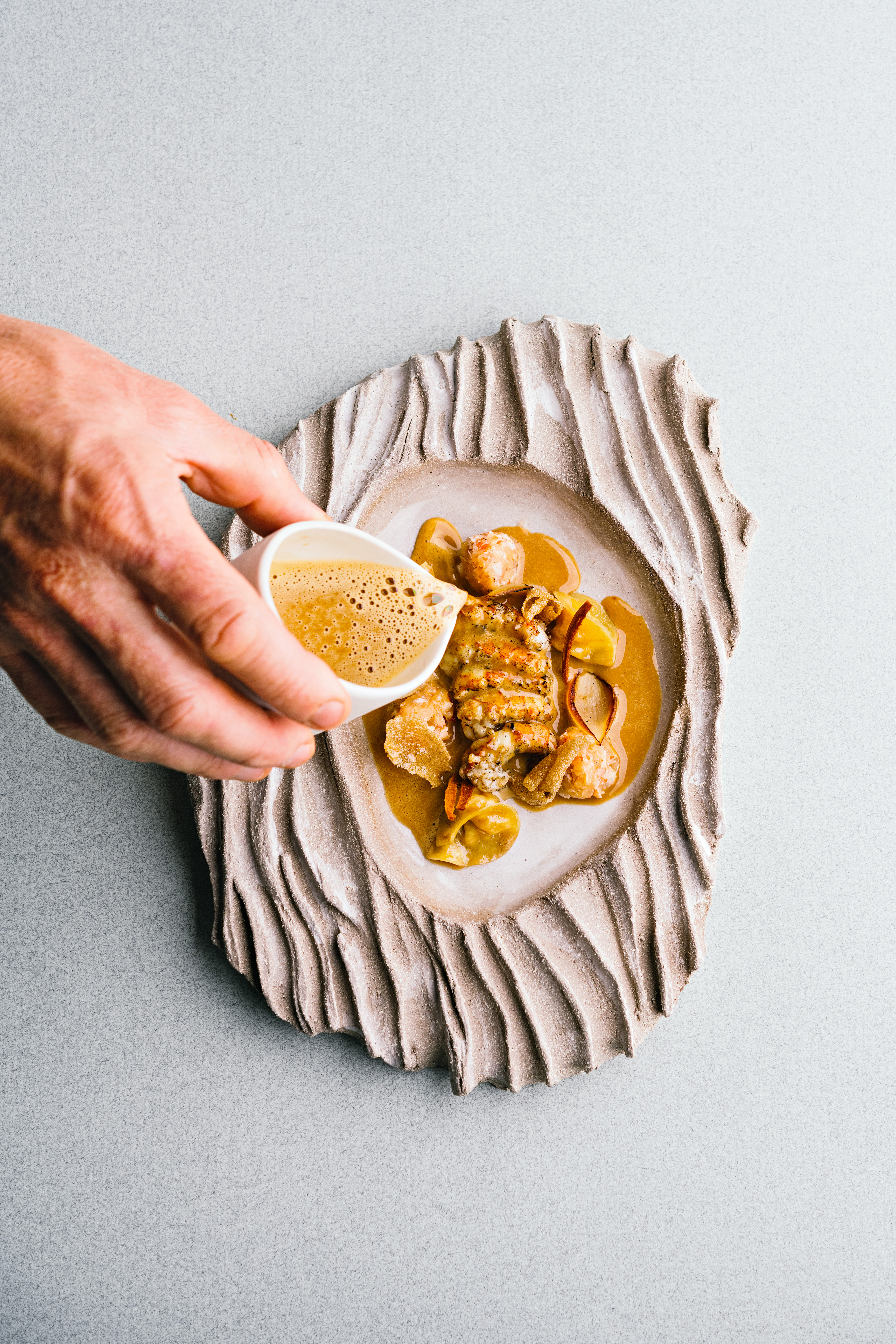
Gone is the old fixed centre of gravity, the main ingredient around which an entire menu was once built. There are no longer any rigid hierarchies. Everything is conceived as part of a single, harmonious whole, with the plant world acting as the common thread. The pursuit is that of a fragile balance, like mist drifting across the lake: here for an instant, then gone, to be caught only in passing. There’s a Chawanmushi of mushrooms and chicken livers scented with sweet fern, served with a delicate vinaigrette. A Savoyard pormonier, the region’s traditional sausage, reimagined with Philippe Héritier’s tiny snails, their earthy notes replacing the richness of pork. Then come Charcoal-smoked lake crayfish with tortellini filled with the crustaceans’ heads, scented with meadowsweet in a flourish of almond-like aromas. And tradition, forever reinterpreted, even takes the form of a walk through the vegetable garden. Matafan – Savoy’s crisp potato pancakes – appear here in their lightest, most delicate expression, surrounded by colourful leaves of baby lettuces, red and white chicory, endive, petals of beetroot and slices of pear, where natural bitterness is gently seduced by sweet-and-sour notes.
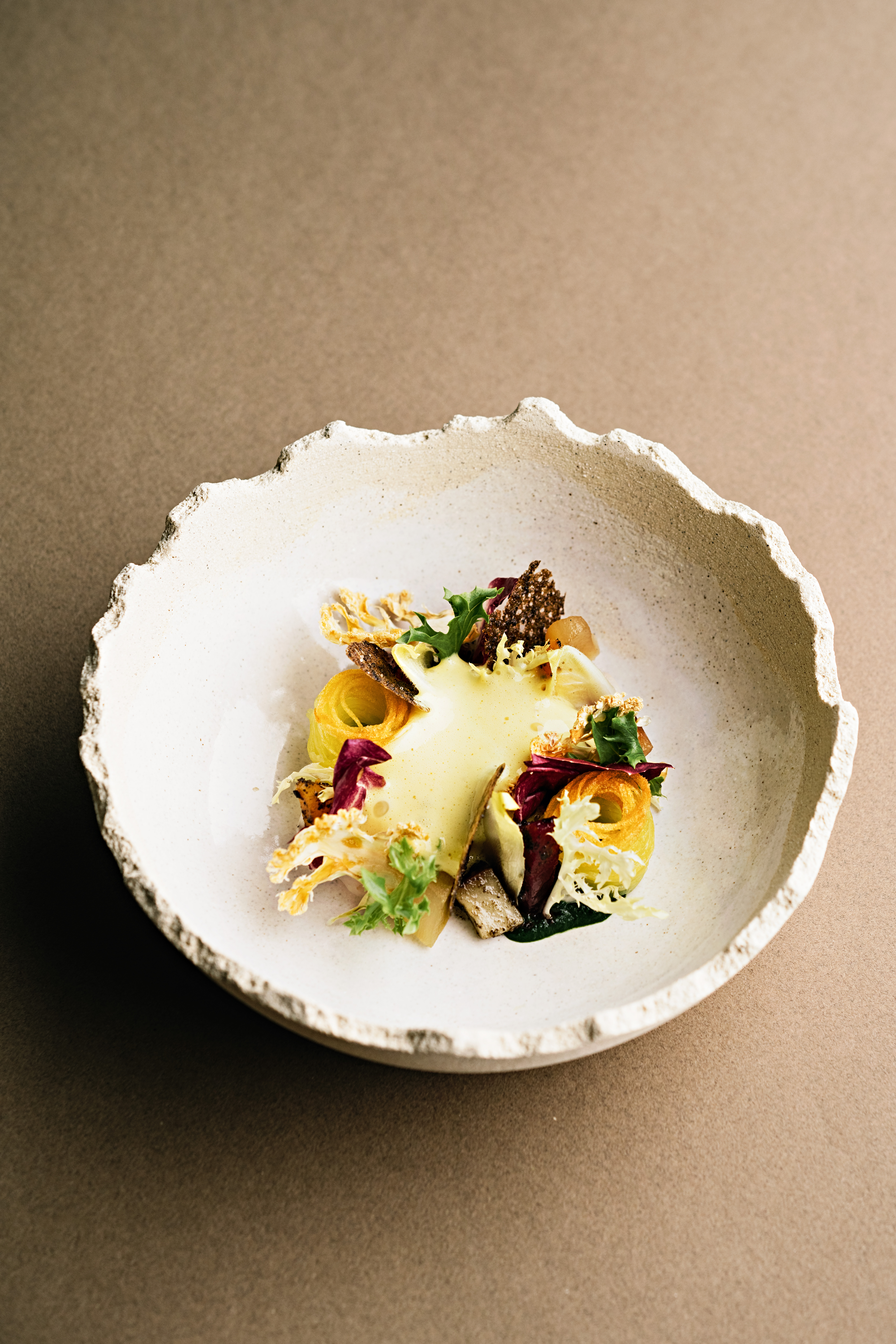
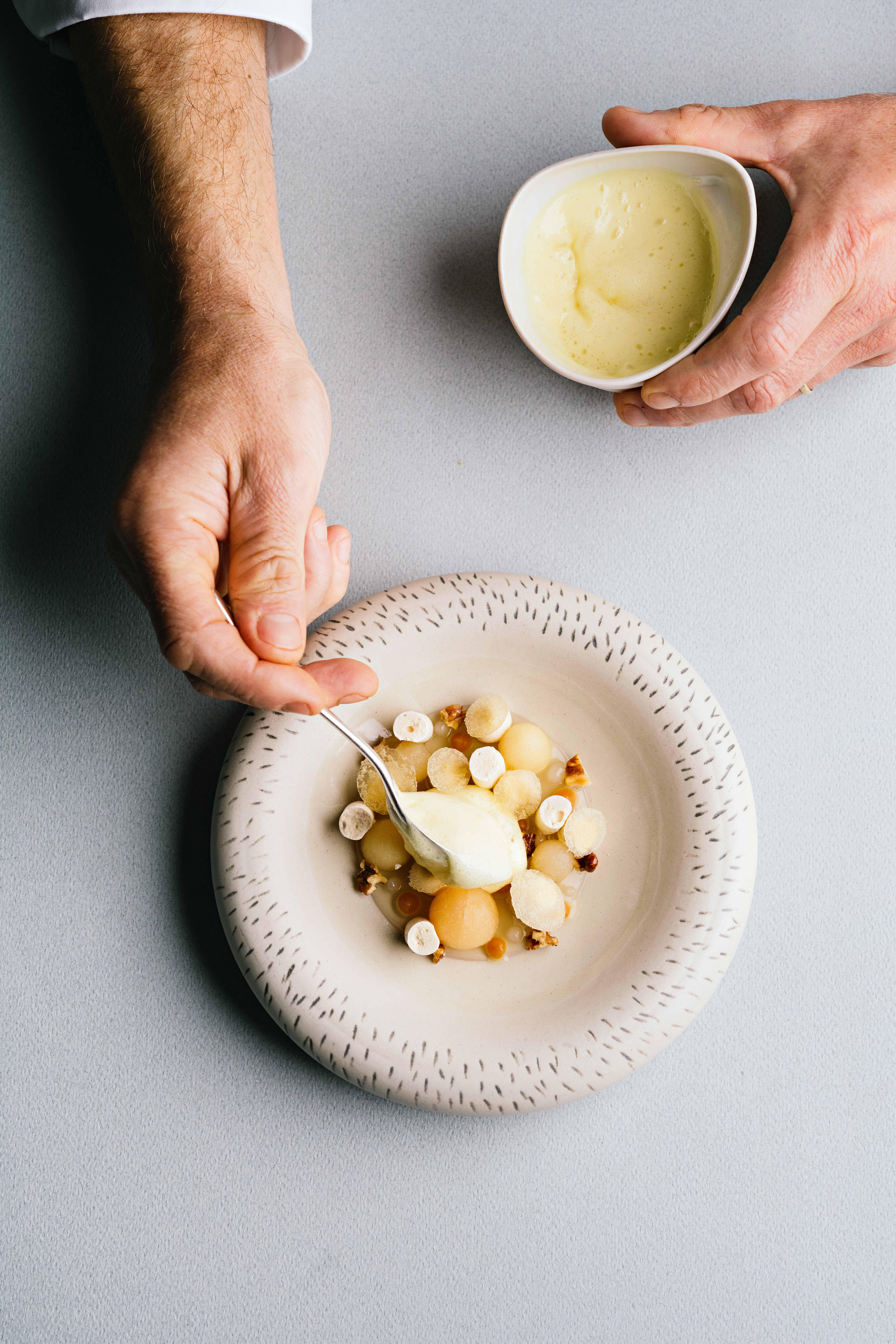
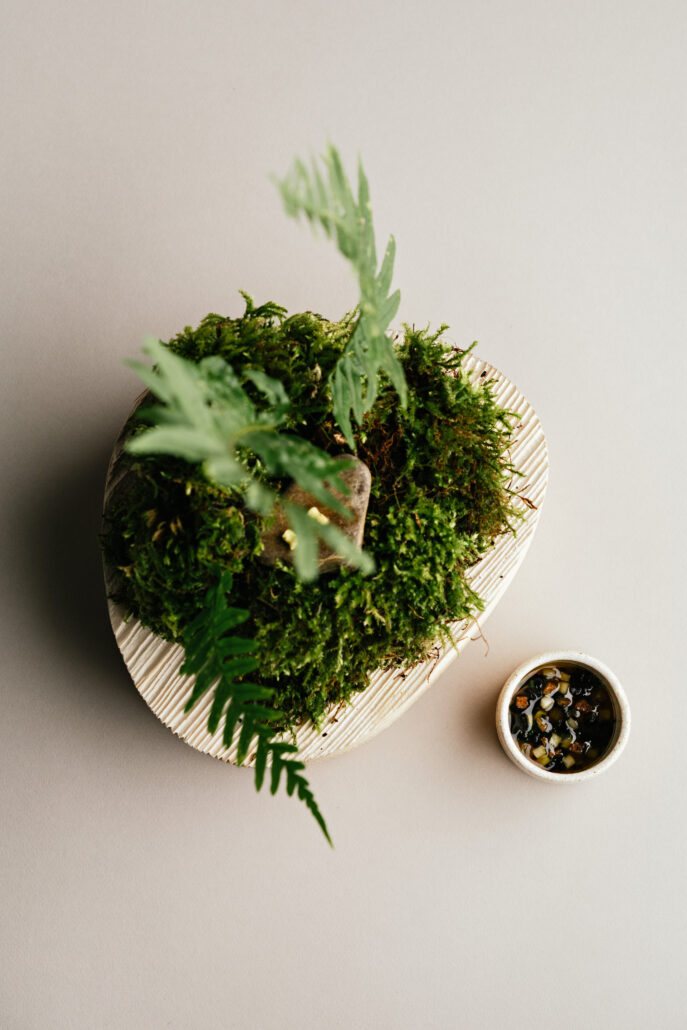
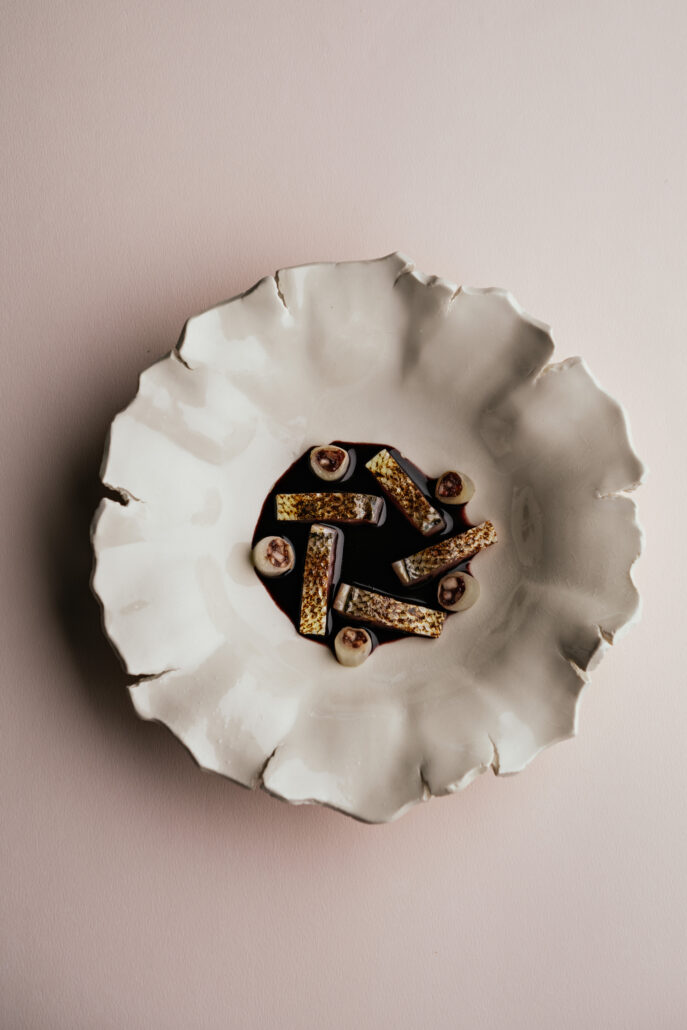
Sulpice also creates dishes whose very DNA seems to embody an unresolved perfection, forever flirting with the Faustian temptation of becoming timeless masterpieces. One, above all, deserves to enter the pantheon of unforgettable dishes: green Swiss chard cannelloni filled with truffle and artichoke, scattered with just enough toasted hazelnuts, accompanied by a comforting veil of fine polenta and finished with the sunlit, meadow-scented delicacy of a chamomile infusion.
“As a child, I didn’t like Swiss chard. But if it’s cooked just after being picked from the garden, it develops beautiful hazelnut notes and tastes wonderful. Leave it in the fridge for two or three days, though, and it loses all its freshness. It starts to taste of tired earth. In Savoy, cardoons are much more common. People know very little about Swiss chard. Unlike in Italy, where the leaves are prized, here they’re often discarded and only the stalks are cooked. I wanted to give those green leaves the recognition they deserve. It’s all about playing with energy and texture: a sweetness that suddenly appears, a bitter note that makes you raise an eyebrow, a touch of féra cream to soften it, then another bite of endive that sharpens the tension once again. It’s a dialogue balanced on a fine line between energy and sweetness, sweetness and energy – a continuous exchange that should always keep the palate alert.”
If he won’t say it himself, allow us to: this is a masterpiece. Sulpice, with his trademark understated modesty, comes as close as he’ll ever get to admitting it:
It’s not lobster or caviar that makes a great dish. It’s the chef’s ability to transform the humble into something extraordinary.
Quite a Promethean ambition for someone who wears it so lightly. Whether you see it as justified or not is for you to decide. Yet, behind his effortless discretion, the forty-eight-year-old chef with the steel-blue gaze lets his determination show once again:
“In the kitchen, you always have to create. You must constantly find new ways to question yourself. That’s the only way to move forward. It’s just like climbing a mountain: if you really want to reach the summit, you have to keep looking up.”
From Talloires, on this stretch of Lake Annecy, the mountains dominate both the landscape and the horizon. They seem distant, yet they already feel remarkably close. As for the next summit – call it a peak, a destination or simply the next goal – at the Auberge du Père Bise, there seems very little left to climb.