Alsace is a land that has learned to live with change.
Long contested, it has alternated between German and French rule, and today belongs to the latter. But administrative borders only tell part of the story. This region’s identity has been shaped above all by the people born and raised here, by those who have lived and worked these lands generation after generation, forging a spirit that is first and foremost human rather than bureaucratic. Even today, Alsace retains this dual cultural and linguistic soul: a delicate balance between rigor and sensitivity, order and intuition. A blend that holds together two deeply different countries and cultures, while managing to draw out the best of both. At least, when it comes to wine.
Vines have always been a constant presence in Alsace. Cultivated even before Roman times and later tended by medieval monasteries, they have endured wars, shifted borders, and gone through reconstruction without ever disappearing. Set between the majestic Rhine and the protective Vosges mountains, the wine region stretches for about 170 kilometers and benefits from a wide range of microclimates. Its subsoil tells a story of remarkable complexity: limestone, marl, sandstone, granite, and even volcanic soils from the Vosges alternate, offering an extraordinary diversity of terroirs. Historically, the grape varieties grown in Alsace have been predominantly white – Riesling, Gewürztraminer, Pinot Gris, Pinot Blanc, Muscat, and Sylvaner – while Pinot Noir is the region’s principal red variety. It is within this balance of natural protection, soil diversity, and climatic precision that Alsace has found the ideal conditions to express wines with a strong sense of place, able to speak clearly and without mediation. And, not by chance, this is also one of Europe’s most compelling natural wine scenes – since well before the word “natural” entered common use.
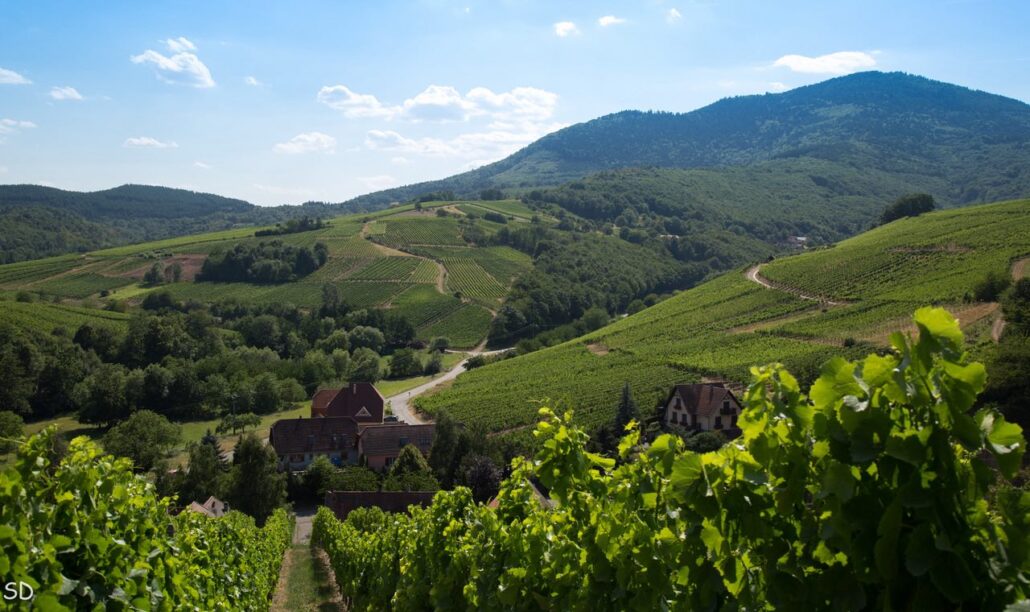
Photo by Benoit Cortet
Four pioneers shape the natural wine movement in Alsace: Bruno Schueller, Patrick Meyer, Jean-Pierre Frick, and Christian Binner.
Toward the end of the 1990s, long before it was fashionable, they chose to change course, listening to their land and farming with intention.
In a region which was increasingly oriented toward standardisation and large-scale production, they broke the mold, overturning rules at a time when doing so was neither easy nor popular, consciously choosing a slower, more uncertain path.
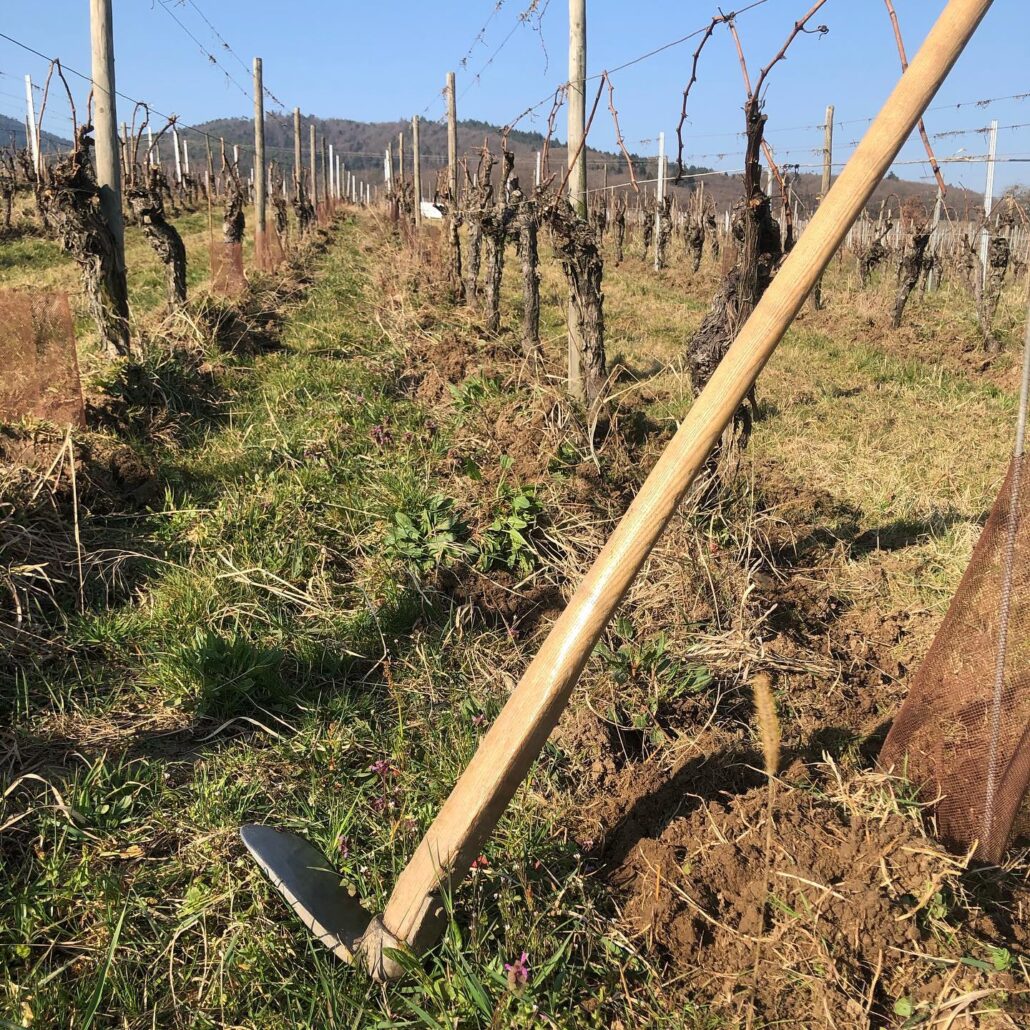
“Along my vines, wild plants were growing, and I just let nature do its thing. Today many do the same, but back then they called me crazy,” Meyer recalls. From insights like these, a new vision of Alsatian viticulture emerged: agricultural before technical, radical without slogans, restoring the central role of both the wine grower and the land. A deep furrow, destined to be crossed – and reshaped – by the generations that followed.
Today, along that furrow, a New Wave of Alsace is emerging.
These producers have absorbed the lessons of their mentors – respect for the place, the primacy of farming, and trust in time – and translated them into a personal, free language.
Within this landscape is Anaïs Fanti, a young and independent voice, and one of the most intriguing female figures in a scene still predominantly male – much like the wine world at large.
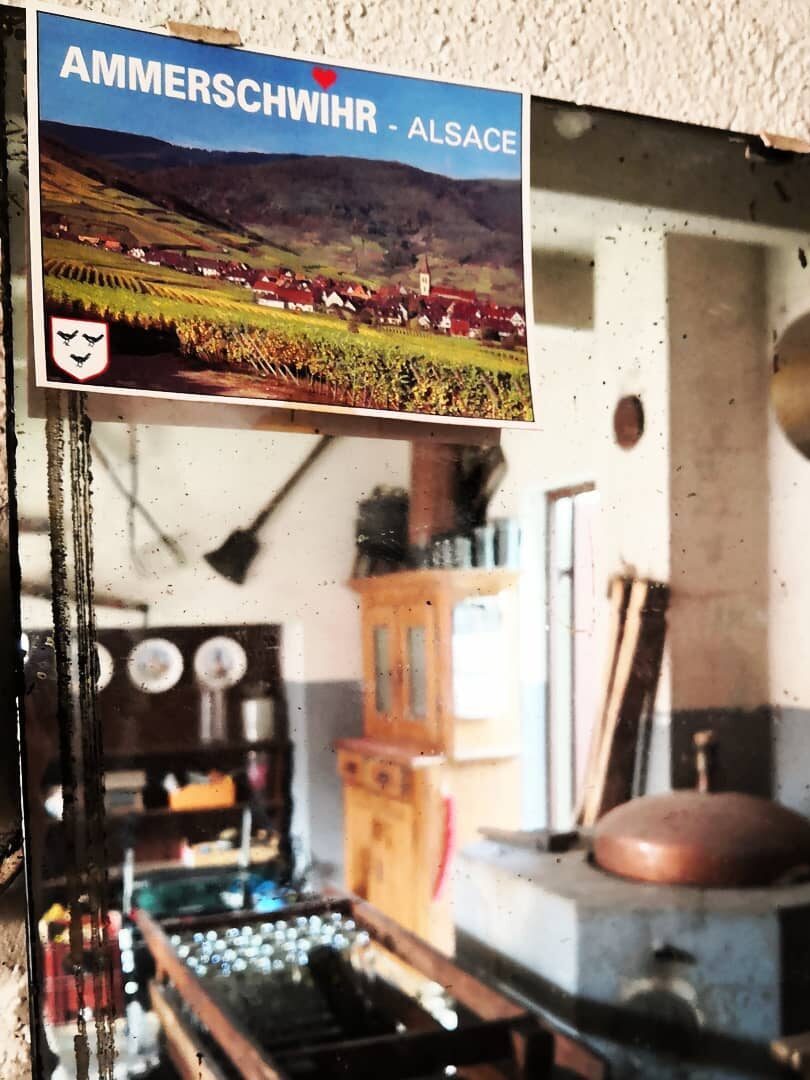
Anaïs comes from a family that has farmed vineyards for generations. Since 2020, she has been working about 1.6 hectares divided into small plots around Ammerschwihr. It’s a small production born from an act of return: the vineyards belonged to her grandmother and for years had not been vinified directly, with the grapes sold instead. Anaïs chose to take them back, handling both farming and winemaking herself. A return that is also an act of autonomy, capable of rebuilding a family bond and giving voice again to parcels that had been silent for too long.
Before becoming a winemaker, Anaïs was a nurse. After her studies in oenology, she spent time in Georgia – an experience that played an important role in shaping her view of wine and farming. For an entire year she juggled a double life – nurse by night, winemaker by day, Batman-style – before deciding to devote herself fully to the land. Organization, precision, and attention to cleanliness in the cellar are part of her approach, a direct inheritance from her previous life. But it’s during harvest, she says, that this background emerges most clearly: work becomes deeply human, the vineyard turns into a shared space, a cooperative environment, true teamwork.
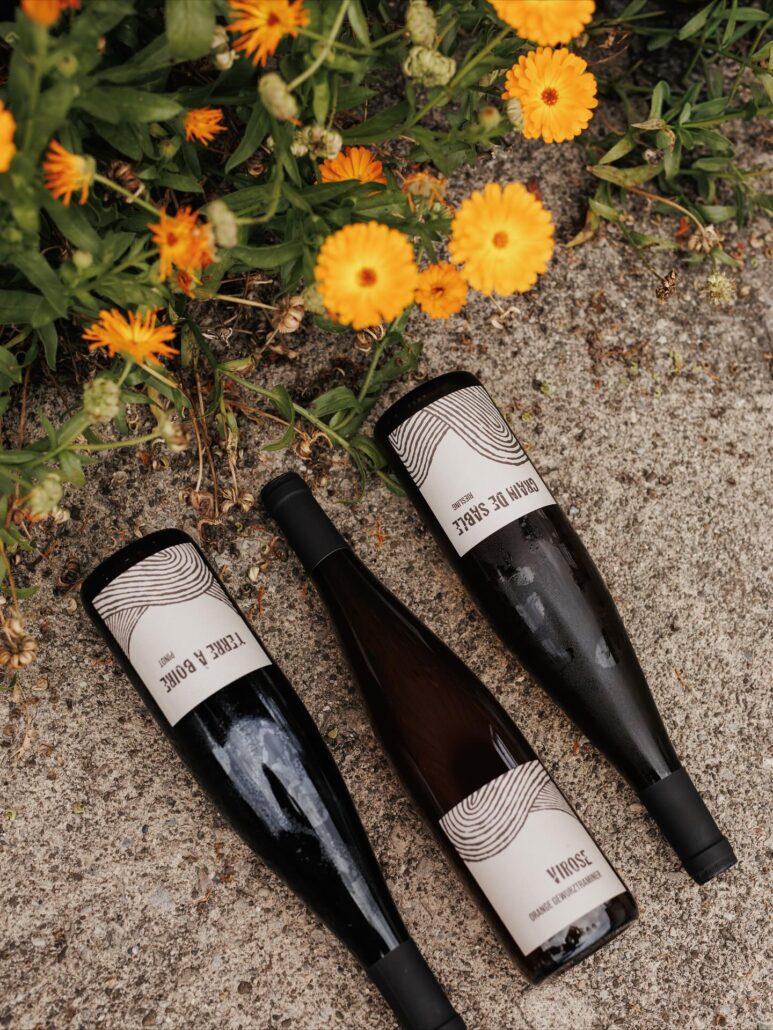
Her approach is minimal, never at the expense of the wine’s expressiveness, on the contrary, it amplifies terroir, allowing soil, exposure, and vintage to emerge without filters. In Anaïs’s wines – luminous, subtle, never forced – you find a measured, attentive sensitivity. The same attitude is reflected in her labels: essential and open, built around light colours and airy fields, meant not to explain the wine but to accompany it. Images that remain deliberately suspended, bright, and free.
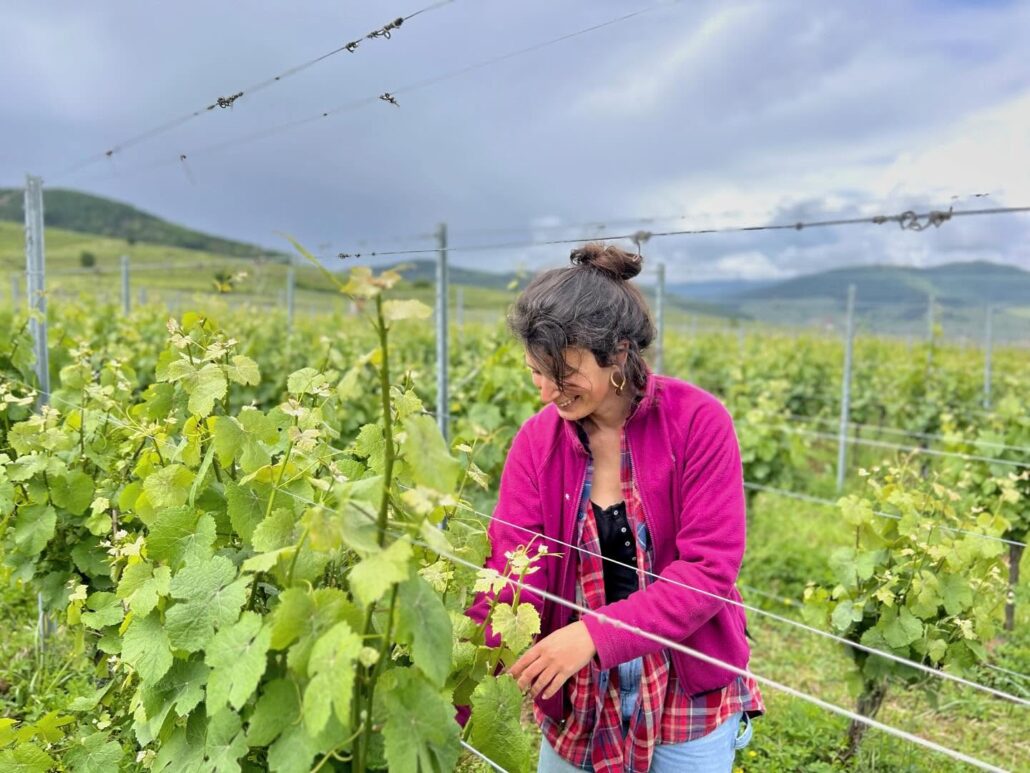
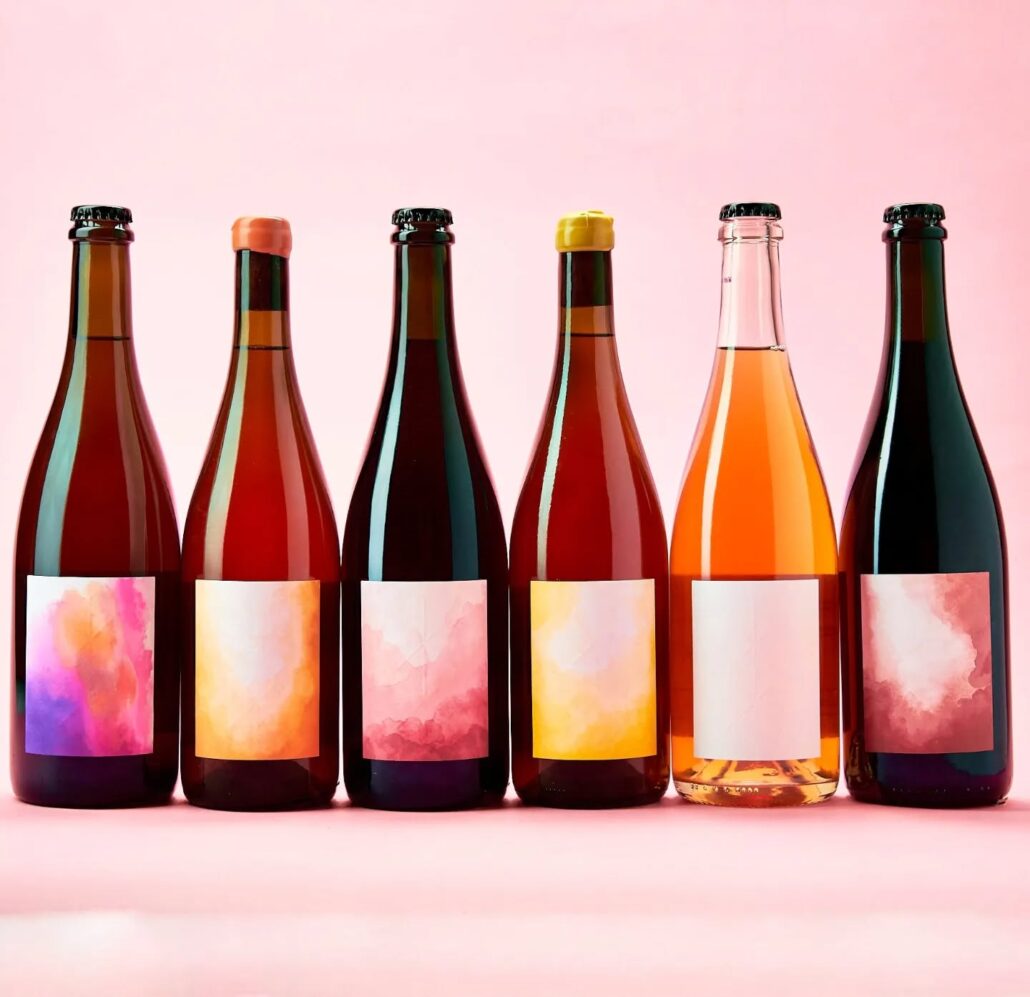
Just like Anaïs, for Pierre Weber, wine was not a starting point, but a return: a second chapter that took shape over time, born from the desire to change life and work.
Before wine, Pierre worked in Paris on the city’s sustainaiblity and climate strategies. A world of policies, projects, and good intentions that gradually began to feel constricting. “There was a lot of talk about change – he says – but the means were always missing, funding, real possibilities to actually do something”.
His decision to return to the land grew out of this gap between theory and practice. Not as a rejection of sustainability, but as an attempt to bring it back to a direct, concrete, human scale. Pierre calls himself a modern farmer: someone who works the land consciously, taking on daily responsibilities rather than delegating them to a system too large to truly move. It’s also a countercurrent choice: “Today nobody wants the family vineyards anymore – he explains – too much pressure and the plots are often too big”. His father made wine before him, though not with the natural approach, and for years there were strained relationships with some of the Alsatian pioneers. Today, that has shifted: dialogue is open, rooted in curiosity and mutual respect, a sign of generational convergence. Behind this idea of a modern farmer lies a very concrete goal as well: building a sustainable life, not just a “sustainable wine”, once an almost abstract notion in agriculture. Working Monday to Friday, having free time, space to raise a family. Farming not as heroic sacrifice, but as a viable choice.
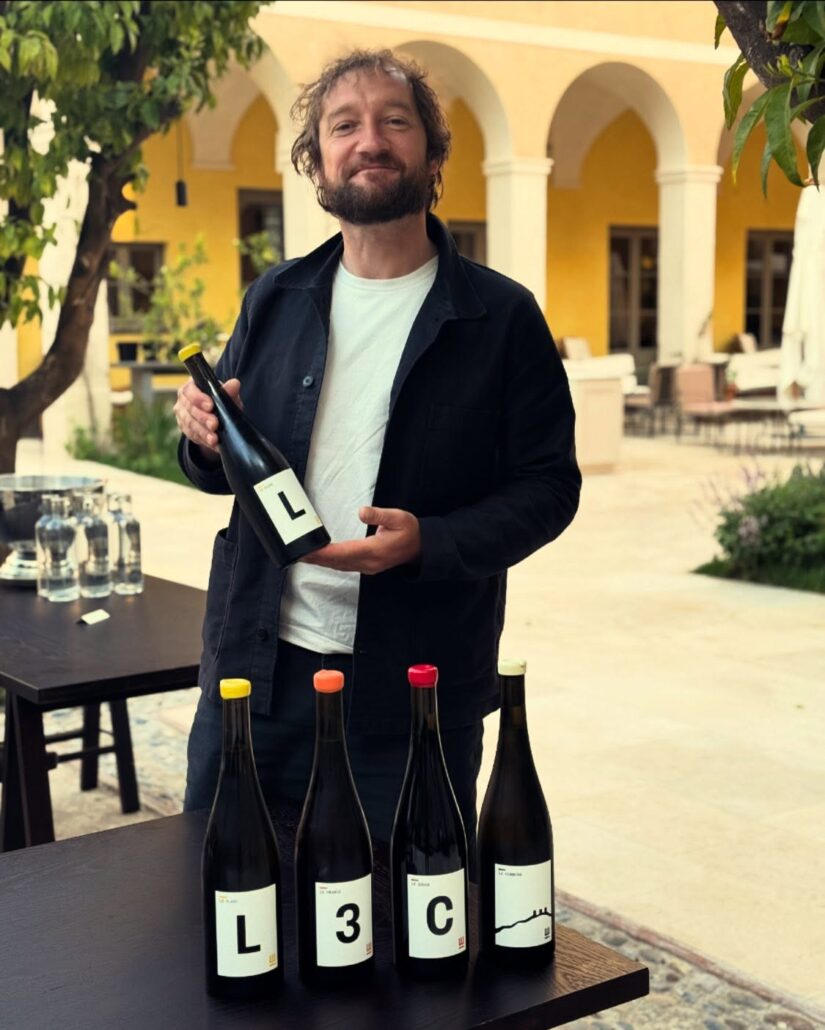
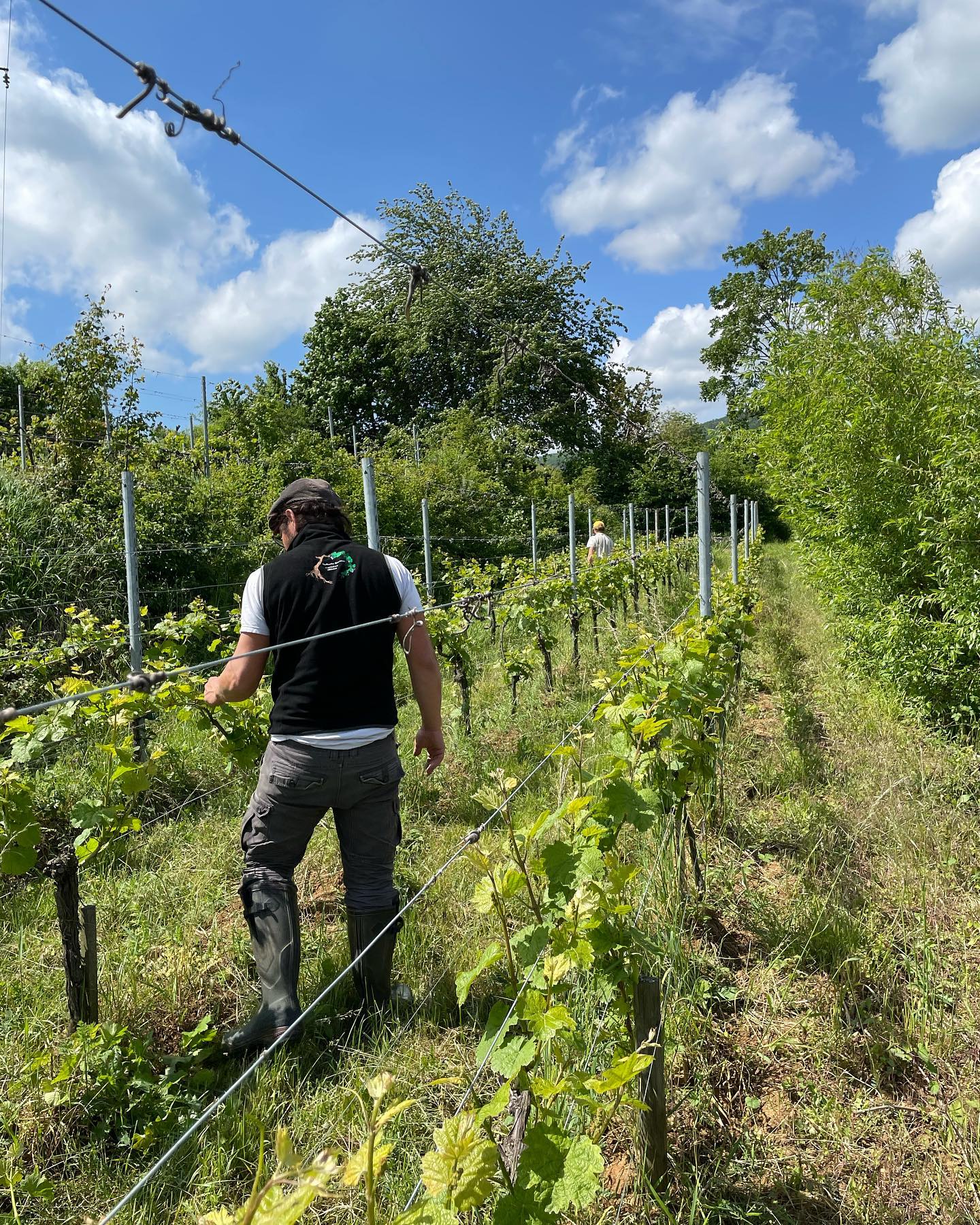
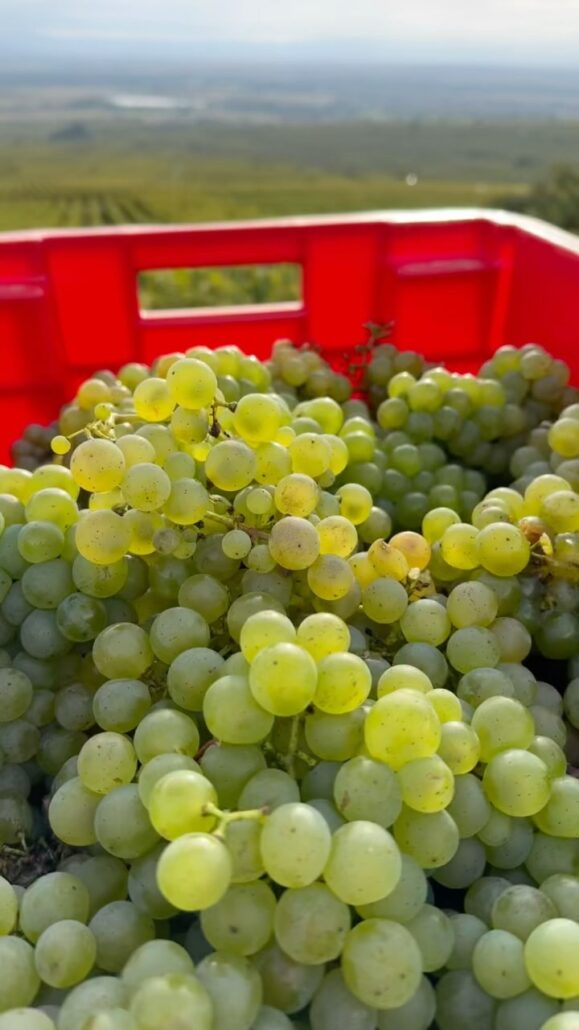
Today Pierre runs a roughly four-hectare domaine near Husseren-les-Châteaux (not far from Schueller), one of the highest areas along the Alsace Wine Route. The vineyards climb steep slopes and rest on a mosaic of soils ranging from clay to limestone to marl. In his wines – delicate, vibrant, full of character – you sense a direct relationship with the land. Rather than listing titles or hierarchies on the label, Pierre prefers to let the wine speak for itself.
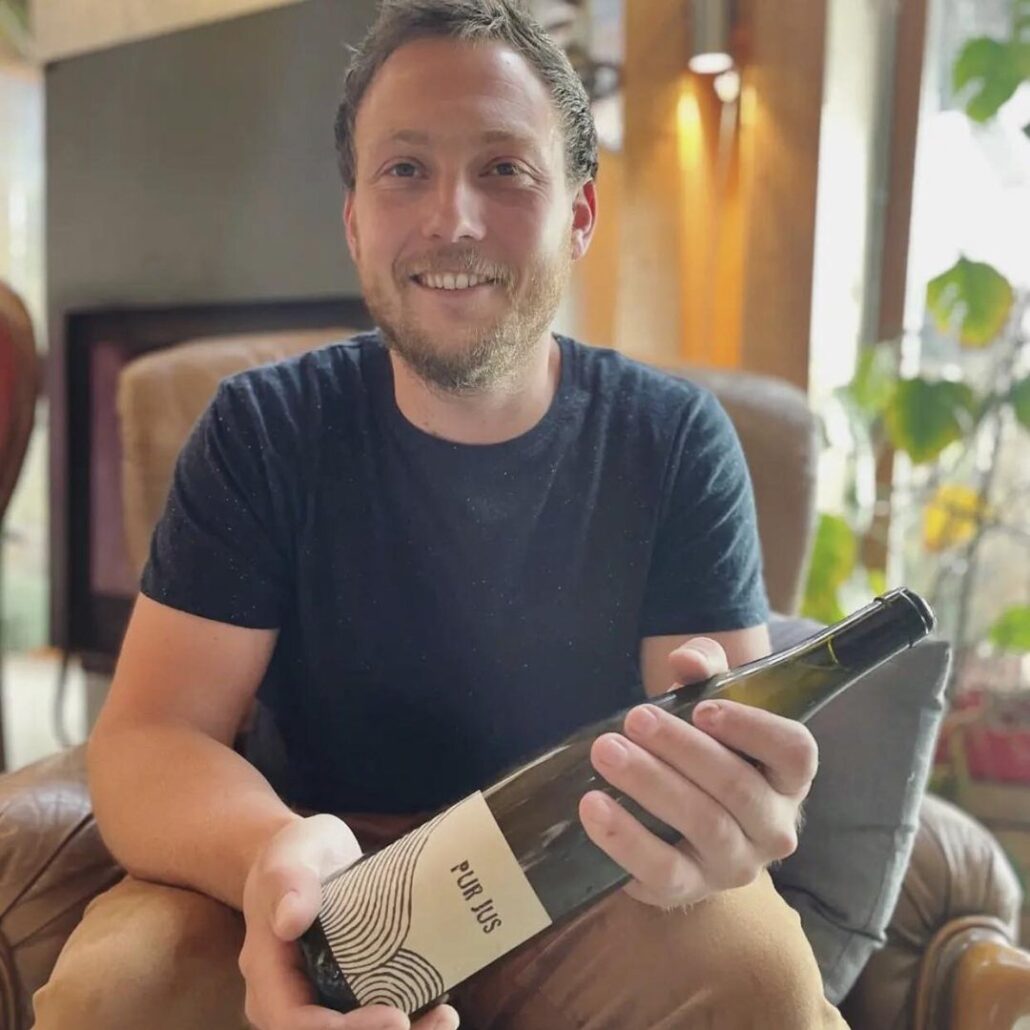
Further north, about fifty kilometers from Weber’s parcels, the landscape shifts once again. In Dambach-la-Ville, one of the northernmost villages, Léo Dirringer is at work. His domaine is rooted in a four-generation family history, but Léo doesn’t simply preserve it. After studying oenology in Montpellier and gaining experience abroad, he returned to Alsace to reinterpret that legacy through a contemporary lens, beginning the organic and biodynamic conversion of 14 hectares of vineyards, largely on granitic soils – very sandy on the hillsides, silty on the plains. His wines are built on equilibrium. Riesling, Gewürztraminer, and Pinot Noir become tools for a language built on balance and listening. Wines like Métisse or Pur Jus ask for time, open slowly, and linger.
In Alsace, change has never been a clean break, but a gradual, converging process. Today, within that space, this New Wave is moving forward with plenty to say: young winegrowers working with effort and determination, but also with clarity and a strong sense of the future.
In that suspended light, among morning mists so familiar to the vines, Alsace expresses the strength of its dual belonging: a region where cultures meet and blend, giving rise to a unique, fresh character in constant motion. A perfect balance that finds its momentum in the ability to always adapt and evolve.