


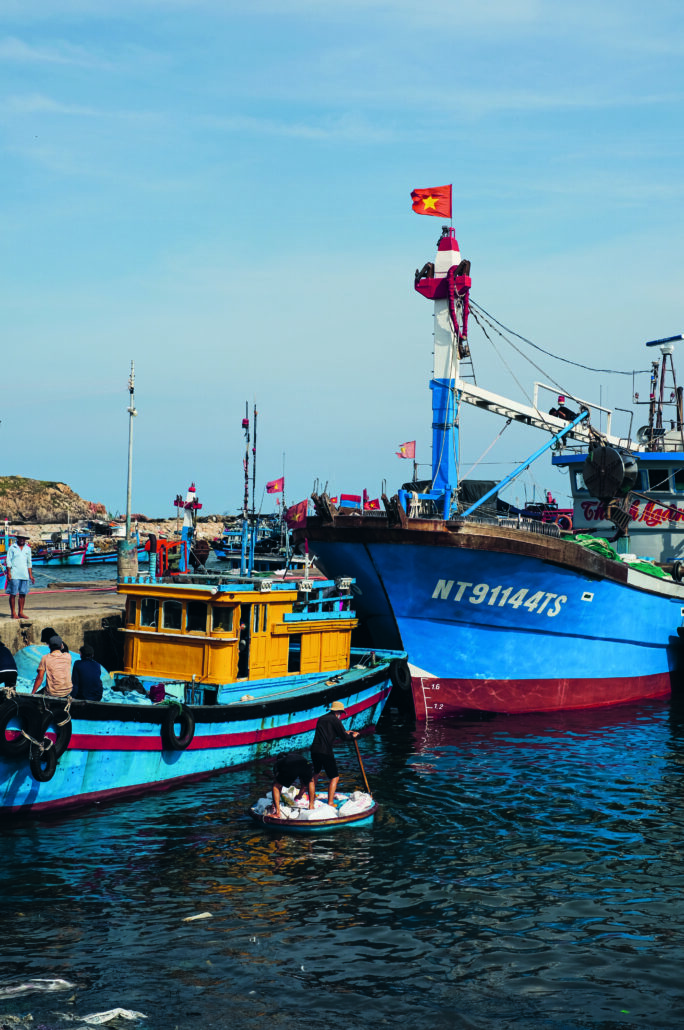
Like a conger eel wiggling around the South China Sea, the elongated territory of Vietnam is bordered by more than 3,000 kilometres of coastline. Naturally, its cuisine gravitates towards all kinds of seafood. Above all, Vietnamese have a particular liking for ốc, which literally means snails. The locals had historically consumed land snails, a cheap source of protein found in much of the country’s tropical terrains. As time went on, ốc took on new meaning in culinary terms, now referring to all kinds of freshwater- and seawater-dwelling snails, shellfish and crustaceans. These aquatic delicacies are served in the tens of thousands of quán ốc (snail houses) across the country. Brightly lit shop signs and a mishmash of noises make them impossible to miss.
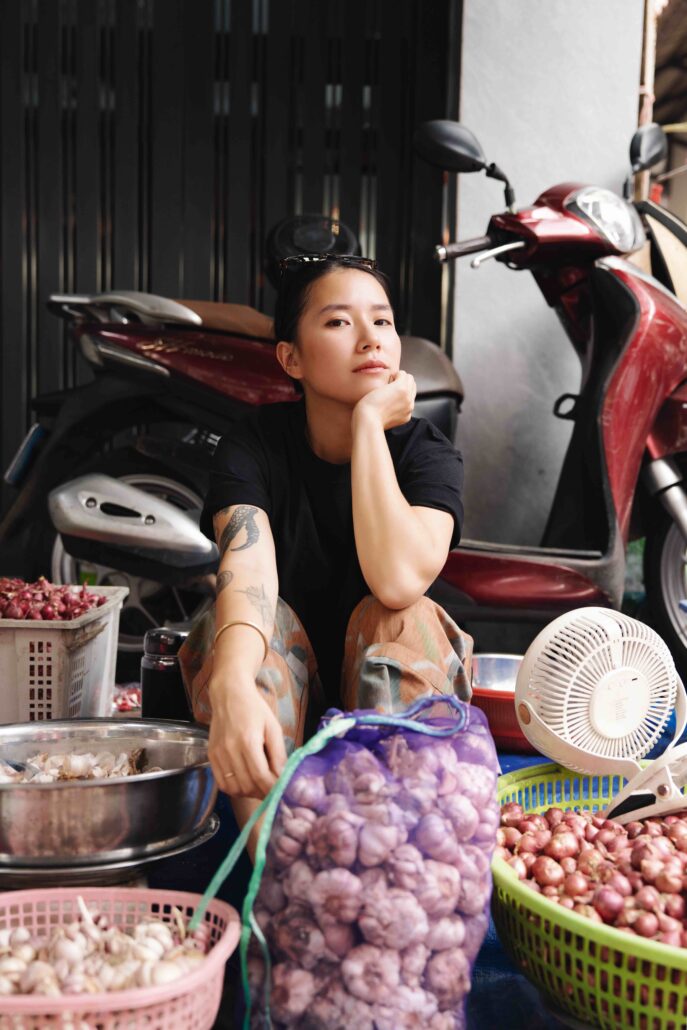
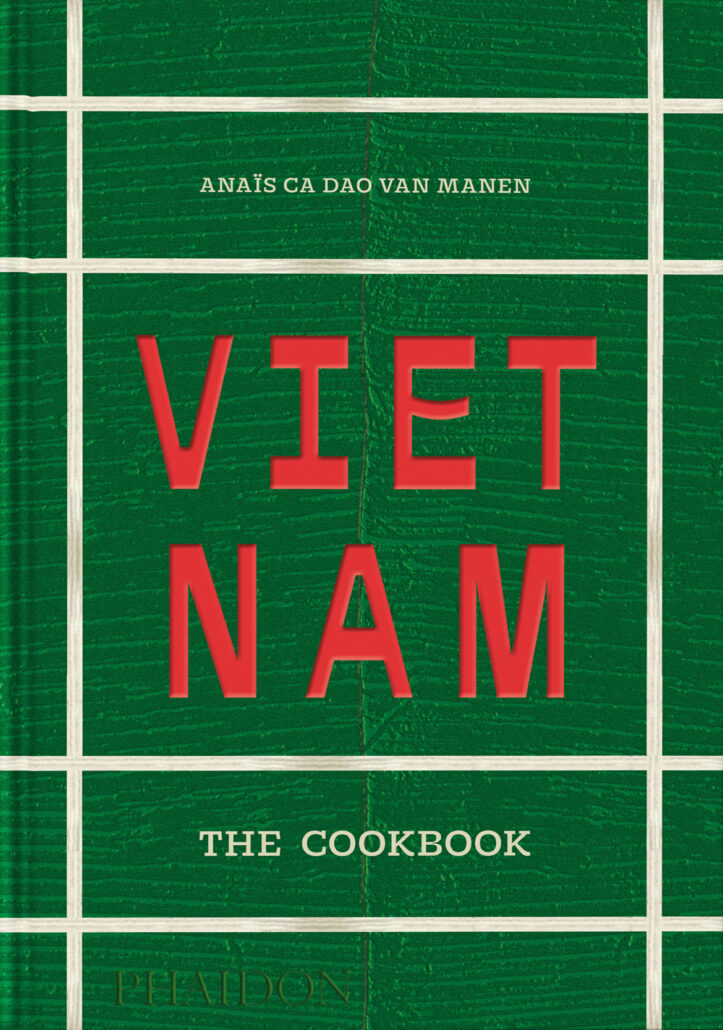
Anaïs Ca Dao van Manen, chef and author of Vietnam: The Cookbook (Phaidon, 2025), explained.
“Quán ốc is a casual street restaurant, with tables set in the open air. We go there to enjoy seafood, drink and socialise. There’s no pressure, you’re just chilling”.
For friends and families who have finished a long day of work, a night out at a quán ốc allows them to be truly themselves. Loud chatters, along with blasting V-pop chart toppers, make up the soundtrack of the space, though diners are also free to bring their own karaoke machines and microphones to show off their musical chops. Many of them also like to pick up nuts and fruits to snack on from the vendors passing by. The stackable plastic stools substitute comfort for mobility, allowing group members to move around the table to catch up with different companions.
The happy place goes hand in hand with happy food.
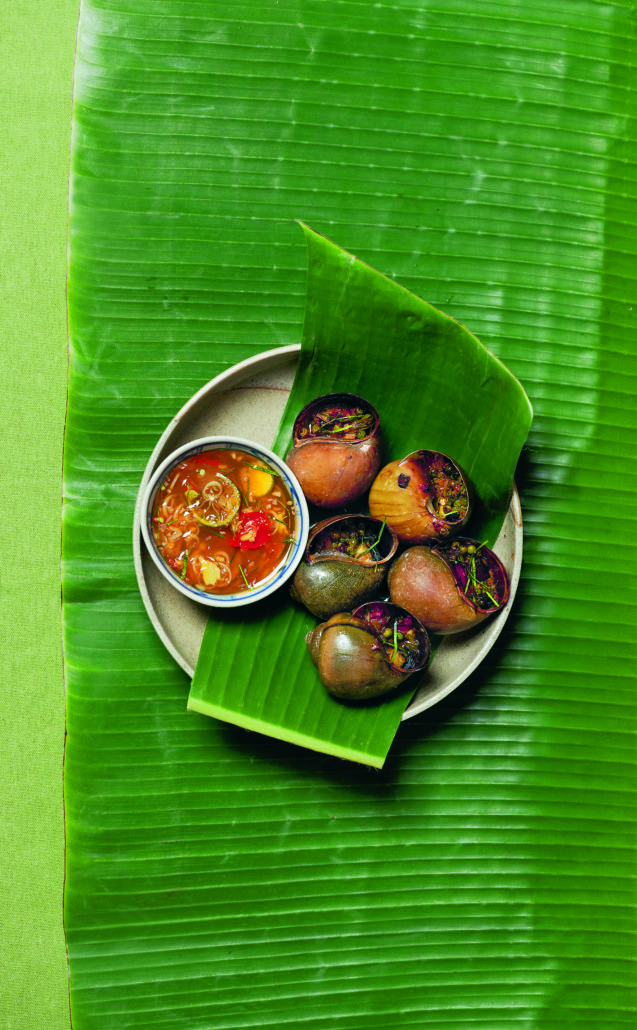
A meal of ốc is often composed of many shared plates. Diners get an idea of what to eat by checking out the catches arranged on ice or kept in fish tanks. Yet that is just part of the equation. With as many species available, there are just as many preparation methods and condiments to cook them. The latter’s importance cannot be overstated. Perennial favourites such as garlic fried snails with butter chilli sauce (ốc hương rang tỏi), fried tamarind crab (cua rang me, sweet, sour and salty all at once) and charcoal grilled scallops with scallion oil and peanut (sò điệp nướng mỡ hành, extra points from Ca Dao van Manen if rendered pork fat is used) are all admired for their deeply savoury sauces.
And because variety is everything to ốc cuisine, chefs are compelled to, quite literally, develop their secret sauce to stand out in this very crowded field.“People often have a ‘neighborhood quán ốc’ that they’re loyal to, but exploring is normal. Many are keen to try new places for their unique flavour combinations and sauces,” the chef said, adding that regionality also determines how dishes are seasoned.“In the north they eat snails with a gingery calamansi dipping sauce. People in the central regions, especially Huế, love the small snail ốc gạo and very spicy tastes. Southern dishes are sweeter and use lots of tamarind.”
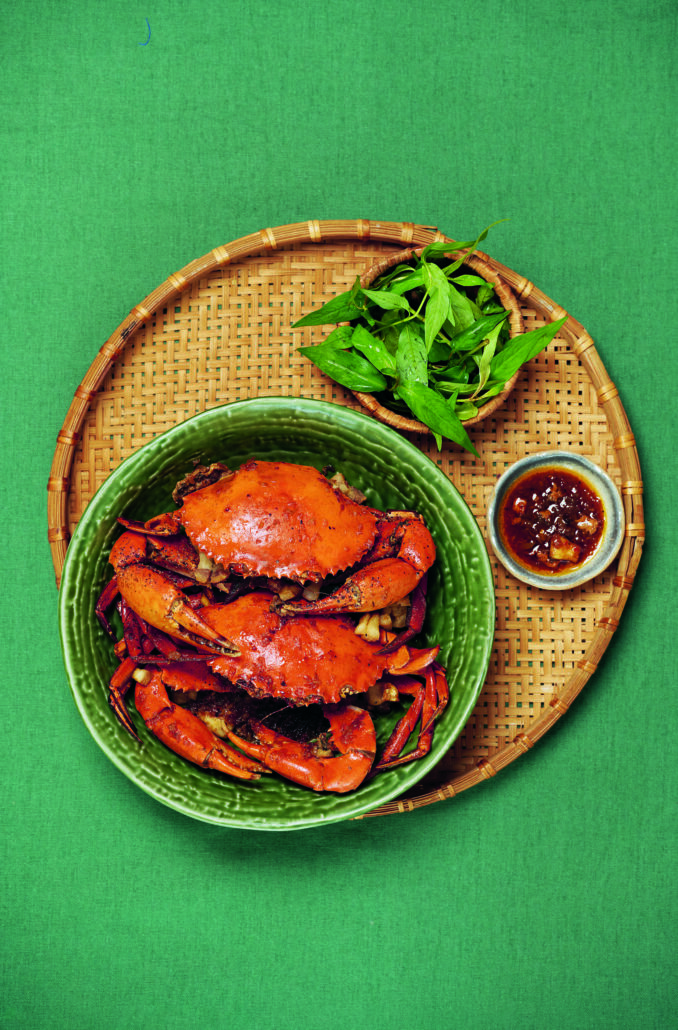
Rounds of Heineken (or in Hanoi, Bia Hơi Hà Nội, the capital city’s homegrown beer brand) later, the sauces from the dishes would likely drip all over the table and people’s hands. To Ca Dao van Manen and experienced quán ốc patrons, being messy is part of the fun. Any precious nectar remaining on the plates should be mopped up with spongy bánh mì. And if someone is still hungry, they can order a hefty portion of stir-fried instant noodles with razor clams. The bottom line: everyone leaves with their bellies and hearts fully filled.
Since so much of the quán ốc experience revolves around a vibrant atmosphere, the chef suggests novices curious about the cuisine to pick a spot with a simple vibe check. While most joints stay open until midnight, 7:30pm to 9pm is the peak hour, and the cream of the crop are likely packed with people. Good servers would have learned the choreography around the boisterous crowd to get you anything you ask for. The seafood on display should have clean shells and be free of fishy smells.
Again, socialising is the name of the game.
When in doubt about the food or dining etiquette, your best friends whom you have never met are just a table away.
“Vietnamese people are really friendly, and they’re always happy to explain the dishes and culture to foreigners. Servers usually show them how to eat in the right way. Nowadays, lots of places put images next to dish names on their menu. Ordering with the help of Google Translate is pretty easy too,” Ca Dao van Manen said. “Just beware that sometimes the descriptions are badly translated!”


