The eternal after-lunch
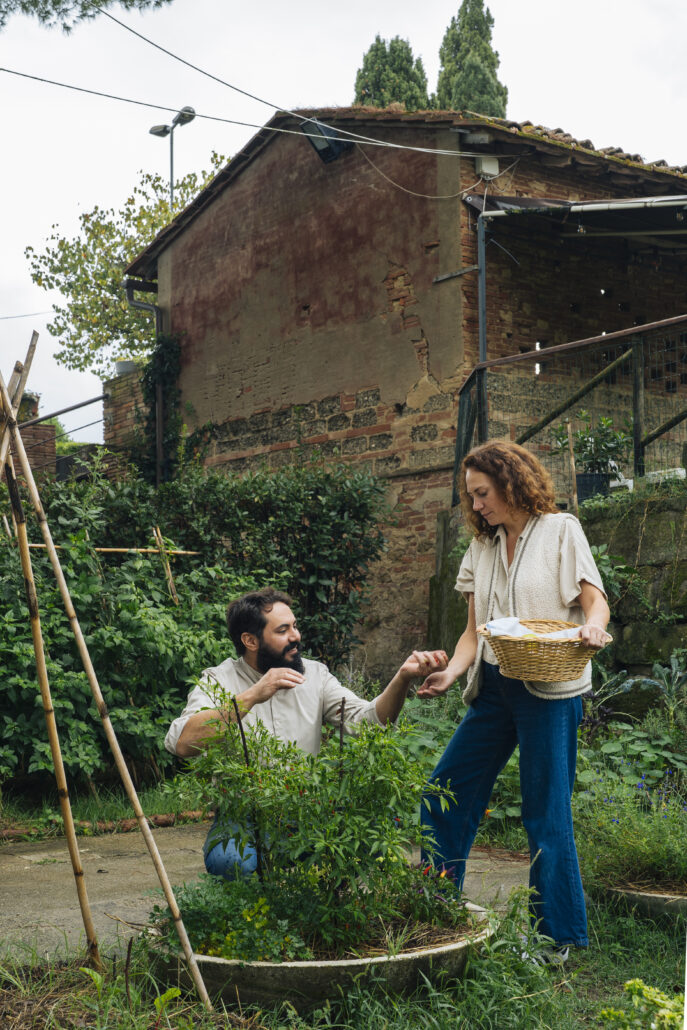
The children, finally free, play in the farmyard as the post-lunch sun begins to tilt the light and shadows. At the table, the adults continue to talk; someone, taking their glass of wine with them, has taken the seat left by the children to discuss things in hushed tones with a fellow diner. The disorder of the meal’s end carries something nostalgic and complete, amid the aroma of coffee and the faint, curling haze of cigarette smoke mingled with the soft comfort of satiety. The shouts, the clinking of glasses, and the metallic clatter of cutlery fade away into the shared ether of the national holiday afternoon. The eternal dimension of the Italian after-lunch is a cultural sentiment that transcends generations, a collective and profound experience permeating every level of Italian cuisine, from the osteria to the grand restaurant. It defines an anthropological trait capable of shaping a community, a nation. Those children in the courtyard are today’s adults, one of them is Francesco Cury, who has returned to Collebrunacchi, among the hills of San Miniato in the province of Pisa, after many years, to propose a deeply rooted model of Italian hospitality and cuisine, grounded in both flavor and social landscape, yet enriched with the traits that compose what we now call the mosaic of the contemporary osteria.
Log in or subscribe.