It’s not news, Bangkok’s dining scene has been bustling for a long time. While its street food remains the city’s beating heart – resilient and chaotic – the past decade has seen a parallel evolution: a fine dining ecosystem shaped by chefs who are redefining what Thai cuisine is and can be. You can still sit on a wobbly plastic stool, eating something unforgettable from a roadside (and at times dodgy) stall, and the next day experience a meticulously constructed tasting menu that speaks to the same culinary heritage. The two worlds coexist, and the hope, of course, is that one does not erase the other.
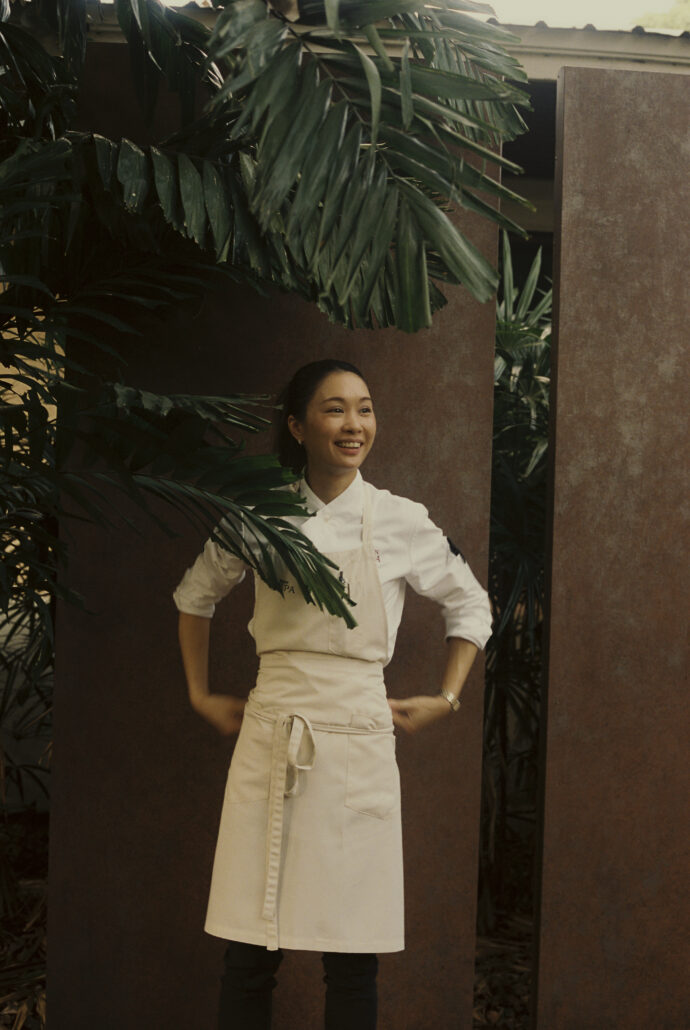
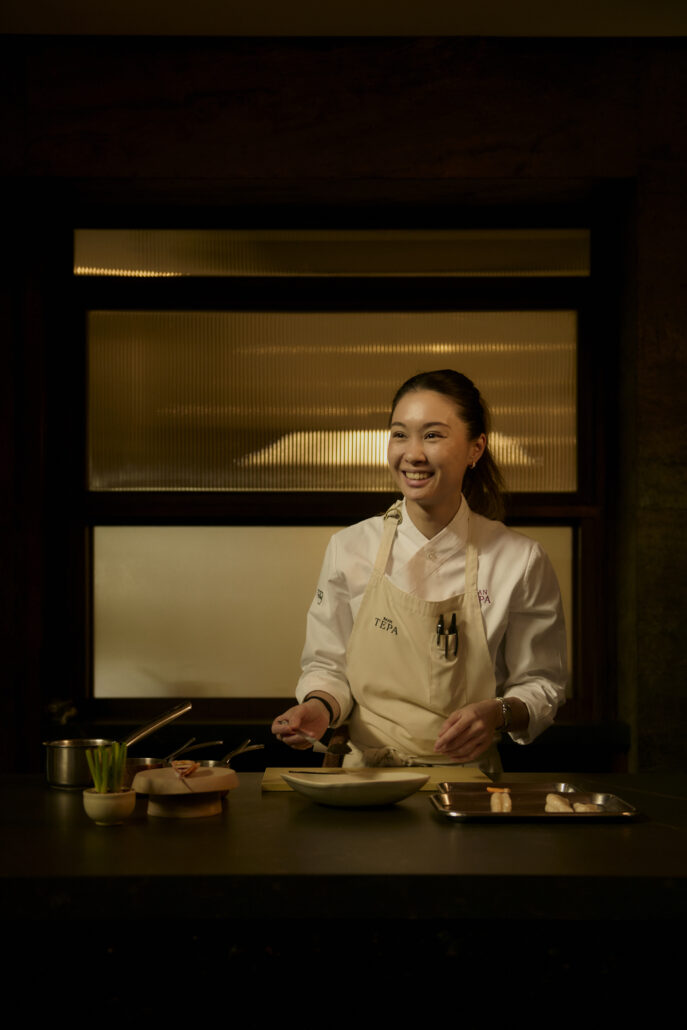
Within the expanding fine dining landscape, one name continues to gain momentum: Tam Chudaree Debhakam of Baan Tepa. She first gained national recognition as the youngest winner of Top Chef Thailand, and went on to become the first Thai female chef to earn two Michelin stars. Named Asia’s Best Female Chef in 2025 and currently ranked No. 53 on Asia’s 50 Best Restaurants list, she recently further cemented her position winning the Sustainable Restaurant Award 2026 of The 50 Best Asia. Her trajectory is unmistakably upward, yet her vision remains grounded in clarity of purpose. Despite the often unclear frameworks behind sustainability awards and green stars, in this case, the recognition feels fully aligned with her work.
After graduating from the International Culinary Center in New York, she joined Blue Hill under Dan Barber, an experience that proved foundational, though demanding and often exhausting. His philosophy, rooted in seasonality and agriculture, left a lasting imprint – one that she has since made her own and which she carries forward at her restaurant Baan Tepa in Bangkok, open since 2020.
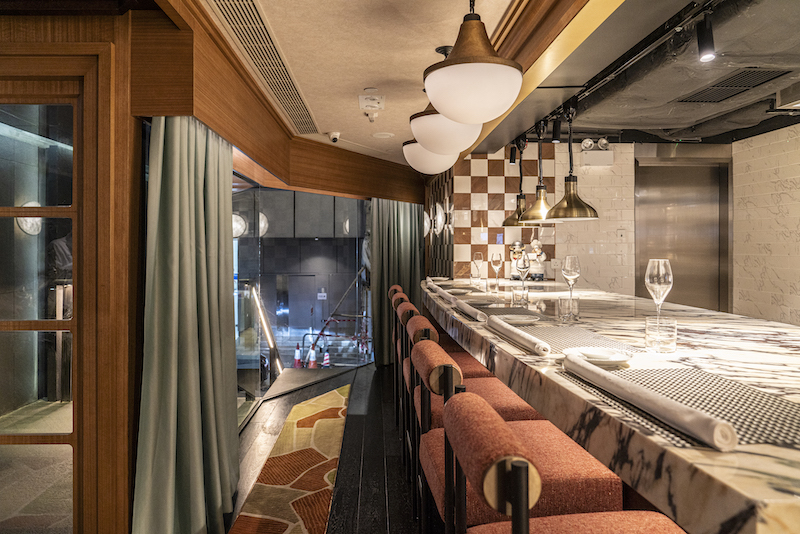
Tucked just beyond the chaos of Ramkhamhaeng Road, Baan Tepa stands in quiet contrast to its surroundings, holding decades of family history within its walls. Once the private residence of her grandparents, it had been passed down through three generations, its aged wooden floors and soft afternoon light preserving a sense of calm that feels far removed from the city outside. The name itself reflects this layered intention: “Baan” means home in Thai, while “Tepa” derives from Debhakam, her family name. Together, the two words anchor the restaurant as both a personal and purposeful space, where hospitality, creativity and memory converge.
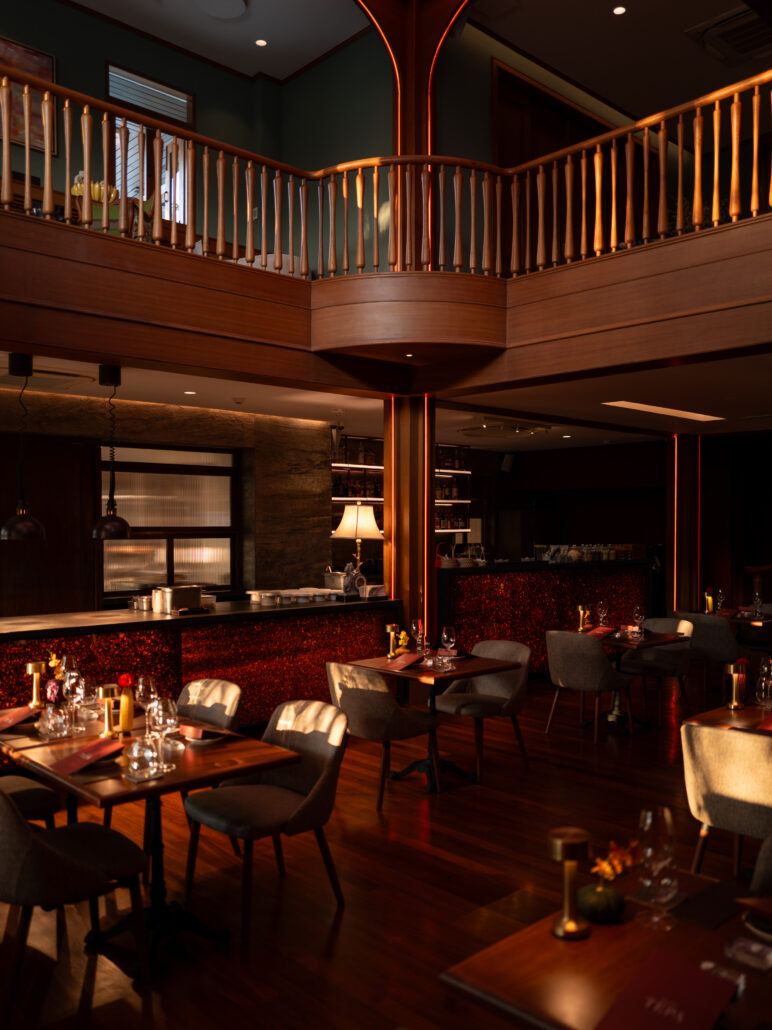
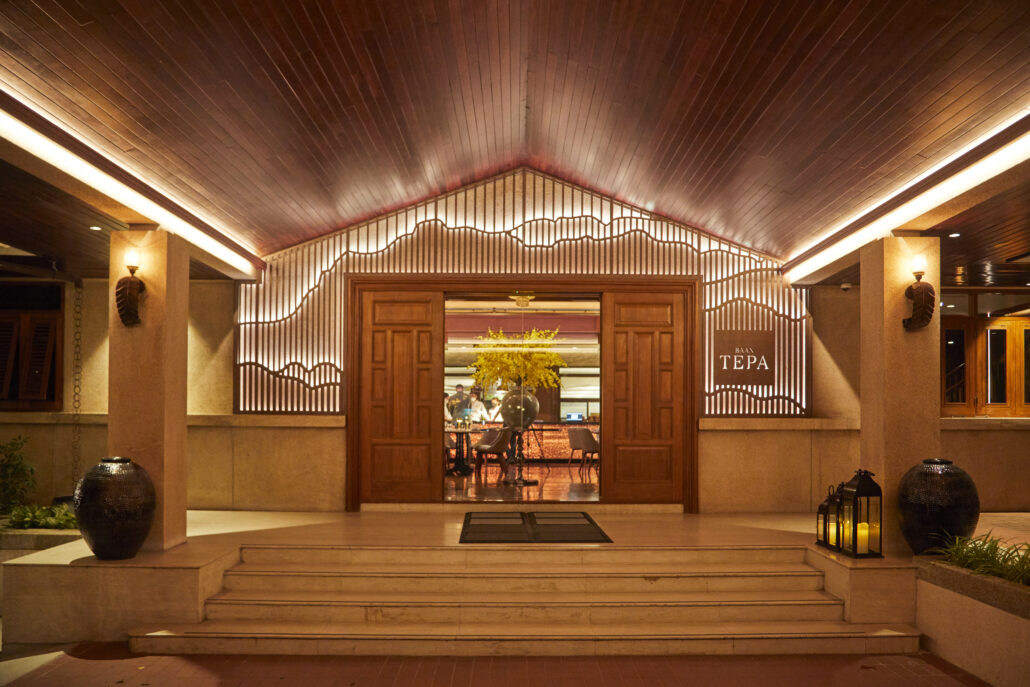
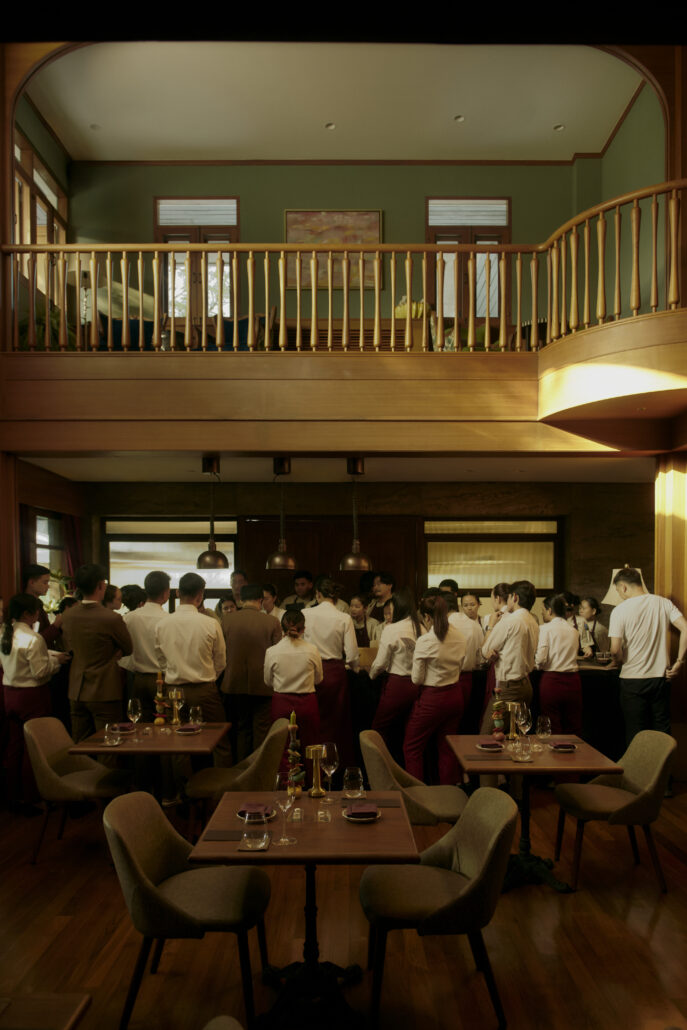
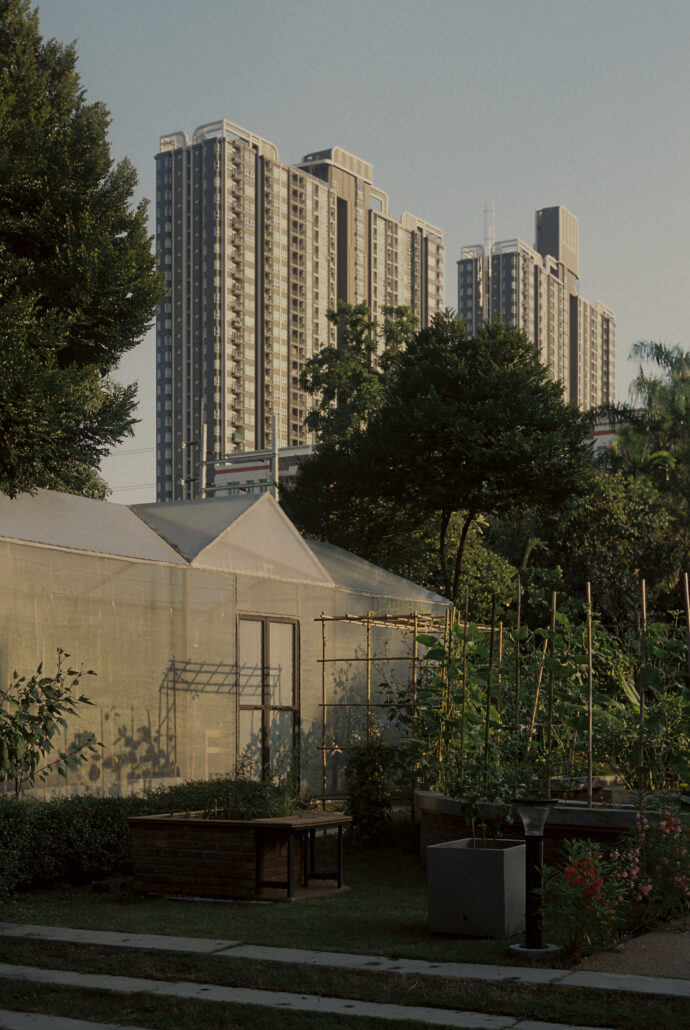
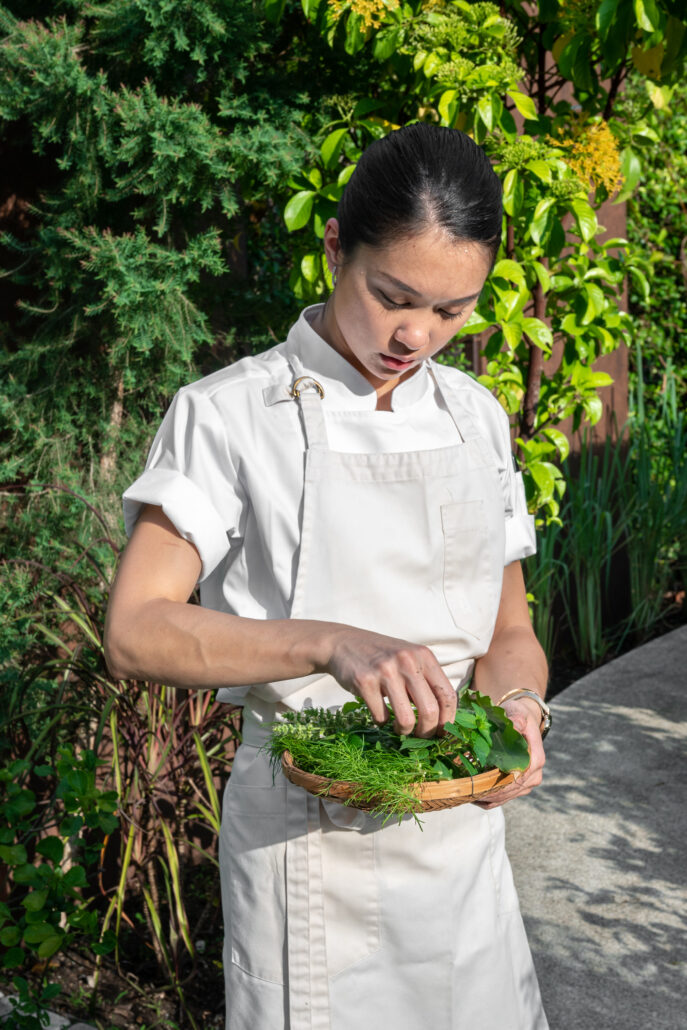
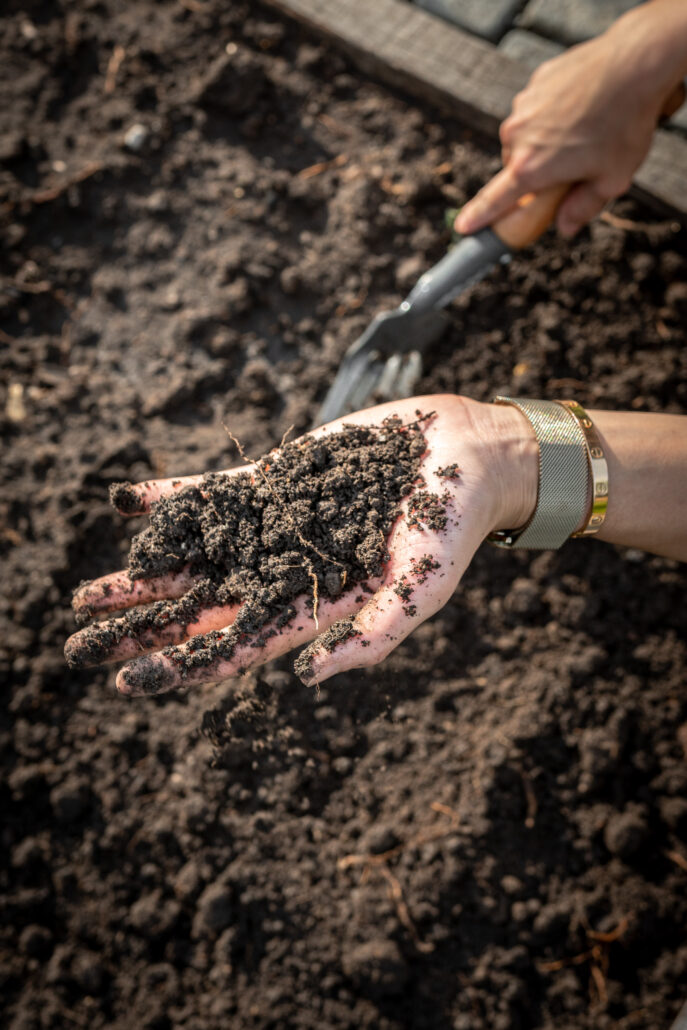
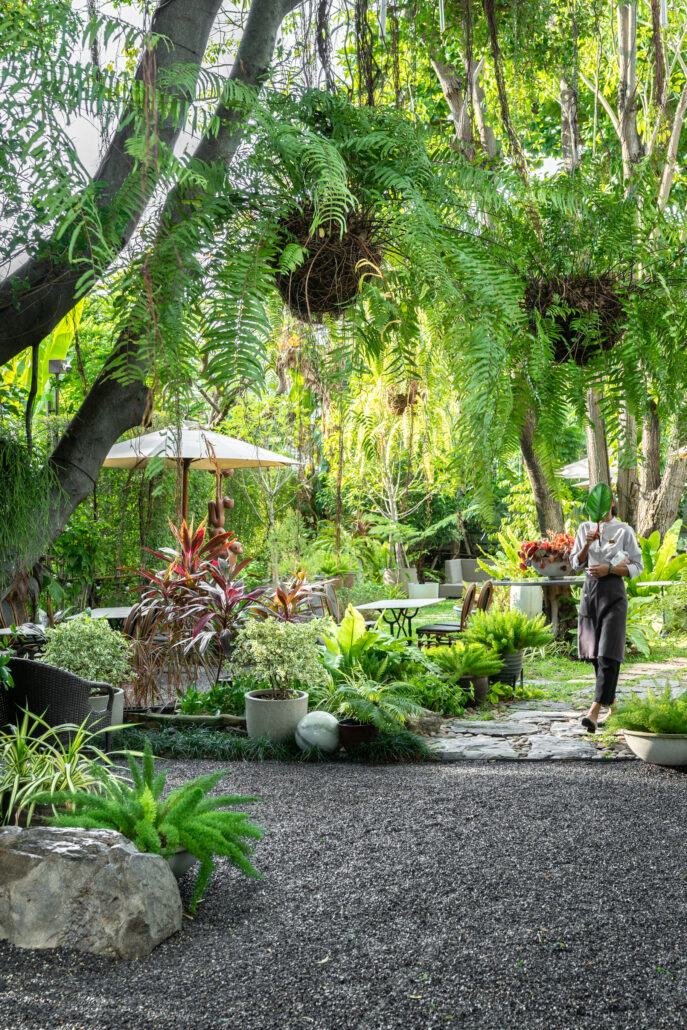
The transformation of the house was gradual. Initially repurposed as a central kitchen for a Pop-Up Project – a research journey that took the team across Thailand to cook with local communities and learn from regional producers – the space quickly evolved and naturally expanded into a full culinary experience. The dining room, garden, and open kitchen emerged as extensions of what was already there. The once-overgrown lawn was transformed into an edible garden, now integral to both the kitchen and the guest experience.
The shift from home to restaurant also marked a shift in intention. Baan Tepa was never meant to be just a place to dine, but a space for learning, connection, and reflection – on what we eat, where it comes from, and the people behind it. Tam, in fact, travels a lot and sources seasonal ingredients from small, independent, and organic producers across Thailand. Eating at Baan Tepa means being exposed to a number of previously unheard-of fruits and vegetables that speak of Thailand’s rich biodiversity, guiding the diner on a journey across the country through its dishes.
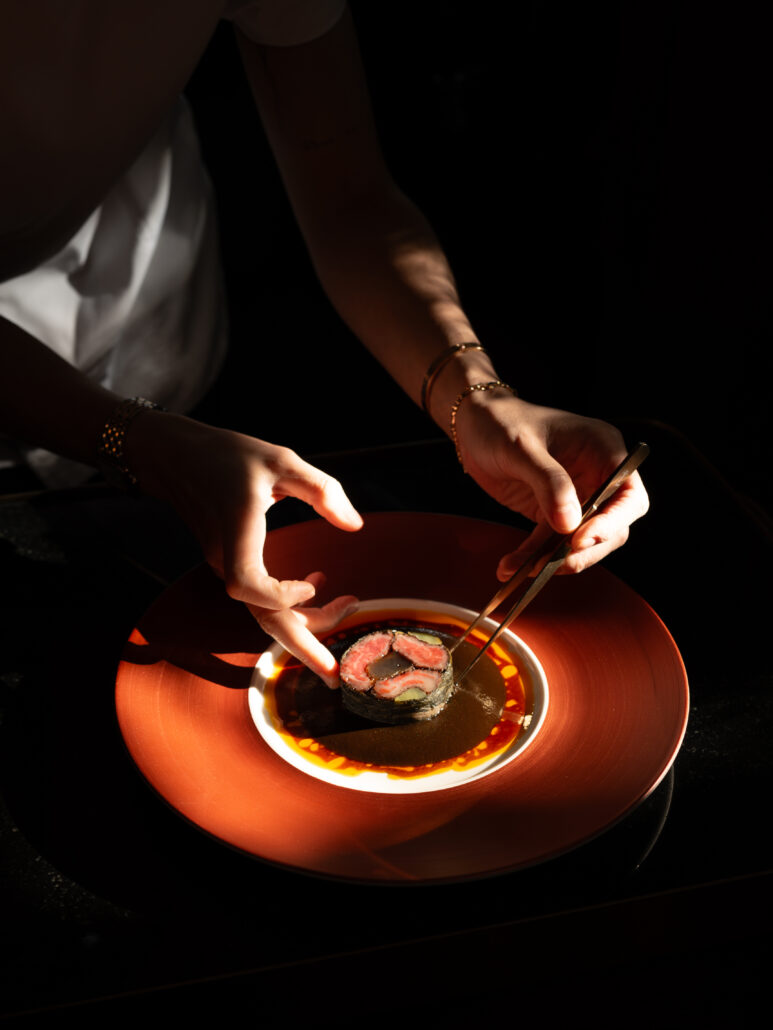
In the kitchen, organic waste is minimized or repurposed, and by-products are reintegrated into the dining experience. Mangosteen peel, for instance, becomes part of a welcome drink, while eggshells are transformed into table décor such as candleholders developed in collaboration with local ceramicists and designers. These pieces embody a broader creative process in which waste materials are reimagined as functional works of art, quietly reinforcing the connection between food, waste, and design. Precise, thoughtful gestures that, when applied consistently, have the potential to create real impact.
It’s clear: at Baan Tepa, sustainability is not a buzzword nor a narrative device, it’s a real, day-to-day practice, woven into the philosophy of the kitchen and the very fabric of the place itself.
Equally important, having experienced Tam’s restaurant and observed her work over the past year, is the way she pushes the conversation further, placing the same emphasis on human sustainability. At Baan Tepa, even staff uniforms are carefully considered to support each individual. Designed specifically for the team, they take the form of beautifully crafted, gender-neutral garments – a hybrid between pant and skirt – that move beyond binary definitions, creating a space where identity is not prescribed and where everyone can feel comfortable. It is a subtle but deliberate gesture, reflecting a broader commitment to inclusivity and psychological safety, areas still too often overlooked in hospitality.
Having come up through the same male-dominated kitchens that define much of the industry, she spoke, in an interview at Ein Prosit 2025, alongside fellow female chefs, about initially adopting familiar leadership codes – rigid, direct, at times uncompromising – in order to be taken seriously and prove her worth. With time and experience, however, that approach began to shift. She gradually carved out the space to develop her own model of leadership, one that moves away from inherited structures toward a more collaborative way of working, grounded in listening, trust, and a willingness to lead without conforming to the expectations traditionally imposed by the industry.
Awards and recognition have undoubtedly amplified her visibility, and rightly so, but what sets Tam apart is the way she is redefining the role of the chef, not only as a creator of dishes, but as a builder of systems. As a young female chef in her early thirties, she is already contributing to a shift in how restaurants can operate, balancing gastronomic ambition with environmental responsibility and a more progressive, human-centred workplace culture.
If this is the foundation, the trajectory ahead suggests something far more significant: not just a successful restaurant, but a different way of thinking about the industry altogether. One where food, people, and place are held in delicate balance, and where progress is defined not by speed, but by how thoughtfully we choose to grow.