Wine should be one of the most immediate ways of telling the story of a place. We say it all the time: a territory in the glass, the character of the soil, the expression of a landscape. And yet the world of wine has its own aristocracy. Some regions have been sitting at the top table for so long that no one thinks to ask who gave them their seat, while others are still waiting on their feet, with plenty to say. For the former, a name alone is enough to conjure up a landscape, a style, even the price we are willing to pay. The latter, on the other hand, have to start with introductions: explaining where they are, what they grow and why their wines are worth tasting. Prestige arrives before the wine itself, and the wine does not always manage to close the gap.
It is a geography of prestige rather than of vines. Appellations, markets, guides and trends draw a map in which some hills seem destined for fame, while others are left to languish in the footnotes.
Fortunately, the land knows nothing of these hierarchies and carries on doing its thing, even when it disappears from the story. But when vineyards go unseen for long enough, they begin to vanish from the landscape, too: land is put to other uses, knowledge is lost, vines are pulled up, and what was once a way of life becomes something to piece back together. Until someone decides that it is worth believing in again, and starts over without trying to recreate the past. Restoring a vineyard does not mean rebuilding the world that gave rise to it, just as preserving a grape variety does not mean making wine the way it used to be made. The past is something to interpret, not an instruction manual for the future. Because while tradition can indeed be lost, it can survive only by changing shape.
Can you give a place a future without inventing a glorious rural past for it? What does it mean to make wine in a valley that has never had, or has lost, a strong winemaking identity? And can wine help shape a new cultural identity for a place? These are the questions we set out to explore across Val Borbera, Valsamoggia and Val d’Arda, three names that would hardly spring to mind if we were drawing a map of Italy’s great wine regions. But it is not necessarily the wines that are marginal; more often, it is the places themselves that have been left at the margins of the story. These valleys are home to Cascina Barbàn, Samodia and Vini Ricorda: three parallel stories of pioneering in the valleys, in which no one arrived on virgin land, let alone found an untouched rural world waiting to be saved by good intentions alone. Each has had to reckon with landscapes both inhabited and abandoned, agricultural memories that remain more or less deeply rooted, old vineyards, new possibilities and plenty of very real challenges.
Pioneers, if we want to use the word, not because they were the first, but because they are working in that uncomfortable stretch between what a place once was and what it might become.
“Valsamoggia doesn’t exist.” Jacopo Stigliano says it almost like a mantra, with just enough irony to make an absurd observation bearable: of course the valley exists; he lives there and makes wine there, but beyond its borders, there is no guarantee that anyone will know where to find it on a map. The project he runs with Flavio Restani is called Samodia, the Latin name for Valsamoggia, and was born out of a desire to protect and preserve a place that has never been particularly famous. The name, then, is there. Everything else is missing. And yet, Valsamoggia’s winemaking history stretches back more than two thousand years. Roman dolia and amphorae have been unearthed here, along with traces of an even older past, when these were Etruscan lands. Is it possible to be ancient and remain unknown, to have deep roots that never quite make it onto a wine list? Just a short distance from Bologna, the valley retains a strong agricultural presence and a landscape Jacopo describes as primordial and wild: woods steeped in shadow, a place that does not reveal itself at first glance.
Jacopo travelled far and wide, getting to know places that, from a winemaking perspective, might have seemed more enticing, more powerful, more full of promise, before eventually coming back. His decision to settle and stay here has something to do with his Emilian roots, but also with a desire to give new energy to a place that needs it. He started by bringing abandoned old vineyards back to life, while Flavio focused on native grape varieties. Samodia was born to give a voice not so much to the territory itself, Jacopo explains, “but to the people, to an idea, to a very place-specific way of doing things: that Emilian spirit that led us to stay, to reaffirm our commitment and to keep fighting for one fundamental idea — to hold our ground, and make sure things don’t disappear simply because no one talks about them.”
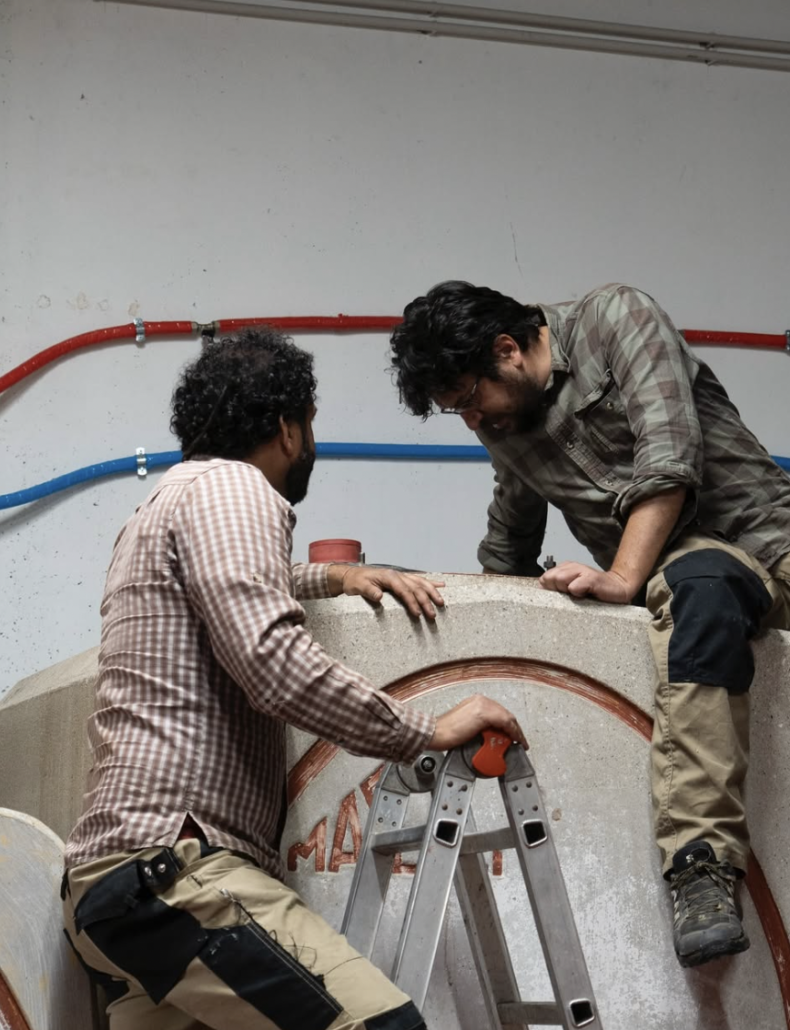
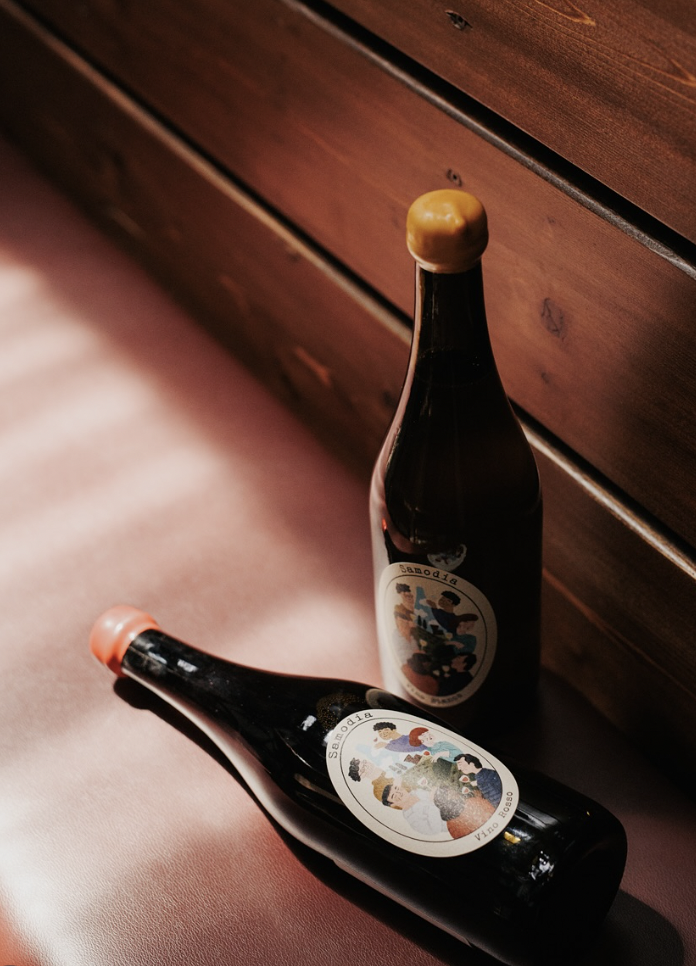
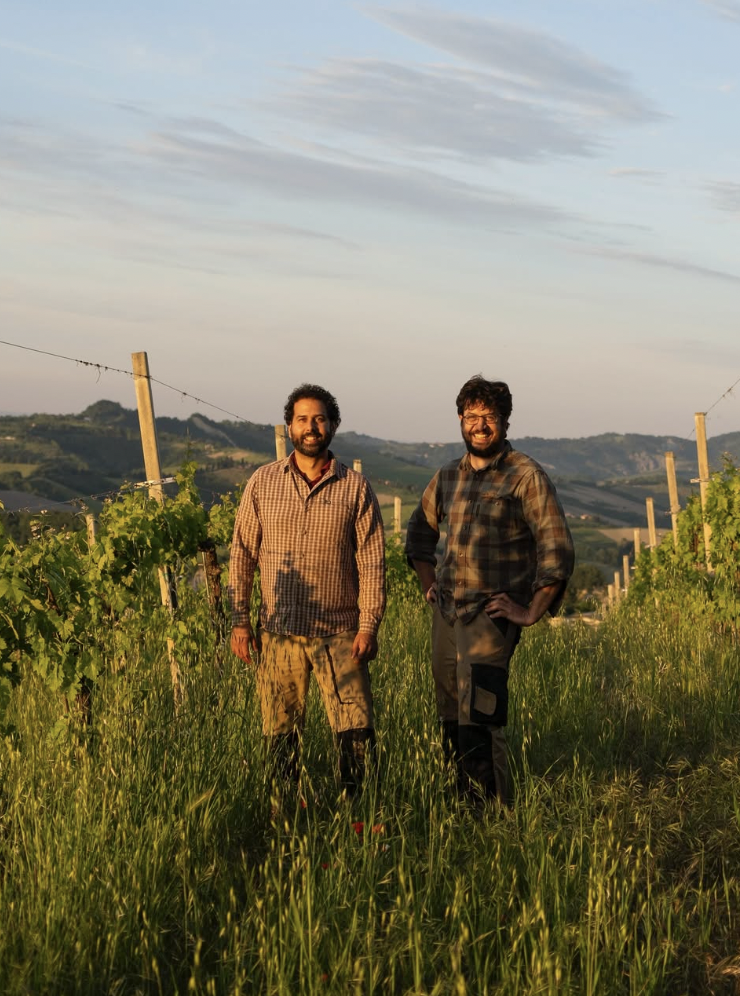
Photos by Samodia
For Jacopo, Valsamoggia is not a place that needs to be reshaped until it finally resembles somewhere else. “Terroir is certainly a meaningful and important concept. We can’t hide behind the idea that a territory’s greater or lesser potential won’t find its way into the finished product. Wine is made in the vineyard, not in the cellar. We prefer to work towards an idea, an ideal, and to convey the character of a place that may not be the most naturally suited to winemaking in the world, but can still have so much meaning. The human element, and its relationship with the land, are what matter most.”
A wine, he says, does not necessarily have to represent or resemble the place it comes from. “We may seem completely at odds with the territory we represent, but in our own way, that might actually be the best way to express it, because the wine we make is deeply rooted in the place that surrounds us.”
“The wine we make is natural in the sense that it is shaped by the very nature of the place, its surroundings and its climate. Inevitably, we cannot create something that doesn’t bear some resemblance to where it comes from. I think the best thing we can do is learn to interpret that natural character, allowing everything to flow without interference. What matters most is to feel the place you’re in, whether it’s beautiful or not, and to carry it within you.”
What Jacopo and Flavio are doing with Samodia has no real precedent. There is no unbroken thread connecting their work to some past tradition. “Instead, we’re trying to invent and build a story that feels more interesting, first and foremost because it matters to us. Why stay in an unfamiliar place, one that nobody else seems to recognise? Why be the first to commit to it, or perhaps, in reality, the last? The territory we work in is one where viticulture is disappearing: there are fewer and fewer vineyards, and they’re being pulled out. I hope I’m wrong, but when I look around, I wonder whether we might be the last generation to have chosen to do this.”
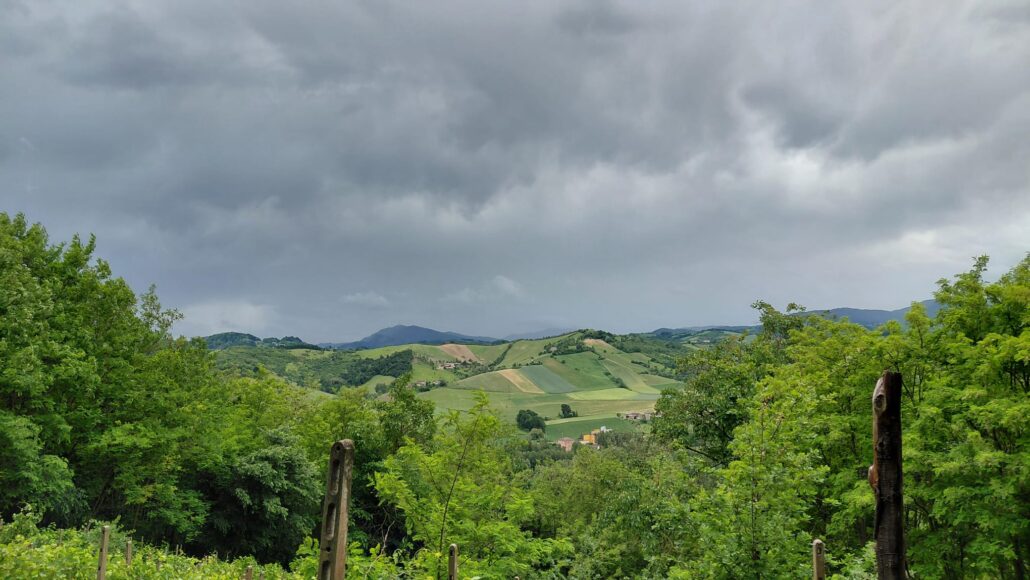
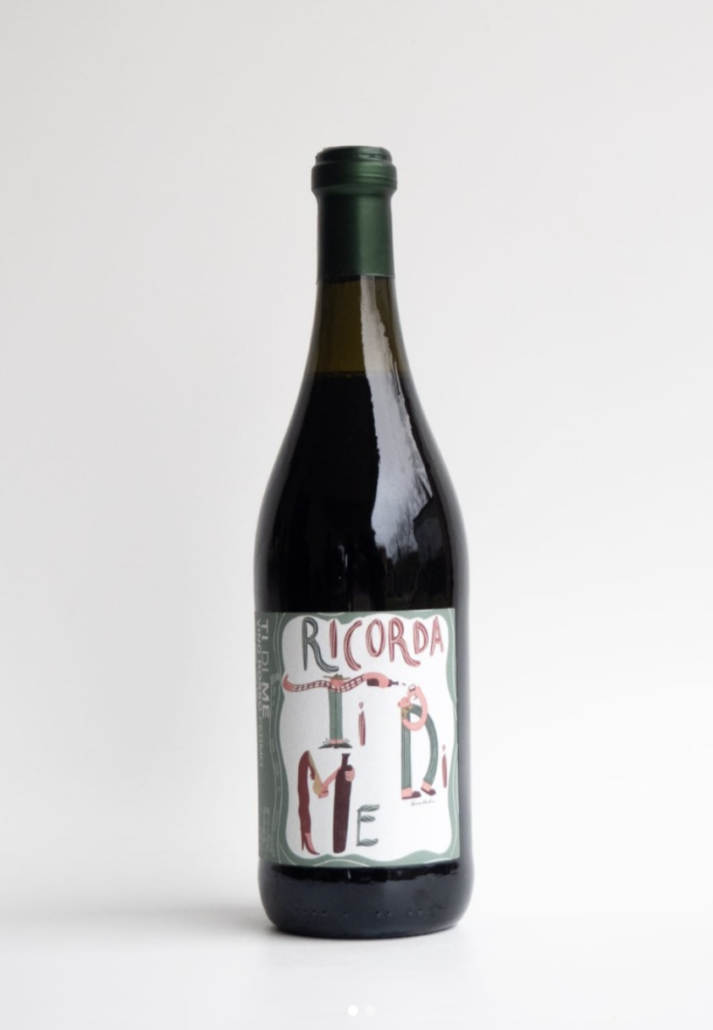
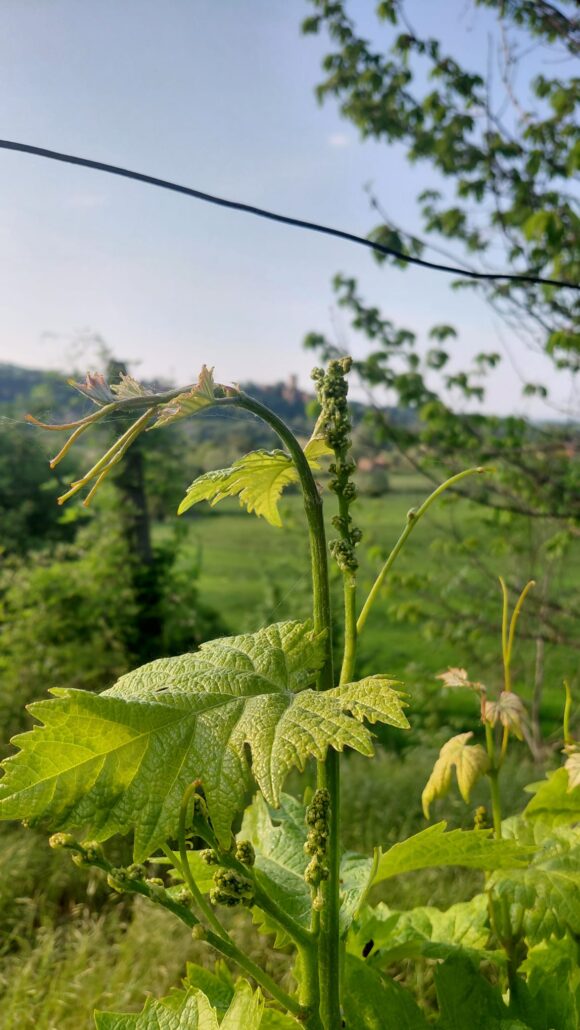
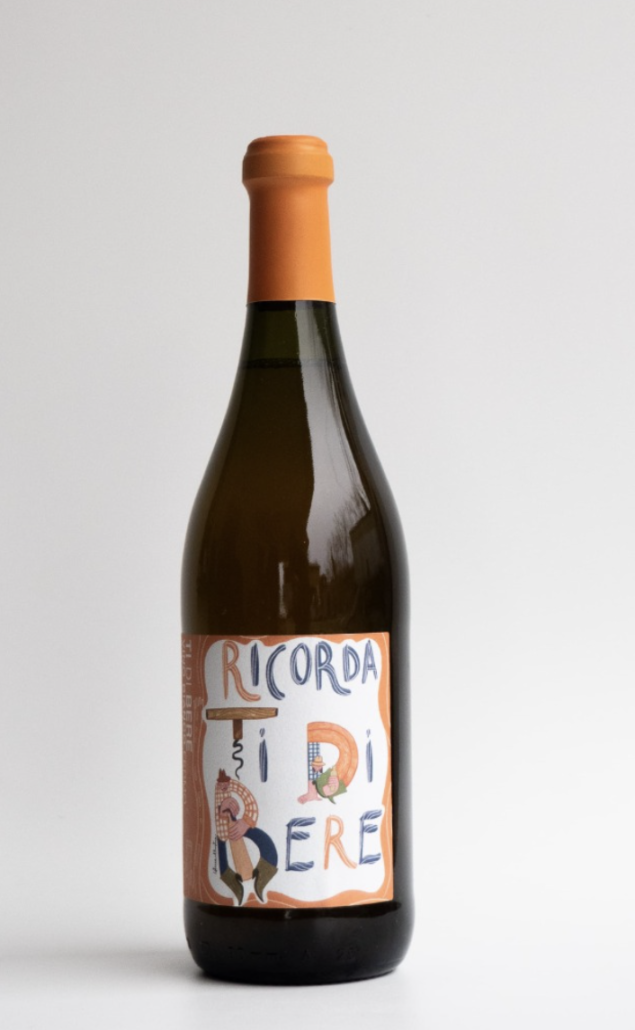
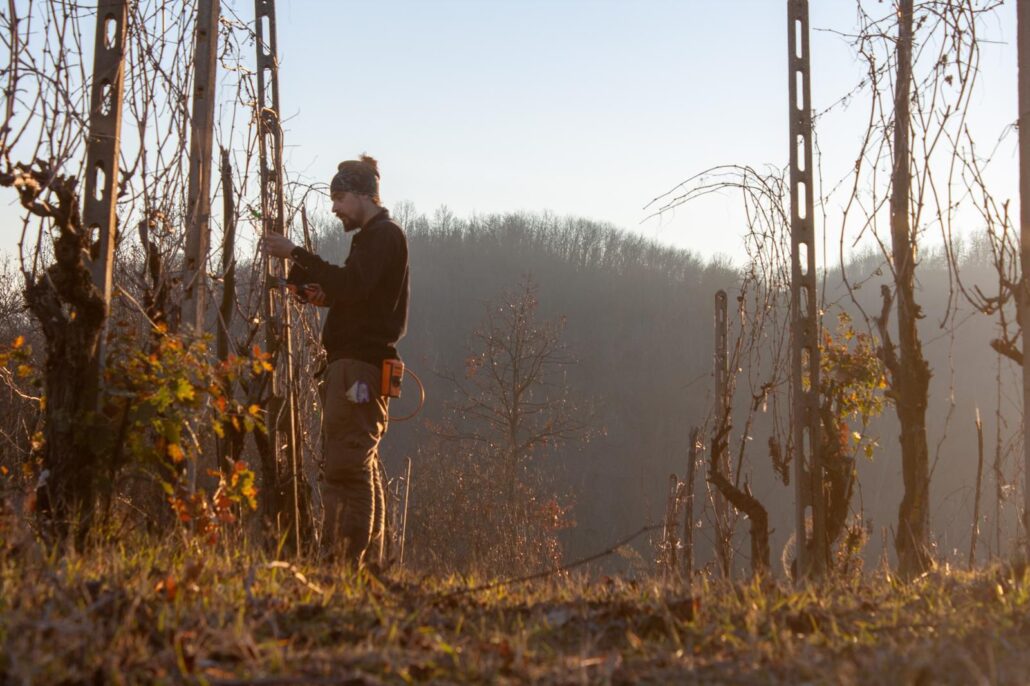
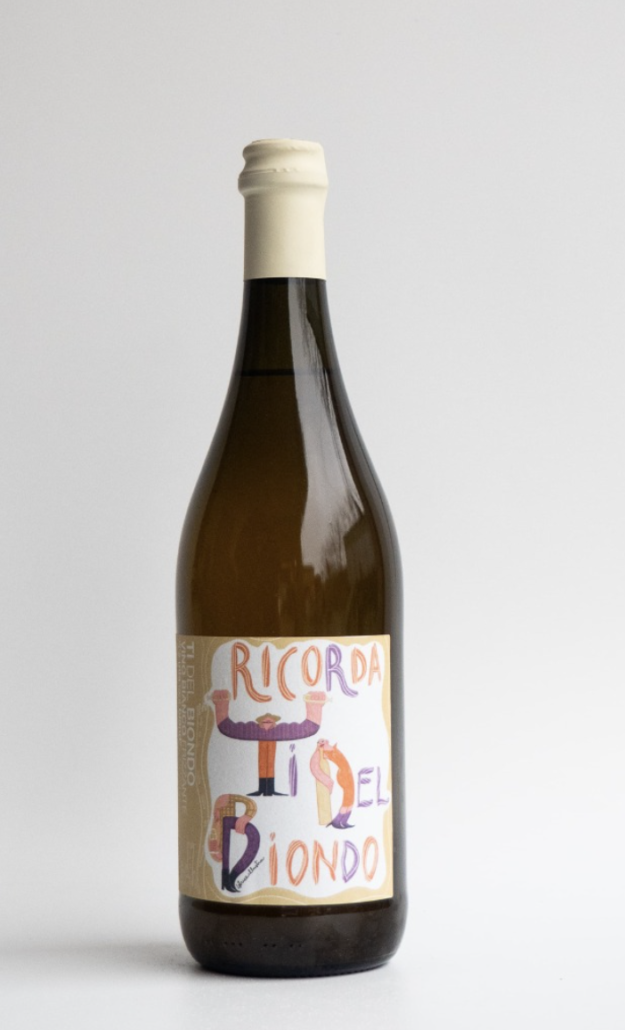
In the same region, in another stretch of the Apennines, among the hills of Val d’Arda, Gianmarco Ricorda has a different story to tell. He started with vineyards that the market had already, in a sense, found guilty of failing to produce enough: one planted in 1964, another in 1980 and a third in 1982. He began getting a feel for vineyard work at sixteen, helping with harvests and taking on summer jobs, until he turned that passion into a full-time occupation. When the opportunity came along to take over the management of a vineyard planted in 1980, he looked at its aspect, the soil and the potential of the surrounding hills, and decided it was worth a try. What also convinced him to stay were the soils of marine origin, capable of lending the wines a savoury edge, and the old vines themselves, waiting for someone willing to take care of them.
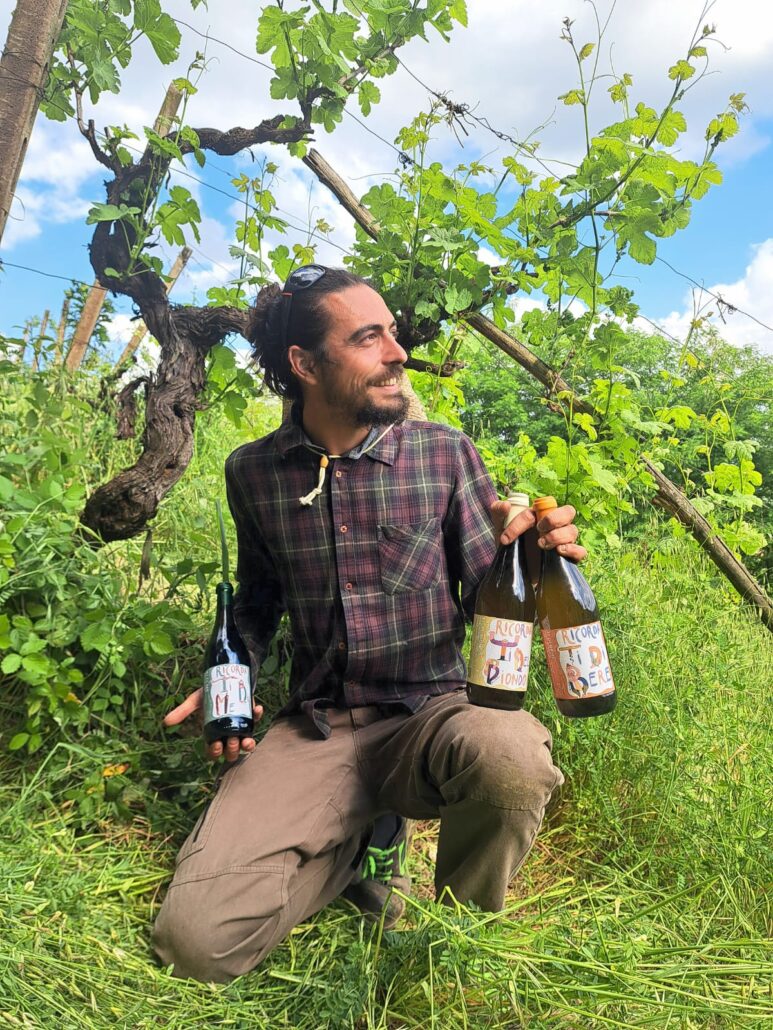
Photos by Gianmarco Ricorda
Viticulture in Castell’Arquato and the valleys around Val d’Arda also has ancient roots, dating back to Roman times. But the idea of what wine should be has changed over the centuries. Conventional farming took hold, along with pressure tanks, chemical treatments and cooperatives focused on volume, all feeding a standardised, inexpensive style of production designed to sell in bulk. Only a handful of the old family vineyards survived, often tended by elderly growers making wine for their own tables. When they were no longer able to work the land, some wineries took over their plots, until yields became too low to justify the effort. And then the vineyards were abandoned. “Keeping old, extremely low-yielding vineyards going comes at a huge cost. The priceless advantage, though, is that anyone who drinks our wines encounters a pure expression of a place, something that cannot be replicated anywhere else,” Gianmarco explains. These are straightforward, unpretentious valleys, historically a strategic crossroads between the plains, central Italy and the rest of Europe, long overlooked and far removed from mass tourism and big money. There are no manufactured landscapes here, but unspoilt nature, wild badlands, medieval villages and a mineral, saline character that finds its way straight into the glass.
Building an identity where there is no shared model means having the courage to explore your grapes to their fullest.
Among these hills, fossils, marl, sand and traces of a sea that existed millions of years ago tell a story that needs no embellishment to be compelling. And yet, for years, Piacenza’s wine reputation has been tied above all to bulk wine and large-scale retail. The territory has been defined by price, and after being labelled cheap for so long, it has had to prove that it can be something else, too. “The truth is that our ancient soils, rich in fossils and marine sediments, combined with grape varieties such as Barbera, Bonarda and Malvasia di Candia Aromatica, have a quality that can hold its own against that of far more celebrated wine regions, such as neighbouring Piedmont or Tuscany. Being in an overlooked area doesn’t make us feel inferior; on the contrary, it gives us both the responsibility and the motivation to challenge preconceptions and demonstrate the true value of what we produce.” This is not about proving that Val d’Arda is better than some more famous wine region. That would simply mean playing the same game all over again, aspiring to move up the hierarchy without ever questioning the hierarchy itself. These hills have a voice of their own.
Traditional farming knowledge is no relic of the past, either. Gianmarco learned a great deal from his time at the historic Croci winery and from those who worked this land before him, bringing back practices such as spontaneous bottle refermentation. This was never a technique devised to follow a trend, but one that grew out of a day-to-day relationship with the conditions of the place. In the past, on marine soils poor in nitrogen, fermentation could slow down and then stop altogether as winter arrived and temperatures dropped, leaving residual sugars that would naturally begin fermenting again in the bottle when the warmth of spring returned.
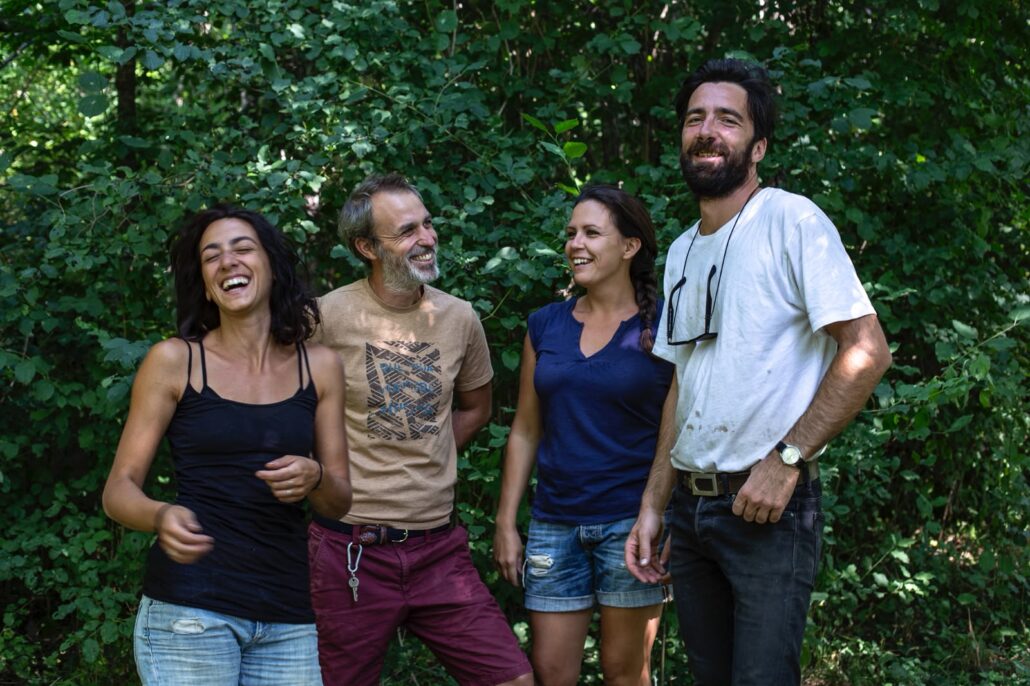
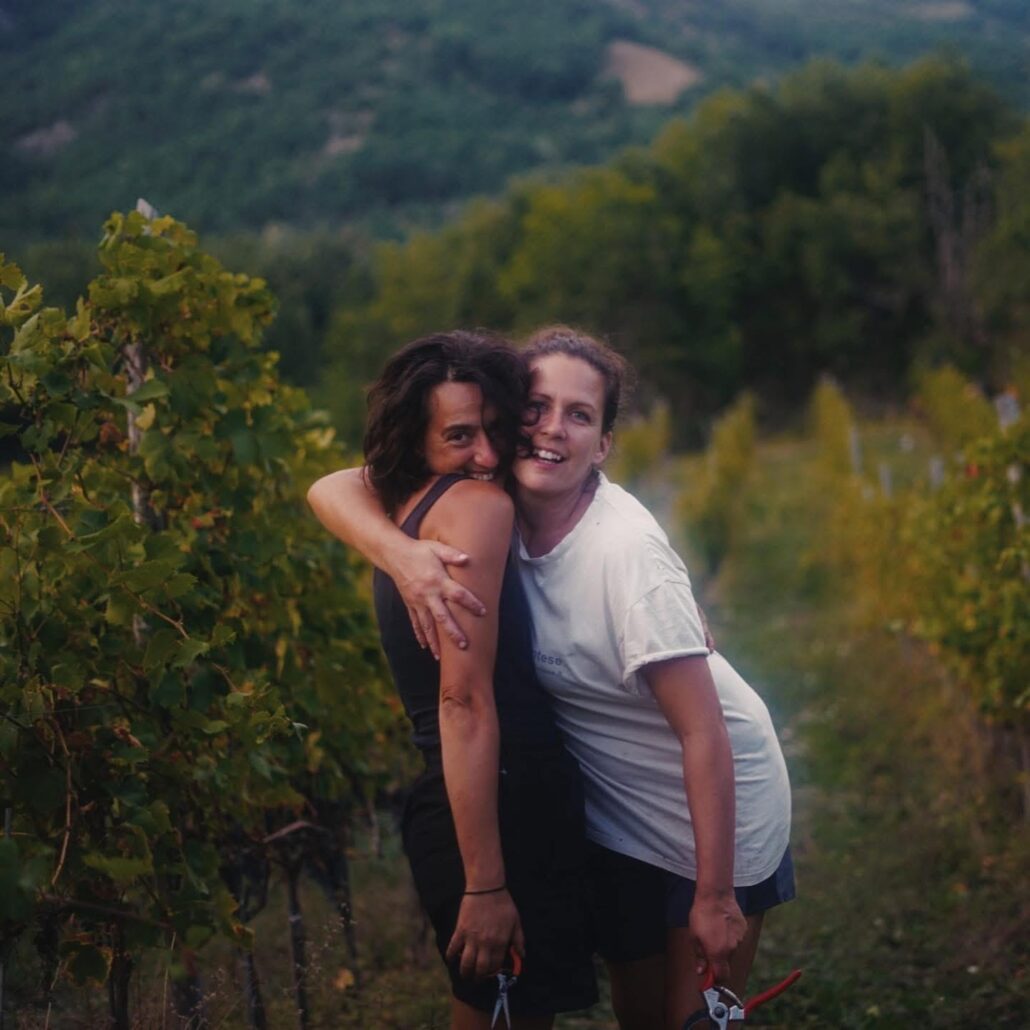
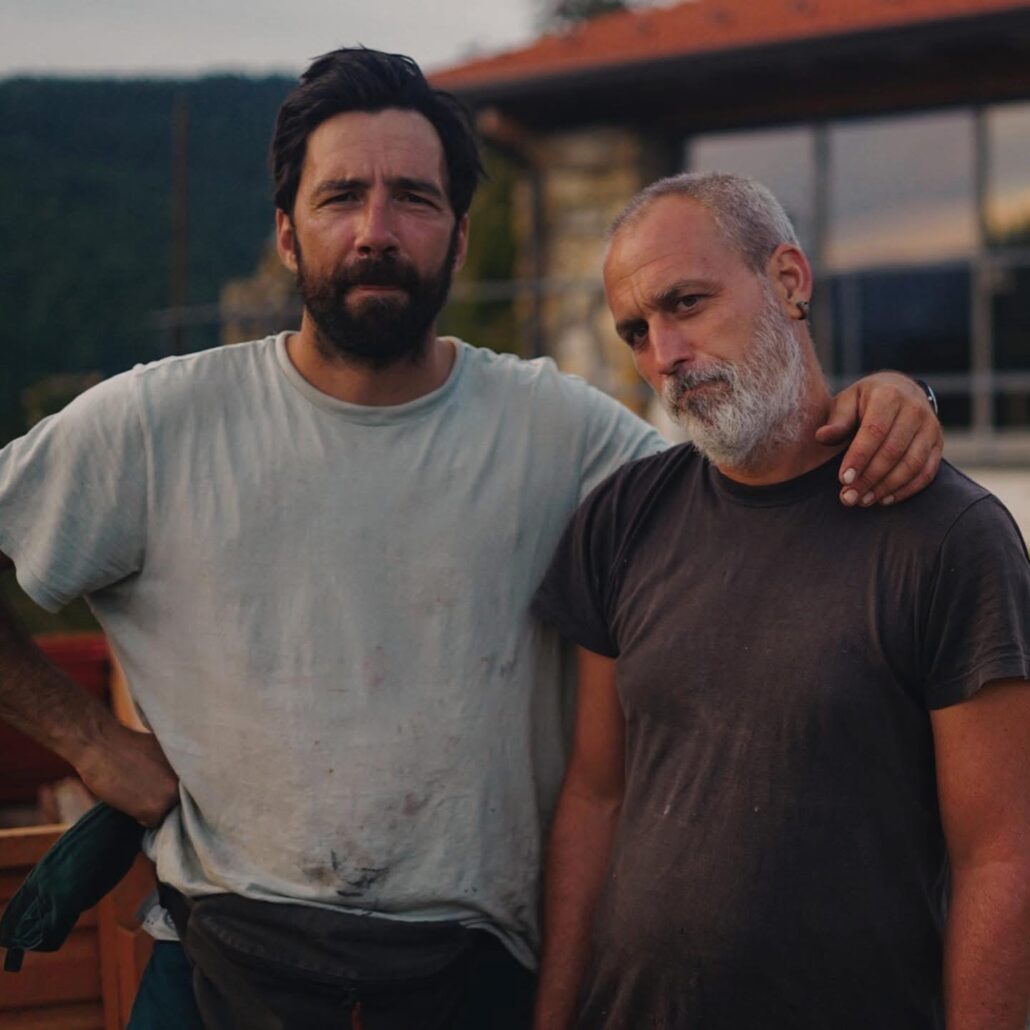
Making wine was never part of the original plan at Cascina Barbàn, “an agricultural and cultural collective, currently made up of two families who live and work in Val Borbera, in the Ligurian-Piedmontese Apennines.” So explains Martina Panarese, speaking about the project she shares with her partner Maurizio Carucci, Pietro Ravazzolo and Marìa Luz Principe.
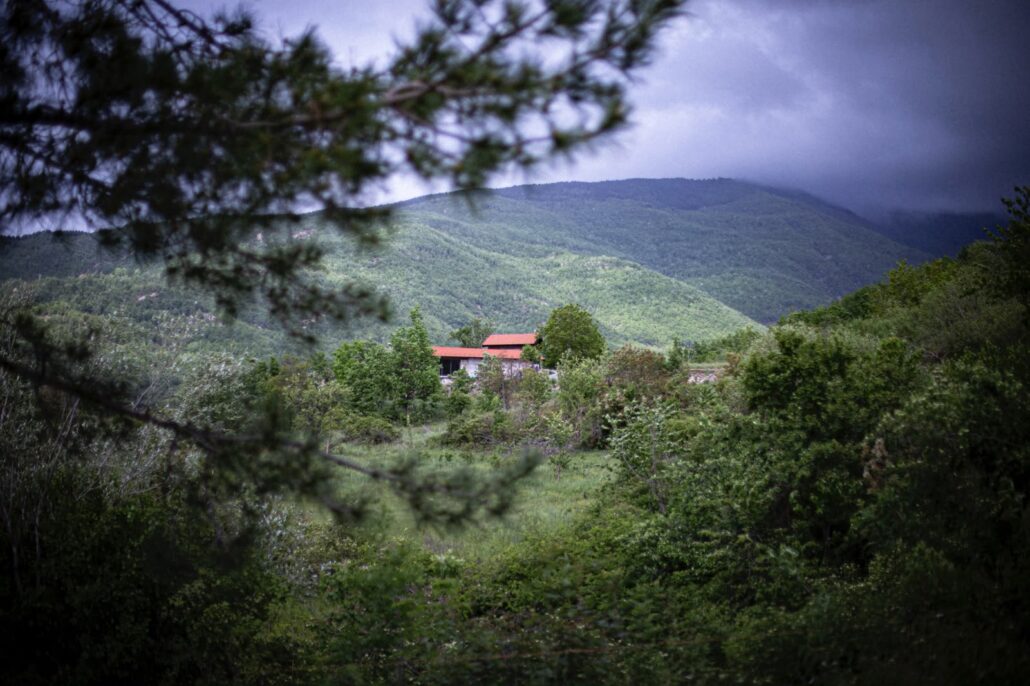
Martina and Maurizio arrived in the valley around fifteen years ago, on a rainy, grey November day, and fell in love with its woods, river, mountains and untamed nature. The valley had been relatively untouched by human development, partly because of the mass exodus that began in the 1970s, when many families left to find work in the plains below. Their project grew out of that initial infatuation, and wine came into the picture through the house they bought, Le Cantine di Figino: old village cellars that hinted at an agricultural history they could build on. A local farmer from Figino, Ferdinando, sold them a vineyard planted by hand just after the Second World War. He showed them the ropes among the rows of vines, and from there they began talking to local people, doing research and piecing together the story of the land. They discovered that the Figino hillside had once been cultivated with vegetable gardens, fagiolane beans and vineyards. Most of the white grapes were grown for sale in the Gavi area, while the small family plots, often planted with a mix of varieties, supplied the grapes for the wine people made at home. Le Cantine di Figino consisted of five or six ground-floor rooms, with haylofts above, where wine did not need to become a commercial product to have a purpose.
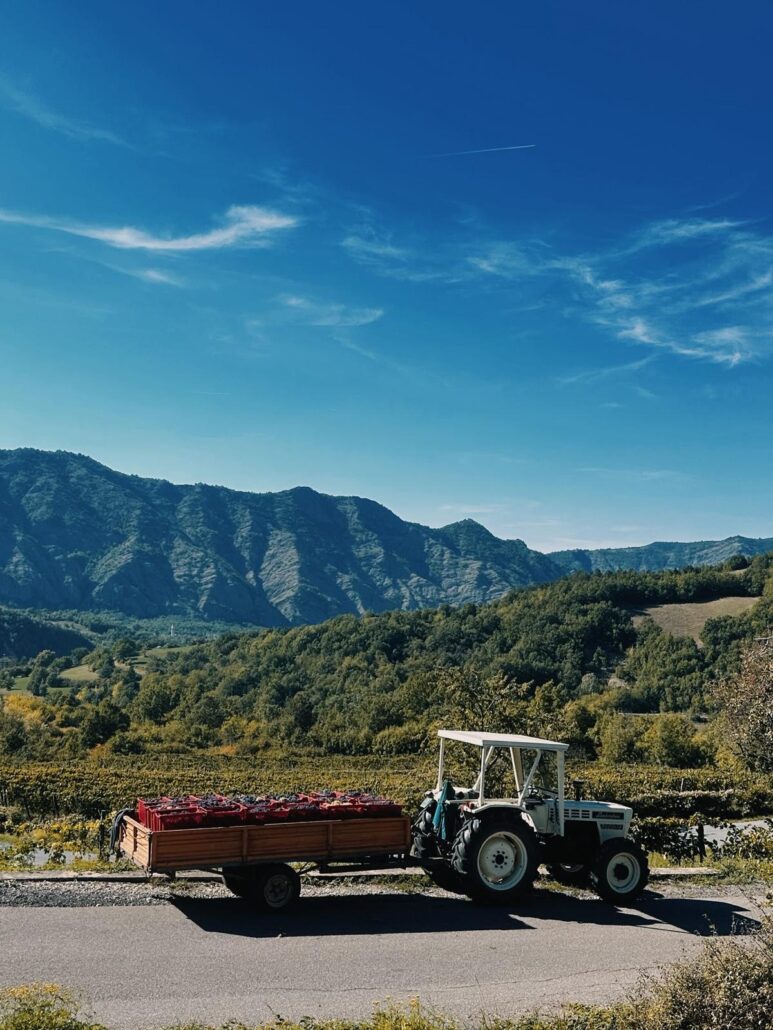
When Martina and Maurizio arrived, in 2010 or 2011, only five or six tiny vineyard plots remained. “We started with those old vines. Over the years, we also restored the old cellars, which now house our winemaking facilities and barrel room, as well as the house we live in, which used to be a stable. Pietro and Mary, at Torre di Figino, have also restored an old stable with a hayloft, which is now their home. “We took care of the vineyards we had found and, from 2015 onwards, began planting new ones. There was no other land available to rent nearby; to find it, we would have had to go as far as forty minutes from here. So we decided to replant, starting from scratch, or perhaps from ten steps behind the starting line. We chose to plant not only white grape varieties, as had traditionally been done here, including Timorasso and Cortese, but also other varieties we had discovered in the old vineyards. Restoring those plots, with all their biodiversity, helped us understand what had once been grown here and what thrived in these conditions. So we followed their lead, as people say around here, planting old varieties that were already part of the local landscape.”
Photos by Cascina Barbàn
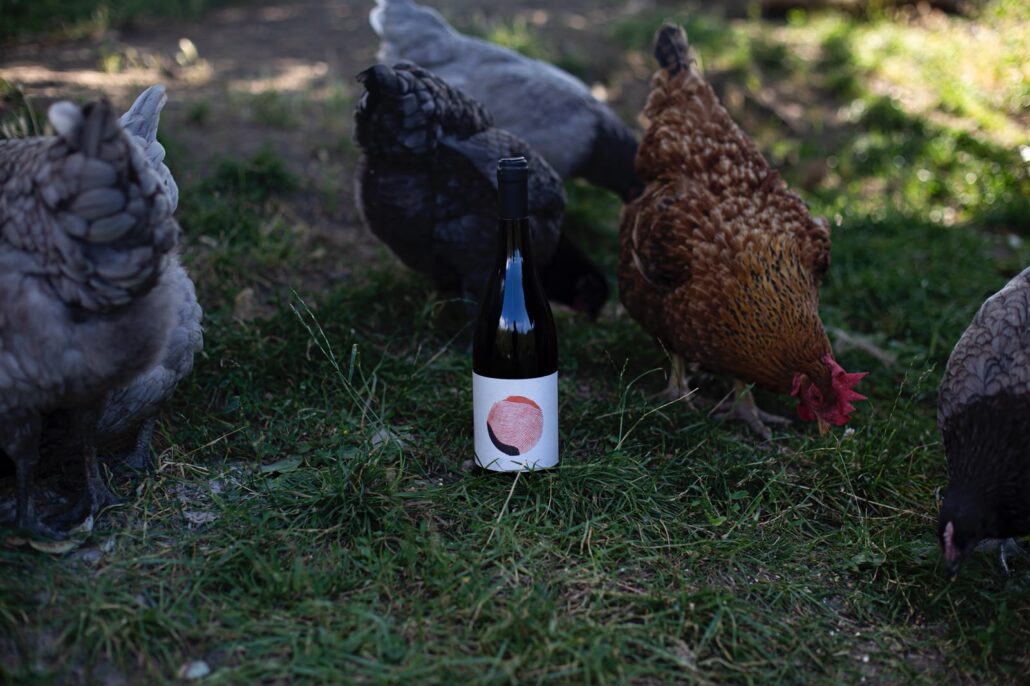
They have tried to follow the clues offered by the valley’s agricultural history rather than impose a model from elsewhere. “The territory is inside the bottle: it is where the wine comes from,” Martina continues. “For me, it’s a little like people. I was born in Genoa, I lived there, and I carry it with me wherever I go. I can keep living here or move somewhere else, but Genoa will always be part of me. The same goes for a bottle of wine: the grapes grew in Val Borbera, so whether it’s a bottle of Pian del Tè, Barbàn, Albera or Boffalora, wherever it ends up, it will carry the light of Val Borbera with it, its plants, the wind, the dew, the mountains, the stones and the soil. That connection is inescapable. “An identity is built around your values and ideas, and those need to be clear and well-defined. You have to understand not so much where you want to end up, but what you are working towards. Our goal has always been to use our work to preserve, if not improve, the biodiversity we found in the land and in the natural world around us. That is our guiding light.”
The way they learned to work says a great deal about their relationship with the valley. At Cascina Barbàn, they tried to be sponges, listening to the local farmers, working alongside them and learning how they had adapted to the climate and the different soils. At the same time, they studied, read and delved deeper into the subject, trying to bring theory and practice together. Take the practice of letting grass grow between the rows of vines, for example, which was almost unheard of in these parts. Leaving the grass to grow rather than constantly cutting it looked like neglect, or at least seemed difficult to understand for those who had always worked differently. It took time, and some of that time was spent in conversation with their neighbour Mauro, who was initially wary of their natural approach but gradually began asking for advice, significantly reducing his use of chemical treatments over the years.
Martina has also learned to see the experience of working in a little-known wine region differently. “For years, I felt as though we were neither one thing nor the other: we’re in a marginal area, caught between four provinces, without a strong, widely recognised identity. Today, though, being something of an outsider has become a source of pride, and I find that interesting.” Not having to live up to the expectations attached to a well-known wine region leaves room to make wines that don’t have to fit an established mould. When people used to tell her that their Timorasso tasted nothing like those from the Colli Tortonesi, she would reply: “Thank goodness. We’re a different place, with a different climate.”
The remark cuts through a misconception that keeps resurfacing in the world of wine: the idea that a place must resemble its neighbour, preferably a more famous one, to be taken seriously. Comparison can certainly be useful, but not when it becomes a competition to see who can do the best job of reproducing someone else’s wine. Val Borbera is not an imperfect version of the Colli Tortonesi, just as Valsamoggia is not some prestigious wine region still waiting to make it, and Val d’Arda is not simply a land of cheap wine. These are different places, with their own histories, climates, soils and possibilities, none of which needs to be measured against the same yardstick every time. Places that leave plenty of room for freedom. For Jacopo, “Working in a little-known place has its advantages when it comes to how we choose to interpret wine. We don’t want to follow any particular formula, be labelled or conform to something written by someone else, so what we do is entirely personal and unique. The freedom that comes with working in an unfamiliar place is a tremendous added value. I don’t see it, and never would see it, as a disadvantage. There’s nothing to prove to anyone else; all we have to do is follow what we feel.” For Gianmarco, that freedom also means not being hemmed in by the expectations of a global market or the constraints of appellations that tend to make everything conform to the same mould. “It allows us to focus solely on bringing out the value of the terroir. The flip side is prejudice: you constantly have to work hard to explain that wine from Piacenza isn’t just cheap wine made in some big industrial winery.”
A bottle can travel more easily than a valley, sparking the curiosity to go and see where it comes from. But that takes roads, services, people who can afford to stay, and tangible support for those who choose to work in these places. It is not enough for someone to taste a wine and decide to set off in search of the valley it comes from if that valley lacks the means to welcome them. Nor is it enough for a young person to want to return and tend a vineyard if the system continues to reward volume alone, rather than the work involved in producing small quantities of wine, making them well and doing things differently.
Jacopo puts it this way: “It’s hard to become an example, or to want to be one. What you can offer, perhaps, is encouragement: showing that it’s possible to do what you want to do, to stand by what you believe in, to choose a path and keep following it despite everything going on around you and all the potholes along the way. And potholes, both real and psychological, are precisely what define the road through Valsamoggia. “We can’t claim to be an example for anyone looking to follow a similar path, except in the sense that the more of us there are, the better. What we’re living is a personal experience that is also a collective one: we want there to be as many of us as possible. We’re absolutely convinced that a territory can only be preserved if there is a healthy relationship with it. We believe we have that relationship with the place around us, and perhaps that’s what we can try to pass on: not exploiting the land, but learning to live alongside it.”
Martina hopes Val Borbera will become better known, but without losing its wildness, that nature which is “always right in your face” and first made the collective fall in love with the valley. She would like to see a slower, more mindful kind of tourism, not crowds arriving to consume the landscape and then leave, with the burden of dealing with everything else falling to the people who live there. She also knows that the lack of institutional attention, while making it harder to get new projects off the ground, can offer protection from aggressive speculation, such as the proposal for a huge wind farm on the mountains. It is not easy to tell where neglect ends and a form of unintended protection begins.
Gianmarco, meanwhile, would like to see the Colli Piacentini stop being treated as a second-rate wine region, capable of producing little more than table wine for mass-market shelves. He would love to see a community of thoughtful, committed winegrowers take root, able to give their work the value it deserves without losing the hills’ straightforward character, their quiet, their untamed landscape and that rural dignity that endures far from passing trends. None of the three seems interested in creating a more presentable version of their territory, smoothing out its rough edges to finally make it easier to digest.
Can wine, then, help change the way a place is seen?
“Wine can tell the story of a place, carry it out into the world and spark people’s curiosity to come and experience it for themselves,” Martina says. “Over the years, we’ve tried to talk a lot about Val Borbera, which is often described as a marginal, or even depressed, area, although we don’t see it that way at all. We want to tell the story of this stretch of the Apennines, where, in fact, a great deal is happening and where you can live very well, in close contact with nature. In our case, we’re completely immersed in nature, yet just an hour and a half from the big cities.”
Gianmarco shares a similar vision. “Wine is one of the most direct ways to convey the truth of a place to someone hundreds or even thousands of kilometres away. When a bottle finds its way onto a table, in Italy or abroad, whoever drinks it comes into contact with our land. Every decision we make in the vineyard and the cellar helps show that Val d’Arda and the Colli Piacentini are not second-rate wine regions, but places capable of producing wines with depth, longevity and a fierce sense of where they come from.”
Jacopo shares that belief, though with a different emphasis. “I think wine, and above all the people behind it, can change a territory or a valley from an agricultural perspective, by making the product work and sparking interest in the possibility of change, of improvement across all the areas we’ve talked about: better ecosystem preservation, for instance.” But he adds: “I don’t believe wine is the symbol. I think we are, the people who make these choices, the ones entrusted with safeguarding an idea. What matters, rather, is telling that story to others. That’s the greatest thing the bottle of wine we’ve made can do.”
Valsamoggia exists, of course. Just as Val d’Arda and Val Borbera do. And in these valleys, there are people working to keep their agricultural history alive, refusing to let it come to an end simply because it no longer pays. Their wines may not be enough to change a valley’s reputation, but perhaps they don’t need to be. Not everything has to turn a place into another destination to add to the list of places to visit.
The aristocracy of wine can stay right where it is; no one is asking it to give up its seat. The question is why we keep confusing the place a territory occupies on our map with the value it actually holds. A valley that is little known for its wine is not necessarily a valley unsuited to viticulture. It may simply be, and sadly, a valley that has been left out of the conversation.
On 8 and 9 November, at Bunker Torino, the stories of Cascina Barbàn, Samodia and Vini Ricorda will be part of Augusta, the natural wine fair bringing together around a hundred producers from across Europe. They will leave their respective valleys to meet people who may never have even heard of the places they come from. Someone might taste a wine without knowing its origins, then ask questions, look for that bottle or decide to go and see the place for themselves. It is one way these stories can begin to travel.