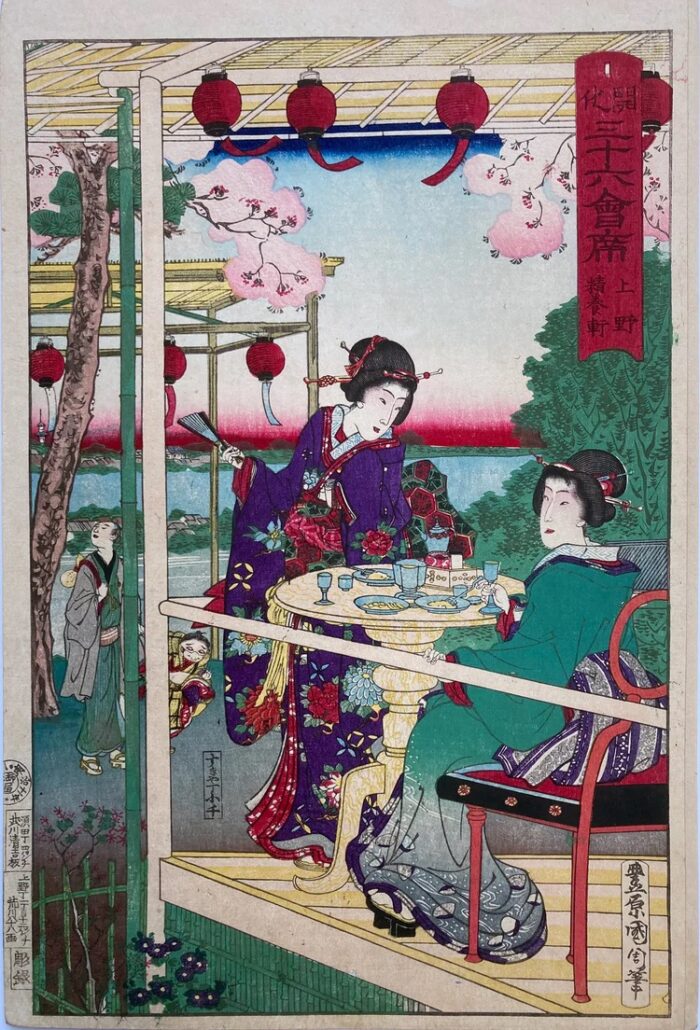
“Who built seven-gated Thebes?” asks the worker in Bertolt Brecht’s celebrated poem. With that simple question, Brecht shifts the historian’s gaze towards those long relegated to the margins of history: slaves, labourers, sailors, peasants – the forgotten, the invisible. In the preface to The Cheese and the Worms (The Cheese and the Worms, first published in 1976), the historian Carlo Ginzburg observes that “the existence of cultural inequalities within so-called civilised societies is the very premise of the disciplines that have variously been called folklore, the study of popular traditions, or European ethnology. Yet the use of the word ‘culture’ to describe the complex of attitudes, beliefs, codes of behaviour and other practices characteristic of the subordinate classes in a given historical period is relatively recent, having been borrowed from cultural anthropology.”
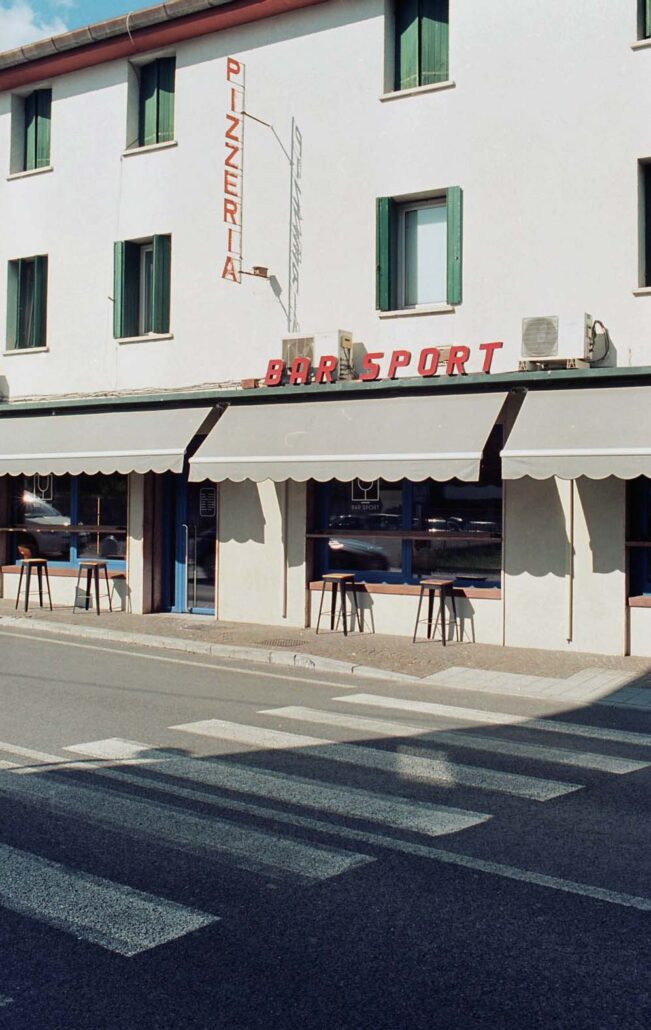
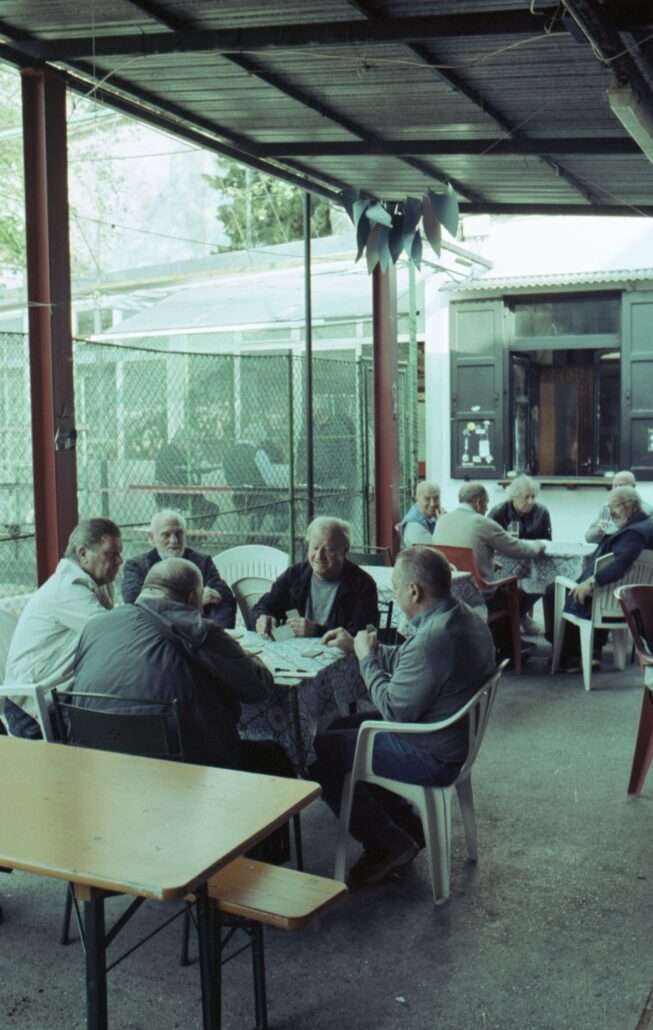
In Italian history, there is one place where the “cultural inequalities” described by Carlo Ginzburg gave rise to a vibrant, layered social space in which the socioeconomic differences of countless generations converged and collided, creating a kind of philosophy of social role reversal. It is the carnivalesque envisioned by the Russian philosopher Mikhail Bakhtin: a place where everyone sheds the complex identities shaped by social conventions and meets others simply as fellow human beings, regardless of who they are. That place is the Bar Sport. The term encompasses countless variations of a social institution that evolved alongside modern Italian society, yet its collective image remains firmly rooted in the bourgeois Italy of the post-war economic boom. Coffee, vermouth, wine and bitters fuelled endless conversations about politics, football and the football pools, heated arguments over cards or billiards, all unfolding within what was perhaps the only truly popular agora Italy has ever known.
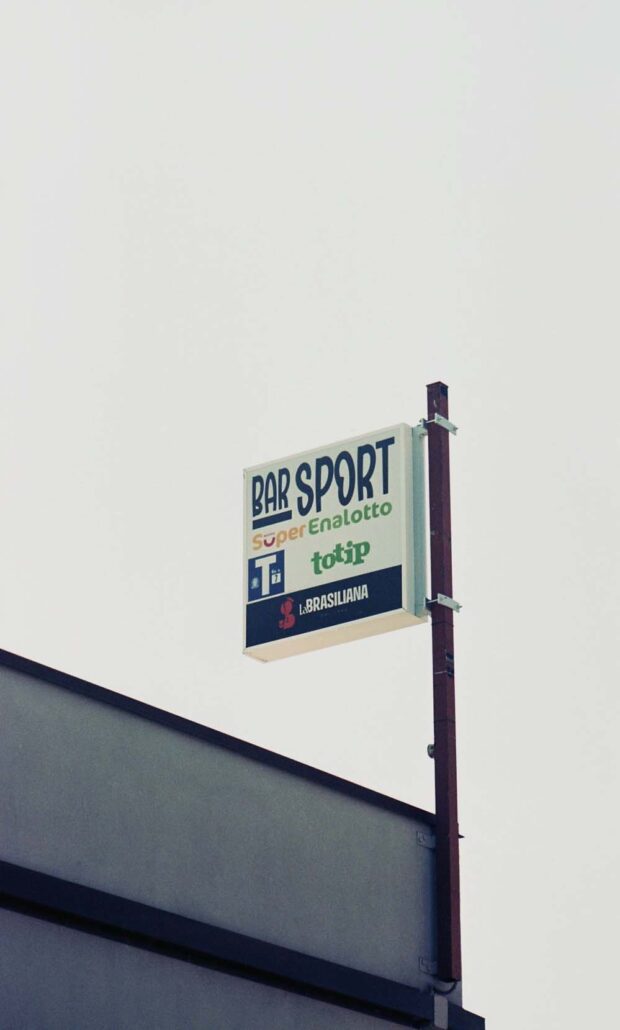
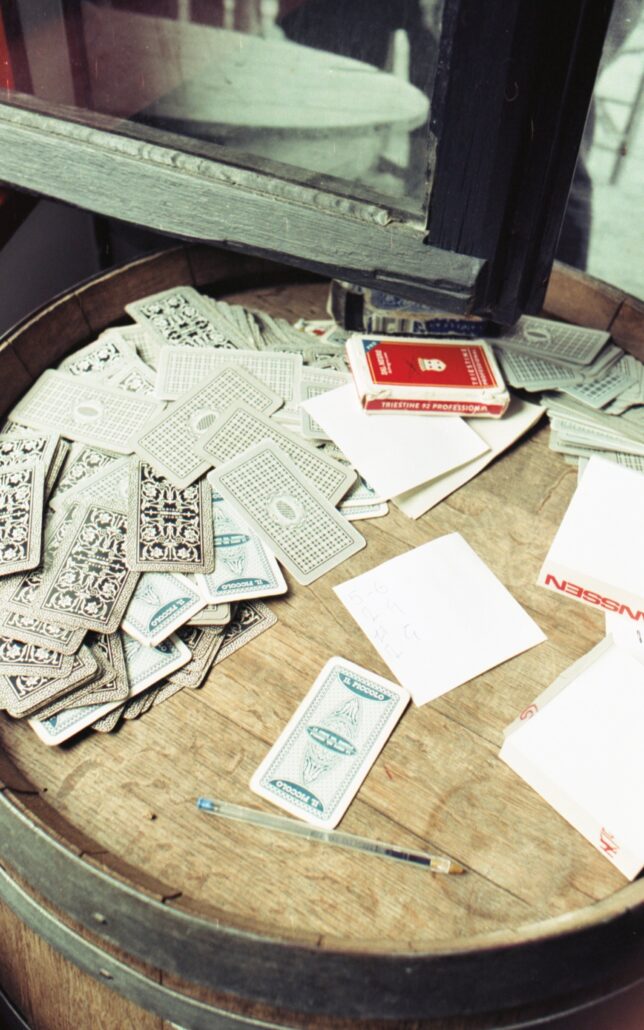
To trace the profile of the Bar Sport as a uniquely Italian cultural institution – one that reflects a people notoriously resistant to neat definitions – we must turn to unconventional sources. Traditional fields of inquiry such as history and sociology have rarely regarded the neighbourhood bar as a lens through which to observe a society in transition. Yet, as we shall see, the community gathered around the counter offers, in retrospect, a remarkably faithful snapshot of the anthropological shifts that have shaped Italy’s countless local communities. Artists, however, have always recognised the bar’s narrative power. The rich cast of characters who have filled the tables and bars of taverns and cafés has long provided an inexhaustible source of inspiration. It is precisely by drawing on literature, cinema and the other creative arts that we can attempt to reconstruct an epic of the bar, and in doing so reclaim its importance as a social institution; a role that today has largely been taken over by other spaces of conviviality, not least the diverse world of food and wine.
Log in or subscribe.