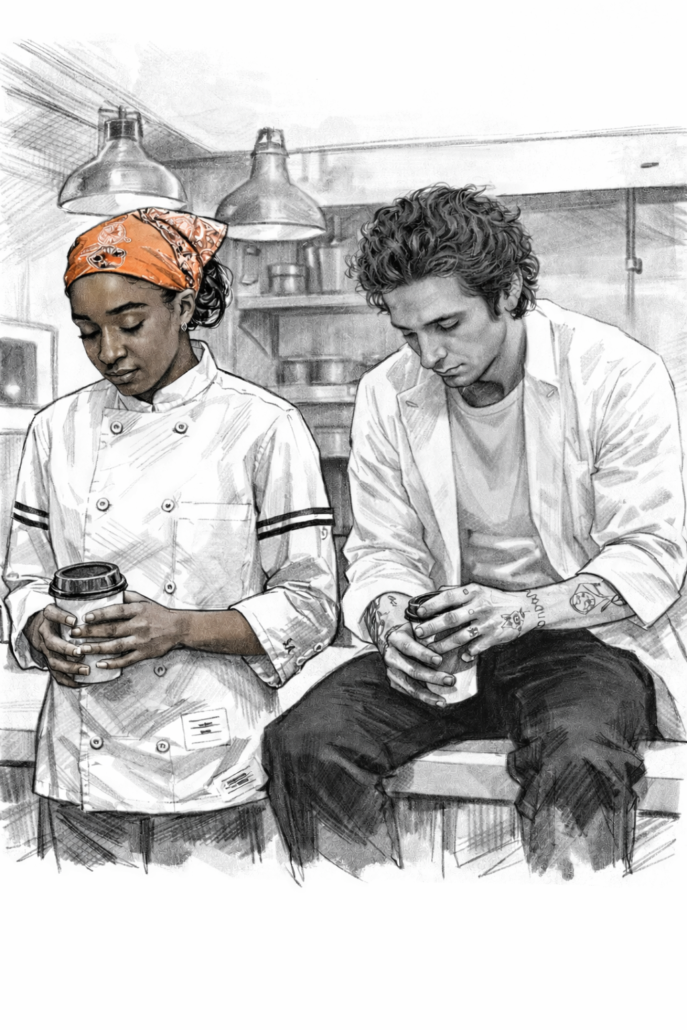
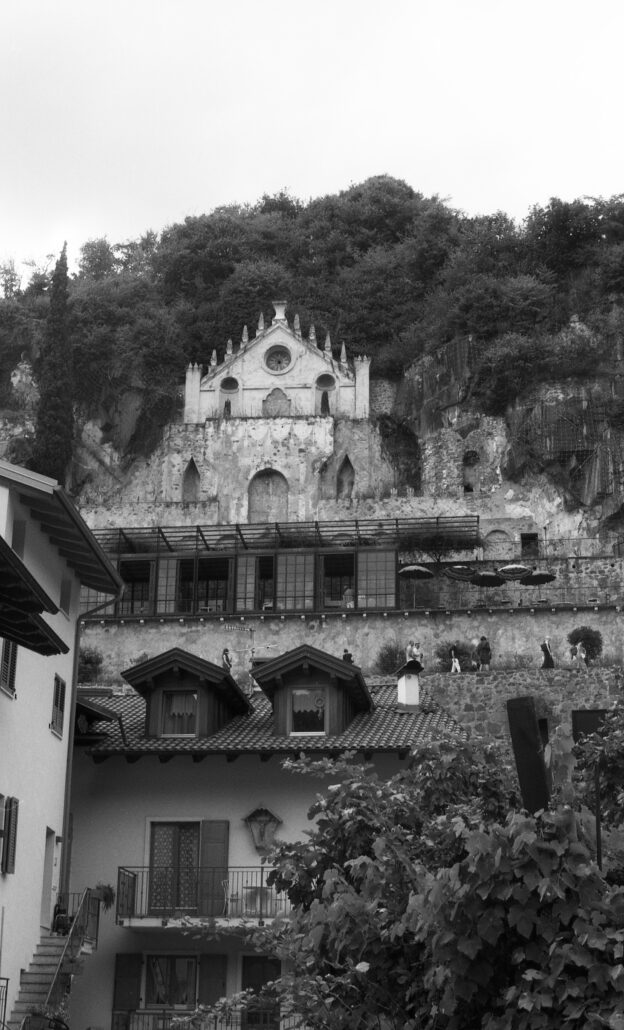
Fire is one of the origins of cooking. Not the romantic starting point of so many narratives, but an ancestral knot where transformation, time, and matter converge. At the last edition of San Sebastián Gastronomika 2025, shaped by reflections on territory, roots, and sustainability, fire resurfaced repeatedly as a shared point of reference, cutting across generations and geographies.
It is within this context that two chefs – radically distant in history, culture, and sensibility – revealed how that primordial flame continues to be one of the most contemporary languages of cooking. On one side, the young Thalía Barrios, guardian of a cuisine rooted in the land and villages of Oaxaca’s Sierra Sur; on the other, Niklas Ekstedt, who since 2011 has pursued a culinary vision grounded in a careful study of Swedish history and culture. Oceans separate them; fire unites them – the kind that forces a change of pace.
Niklas Ekstedt
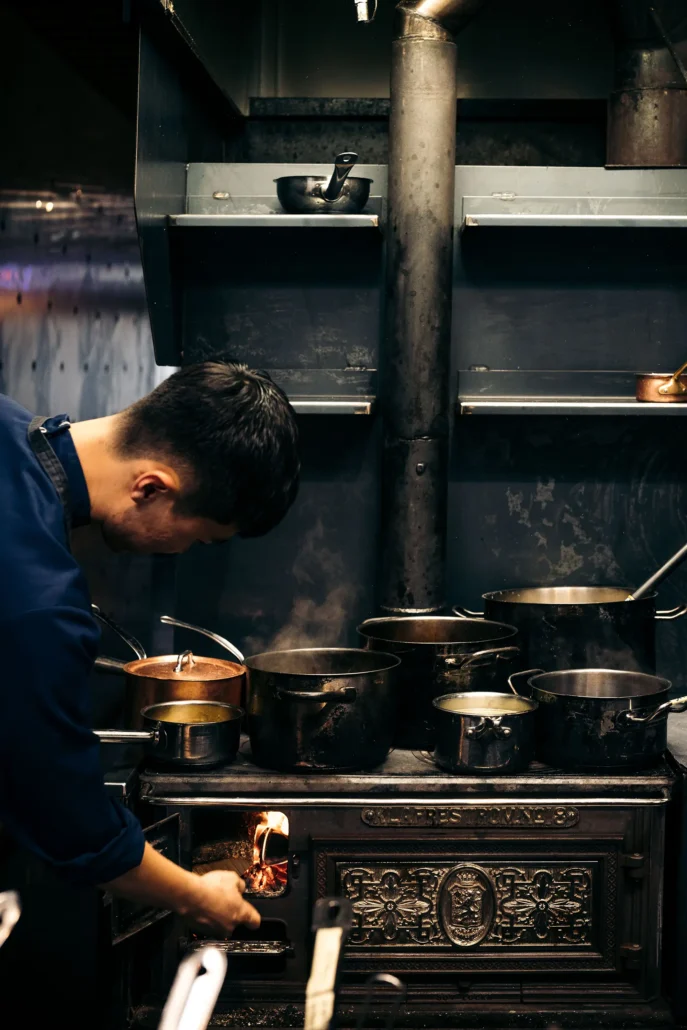
At his restaurant Ekstedt, in the heart of Stockholm, Niklas cooks without compromise: no stoves, no technology regulating heat; only wood, embers, and cast iron. His is an essential and territorial cuisine, where technique and timing are dictated by fire and by locally sourced ingredients. The menu follows the stark seasons of the North, supported by fermentations, pickling, and smoking techniques rooted in Swedish tradition, allowing the kitchen to carry itself through winter with almost no imports (“just chocolate and pepper,” he admits with a smile).
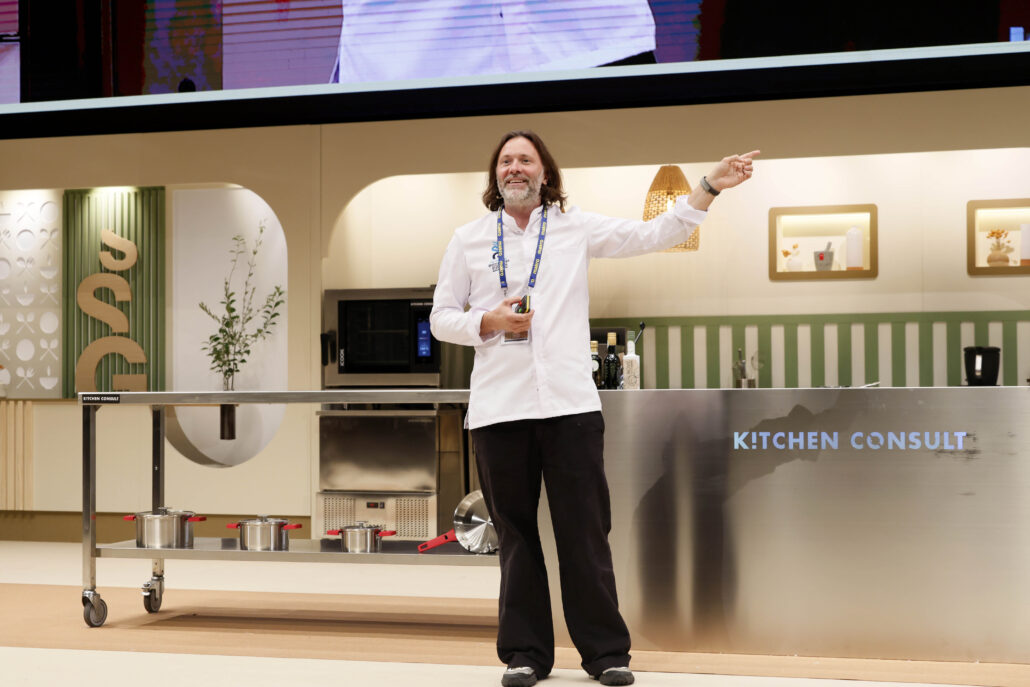
Today, Niklas is recognized as one of the leading “masters of fire” in the culinary world, long before it became the latest fashion. Yet this precise, uncompromising path did not grow out of rebellion, but from a natural deviation in life. Fifteen years ago, Niklas was fully immersed in a successful career: a fine-dining restaurant, television appearances, the status of a celebrity chef firmly established. Then, he became a father. In a profession that rarely makes room for fatherhood, he chose to take on that responsibility and that time (supported by a forward-thinking state and a genuine framework of social equity) and began spending long stretches of time in the house he had just purchased in the Swedish archipelago, surrounded by nature, with his son.
It is there, in that house, that he encounters a cast-iron stove from 1910, not as a nostalgic object, but as an everyday tool. It makes him reflect: back then, cooking happened only this way. Wood was life. Without wood, the house could not be heated; without wood, there was no food. With winters reaching –20 to –30°C, firewood and the stove were a matter of survival. Niklas begins cooking on it, experimenting. Friends who come to visit are immediately drawn in. It isn’t just about flavour, but about an atmosphere that forces a slower pace and brings people together – the ones cooking and the ones eating – as if everything were part of the same gesture.
In that informal, domestic setting, Niklas realises he isn’t simply changing technique, he is discovering a way of cooking that fundamentally belongs to his land and his culture. When an investor later proposes a new project, he has only one request: to create a place entirely centred on fire. And so, in 2011, Restaurant Ekstedt is born.
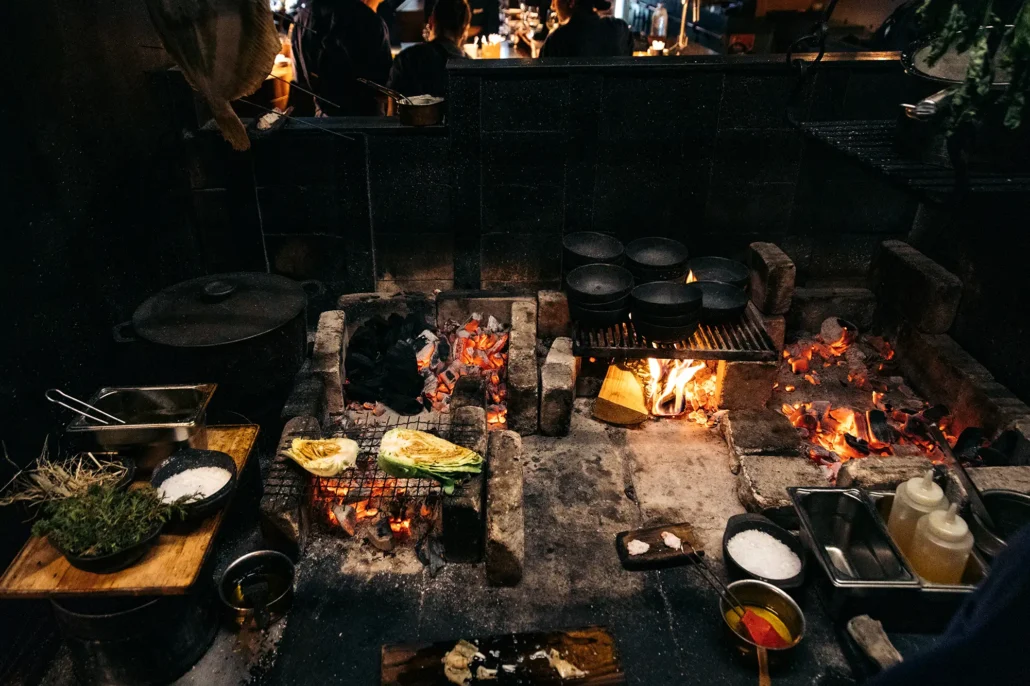
At the same time, he begins a deep process of research: studying, reading, investigating. He immerses himself in the Swedish archives (vast and intact, having never been disrupted by war and now also fully digitised) to reconstruct ways of cooking from the past. Added to this are the voices of local guests, especially those from older generations, who carry with them a precious oral tradition: “My grandmother used to do it this way”; “where we’re from, the pot was placed like this”; “this is how we would regulate the flame.” All important elements that fill what the books leave unsaid, what they take for granted. “In a cookbook today, it simply says “turn on the oven” – he explains – but it doesn’t tell you how to turn it on”. This is the gap that Niklas had to bridge by studying recipes from another time, relearning what for centuries had been considered obvious.
Years before opening his restaurant, during a visit to Etxebarri, Victor Arguinzoniz – an undisputed reference in cooking with fire – made a remark to Niklas about the quality of Swedish wood. At the time, it felt like a passing comment, almost inconsequential. Today, working daily with embers and flames, he understands its deeper meaning: cooking with fire begins with knowing the wood.
In Sweden, birch is the most common type of wood. It heats stoves and fireplaces and it is an essential tool in the kitchen. It is clean and stable, ideal for cooking, provided it is properly prepared: the bark must be removed, the wood allowed to breathe. At Restaurant Ekstedt, working with fire begins long before service: every day wood is split, heat is built, in a physical, repetitive gesture that restores a tangible, grounded dimension to cooking.
For Niklas today, wood is not merely fuel, it is culture. As he explained from the Gastronomika stage, among older generations in Scandinavia the way wood is chosen and stored is a matter of precision and order. “If the wood is well kept, you know it’s someone you can trust”. A quiet measure of reliability, revealing how fire – before it is even lit – already speaks of cultural identity.
It is within this intertwining of historical research, domestic memory, and everyday practice that Niklas finds his form of creativity.
A cuisine that does not invent from scratch, but brings back to the surface what for centuries was taken for granted and that, for that very reason, has often been forgotten – and then interpreted in a contemporary way.
By removing electricity, Niklas realised he was connecting more with the ingredients. Standing in front of a stove is not the same as standing in front of a flame: “It’s the difference between looking at a lake and standing before the ocean. The lake is beautiful; the ocean is powerful. Fire is the ocean”. It forces presence, an alignment with its rhythm, a way of cooking that listens rather than controls. And in the process, this deep connection is no longer just with the ingredients, but with oneself, as a human being.
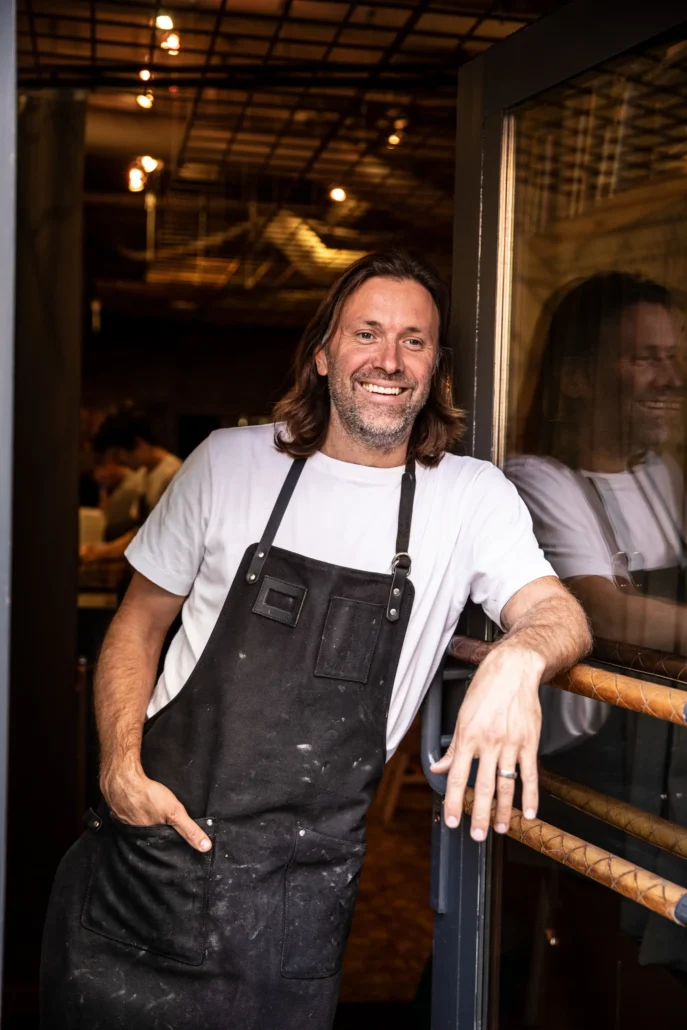
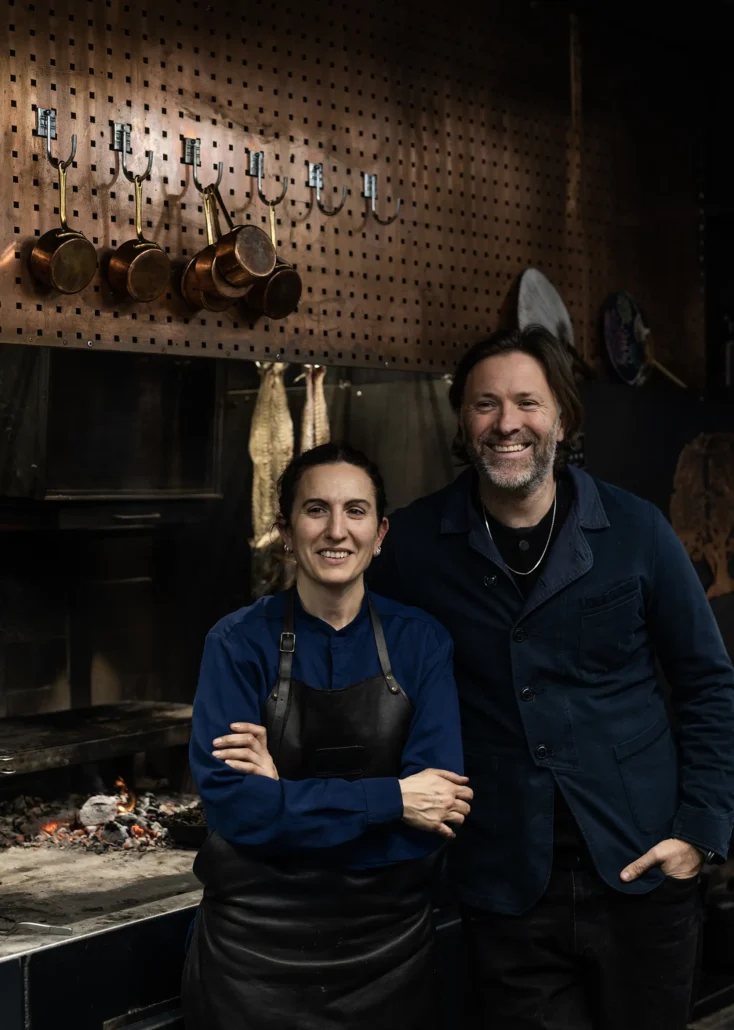
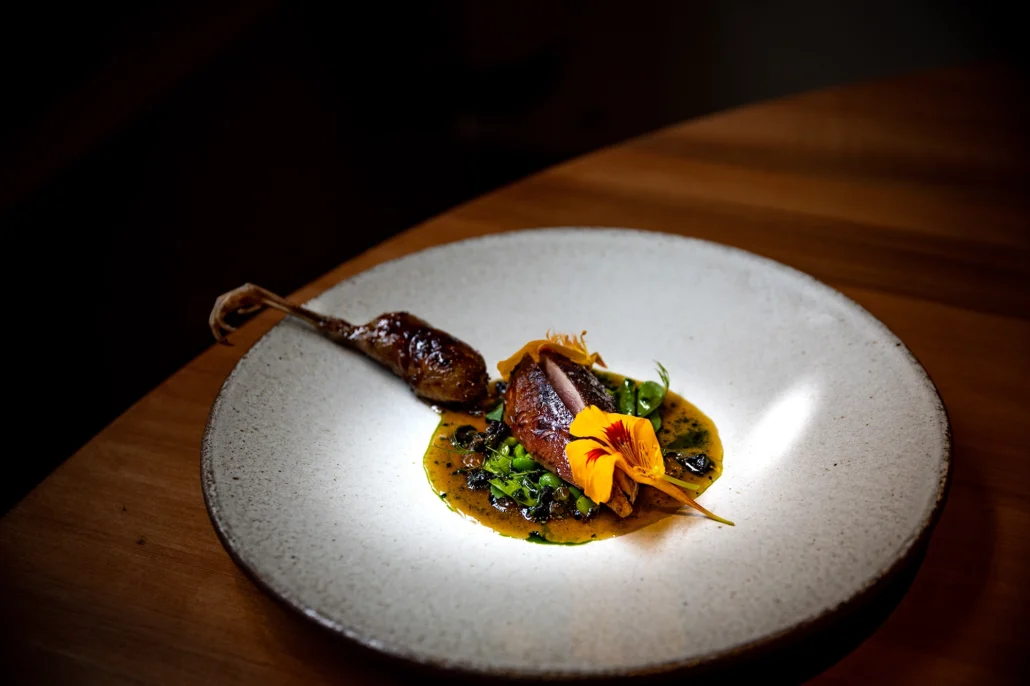
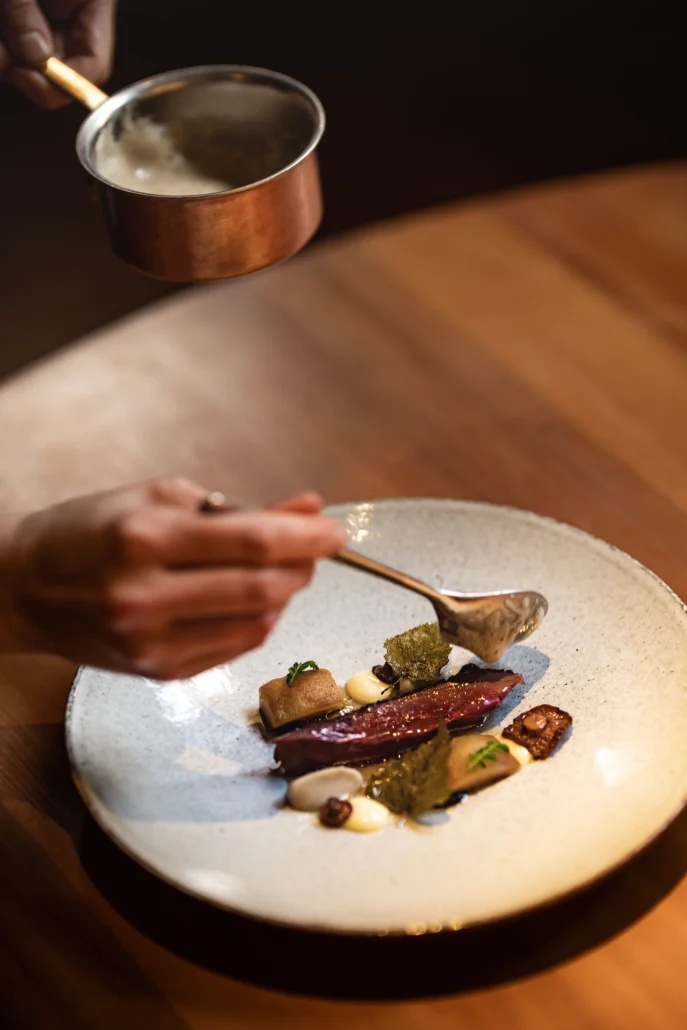
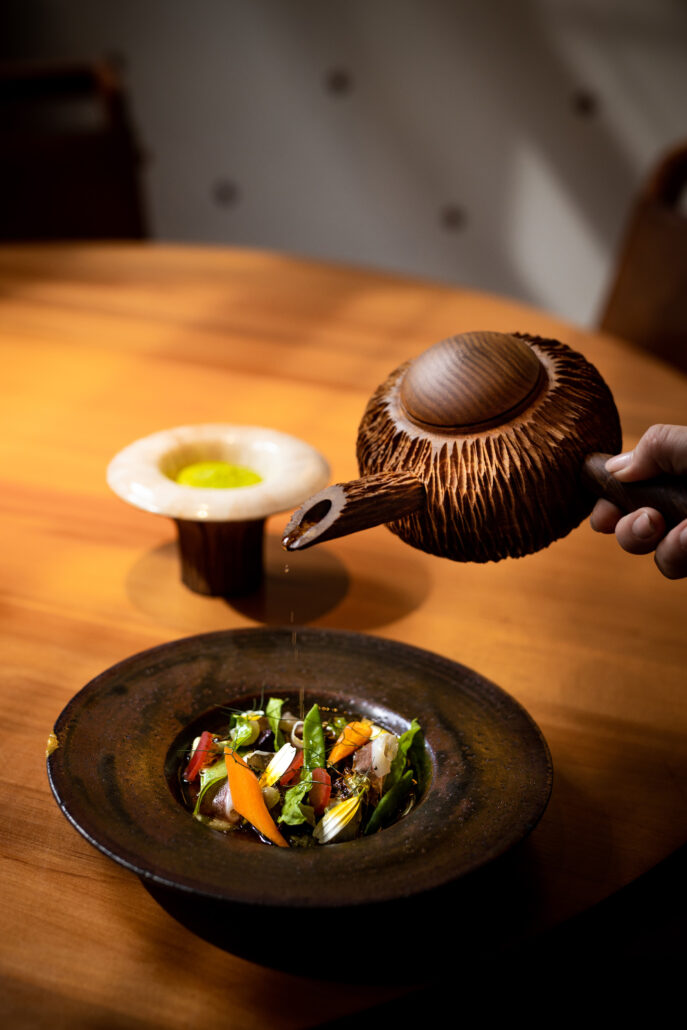
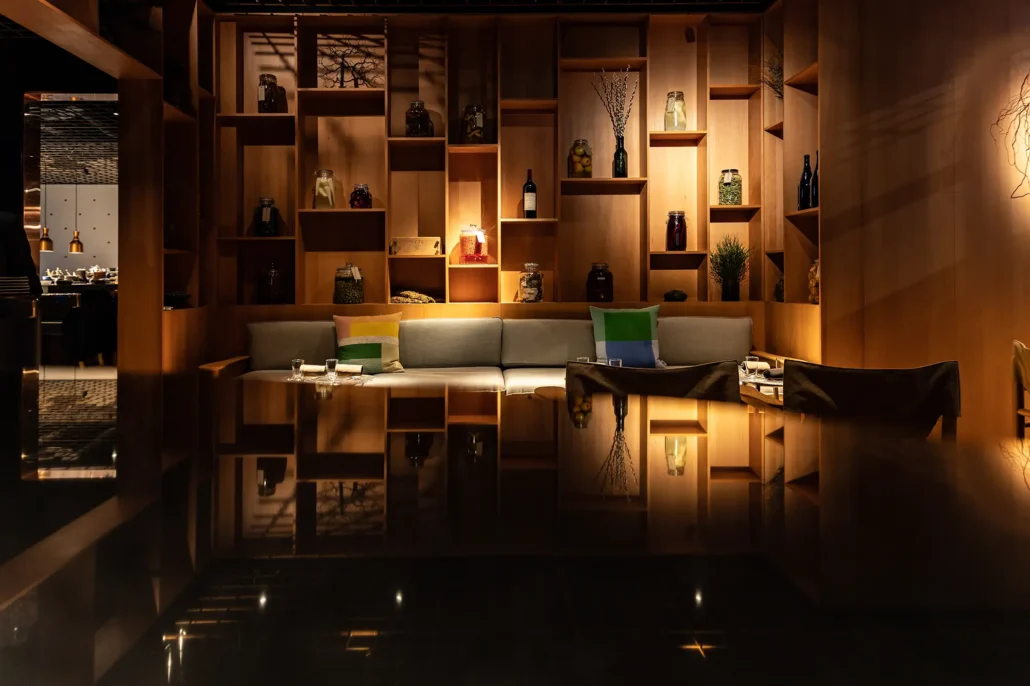
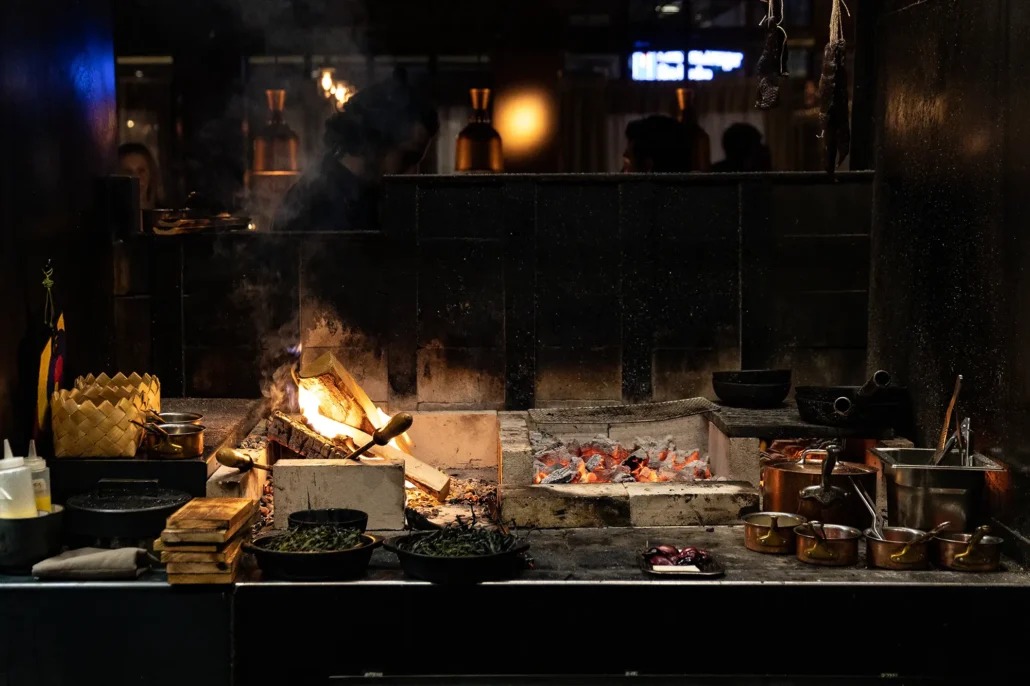
All pictures of Ekstedt are from https://ekstedt.nu/
Thalía Barrios
On the other side of the world, in Mexico, there is a young chef who learned to cook over fire long before she ever considered a professional kitchen. Not as a stylistic choice, but as a natural condition. She is Thalía Barrios, born in 1996 in San Mateo Yucutindoó, a small community in the district of Sola de Vega, in Oaxaca’s Sierra Sur. Her cooking begins there, in the pueblo where food is still shaped by what truly exists: family, an ever-present fire, and long stretches of time.
Thalía’s work today begins with a desire to share the culture, gastronomy, and traditions of Oaxaca, not to “reinterpret” them or “save” them. Words matter to her. She does not speak of rescate (to “rescue”), because only what has already been lost can be rescued, and these cuisines are not. They are alive, practiced every day in homes and families.
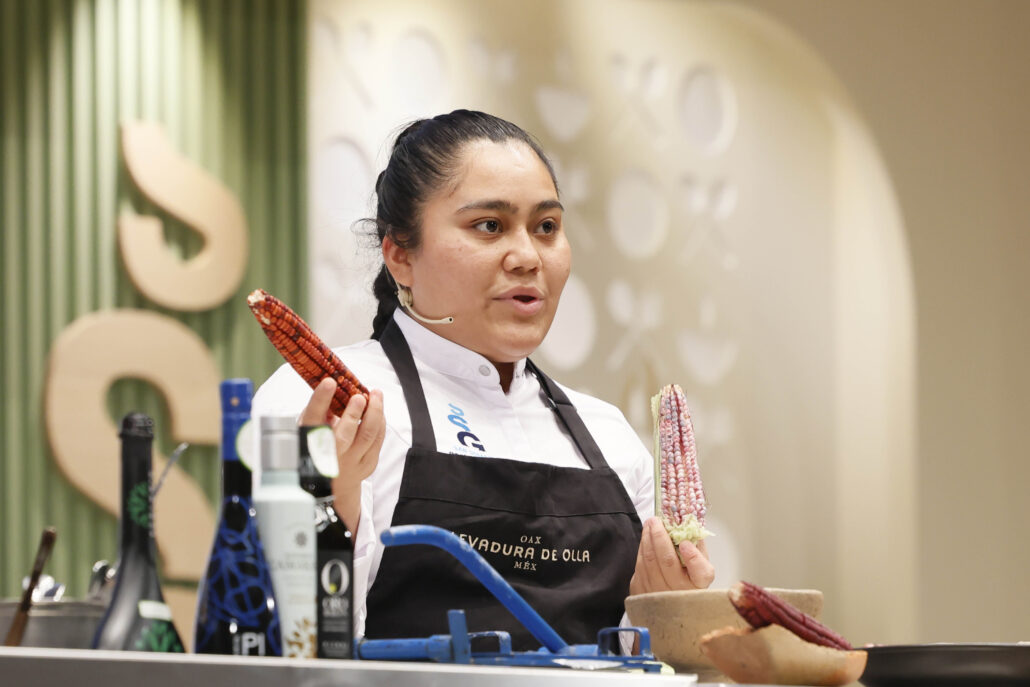
By the age of seven, Thalía is already immersed in the daily work of a family kitchen, in a context where women traditionally cook and men work the land. But what she observes is not merely an assigned role, it is a choice lived with passion. Knowledge is passed on through observation, repetition, presence, and through the pleasure of cooking for others. Thalía proudly carries the legacy of a body of knowledge passed down by her mother and her two grandmothers: her paternal grandmother, who was the first to open a comedor (a small local restaurant) in the pueblo (now run by an aunt) and her maternal grandmother, elected as the village cook for the tamales de boda (wedding tamales), a role not inherited but earned through time, work, and respect.
When Thalía decides to study gastronomy, she makes a rare move, one almost foreign to her world. In her village, few people leave to study, and even fewer to study cooking. Her parents were surprised: she already knows how to cook, so why study it? But she is determined, and has long dreamed of opening her own comedor. At university, an entirely new world opens up: she discovers the restaurant system, the figure of the chef, Michelin stars – and from there her curiosity grows. She travels, takes on apprenticeships, observes, and without direct role models, breaks barriers with courage and persistence.
At twenty-four, she opens Levadura de Olla, her first restaurant, carefully conceived and built, which receives a Michelin star five years later – a dream comes true. The logo of the Restaurant encapsulates her vision and is a declaration of intent: a person removing their head – depicted as a cooking pot – and placing it in front of them. It is a symbolic gesture that puts knowledge out in the open, ready to be shared. Thalía does not believe in secret recipes to be guarded or hidden; for her, knowledge only has value if it circulates, if it is passed on. This is why Levadura de Olla is not just a restaurant, but a shared, open space for the community, where workshops, educational moments, and gatherings take place, turning the restaurant into a true site of exchange and openness.
The restaurant thrives, but during the pandemic time slows down. And in that suspension, Thalía feels the pull of something she grew up with: fire. La Cocina de Humo is born almost out of necessity. In a space at the back, she begins building a kitchen with her own hands, using barro (clay), to make tortillas and cook over live fire. Guests start asking what is happening behind the scenes, and word of mouth does the rest.
Once again, fire calls.
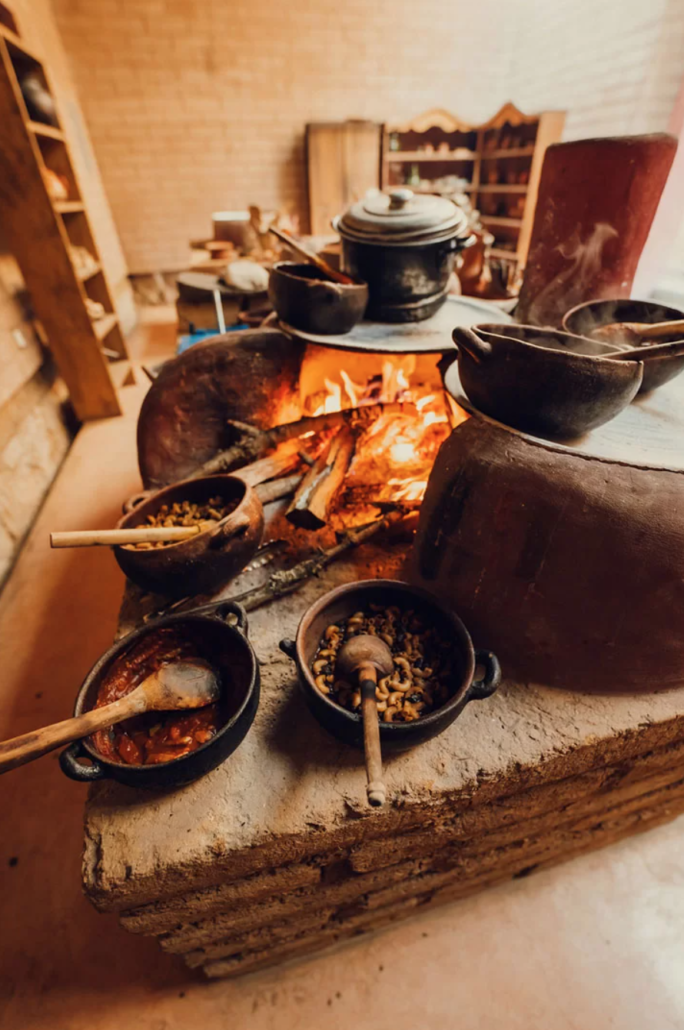
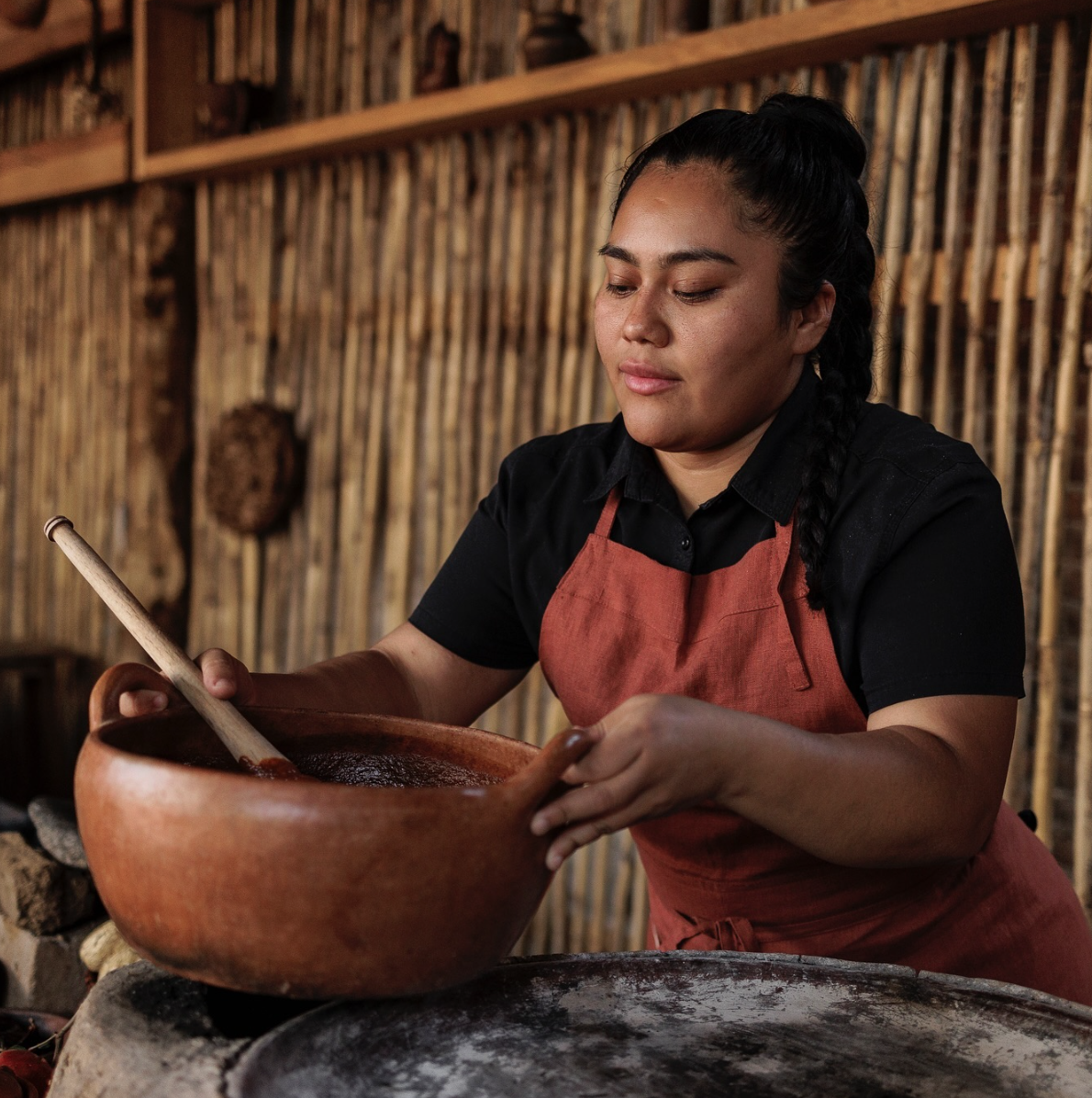
For Thalía, fire is hogar, it’s home. Keeping it lit means that life is present, that something is happening. At La Cocina de Humo, there is no distance: nothing arrives plated, there is no fixed menu. You eat what is being cooked in that moment, in front of the cooks, with seating for no more than four. What you eat will not be served to anyone else after you. It is an unrepeatable, ephemeral, deeply human cuisine, one that tells the story of its territory.
Through her cooking, Barrios continues to do what she learned as a child: cook for others, share knowledge, keep the home alive. In her work, fire safeguards a collective memory, the memory of the women who before her kneaded, toasted, dried, and ground. It is a root, but not immobility: a way of sustaining the continuity of a culture that survives through everyday gestures. And its value lies precisely there, in that persistence that moves across generations without ever losing its voice.
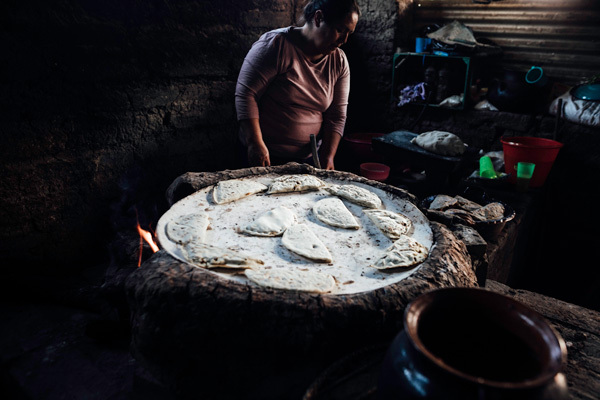
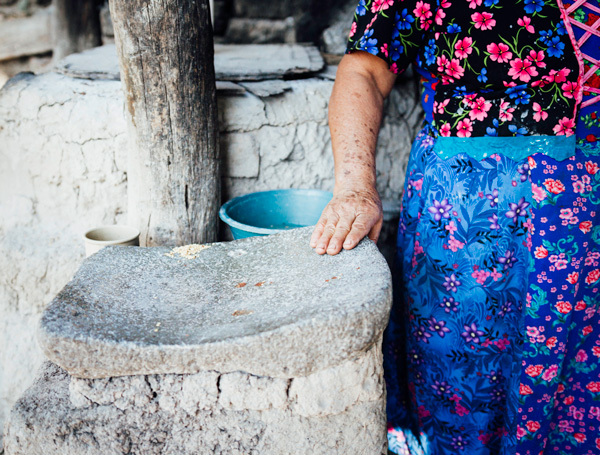
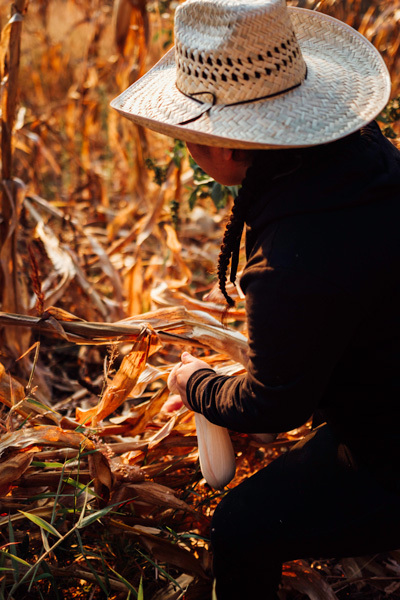
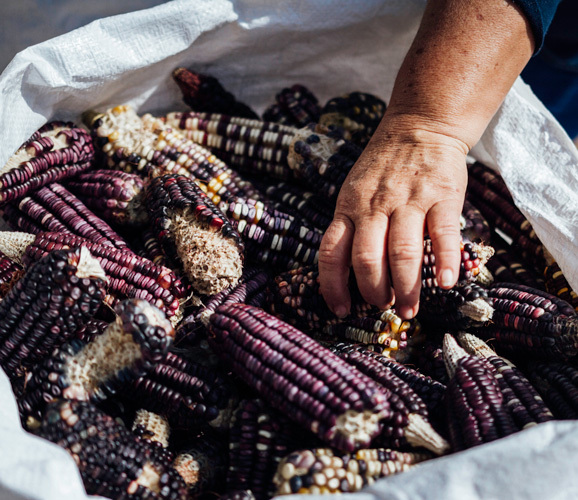
All pictures of Thalìa Barrios are from https://lacocinadehumo.com.mx/
Mexico and Sweden could hardly seem further apart, whether in climate or in culinary culture. And yet, in observing the work of Thalía Barrios and Niklas Ekstedt, a shared thread emerges that runs through both of their kitchens: fire, not merely as a tool. From the cast-iron stove to the clay-built kitchen, fire becomes a meeting point, a place where technique and culture give way to the necessity of transforming matter with honesty – a choice that speaks to who they are, even before of how they cook.
San Sebastián Gastronomika holds this power: to bring distant worlds closer, to open dialogues between visions born in opposing contexts, and to give space to those who innovate, who break barriers, and who are not afraid to put themselves on the line.