You know that moment when you decide to turn your life around?
To change course, reset the GPS toward a new destination, or take a different road, choosing the mountain pass instead of the tunnel, knowing it will take you longer to get there.
Leaving a job, starting a new project, changing your lifestyle, or parting ways with someone you’ve loved for a long time. At the root of such a radical change, there’s always a question, a doubt, a spark burning inside that pushes you to turn the page, to act. Whether it’s a rational, deliberate choice or an instinctive, inexplicable impulse, it remains a turning point, a moment of transition, and – almost always – an opportunity. This is a “Feral moment.”
When a company’s name becomes a noun, it means it’s no longer just a company. The word begins to represent an idea, or rather an ideology, and to generate a shared culture among people, both inside and outside its community. It becomes an ecosystem. And within this ecosystem, Feral is also an adjective (“you’re very Feral”). Let me explain.
Feral is an innovative startup from Trentino that produces fermented, non-alcoholic botanical beverages. Why a startup, you might ask? There are certain traits that define it. A startup is young (both in years of activity and often in average age), dynamic, and innovative. It operates in a context of uncertainty – when you create something new, you can never be sure it will work – but precisely because it’s small and agile, it can test quickly, recover from setbacks, and reach its goals through dedication and consistency. In a startup, you do “a bit of everything,” and adaptability is a key skill, because you never know what kind of unexpected chaos tomorrow might bring.
To launch a startup, you need vision and, above all, courage. It’s a puzzle to be solved.
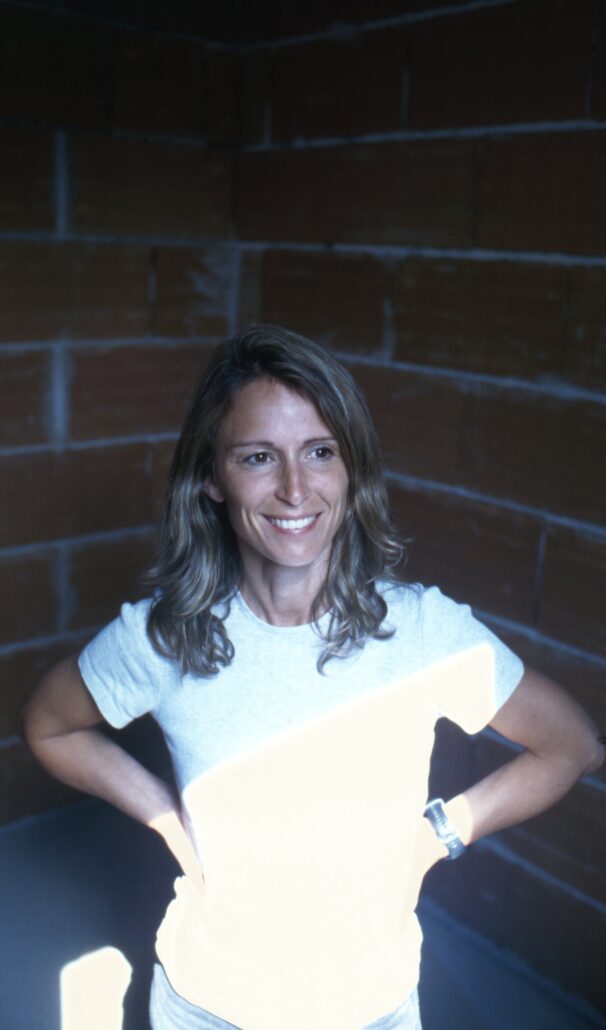
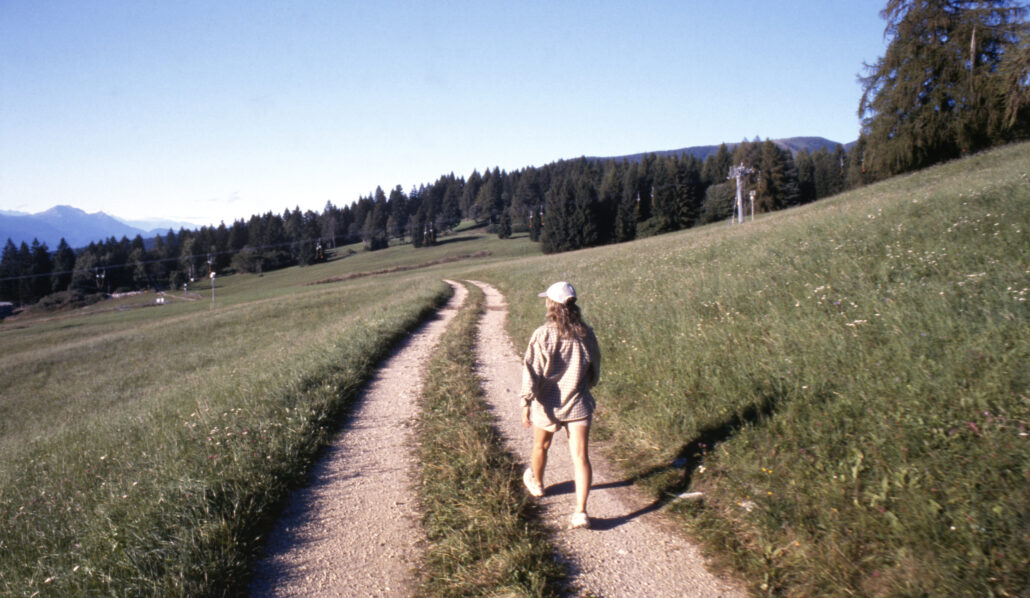
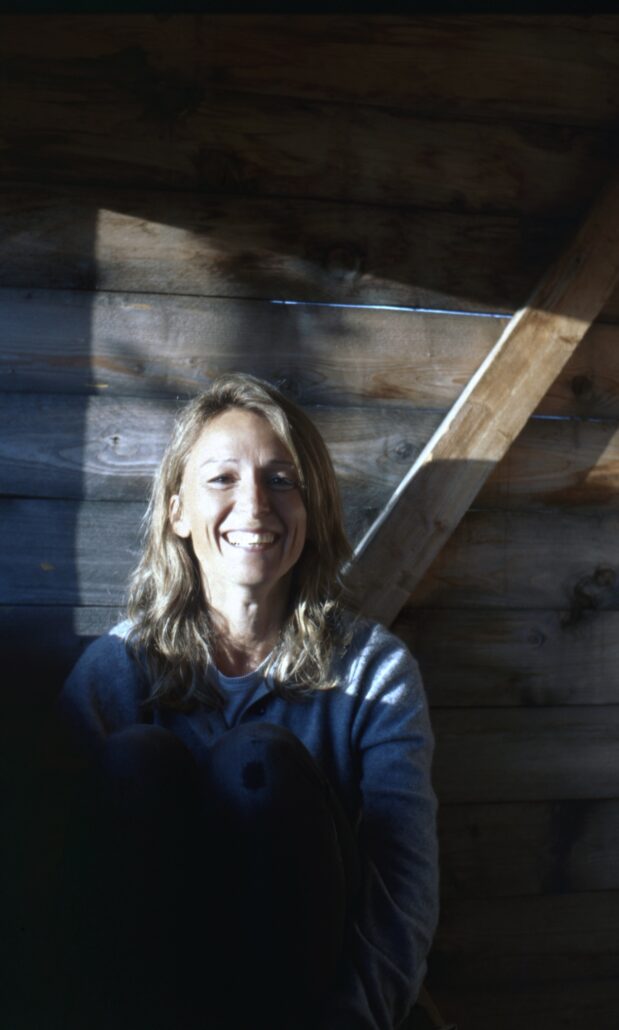
It all starts with Maddalena Zanoni: small only in stature, but big in everything she does. She has a radiant, full-toothed smile and unstoppable energy. Decisive and demanding, kind and empathetic, she manages to balance heart and mind like few others. She grew up between Trento and Coredo, in the Val di Non (“My blood is 100% Noneso”), where as a child, together with her mother and two sisters, she taught ice skating and ran art workshops for children every Sunday in the town square. Ideas of her “hippie” mother, Patty, who, in hindsight, “is very Feral, very free.” So much so that today, when Madda picks up her son after a day with Grandma Patty, she might find a few arugula leaves in his diaper. And that’s just fine.
Creativity, improvisation, but also discipline. During those summer weekends filled with workshops, Patty passed on important life lessons that can’t be learned in school: the balance between fun and a sense of responsibility (“I’ve been working since I was six,” says Madda) and the ability to put yourself out there (“I had to teach kids who were older than me”).
With that foundation, Zanoni took off and moved to Milan to study at Bocconi University, with a master’s degree in Barcelona. From there, she began her climb up the corporate ladder – first at Bain & Company, an American consulting firm, and then “poached” by one of her own clients, Alpro (smart move!), which offered her a job in Belgium.
But that still wasn’t the Feral moment. After a few years, Alpro became part of the Danone group and things started to change. She was offered the role of country manager for Italy and so she returned to Trentino, but the first question marks were already beginning to appear. She took a two-month leave of absence and retreated to a mountain hut where she reconnected with nature and with her passion for botany, and – let’s face it – got a little bored too. She came back, but something still didn’t feel right. Inevitably came the fateful crossroads, “the moment of disruption” in which she decided: “I’m giving myself two years and instead of doing an MBA, I’m starting a startup.” It was January 30, 2020.
Today, Feral ranks among the most innovative startups in the no/low-alcohol sector, a market that reached 9 billion euros in Europe in 2023 (+17.3% in just two years) and continues to grow. Driving this expansion have been, above all, beer and non-alcoholic spirits. But from the very beginning, Maddalena’s goal was not to enter that segment, but rather to identify an untapped niche. The market offered plenty of kombuchas and juices, but something was missing in between: a fresh drink with just the right acidity. An non-alcoholic product designed for restaurants, capable of accompanying meals with the same care and refinement as a good wine.
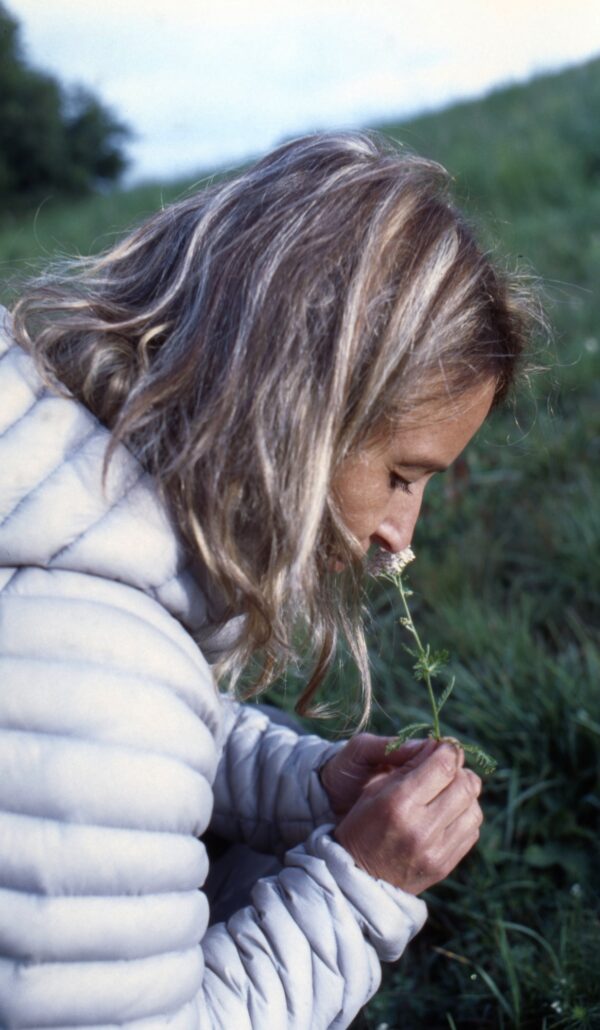
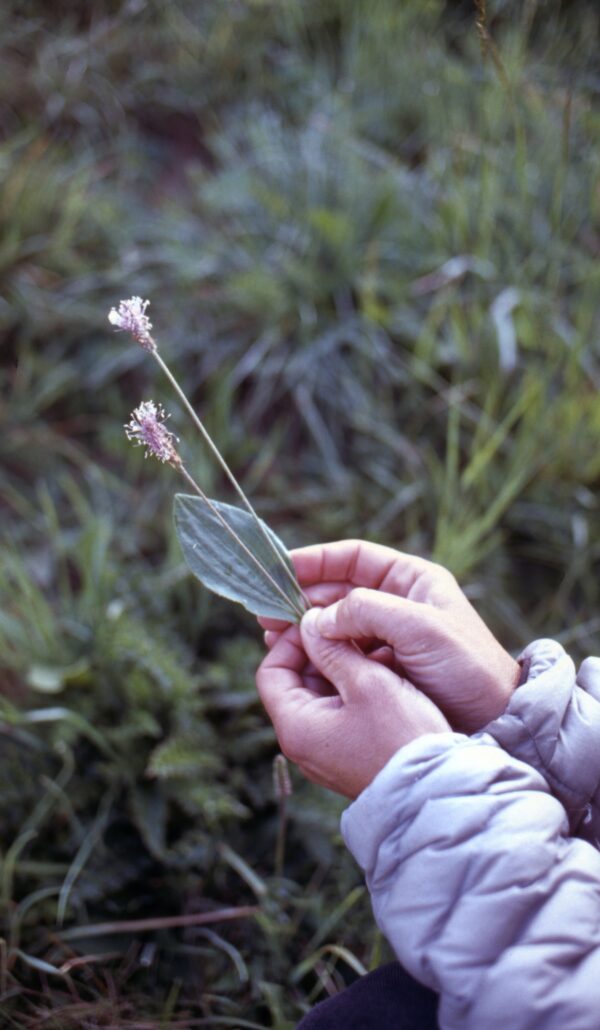
Zanoni goes back to studying: she delves deeper into botanicals, flies to Copenhagen to visit Geranium, tastes, travels, experiments with the help of her biologist friend Floris Combes in Belgium, attends the AIS sommelier course, and then enrolls in Il Fermentalista, a course taught by Flavio Sacco in Bologna. And that’s where she meets Sebastiano Pontalti. “In the front row, there was this guy answering every single question. A total nerd. So I went up to him and asked if he had something going on.” As luck would have it, he was right in his own Feral moment.
A microbiologist by training, Sebastiano had embarked on a PhD in Marburg, Germany (a city in Hesse about 100 kilometers north of Frankfurt), where he studied pathogens, particularly a bacterium responsible for cholera. “I had fallen a bit too much in love with theoretical science,” he recalls, and something was missing from his work. Meanwhile, he was fermenting anything he could get his hands on in his basement.
Wanting to get closer to the kitchen, he decided to drop everything, return to Italy, to Caldonazzo (TN) – “From the European excellence of molecular biology to my parents’ house,” he says – and start working in a restaurant, beginning again as a dishwasher. The team spirit, so diametrically opposed to the isolation of the lab, immediately won him over, and that’s how he began to approach the culinary world while continuing his fermentation experiments on the side. Aware of his own limitations and of the need to keep learning – “you have to question yourself and, with a lot of humility, start from scratch” – he used the last of his savings to enroll in Flavio Sacco’s Il Fermentalista course in Bologna. Voilà.
The third piece in Feral’s founding story is another home fermenter, Andrea Frigerio, who comes instead from the world of beer. Passionate about food from an early age, he attended culinary school and gained his first experiences in the kitchen just long enough to realize it wasn’t for him. The environment, the work, the waste, something didn’t sit right with him. He changed course and enrolled in Food Technology at the University of Milan, where, thanks to his classmates, he discovered home brewing. What began as a hobby soon turned into an obsession: kits, fairs, and nonstop courses, leading to his first job in a brewery in an area densely populated with independent producers in Brianza. After years at Birrificio Rurale and a crucial experience in Rome where he led the reorganization of Birradamare, doubling its production, he realized it was time for a major change. Something was missing, a bit of soul, a more authentic dimension. So he didn’t let the chance for a major change pass him by; he returned to the North, to the mountains, and joined Maddalena and Sebastiano in what was still, at the time, just an idea, a dream.
Summer 2022: the warehouse arrives, “a concrete cube” in Mezzolombardo. With an extractor, a Thermomix, a Rohner, and a fridge, the trio begins working on their first recipes. Everything is new, and the initial tests are far from simple. Their Belgian friend Floris lends a hand with the structural and regulatory side of things. “Permits, shelf life, allergens… In food, that’s essential,” says Maddalena. “You can’t improvise like in a startup; you have to do things properly.” The recipes start to take shape, and during bottling sessions, family and friends rush in to help. A small production is thus born. There’s a real buzz in the air.
January 2023: just like in a movie, so surreal it almost feels scripted, comes “one of the toughest moments ever.” Maddalena had just given birth and was still in the hospital when she got a call from the team at the lab. They hadn’t wanted to bother her, but there was a problem: a contamination had compromised the entire production. Everything had to be thrown out and restarted from zero. A hard blow, but not enough to sink them. The startup spirit, their teamwork, and sheer determination kept them focused, and together they managed to overcome even this. Madda shows me videos from those postpartum days: her in the office, with her partner Fred running – like the true athlete he is, able to balance pleasure and duty – pushing the stroller with the newborn inside.

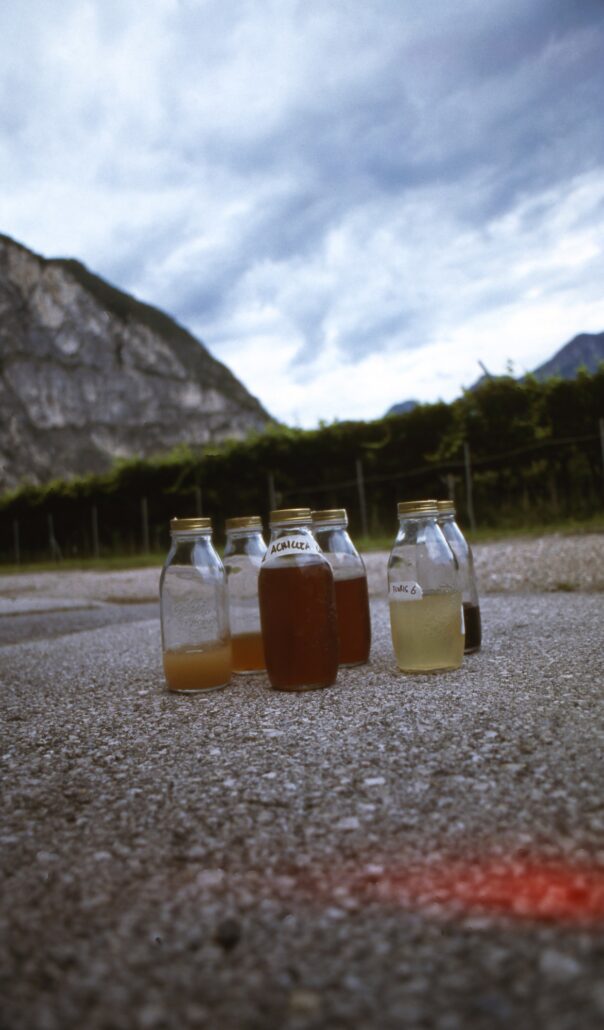

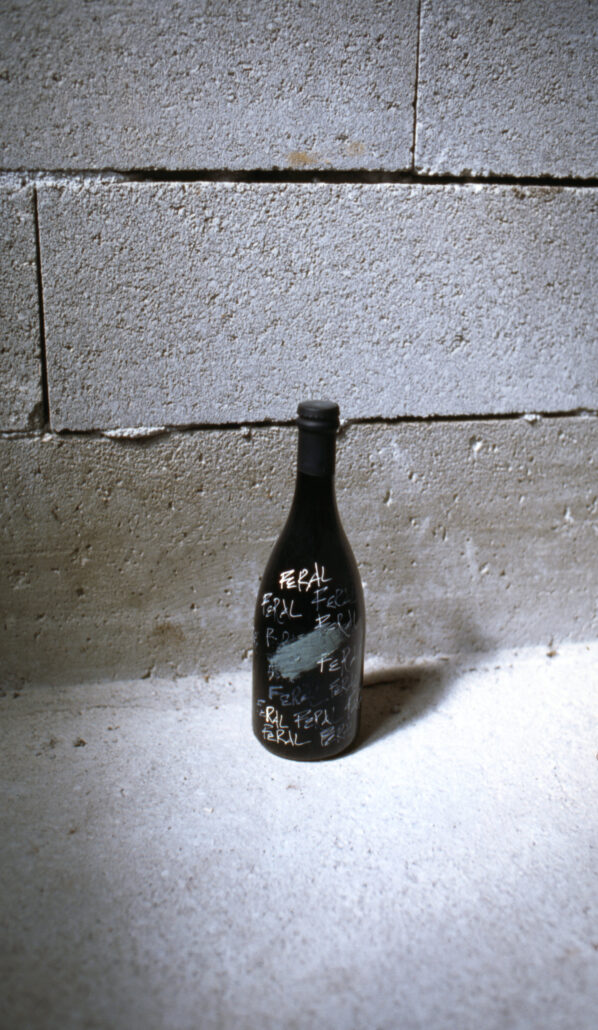
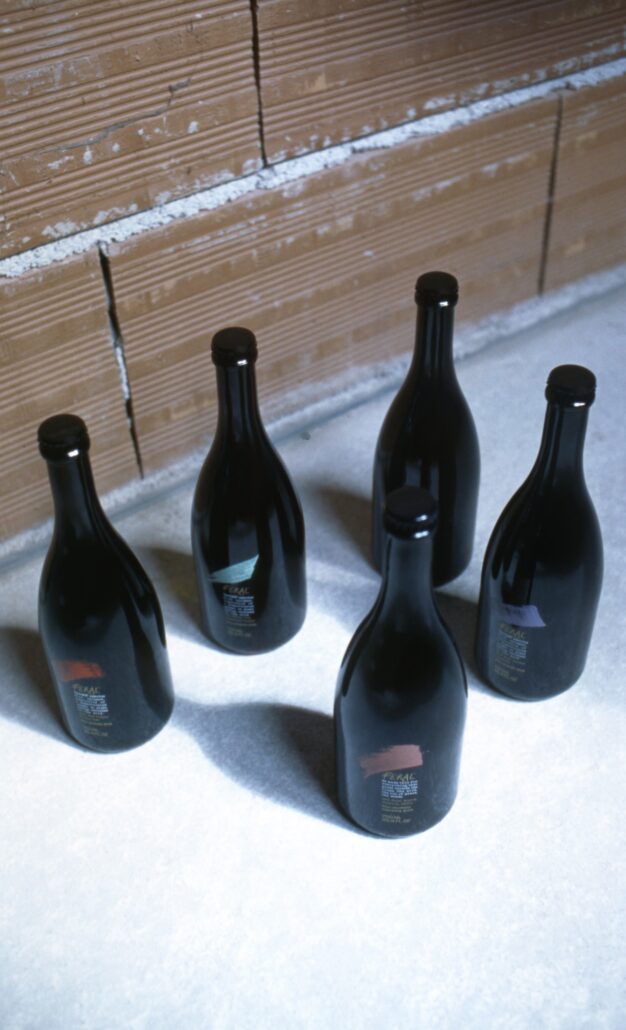
Rolling up their sleeves, that same year the first four bottles arrived: N.1, N.2, N.3, and N.4. On each bottle, a brushstroke of color serves as a signature mark, initially hand-painted one by one and now silk-screened. All of them share the same base: beetroot, both white and red, because, as Maddalena says, “we like the underdog ingredients.” The process is lactic fermentation: lactic acid bacteria feed on the sugars naturally present in the beetroot, break them down, and transform them into lactic acid. This is what gives the drink its perfect acidity, making it ideal to accompany meals. Refreshing rather than cloying, it stimulates the palate and invites you to take one sip after another. Each beverage is infused with different herbs and spices, each with its own personality and designed for different pairings. All bottles are pasteurized, a necessary step to ensure food safety and shelf life, since no preservatives, sulfites, or other additives are used. It’s nature in its purest form. And you can taste it. Let me introduce them to you:
N. 1
Fresh and citrusy, perfect to pair with appetizers, fish, or white meats. Made with white beetroot, infused and macerated with two types of hops, Sichuan pepper, and chili.
N. 2
Also based on white beetroot, it has a bit more body but remains refreshing. Ginger, allspice – which lends a festive, almost Christmassy note – and juniper berries. Excellent with Asian cuisine or alongside dessert.
N. 3
Here the base changes: red beetroot with wild blueberry and an infusion of thyme, Malabar black pepper (which Sebastiano describes as “a cross between black pepper and incense”), toasted oak, and chili. A fuller-bodied drink, ideal with red meats or aged cheeses.
N. 4
The second red: red beetroot and wild blueberry as the base, enriched with lavender flowers and macerated juniper berries. Comparable to a young, easy-drinking red wine, perfect with cured meats, fresh cheeses, or a slightly fatty fish.
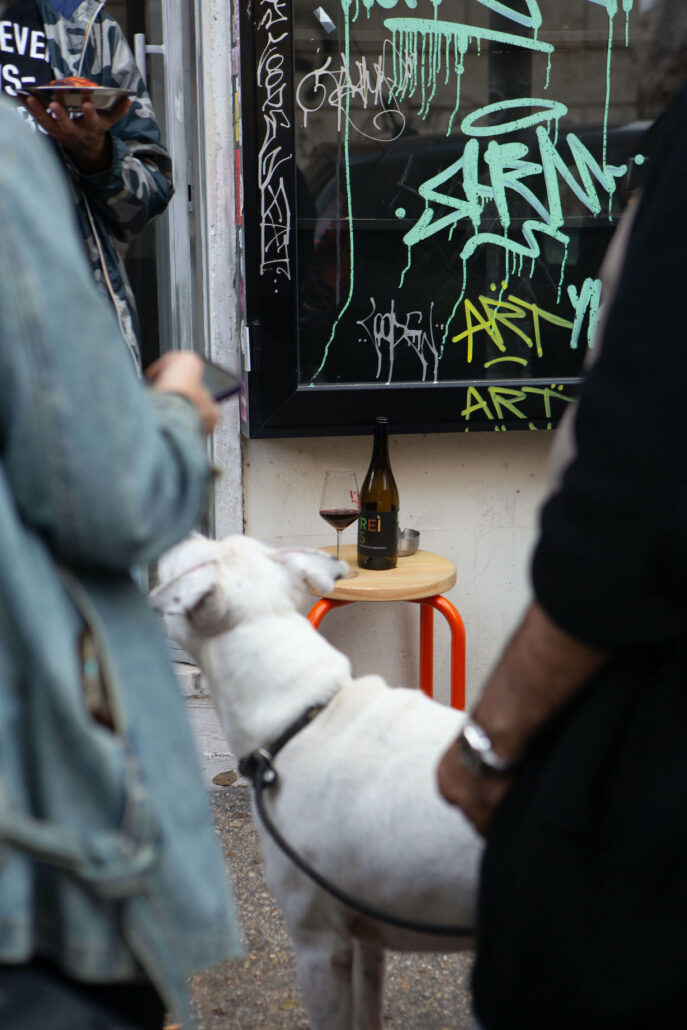
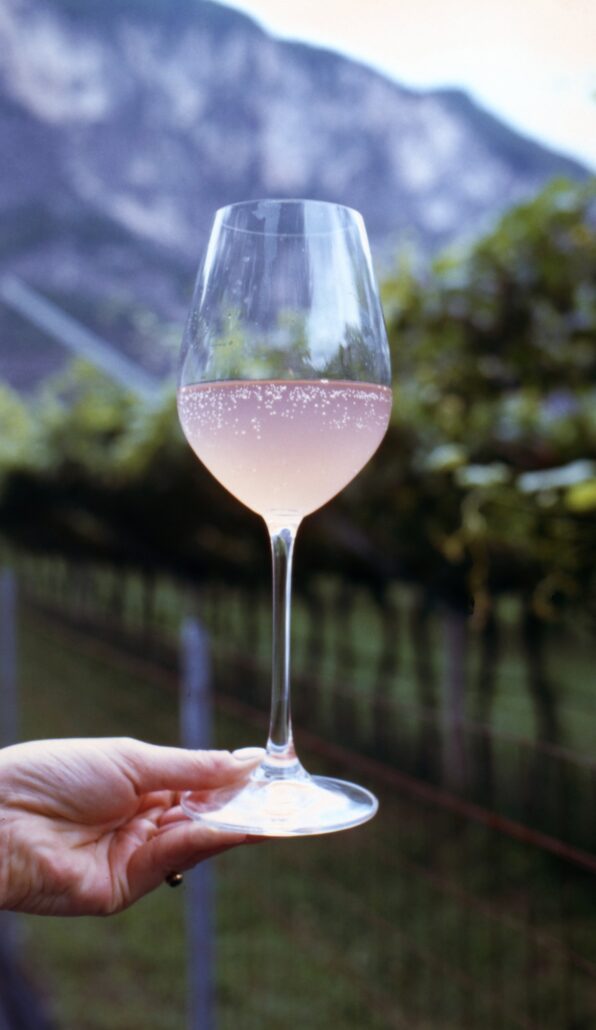
Established, ready, and sailing full speed ahead, Feral begins to take off. The international market welcomes them right away – the Nordics, as we know, are often a step ahead – while in Italy, growth is slower but steadier over time. The bottles find their place in wine shops and in over a hundred Michelin-starred restaurants. Strictly served in a wine glass: because they are as dignified as alcoholic drinks and have nothing to apologize for.
And then… as in the cyclical time of the Ancient Greeks or Nietzsche’s eternal return, comes that moment when the circle closes. With a bit more grounding and a touch of maturity, the cycle inevitably completes itself. And right away, a new phase opens, ready to begin again.
You know that moment when, almost suddenly, you recognize yourself?
You know that moment when, almost suddenly, you recognize yourself? Not with the naivety of a first discovery, but with the mature awareness of being in a constant state of becoming. Of knowing that tomorrow you could change again, and that precisely in that movement lies the beauty: because every transformation brings you a little closer to yourself.
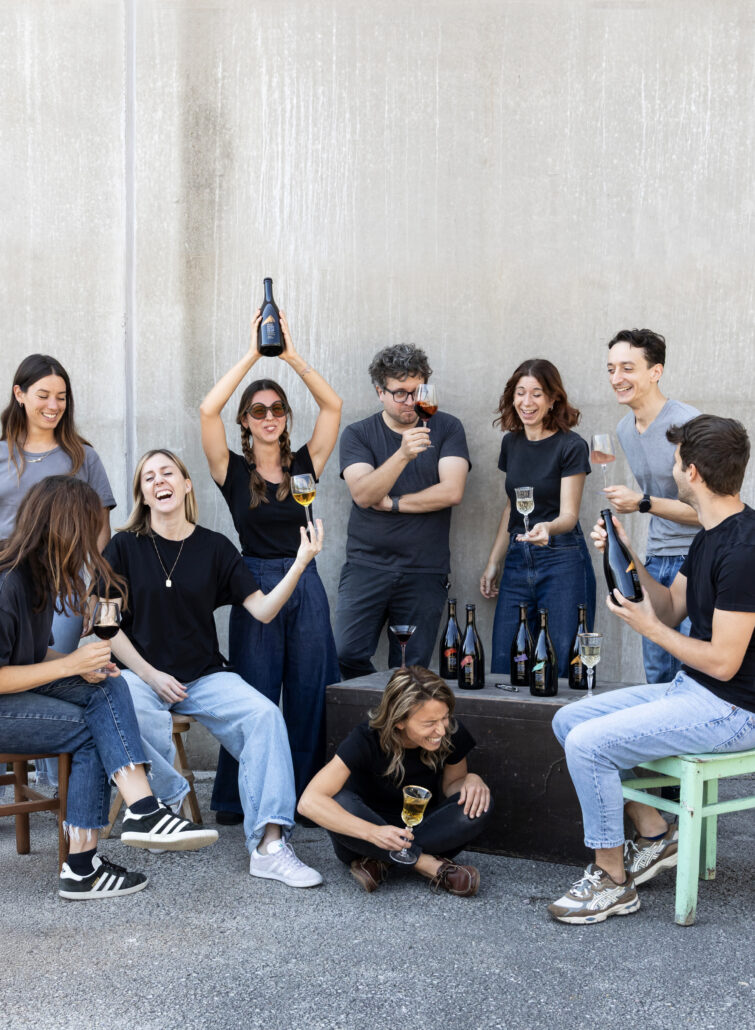
This is Feral today. With a more mature perspective, it has grown into a team of ten people who, in the end, choose to be there together. Because if you’re not “a little Feral,” you simply don’t fit in.
The harmony is tangible, you can feel it, in that “concrete block” (the fermentation room and office) that Maddalena once described as “ugly, with that wall of apple crates behind it.” Today it has become a defining feature: “It represents us.” “We’re not the Dolomites,” she says, “we’re the lower mountains of our valley, the scruffier ones. But we like it that way. We’re more like the forest in the rain than the bright sun with a blue sky.” A new phase, tailor-made: regenerative, grounded, contagious.
The symbol of this new beginning is the fifth bottle, N.5. A new direction, born from the desire to give voice to an almost forgotten story, that of weeds, of “out-of-place” plants. But who decides what’s out of place and what’s exactly where it’s meant to be? Who defines the value – or lack of it – of a plant, an idea, a person? And what if the “wrong place” were, in fact, the right one? The result of this reflection can be found in the bottle itself.
N. 5
During the creation phase, the Feral team drew inspiration from the surrounding nature and discovered birch sap, harvested during the brief spring period when the liquid flows from the roots to the highest branches to nourish the leaves ready to be reborn after winter. From it, they obtain a clear and sweet liquid, fragile yet full of life, to which they add aronia berries and infused botanicals: verbena, yarrow, horseradish, and above all nettle, the queen of weeds. Unexpected ingredients that together create harmony and give life to a fresh, light drink, perfect for an aperitivo.
The method is ancestral: one of the oldest ways to capture bubbles in a bottle, here reinterpreted in a non-alcoholic key. No longer bacteria, but yeast; a controlled fermentation that stops before exceeding 0.5% alcohol, the threshold that allows it to remain within the “no alcohol” world. The result? A fine bubble, a dry and elegant profile, a fragile yet innovative balance maintained through a careful play of temperature and timing. A bottle that speaks of rebirth, of forgotten plants, and of the beauty of regenerating in ever-new forms.
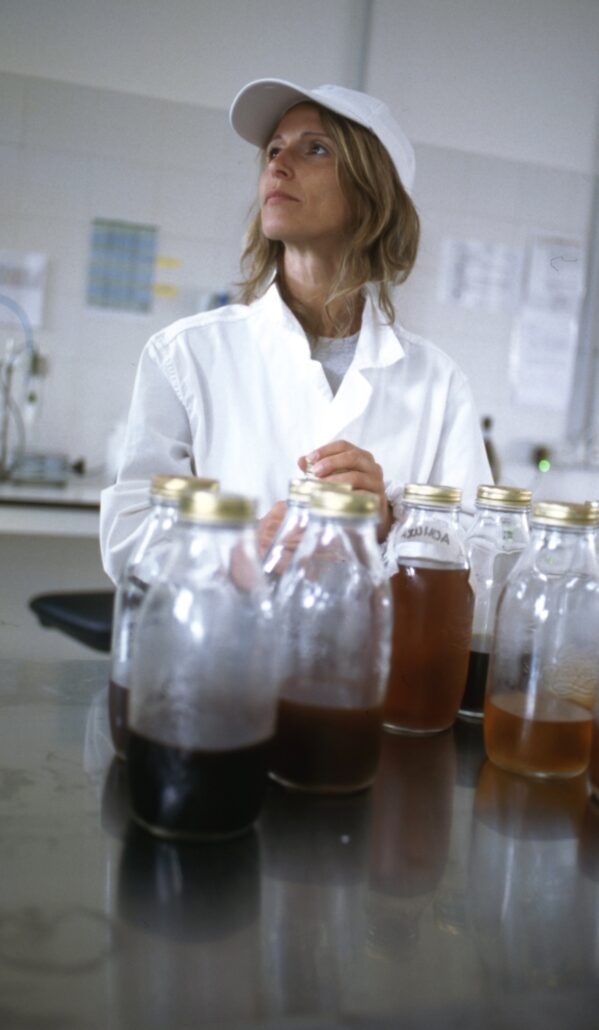
Feral is experiencing a season of creativity and community. A new Limited Edition recipe is on its way (keep an eye out, no spoilers!), and in the meantime, a real community is taking shape. An extension of their Club Smanettoni (ed. note: their “Tinkerers’ Club”): a small internal ritual within the startup where anyone on the team who wants to “get their hands dirty” can experiment with recipes, suggest ingredients, and give feedback. Because, as Sebastiano reminds us, “recipes are made together: they are the celebration of a common effort.”
From here comes the next step: opening their doors to the public with the Feral Collective, a subscription-based club designed to celebrate experimentation and open to anyone who wants to take part in the process, test prototypes, and share dreams.
A subscription for sharing, not for selling (Noma-inspired? Yes, but with a far more authentic and direct connection). The recipes will reach subscribers as imperfect drafts to be completed together: what will end up in the archive of “crazy experiments,” and what will actually see the light of day? A space for dialogue and discovery, a platform for meeting like-minded people and to let yourself be surprised. A place where even Sebastiano’s recipes, so far deemed “too nerdy” by the Feral Tinkerers, might – who knows – be appreciated! The journey has only just begun, with the first box arriving in November, just in time to become an unexpected gift.
Feral’s strength lies in its people. In Andrea’s words: “Here, it’s not about the individual, but the team. We’re like ants or bees, it’s the collective work that makes the difference.” The Feral crew are startuppers and gastronomes, foragers and fermenters, but also proudly scientists and nerds. And today, the community opens its doors wide: those who enter find curiosity intertwined with passion, experiments that become stories, ideas that blossom. It’s a place where playfulness and rigor coexist, where every bottle, every botanical, every attempt is a step toward something greater. Here, you don’t just observe: you participate, you contribute, you grow.
And in this vibrant space, anyone willing to dive in can truly feel, even just a little, Feral.