A.D.C. is born, a new distillation hub (and more) curated by Oscar Quagliarini.
Creating a new product to introduce into the liquid market has become a challenging task from multiple perspectives. Economic, commercial, strategic, cultural, consumerist, where the degree of knowledge and interpretation of the sector itself indeed carry weight, but only to a certain extent. There are numerous factors to consider, both in terms of planning and unpredictability, and this is certainly one of the reasons why some still may not necessarily consider creating something that is missing.
Especially in the world of spirits, there are increasingly more people studying an existing type of product capable of becoming a means of communication, a positioning tool, a way to create community, a liquid vanity tool for the pleasure of having a design and presence reference.
Anonima Distilleria Creativa (A.D.C.) is a benefit company created by three established entrepreneurs in the food, fashion, and design industries. With a strong entrepreneurial and managerial vision, they saw the potential for an “enhanced” approach to mixing. Creativity, aesthetics, culture, and product quality are, in summary, the manifesto of a new reality that aims to be a multidisciplinary platform for research, ideation, and production for themselves – and possibly in the future for third parties. Paolo Mereghetti, Giuliano Mosconi, and Riccardo Bilancioni may not be experts connoisseurs in the world of mixing, but – as often happens to those who observe from the outside – they have a clear idea on how to transform a product into a status, an icon of style, lifestyle, and taste.
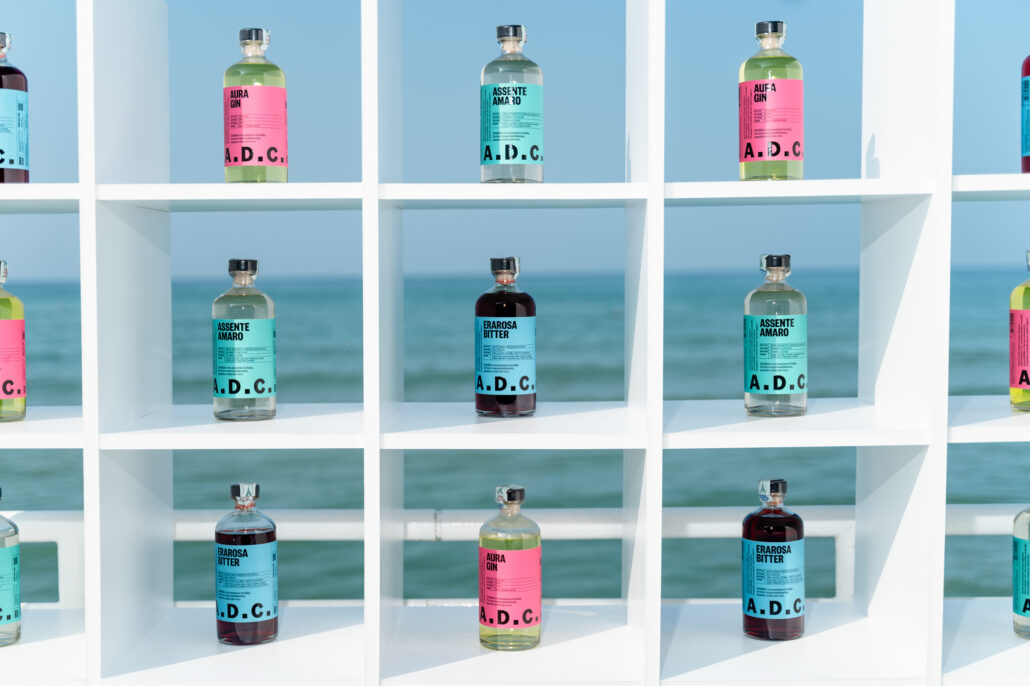
“Taking a bottle in hand and noticing at first glance that it is not the classic label, not the typical name, and not the usual schematic cage of information was our ‘conditio sine qua non.’ Aesthetics is the primary driving force towards the consumer, naming plays its part, and when the product falls into the hands of someone who can enhance it, we let it tell its story and express itself,” recount the founders. Ensuring the uniqueness and non-triviality of a new production is the signature of Oscar Quagliarini, one of the greatest noses in Italy, a specialist in creating perfumes (edible and non-edible), olfactory experiences, and sensory imagery, as well as a professional in the world of mixology with over thirty years of experience. “The first A.D.C. collection is a unique exploration between the art of perfume and experimental distillation. It’s a meeting of worlds that communicate through emotions, aromas, and imagination. […] We celebrate the best of Italy — extraordinary ingredients and skilled hands — to create high-quality recipes that speak to all the senses. Each of our experiences is authentic, engaging, and profoundly contemporary.”
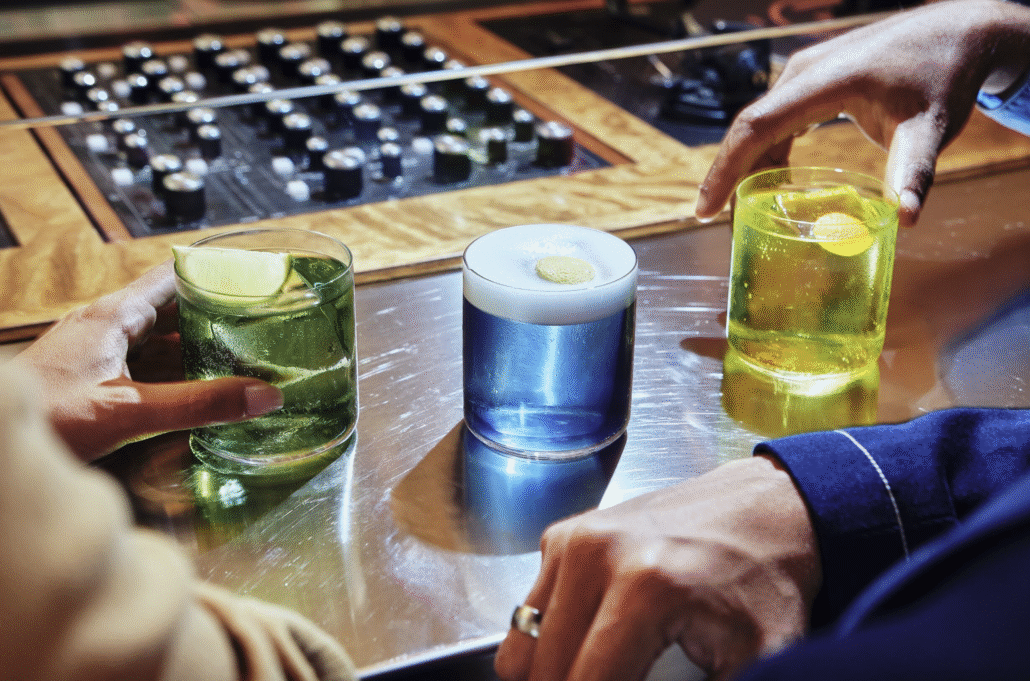
Assente Amaro, Erarosa Bitter, and Aura Gin are three labels that do not adhere to the classic category rules, precisely to differentiate and intrigue. Starting from the fact that the amaro is clear and not dark. “It has no color, and this is a definitely surprising factor for those who drink amaros after a meal, for example, however, this does not mean it lacks character,” explains Quagliarini. A delicate balance of bitter roots like quassia and cascarilla, with notes of jasmine, ylang-ylang, bergamot, grapefruit, and orange defining a more citric profile, resulting in a final liquid of 27% vol. On the other hand, Aura Gin presents the structure of a London Dry Gin, with juniper and coriander dominating the aroma, enriched by helichrysum. The gin is not white but iridescent yellow, with two distillations in a copper still, making it a product that entertains even before being tasted. Given the current trend, a bitter could not be missing. Erarosa Bitter was created based on the classic botanicals of the most well-known bitters – gentian, bitter orange, quassia – to which rose, Sichuan pepper, pink grapefruit were added. A soft, feminine product, balanced between bitter and sweet but with its own refreshing touch. A project that we hope can move with new, less known, and less trendy contemporary dynamics than traditional standards. And that, at least in part, could bring the consumer’s level of attention and participation to an unexplored stage of the mixed drinking experience.
A project that we hope can be propelled by new contemporary dynamics, less known and inflated compared to traditional canons.
And that, at least in part, could bring the level of attention and consumer engagement to a yet unexplored stage of the mixed drinking experience.