“At the time, I was hanging out with Robert De Niro, who was in Rome filming Once Upon a Time in America – the Sergio Leone movie – and he called me on the phone asking me what I was up to that evening. I told him I was going to dinner with Muhammad Ali and De Niro was excited, telling me he had always been a fan and decided to join us. After a while, I received a call from Sergio Leone, a bit annoyed truth be told, informing me that De Niro couldn’t make it because they had an important meeting that evening to work on some scenes for the film, so nothing could be done. I told him that I wasn’t really involved, I was just going to dinner with Muhammad Ali and Robert had decided to tag along. Hearing that, Leone insisted on joining us at all costs. So, I got ready and just when I was about to leave, the phone rang again. It was Nobel Prize winner Gabriel García Márquez, who was in Rome to have dinner with Sergio Leone and De Niro, but had just found out the meeting was canceled because of a dinner with Muhammad Ali. The moral of the story? We all ended up having dinner at Checco er Carettiere, and I remember we seated all the women on one side of the table and us on the other, as we didn’t want to be disturbed; we spent the whole evening asking Muhammad about his career and fights. He told us everything. Me, De Niro, Marquez, and Sergio Leone were all listening: we had all turned into kids again.” (Gianni Minà)
There can be no other way to talk about Checco er Carettiere, the Trastevere restaurant born in 1935, than to recall one of the most famous anecdotes told by journalist Gianni Minà. It was a historic evening that saw some of the greatest figures of the last century seated at one of the restaurant’s tables. A fundamental signpost in Rome’s culinary history, a family story that began over 80 years ago when Francesco Porcelli, known as “Checco,” and his wife Diomira took over L’Osteria del Burino, a once disreputable place. Checco, with his knowledge of wines from the Castelli Romani region that he transported for work, managed the wine cellar, while Diomira worked her magic in the kitchen. Since then, the restaurant has remained strictly a family affair: son Filippo, known as “Pippo,” took the reins in past decades, and now it’s the turn of Susy (handling the wine list and welcoming guests), Stefania (chef and dining room manager), Diomira, and Laura.
An avant-garde wine list was the first secret to Checco er Carettiere’s success: “It all started with wine. My grandfather wasn’t very familiar with the wines of the Castelli Romani area, but having an excellent wine list is what has always set us apart. Everyone went to Checco,” the Roman poet Trilussa used to spend time with Checco’s wine. In the 1950s, the restaurant became a landmark, attracting the great names of Roman Dolce Vita. People lined up to visit us for the excellent wines and my grandmother’s good cooking. It has always been a place of quality linked to the history of Rome,” passionately recounts Stefania, who divides her time between the dining room and kitchen and leads the new all-female management. A place that has withstood the test of time and changing trends without ever losing its essence or succumbing to the temptation of offering touristy (medium to low quality) dining experiences as unfortunately has happened (and still happens) in many other establishments in the neighborhood.
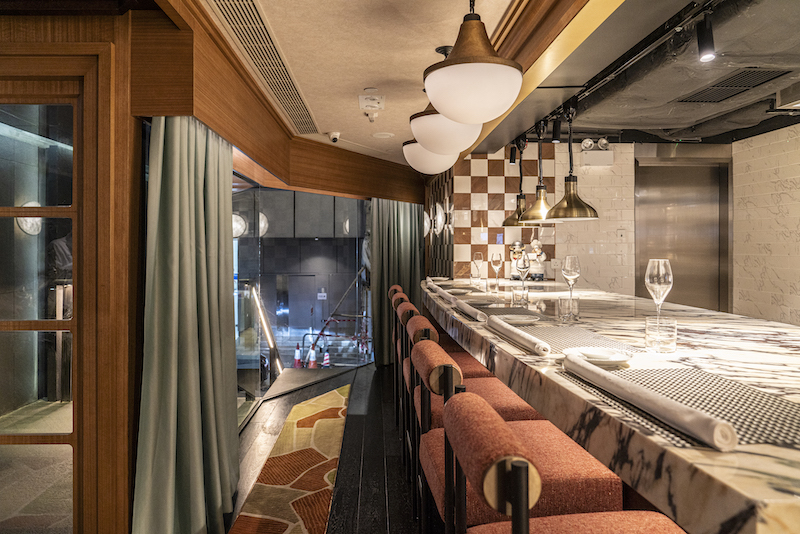
Consistency and authenticity are key elements in offering a traditional cuisine executed impeccably, a gastronomic proposal made of local ingredients in the truest sense of the word: “We have a great passion for what we do, and despite recent obstacles, we don’t want to give up. We are doing it with a sense of perseverance, stemming from our history, sacrifices, and investments. This is not just a job for us, it’s family, it’s home. We welcome all people as if they were friends,” emphasizes Stefania. The restaurant is still located on the same street where it was opened in 1935, Via Benedetta, outside Piazza Trilussa, and is divided into large indoor dining rooms. The walls are a “love letter” to the customers, covered with photographs of past and present guests, but there is also space for the expansive indoor garden – a sort of outdoor living room – and an outdoor dining area that accommodates diners in the warmer months.
Checco, a reference point for Roman cuisine since its opening, is now the stage for an almost avant-garde project aimed at safeguarding a cuisine that is disappearing in Trastevere.
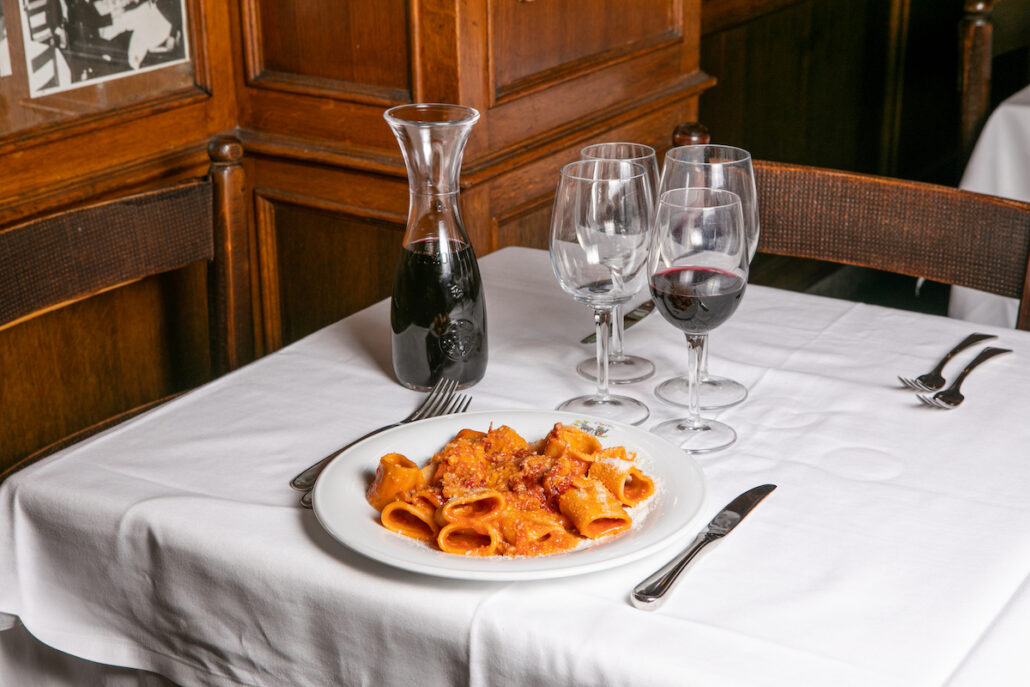
A cuisine that tells stories of impeccably fried artichokes, an amatriciana that opens eyes with the surprising sweetness of the tomato sauce that begs to be mopped up, as well as zucchini flowers, supplì, boiled Chianina meatballs, Roman tripe, and oxtail stew – a menu that finds completeness in seafood offerings. Prepared with freshly caught fish from Fiumicino and Civitavecchia, varying based on the daily availability. The courageous and passionate group of women leading the establishment today has also successfully faced difficulties and changes by adding a take-away “spin-off” alongside their classic dishes: a sort of shop window connects the restaurant’s kitchen to an outdoor space in Trastevere, on Vicolo del Bologna, offering all the restaurant’s first and second courses for take-away, as well as sandwiches made with the most delicious Roman recipes (meatballs, chicken cacciatore, sausage and broccoli rabe), perfect to take home or enjoy while strolling through Trastevere.