National Geographic named it one of the biggest food trends of 2026. Country & Town House asked whether it was the new matcha. The Financial Times and the BBC told matcha to “move over”.
A few years ago, almost no one outside of Japan had heard of it.
In its home country, hojicha has long been considered an inexpensive, everyday tea. Now the roasted green tea sits alongside matcha in trendy cafés around the world, often commanding the same price.
The interesting story isn’t simply that another Japanese tea has become fashionable; it is how an ordinary drink acquires a premium identity.
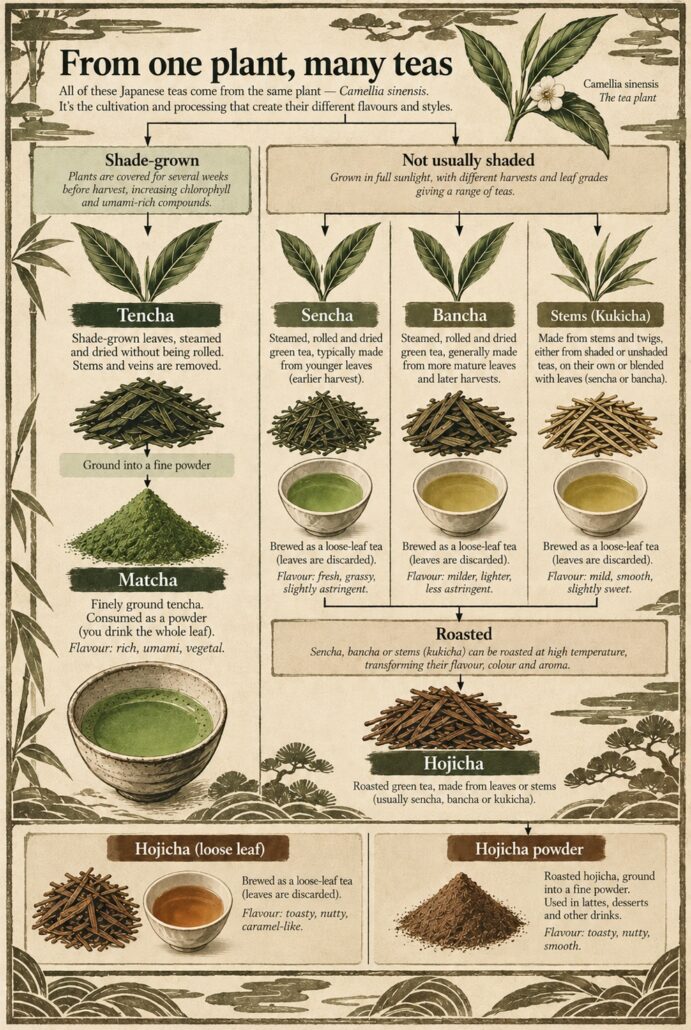
Hojicha starts in the same place as matcha: the Camellia sinensis tea plant, but that is where most similarities end. It is generally made from later-picked or less expensive leaves, rather than the shade-grown leaves used for matcha. The leaves are then roasted at a high temperature, drastically changing the colour and flavour profile. And, unlike matcha, it has no long association with elite ceremony and traditionally occupies a very different place in Japan’s tea hierarchy.
While the tea is undoubtedly Japanese, its precise provenance is less clear.
Country & Town House says the tea “originated in Kyōto, Japan in the 1920s when a tea merchant began roasting unsold tea leaves to extend their shelf life and reduce the amount of waste.”
The BBC echoes this. Almost everyone does. The tale is told so frequently that it has acquired the status of fact. But follow the sources – if they’ve been listed – and the trail quickly disappears.
The Wikipedia entry, for example, points to The Tale of Tea, a substantial scholarly history of tea across more than 800 pages, which suggests simply that “Hojicha is believed to have been innovated in Kyōto in the 1920s.” No more detail is given, and even this tome offers no obvious source.
A small piece of paper complicates and casts doubt on this story. Dated May 1915, a creased price list from Jōnanen Chaho, a tea retailer in Osaka, offers “Tokyo-style hōji bancha“. Hōji refers to roasting, while bancha is the type of tea most often used to make hojicha.
The list places the tea firmly toward the inexpensive end of Jōnanen Chaho’s tea range, at 28 sen per kin (sen being a now-defunct denomination of the yen; kin being a traditional unit of weight, equivalent to about 600g). At this price, hojicha cost less than half the cheapest sencha; the shop’s finest gyokuro was almost 20 times more expensive, listed at six yen per kin.
The record was surfaced by Kuwabara Hideki, who describes himself as the fourth-generation head of the Uji matcha wholesaler Kuwabara Zensuke Shoten, and whose 2012 book, A Study of Matcha, won a civic culture prize from Uji City.
Curious about hojicha’s origins, he worked through tea price list archives hunting for the earliest mention of the tea. This particular price list, he told me, was scanned and emailed to him by Mr Sakamoto Hiroji, the former director of the Uji City History Document Museum.
The document does not identify an inventor. It does put the tea on sale before the familiar story says it was invented. It also suggests the tea was cheap, being drunk in Osaka, and possibly trending in Tokyo. Kuwabara Hideki is careful to make clear that this is the earliest documentary evidence he has found, not necessarily the earliest that exists.
But another possibility is that the search itself rests on a false premise. The familiar story presents hojicha as an invention, a moment when one merchant had an idea. But food traditions rarely work that neatly.
“That’s another thing about tea,” says Don Mei, Director and tea curator of Mei Leaf London, “tea is all about origin story.” Some of the stories are “sort of semi-factual”, while others are “obviously mythical”. Tea, he says, has been made for over 4,000 years. “Do you think that nobody thought about taking their green tea and sticking it in a pan and roasting it?”
According to Don, leaves picked later in the season lack the delicacy and verdancy of earlier pickings and roasting can improve their desirability by giving the toasted, caramel notes hojicha is celebrated for.
Roasting may have been an obvious solution to the problem of what to do with older or unsaleable leaves, meaning hojicha could have emerged independently in several places.
Eric C. Rath, Professor of history and author of Japan’s Cuisines: Food, Place and Identity and Food and Fantasy in Early Modern Japan, agrees that ordinary tea-drinking practices may precede their commercial names. “Farmers are very resourceful,” he says. “They’ll do these things, and maybe don’t have a specific name for it.”
One possible explanation for hojicha’s Kyōto-origin story is that it has been conflated with the tea’s first mass commercial distribution. In 1924, the confectionery company Morinaga partnered with a Kyoto-based tea producer already selling the tea and launched a hojicha product nationwide, placing it in confectionery shops, specialist tea shops and grocery stores throughout Japan.
Might this Kyōto-based tea producer be the mythical merchant-inventor in the folk tale? In a written reply, Morinaga said, given how much time has passed, they don’t have more information.
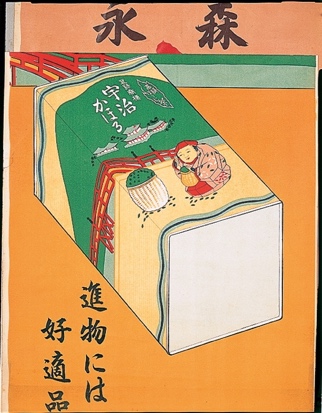
Whatever its origins, for most of the previous century the tea was unknown abroad and considered an affordable, everyday drink in Japan.
If hojicha’s original history is difficult to pin down, its modern reinvention is easier to trace. It begins, in part, with matcha.
In July 2025, Reuters reported that heat-damaged harvests and booming demand were squeezing supplies; a Kyoto auction price for tencha, the leaf used to make matcha, was 170 per cent higher than a year earlier.
“Matcha is a very specific product,” says Rath. “You have to grow it in shade; it’s kind of difficult to grow.”
Don sees sellers responding to an opening. “With the supply shortages of matcha,” he says, “everyone’s like, well, what else can we do? Hojicha is a new thing. We’ll just price it the same amount.” Hojicha, most often made from bancha, is easier to scale.
This type of move is not unprecedented.
James Farrer, Professor of Sociology and Director of the Graduate Program in Global Studies at Sophia University in Tokyo, draws a parallel with Japanese spirits. As Japanese whisky gained international prestige and supplies tightened, producers found an opportunity in craft gin: a quicker-to-make product that could appeal to an audience already interested in Japanese spirits. “Industry is always going to look for an adjacent thing that can be packaged and marketed,” he says.
Hojicha, he suggests, occupies a similar position beside matcha. It offers sellers another way into a market whose appetite for Japanese tea has already been established. “It’s clearly building on the matcha boom, which created the market,” he says.
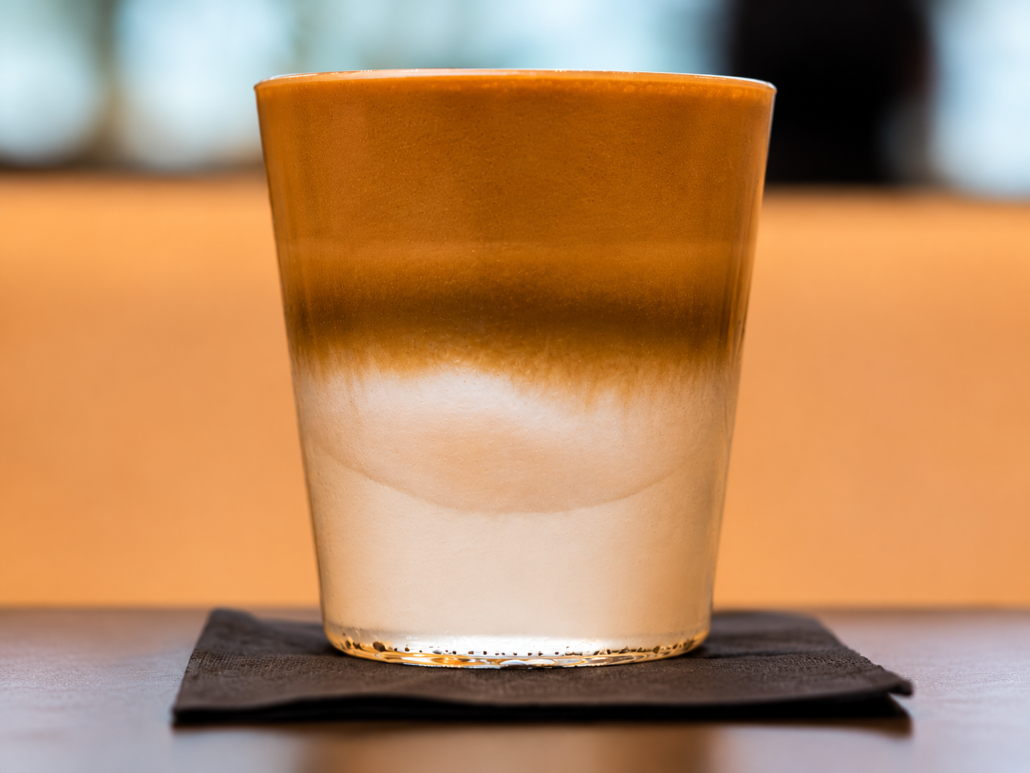
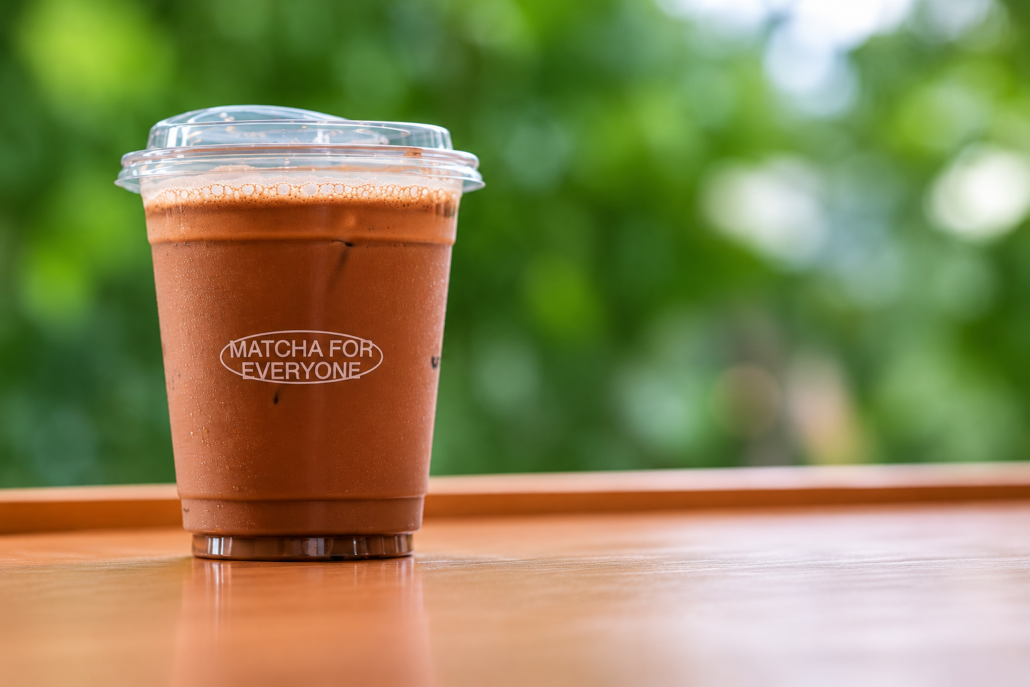
Part of hojicha’s reinvention lies in a change of form: from loose leaf to fine powder. It can now be blended into lattes, cheesecakes and ice creams. Perhaps more importantly, it allows hojicha to borrow the visual language of matcha’s social media universe. Cue close-up videos of bamboo whisks beating powder and water in ceramic bowls before the mixture is slowly poured into one type of milk or another. The colour and taste differ, but the sequence and paraphernalia stay the same.
For Emily Contois, food and media scholar and author of Food Instagram: Identity, Influence & Negotiation, the powdered format offers a way to borrow matcha’s rituals and associations with wellness and self-care. Hojicha’s adoption of matcha’s preparation rituals sits within a social-media culture that constantly demands something new. There’s a pressure to “follow the trend, perform the trend, know about the trend”. What a drink says about its drinker can matter as much as its taste.
Search #hojichatok and you’ll soon understand.
At UK online retailer Hojicha Lab, this connection informed the business from the start. Google Trends data suggested hojicha was following in matcha’s footsteps. Hojicha Lab’s Wahab Ahmad told me that matcha’s presence, even in small-town cafés, suggested a high ceiling for hojicha too. Hojicha, he thinks, could be “the next big thing”.
Sourcing from Kyōto was a “branding decision”, says Wahab. The business decided that its website should feature a Kyōto farm, then filtered potential suppliers accordingly. The overall aesthetic is important too, he says. In what feels almost too obviously a construction of Japanese authenticity, he describes a “Studio-Ghibli themed brand aimed at women”. “People,” he adds, “go crazy over East Asian culture,” leaning into the commodification of Japanese and East Asian aesthetics for Western consumers.
While the history and origins seemed important from the beginning, Wahab explains that the webpages on hojicha’s wellness characteristics attract the most hits and drive the most traffic to the website. The tea “works really well with the general wellness trends,” he says.
The variety of ways hojicha is packaged is a testament to the power of marketing and storytelling: it’s sold as ancient tradition from Kyōto, an alternative to coffee, the next matcha, a low-caffeine wellness ritual, a single-origin specialty, and a sustainable, eco-friendly alternative, given its use of less desired or waste parts of the tea plant.
Contois suggests that sellers have little incentive to settle on a single identity. “The story can be whichever one you want to tell,” she says. The drink can mean different things to different customers.
But while hojicha is now often marketed as a premium beverage, contrary to its humbler beginnings, what is actually being sold? It can be hard to know.
The quality and cost of hojicha vary greatly depending on the tea that is roasted. While it is most often made from bancha, it is sometimes made from sencha, which is generally more expensive. The roasting process itself, too, has a big impact on the final product. Yet, most retailers don’t say much about either.
“There is an issue in the tea world of what I call faux premium,” says Don. Sellers are quick to reference the most famous origins but, according to Don, “You can’t all be buying your tea from this one field.”
“Buying from origin”, he says, is a nice phrase, but it doesn’t really exist much in the tea world because of the nature of tea and how it is produced and sold.
The tea industry is “historically fraught with a lack of transparency”, and implementing the same level of traceability and transparency as demonstrated by coffee or wine is difficult. He describes a supply chain in which leaves pass through several hands, with numerous opportunities for their provenance to be embellished.
In his assessment, some retailers lack detailed information; others may withhold it because disclosure would diminish the product’s perceived quality, with knock-on implications for the price and profit margins. There’s an issue in the tea world, says Don: “People can say things, but you can never prove whether or not it’s right or wrong.”
Matcha isn’t immune to this problem and has its own vocabulary of premiumization.
“A lot of the matcha is really low grade,” says Don. The “ceremonial grade” label often printed on matcha packets sounds like a traditional Japanese classification, but it isn’t. Rather, it was a term created to market matcha and distinguish matcha intended to be drunk from matcha for cooking or baking.
Ippodo Tea, for example, explicitly states that they don’t use the ‘ceremonial grade’ label “since this term was invented to market matcha overseas, and is not used in Japan”.
Now everyone, Don says, is “jumping on [hojicha] and everyone is claiming that it is premium.”
While hojicha’s inventor remains elusive, the actors shaping its reinvention are easier to trace, and they have gifted an inexpensive everyday tea with new vocabulary: Kyoto, wellness, craft, sustainability, single-origin, premium.
Whether it will rise to the same heights as matcha remains to be seen. According to Don, hojicha will become part of the “lexicon of drinks”, but it won’t take off like matcha, “simply because of its colour”.